From Stigma to Support: How PsyLeb Is Changing the Conversation Around Mental Health in Lebanon

By: Steven Williams

Mental health has long been a taboo topic in Lebanon, where societal norms often discourage open conversations about emotional well-being. Despite the growing awareness globally, many Lebanese still struggle with mental health challenges in silence—fearing judgment, shame, or being perceived as weak. Enter PsyLeb, a groundbreaking platform designed to break the stigma and normalize therapy, making mental health support accessible, confidential, and stigma-free.

Challenging the Stigma: The Lebanese Reality

For decades, seeking therapy in Lebanon has been associated with social stigma and cultural misconceptions. People who pursue psychological support are often labeled as “weak” or “crazy,” leading many to suffer in silence rather than reach out for help. This cultural mindset has not only hindered mental health awareness but has also created barriers to seeking professional support.

The recent economic crisis and political instability have only exacerbated the issue, pushing more people to the edge while leaving them isolated and hopeless. Despite this reality, the fear of judgment prevents many from taking the first step toward healing.

How PsyLeb Is Breaking the Silence

PsyLeb was launched with a clear mission: to transform mental health access in Lebanon by providing a secure, user-friendly platform where individuals can confidentially connect with licensed psychologists and psychoanalysts. By focusing on online therapy options, PsyLeb allows users to receive professional support from the privacy of their homes, significantly reducing the fear of being seen entering a clinic or therapy center.

Moreover, the platform features therapists trained in various therapeutic approaches, including Cognitive Behavioral Therapy (CBT), psychoanalysis, and trauma therapy. This diversity helps users find the right kind of support tailored to their unique needs—whether they are dealing with anxiety, depression, PTSD, or relationship challenges.

Changing the Narrative Around Mental Health

PsyLeb’s efforts go beyond providing therapy. The platform actively works to educate the public about mental well-being through blogs, articles, and guides that address common misconceptions and encourage open dialogue. PsyLeb fosters a community of support and understanding by sharing expert insights and real-life perspectives.

Mental health should not be a luxury or a source of shame. PsyLeb’s message is clear: Taking care of your mental well-being is an act of courage and strength, not something to hide or feel guilty about. Through its compassionate approach and professional resources, PsyLeb is steadily changing how Lebanon views therapy and mental health care.

A Safe and Confidential Space for All

One crucial aspect of PsyLeb’s mission is helping with confidentiality and security. The platform employs encrypted communication channels and secure payment processing, making it a safe space for users to share their struggles without fear of exposure.

The simple, user-friendly interface also encourages first-time users to navigate the platform easily. Booking an appointment can be done in just a few clicks, eliminating the typical anxiety associated with arranging therapy sessions.

Paving the Way for a Healthier Lebanon

By tackling stigma head-on and offering a safe, supportive environment, PsyLeb is helping to reshape the mental health landscape in Lebanon. The platform is not just about therapy—it’s about creating a cultural shift that encourages individuals to embrace self-care and seek support without fear or shame.

As Lebanon continues to face social and economic challenges, the need for accessible mental health services has never been greater. PsyLeb’s commitment to breaking the stigma and fostering open conversations is paving the way toward a healthier, more resilient society.

For more information and to book a confidential session, visit www.PsyLeb.com.

Disclaimer: The information provided is for general informational purposes only and should not be considered a substitute for professional medical advice, diagnosis, or treatment. For personalized advice and support, please consult a licensed mental health professional. PsyLeb is committed to ensuring confidentiality and security for its users, but users are advised to take personal precautions when sharing sensitive information online.


Published by Jeremy S.

Trends in Dallas Event Rentals: What’s In and What’s Out for 2025

Dallas, a city known for its vibrant culture and ever-evolving social scene, is also home to a dynamic event rental market. As we head into 2025, event planners are eagerly embracing new trends in decor, color schemes, and innovative rental ideas to elevate celebrations and gatherings. From lavish weddings to corporate events, staying ahead of the curve is essential for event hosts aiming to impress. Here’s a look at what’s in and out in Dallas event rentals as we approach 2025.

New Décor Styles: Modern Flower Walls Take Center Stage

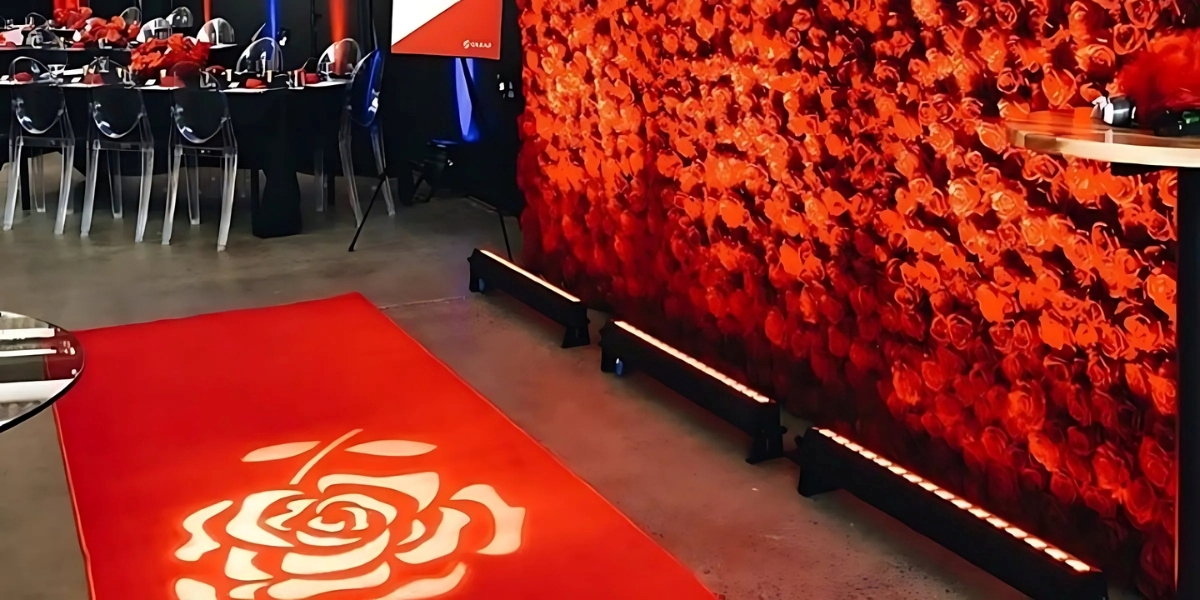
In recent years, flower walls have become an iconic staple in event design, poised to dominate events in 2025. Their intricate beauty and versatility have made them a popular choice for weddings, galas, and corporate events alike. Companies like DFW Flower Wall Rental in Dallas offer custom-designed flower walls tailored to various themes and color schemes. These walls have the potential to serve as striking backdrops, subtly enhancing events with a touch of natural elegance.

But it’s not just about traditional floral arrangements anymore. The trend is evolving to include more modern takes on flower walls, such as incorporating neon lights, custom signage, or even augmented reality elements. These unique touches provide a fresh twist on an already beloved trend, helping event planners bring a contemporary flair to their rentals. For example, a combination of elegant florals with sleek metallic accents offers an interesting contrast and aligns with the minimalistic aesthetic that’s becoming more prominent in Dallas event spaces.

Color Schemes: Bold, Warm Tones and Monochromatic Palettes

Color trends in event rentals for 2025 are shifting toward bold, warm tones. Vibrant shades like deep oranges, rich reds, and warm yellows are expected to be the go-to choices for both corporate and personal celebrations. These colors exude a sense of energy and sophistication that complements the bold, larger-than-life aesthetic, making a strong return in event planning.

On the other hand, minimalist design is also making its way into event spaces. Monochromatic color palettes are gaining popularity, where a single color is used throughout the event design, creating a clean, cohesive look. These color schemes are often paired with modern rental furniture, like sleek lounge chairs or minimalist tables, allowing the color choice’s elegance to shine genuinely.

Event rental companies in Dallas, such as DFW Flower Wall Rental, provide the tools for these color trends with customizable options. Their rental inventory includes a wide range of backdrops, furniture, and decor elements that can be tailored to match the latest color trends, allowing event planners to create unique and captivating environments.

Innovative Lighting Setups: Customizable and Interactive Lighting

Lighting is another area where innovation is making waves in Dallas event rentals. Gone are the days of simple overhead lights. In 2025, event hosts seek lighting solutions that offer more customization and interactivity. This includes intelligent lighting systems that can change color, intensity, and even projection patterns throughout an event. These setups allow for dynamic lighting that adjusts the event’s mood, from intimate dinner parties to grand celebratory moments.

Additionally, interactive lighting is gaining traction. Guests can influence the lighting through their actions, such as touching a wall or scanning a QR code. These interactive experiences add a layer of excitement and novelty to any event, making it memorable and engaging.

Rental companies like DFW Flower Wall Rental are keeping up with these advancements by offering a range of modern lighting options. From uplighting that can accentuate a flower wall to color-changing LEDs that transform a space, these rentals allow event planners to experiment with new and creative ways to enhance their event atmosphere.

Custom Experiences: Personalized and Unique Event Rentals

As the demand for personalized experiences grows, custom event rentals are expected to rise significantly in 2025. More than ever, guests want to feel part of something unique and tailored to them. Event planners are turning to custom rentals to create these experiences, from monogrammed furniture to bespoke photo booths with personalized props.

In Dallas, companies are providing more specialized options to meet this need. Custom-designed furniture, personalized signage, and even branded photo booths with unique features are becoming increasingly popular. This trend allows event hosts to add a personal touch to their event, ensuring it stands out and leaves a lasting impression on guests.

What’s Out: Overly Traditional and Stagnant Designs

As 2025 approaches, the trend of overly traditional and static event setups is starting to fade. Guests are increasingly accustomed to immersive, interactive, and highly customized experiences. This means that outdated decor choices like overly ornate table settings or overly formal backdrops are no longer the go-to for modern events.

Rather than relying on outdated event designs, Dallas event planners embrace rentals that allow creative flexibility and adaptability. Instead of rigid, cookie-cutter decor options, the trend is toward dynamic, trend-driven elements that reflect current design sensibilities and cater to various guest preferences.

Staying Ahead of the Curve

To stay ahead of the curve and make a lasting impression, event planners in Dallas are advised to incorporate trendy and innovative rentals into their events. From modern flower walls to cutting-edge lighting setups, the key to success lies in embracing new trends and adapting them to the event’s unique needs.

Event planners can access a wide range of high-quality, trend-forward rentals by partnering with rental companies like DFW Flower Wall Rental. This company offers customizable flower walls, furniture, and other decor elements. Their services, available online at DFW Flower Wall Party Rentals, allow planners to transform any event into a modern, stylish affair that guests won’t soon forget.

For inquiries, visit them at 2743 Irving Blvd, Dallas, TX 75207, or email them at dfwflowerwall@gmail.com. To stay updated on the latest trends, follow DFW Flower Wall Rental on Facebook and Instagram.

As we look ahead to 2025, it’s clear that Dallas event rentals are evolving. By staying up-to-date with the latest trends and collaborating with experienced rental providers, event planners can help with their gatherings. They are not just successful—they’ll be unforgettable.


Published by Jeremy S.

Greensboro Slate Roof Comparison: Metal vs. Slate Roofing – Which Is Better for Lake Oconee Homes?

By: Susan Lee

For homeowners in Lake Oconee and Greensboro, GA, the roof is more than just protection—it’s a statement of style, a contributor to home value, and a long-term investment. Two of the most sought-after premium roofing options in the area are metal roofing and natural slate roofing. Both offer durability and performance, but when it comes to aesthetics, longevity, and resale value, the choice can depend on individual preferences and needs.

This guide breaks down the pros and cons of each material in the context of Greensboro’s climate and architectural trends, with expert insight from Braswell Construction Group, a leading Greensboro, GA slate roofing company.

Durability and Lifespan

Metal roofs are known for being durable, with lifespans ranging from 40 to 70 years, depending on the material used and the quality of installation. They perform well in wind and rain and are relatively lightweight, which can simplify installation on existing structures.

Slate roofing, on the other hand, is recognized for its exceptional longevity. A properly installed slate roof can last anywhere from 75 to over 150 years. It’s fire-resistant, impervious to pests, and resistant to Georgia’s humidity and seasonal storms.

Verdict: If you’re looking for a roofing system that could outlast the home itself, slate might be a good choice.

Aesthetic and Architectural Appeal

Metal roofs come in a variety of finishes and styles and are often selected for contemporary or farmhouse-style homes. Their clean lines and color versatility work well for modern designs.

Slate roofs, however, offer a timeless beauty that is hard to match. The natural stone tiles provide depth, texture, and heritage, often elevating a home’s architectural appeal significantly. For luxury homes around Lake Oconee, slate is frequently viewed as a hallmark of craftsmanship and enduring style.

According to Braswell Construction Group’s feature on enhancing home value, upgrading to slate could potentially increase curb appeal and resale price, particularly in prestigious neighborhoods like Reynolds Lake Oconee.

Verdict: Slate is often preferred for its timeless elegance and can help enhance property value, especially in upscale neighborhoods.

Performance in the Greensboro Climate

Both materials handle Greensboro’s weather well, but in different ways. Metal roofing reflects sunlight, helping reduce cooling costs in hot summers. It also sheds rain and snow efficiently, which is useful during sudden seasonal downpours.

Slate’s density offers natural insulation, helping homes stay cooler in summer and warmer in winter. It also holds up well to hail, wind, and the freeze-thaw cycles that can cause other materials to expand and contract.

In this Market Daily article, slate’s resilience in Georgia’s varied climate is mentioned as one of the key reasons local homeowners opt for it over other materials.

Verdict: Both materials perform well, but slate might provide better insulation and long-term weather resistance.

Maintenance and Repairs

Metal roofs are relatively low-maintenance but may dent from hail or falling branches. Repairs often require panel replacement, which can be more complex and costly depending on the roofing system.

Slate, though it requires a specialist, is surprisingly simple to maintain. Individual tiles can be replaced without affecting the surrounding system. A qualified slate roofer in Greensboro, GA, such as Braswell Construction Group, ensures that repairs are done with precision and that new tiles match the existing ones in size, shape, and color.

Verdict: Slate may require specialized care, but it offers more straightforward repair options.

Cost and Value Over Time

Metal roofing typically has a lower upfront cost compared to slate and can offer solid performance for the price. However, it will likely need to be replaced once—or even twice—during the lifespan of a single slate roof.

Slate roofing costs more initially, but because of its extreme durability and increased resale value, it might offer a better return on investment over time. In high-end markets like Lake Oconee, slate is considered by many as a premium upgrade.

Verdict: Slate has a higher initial cost but could provide superior long-term value.

Final Thoughts

If your priorities are longevity, luxury, and lasting value, slate could be the better choice for homes in Lake Oconee and Greensboro, GA. It brings architectural beauty and offers peace of mind knowing that your roof could last for generations.

Metal roofing remains a strong contender for those seeking a modern look or more budget-friendly installation—but for homeowners who want long-lasting slate roofing in Greensboro, GA, slate remains a popular option.


Published by Joseph T.

Guide to Enhancing Classroom Activity: Reducing Sedentary Behavior in Schools

By: Jacob Maslow

Being a teacher is a noble calling, with our educators being directly responsible for shaping the young minds of the future. It’s a teacher’s job to nurture, mentor, and guide their students through the education journey, from the moment they start their schooling through to when they graduate. This also includes some responsibility for their overall health and well-being.

As educators seek new strategies to enhance student engagement, professional development can play a valuable role. Pursuing a Master of Education online can equip teachers with innovative methods to create more dynamic, movement-friendly classrooms. So, without further introduction, let’s take a look at the ways teachers can help reduce sedentary rates in classrooms.

Why Reduce Sedentary Lifestyles?

You may be surprised to hear this, but reduced exercise and movement have been associated with health issues later in life. Those with sedentary lifestyles may have an increased rate of heart disease, stroke, cancer, and other adverse health events. The most effective solution to a sedentary lifestyle is movement and exercise.

Benefits of Movement for Learning, Engagement, and Overall Well-Being

Making regular movement a part of classroom activities is a promising strategy to help enhance student learning, behaviour, and overall well-being. Since students spend most of their weekdays in school, educators can help reduce the sedentary nature of school classrooms and help ensure that students aged 5-18 can get the sixty minutes of movement that is recommended daily for overall health, development, well-being, and growth.

Research demonstrates that students may benefit from short, structured physical movement breaks throughout the school day. These breaks can range from short bursts of exercise to interactive educational games. Physical exercise has been shown to help students manage mental health and well-being, stress, anxiety, and neurodivergence in non-stigmatising ways.

Active Learning Strategies

Educators can implement some strategies in the classroom to incorporate movement into the educational setting. These active learning strategies are effective ways to get kids up and moving while still delivering the curriculum and ensuring that students learn what they need to while still getting some physical activity in.

Standing discussions are a useful way to do this. During a classroom discussion, educators can encourage students to stand up and discuss topics while remaining standing. This helps to stimulate blood flow and open up restricted parts of the body that are compressed while sitting, such as the neck, back, and hips.

Role-playing is another beneficial way to encourage movement. Students can role-play different roles while learning about a topic and act out actions to encourage movement and physical activity during a learning session.

Other movement-based activities are also helpful in moving away from sedentary behaviours, such as a walking excursion, walking lesson, or perhaps throwing a ball around the classroom when the student who catches the ball needs to answer a question or take a pop quiz on a certain educational topic.

Implementing Micro-Exercises and Breaks

Teachers can implement micro-exercises, such as stretch breaks or using games like the one we’ve suggested above, to introduce movement into the classroom. An educator might introduce a five-minute brain break during each period, ensuring that students get up and move their bodies and get a much-needed break from the heavy mental load that learning at school carries. These should be implemented at all year levels across both primary and high schools.

Make Movement an Approach for the Whole School

Those in educational leadership positions also have a part to play in helping to incorporate movement throughout the school. Some simple ways to incorporate movement in all areas of the school include:

  • Have painted play spaces for active play at recess and lunch, e.g. line markings for hopscotch or downball.
  • Playground challenges at recess and lunch on the play equipment.
  • Create pop-up play spaces that change locations on a regular basis.
  • Implement a range of easily accessible sports and activity equipment around the school.
  • Recruit older students as leaders for structured exercise activities.
  • Create a schedule of physical activities to be offered during recess and lunch breaks across the week for added variety and catering to different physical abilities and interests.
  • Encourage students to map the schoolyard, creating different zones for different games and activities.
  • Have active hallways — mark school hallways with tape encouraging students to move in different directions and ways (e.g. jump, hop, or tiptoe) from room to room or when entering and exiting school buildings.
  • Have before and after school programs that encourage physical activity, align with the school values, and promote exercise.

Encourage Extracurricular Activities

Another way educators can reduce sedentary rates in classrooms is to encourage students to take up extracurricular activities. After-school sports are an ideal way to do this. Students who have been in class all day have an opportunity to exercise and move their bodies. Educators can work with parents to ensure that students are engaged in regular physical activity.

Lunchtime Activities

In addition to the list provided above, schools can implement lunchtime physical activity sessions and might consider tailoring these to students who aren’t sporty. For instance, drama classes that encourage and promote movement during role-play and improvisation are one way of doing this. Educators may have to get creative with ways to encourage physical activities in students with varying physical abilities or who aren’t particularly sporty.

Flexible Classrooms and Seating

Promoting flexible classrooms is an effective way to reduce sedentary rates in classrooms. Introducing flexible seating arrangements, such as standing desks or movement-friendly furniture like wobble chairs, can encourage students to shift positions regularly rather than remaining seated for extended periods, which contributes to secondary classrooms.

Encouraging Active Transport to School

Encouraging active transport to and from school, in collaboration with parents, such as walking, scooters, or cycling, can also contribute to reducing overall sedentary time during the school day. You might introduce a weekly ride-to-school day and block off the streets for car drop-offs, encouraging parents to participate in this initiative.


Published by Joseph T.

Unlocking the Potential of Local Talent in Global Entrepreneurship

Entrepreneurship has long been associated with boundary-breaking ambition, where ideas stretch beyond borders, and solutions aim to serve diverse markets. Yet, the role of local talent in driving global business opportunities is sometimes overlooked. Harnessing the skills of local professionals can provide a dynamic source of innovation, cultural insight, and sustainable collaboration that may contribute to long-term growth in global ventures.

Why Local Talent Can Be Valuable to Global Businesses

Global entrepreneurship often benefits when businesses understand the unique markets they seek to serve. Few understand the nuances of a region better than its own people. Local talent tends to bring firsthand knowledge of cultural norms, consumer behavior, and economic trends. This insider perspective can help companies craft strategies that resonate with local communities while potentially avoiding costly missteps that stem from misunderstanding cultural differences.

A business expanding into Southeast Asia could encounter vastly different consumer priorities in Vietnam compared to the Philippines. A local professional with experience in the target region might offer insights into spending habits, communication preferences, and potential roadblocks. These perspectives are often particularly useful in marketing, customer service, and product customization.

Local professionals may also help identify regulatory challenges and suggest practical solutions. Navigating laws and compliance in foreign markets can be challenging, even for seasoned entrepreneurs. Hiring locally could reduce these risks by bringing trusted expertise to the decision-making process. This might save time and could also strengthen professional networks within the region, potentially opening doors to partnerships and future projects.

The Potential Connection Between Local Expertise and Innovation

“Hiring local talent can inject creativity into business operations,” says David Hao, a lawyer, innovator, and philanthropist with extensive experience in global business matters. “Global entrepreneurs who collaborate with diverse teams often benefit from a broader pool of ideas.”

By tapping into individuals with varied educational backgrounds, skill sets, and life experiences, companies may encourage out-of-the-box thinking. Local professionals could identify opportunities that outsiders might overlook, sometimes proposing more sustainable or efficient approaches tailored to specific market conditions.

Consider how companies such as community-based tourism startups might benefit from local guides and staff. Their suggestions could lead to environmentally conscious projects that preserve, rather than exploit, the surrounding area. Local input may foster a sense of ownership and responsibility that inspires solutions aligned with long-term community development.

Bringing local knowledge into the mix might also help accelerate problem-solving. Global businesses operating in unfamiliar territories often encounter challenges that require creative solutions adapted to local contexts. A team blending international expertise with regional knowledge could address these issues with strategies that reflect a balance of global and local priorities.

Building Trust Through Local Hiring

Trust often plays a pivotal role in the success of any business, particularly when entering foreign markets. Companies that involve local professionals may demonstrate a commitment to understanding and working alongside the community. This act could foster goodwill, making stakeholders more inclined to support the business and its initiatives.

For example, local partnerships can extend beyond the business side. Customers often feel more connected to brands that spotlight local voices. A company staffed by local employees might resonate more deeply by showing care for the region’s economy and culture, potentially creating a loyal customer base in the process. This level of connection can be difficult to replicate without tapping into local talent.

Entrepreneurs may also benefit from a stronger reputation within governmental and regulatory frameworks. Authorities might view global businesses with cautious skepticism, especially if they seem detached from community needs. Employing locals could signal an intent to integrate rather than impose, often helping to ease bureaucratic hurdles and fostering smoother collaborations.

Overcoming the Challenges of Recruiting Local Talent

While hiring local professionals offers many potential benefits, it’s not without challenges. Entrepreneurs may need to adapt their recruitment efforts to suit the local landscape, which often includes understanding the unique obstacles local candidates face. In some cases, these difficulties stem from educational or resource gaps that limit exposure to new technologies or emerging business practices.

Effective recruitment strategies might begin with building awareness. Entrepreneurs could strengthen their presence in target regions by hosting workshops, job fairs, or training programs aimed at developing local skills. By investing in long-term growth, they might build a stronger talent pool while also demonstrating their commitment to the region.

Another challenge lies in striking a balance between introducing global best practices and respecting local traditions. Companies should aim to ensure their onboarding and operational strategies are inclusive, blending their business priorities with regional expectations. Cultural sensitivity during these processes often influences whether employees feel valued and respected, which can directly impact long-term retention rates.

Long-Term Benefits for Global Entrepreneurs

Making the effort to source and empower local talent could help build a competitive edge. Entrepreneurs who integrate local professionals into their frameworks may find themselves better equipped to expand intelligently, even into unfamiliar markets. Cultural competence and strategic partnerships often develop more naturally when teams include people with regional expertise.

The connections formed through hiring local talent might create ripple effects. A business grounded in local relationships could build a network of advocates willing to support its growth. Over time, this might lead to increased opportunities for collaboration and expansion. Additionally, local professionals often bring their own connections, potentially opening doors to reliable suppliers, distribution channels, and additional hires.

From a financial perspective, tapping into local talent could also be cost-effective. Relocation costs for international hires can sometimes strain budgets, especially for startups. Investing in skilled, regionally based professionals might offer a more financially sustainable alternative. This approach may also allow for more flexibility in adapting to economic changes within target markets.

The Global Advantage of Thinking Local

Global entrepreneurship often involves building meaningful relationships that cross borders. By prioritizing local talent, businesses may gain more than operational support. They could earn trust, foster innovation, and lay the groundwork for lasting success. Local expertise can complement global business models when integrated thoughtfully.

Entrepreneurs who look beyond traditional methods and welcome local collaboration might set themselves apart in an increasingly interconnected world. As they recognize the unique value offered by regional expertise, they could position their ideas to succeed far beyond their home countries. This strategy might drive immediate results while also creating a model of sustainable growth rooted in genuine partnership.

Looking ahead, the role of local talent in global entrepreneurship is likely to become even more important. As markets grow increasingly complex and interconnected, businesses that prioritize inclusivity, cultural intelligence, and regional collaboration may hold a clearer advantage. Emerging technologies like AI and remote work platforms could further expand the accessibility of skilled professionals worldwide, making it easier than ever to source expertise from diverse regions.

In the future, global success may depend less on scaling fast and more on scaling smartly, with teams that reflect the communities they serve. Entrepreneurs who embed local voices into their foundational strategy could be better positioned to adapt, innovate, and thrive in diverse economic landscapes. As the world shifts toward more decentralized and community-centered business models, the fusion of global ambition with local insight might well define the next generation of industry leaders.


Disclaimer: The information provided in this article is for informational purposes only and does not constitute business, legal, or financial advice. While local talent can provide valuable insights and contributions to global businesses, individual experiences may vary. Entrepreneurs are encouraged to carefully consider cultural, economic, and regulatory factors when expanding into new markets. Recruiting and integrating local talent should be approached with respect, cultural sensitivity, and understanding of regional nuances. Always consult with relevant professionals before making business decisions related to hiring, market expansion, or strategy.


Published by Joseph T.

How to Handle Cases of Electrocution: How to Help the Victim

We cannot do without electricity; we need it to do most of our daily tasks. However, as essential as electricity is, it can be very dangerous and life-threatening when someone is exposed to it. Annually, about 1,000 people die from electrical injuries in the United States, out of which 400 are from high-voltage exposure. Aside from that, at least 30,000 non-fatal electrical incidents are recorded annually across states in the US, including Colorado.

When there has been an electrical accident, the resulting injuries can range from minor to severe to fatal. Meanwhile, these injuries can either be short-term or long-term, having significant impacts on the victim and their family. Due to the risks involved, it can be hard to help someone being electrocuted, which is why doing it safely is paramount. If you’ve been injured in such an incident, speaking to attorney Amy Gaiennie of Amy G Injury Firm can help you get your dues.

What to do for the Victim in an Electrical Accident: Immediate Steps to Take for the Victim

Electricity is dangerous, regardless of the size of the voltage; a small voltage of electricity is enough to kill a person. Therefore, when you witness an electrical accident, do not jump to the rescue unless you know the different ways to help.

Method 1: Disconnect the Victim

First, turn off the power if possible and safe – turn it off even if the person is no longer being electrocuted. If you cannot turn off the power, use a non-conducting item to disconnect the victim from the electrical source.

DO NOT attempt to touch the person with bare hands or metal because the current can pass from their body to yours. An example of a non-conducting item you can use to disconnect the victim is wood; plastic is also perfect. Once you have disconnected the victim, use the wood to push the electrical danger away from them to prevent further shock.

Method 2: Call 911

Another way you can help the individual being electrocuted is to call 911 immediately. You might want to do this first, in fact, because trying to help them yourself puts you in danger. Moreover, the victim has likely suffered injuries, even if you cannot see them, and getting medical care is paramount.

Taking Precautions

When a power line electrocutes a person, you need to stay at least 20 feet away from the power line. If the lines are jumping or sparking, move even further away, maybe even completely out of the scene.

You may feel guilty about standing back and watching someone being electrocuted, but you cannot help them if you also get electrocuted. Therefore, ensure you do not approach the victim or the power line until the electric utility company cuts power. Also, if you see water around, do not step on or get in the water if it is still connected to a power source.

When it is Safe for You as a Third-party and the Victim

Once you have successfully disconnected the victim from the power source and it is safe, check to see if they are breathing. If they are not breathing and the heart is not beating, start CPR, starting with mouth-to-mouth resuscitation. If they vomit, roll them onto their side; if they faint or fall, do not touch them.

Once the victim is conscious or you can hear their heartbeat, the next thing is to assess their injuries and cognition. Next, check the victim for burns, muscle contractions, numbness or pain, difficulty breathing, confusion, and seizures. If you see any of these symptoms, alongside a racing heartbeat and confusion, the victim needs immediate medical attention; call 911 immediately.

As you wait patiently for the ambulance, endeavor to keep the victim warm by covering them with a blanket or coat. However, avoid placing a dirty or fibrous material or whatever will stick to the wounds over their burns to avoid an infection.

Conclusion

A lot of things can happen to a person who is exposed to electric current, ranging from minor effects to even death. If you or a loved one was a victim of electrocution in Colorado, you may want to seek a lawyer for your legal options. You can file a lawsuit against the person or business that caused or contributed to the accident to get compensation.


Disclaimer: The information provided in this article is intended for general informational purposes only and should not be construed as medical or legal advice. In the event of an electrical accident, it is important to seek immediate professional assistance from emergency responders and medical professionals. Always exercise caution and prioritize safety when handling electrical emergencies.


Published by Joseph T.

How Risky Are Automatic Ignition Vehicles?

Since the present world began to go digital, there has been one invention after another. One of the recent trends in the automobile industry is the advent of automatic ignition vehicles in 2018. Since they were first implemented, automatic ignition vehicles have gained popularity in Florida and the US.

Moreover, at least half of the vehicles sold in the United States, including in Florida, are automatic ignition vehicles. Their popularity is primarily due to their convenience and accessibility, something every car owner looks for in their vehicles. 

However, as great as this is, automatic ignition vehicles are not without their limitations, which can be life-threatening. In light of this, speaking to personal injury attorney Mitchell Feldman of Feldman Legal Group is a great idea. In this article, we establish the fact that automatic ignition vehicles are risky and explain some of the life-threatening risks posed.

Drivers Can Forget to Turn Off Their Vehicle

One of the downsides to automatic ignition vehicles is that drivers often forget to turn off their vehicles. These vehicles have a standard feature with some autostart car models, but it is optional for most. When drivers push the button to start the car, they often forget to push it again to turn it off.

Since the car does not have a key, drivers have to put the car in park and press the stop button. However, drivers can forget to do that, taking the keyfob with them and leaving the engine sitting idle. That means the vehicle continues to consume gasoline, thus increasing the expenses you make on the car. Apart from that, the overall lifespan of the vehicle is severely depleted every time it is left idle.

Worse still, for every second the car is left running, it steadily releases carbon monoxide. Unfortunately, this highly harmful gas does not stay contained in the garage; it slips into your home and the environment.

It Has Led to the Death of Many People

Perhaps we would not worry about releasing carbon monoxide if the gas was not lethal. Unfortunately, it is – recent figures have shown that at least 36 people have died from carbon monoxide poisoning. Meanwhile, those who do not die from carbon monoxide poisoning may suffer other negative consequences, such as brain damage.

Despite the great convenience automatic ignition vehicles offer, they have led to the deaths of too many people and left more injured. Nevertheless, all is not lost as experts rally around to proffer a solution to the risks associated with these vehicles. Nevertheless, the state of Florida has yet to standardize a measure that will prevent the production of such incidents.

Practical Solutions to Combat the Situation

Different automotive safety professionals have provided their views on dealing with the risks associated with automatic ignition vehicles. For example, they have pushed for the introduction of safety devices like automatic vehicle engine shutdown. Essentially, with this feature, the vehicle will shut itself off once it is parked and has stopped running.

The other alternative to automatic shutdown is an alarm to warn drivers that their engine is still running. It will remind the driver that they are yet to turn off their vehicle if and when they forget.

Conclusion: Ways to Maximize Your Automatic Ignition Vehicles

Automatic ignition vehicles offer unmatched convenience, eliminating the need for traditional keys. However, they also come with security risks, making them prime targets for theft and accidental damage. Since these cars start with the push of a button, a thief only needs access to the key fob to drive away. Worse, forgetting your key fob inside can leave your vehicle vulnerable, as some models may still allow operation without requiring the fob to be in hand.  

To protect your car, always park in well-lit, secure areas, preferably with surveillance cameras or high foot traffic. Lock your doors and double-check that your key fob is not left inside or too close to the vehicle, as some cars may still detect the fob and remain unlocked.


Disclaimer: The information provided in this article is for general informational purposes only and is not intended to serve as legal, medical, or professional advice. While efforts have been made to ensure the accuracy of the content, the risks and safety concerns associated with automatic ignition vehicles may vary depending on the model and individual circumstances. It is recommended that readers consult with relevant professionals or experts for guidance on specific concerns regarding vehicle safety.


Published by Joseph T.

Finding A Balance Between Culture and Commerce

Everything seems to move fast and feel temporary, but culture can offer a deep sense of meaning. It connects people to history, identity, and values. Meanwhile, commerce keeps the world turning, driving growth, opportunity, and innovation.

So, how do we bring these two forces together without losing the soul of either one? The reality is, finding a harmonious balance between culture and commerce can be achievable—but it takes intention, care, and creativity.

Let’s discuss how modern creators, brands, and businesses are working to keep tradition alive while thriving in today’s market.

Why Culture Can Have A Place In Business

Culture isn’t just something we read about in history books. It lives in food, art, fashion, language, and how people express themselves. And for many businesses today, tapping into cultural roots isn’t just trendy—it can be essential.

Here’s why culture can play a significant role:

People Often Want More Than Just Products

With so many choices out there, customers may look for products that feel personal and meaningful. They often want to know the story behind what they’re buying. Brands that share their cultural roots can stand out in a sea of sameness. This connection might help consumers make more thoughtful or emotionally driven purchases. It could also give brands a competitive edge in oversaturated markets.

It Can Build Stronger Connections

When a product reflects a real culture or tradition, it often connects on a deeper level. People may feel like they’re part of something bigger. That emotional pull can sometimes lead to stronger loyalty and word-of-mouth support. Emotional branding through culture has the potential to foster long-term customer relationships.

It Can Help Protect And Preserve Traditions

Every time a cultural product is sold, a tradition has the chance to continue. Instead of fading away, it might find new life and relevance. That’s one of the powerful aspects of blending culture with business—it can keep heritage alive. It may also encourage younger generations to take pride in and carry on their traditions. Cultural pride has the potential to inspire community involvement and creativity.

What Makes Culture Hard To Monetize?

While the idea of turning culture into a business sounds appealing, it’s not always easy. Several challenges can arise when the focus shifts too far toward profit.

Here are a few common challenges:

Oversimplifying The Culture For Sales

Sometimes, businesses try to make things “sellable” by stripping away important details or meaning. This can sometimes feel disrespectful or offensive. The most successful brands often keep the depth and complexity intact, even when making it market-friendly. Simplifying without context can also risk misunderstanding the cultural value, potentially leading to backlash from cultural communities.

Mass Production Vs. Traditional Methods

Many cultural products are handmade or crafted slowly with care. Scaling that kind of work for larger audiences can be hard. It takes balance to grow a business without cutting corners. Automation often struggles to replicate the human touch that makes these items special. Preserving the art of craftsmanship can be key to cultural integrity.

Walking The Line Between Respect And Appropriation

When culture is used just to sell something, it can sometimes cross a line. Real respect often means including people from that culture in the process and giving credit where it’s due. True collaboration can help avoid tokenism and may build community. Including diverse voices has the potential to lead to better storytelling and authenticity. Customers often notice when something is genuine.

How Modern Brands Are Attempting to Get It Right

Some brands appear to have found effective approaches. They’ve worked to respect culture while still building something profitable and modern. Let’s look at a few examples that showcase potential ways it can be done.

A few notable strategies include:

Telling The Story Behind Every Product

Great brands don’t just sell—they often teach. They share the meaning, the history, and the inspiration behind their offerings. This storytelling can turn every product into a conversation starter, not just a transaction. Customers may appreciate the transparency and connection this creates.

Partnering With Local Creators And Artisans

Instead of copying or recreating cultural work, many brands collaborate with people from that background. It can be a win-win. Communities may get visibility and support, and customers might get the real deal. These partnerships can also help ensure cultural knowledge is passed down responsibly. Fair compensation has the potential to empower the communities involved.

Creating Small Batches With Care

Many culture-driven brands avoid mass production. They often embrace exclusivity and craftsmanship. Even though they make fewer products, those items can have more value, meaning, and demand. This model may also encourage conscious consumerism and reduce waste. Customers are sometimes more likely to treasure and preserve what they buy.

Blending Tradition With Fresh Innovation

Some of the most successful businesses take old traditions and put a modern spin on them. This could be through design, packaging, or presentation. The result can be something that honors the past but fits into today’s world. It may show that tradition can evolve without losing its soul. Modernization might help reach younger, trend-focused audiences, too.

Offering Authentic Collectibles With A Story

A notable example of culture and commerce working together is www.samuraiswordstore.com. This store offers authentic Japanese swords, including katana, tachi, and even anime-inspired pieces. What sets them apart is their reported commitment to detail and history.

Every sword is made using traditional methods and comes with a background that connects buyers to centuries of culture. Their ability to blend pop culture appeal with real heritage seems to make them stand out in the collectible space. Collectors and enthusiasts often appreciate the accuracy and legacy behind each piece.

Tips for Keeping the Balance in Your Own Business

If you’re building a brand that draws from culture, whether it’s yours or one you admire, there are ways to try to keep the balance right. It’s not just about making money—it’s about making something meaningful.

Here’s how you might stay grounded:

Do Your Homework First

Take time to thoroughly understand the culture you’re drawing from. That includes its history, customs, and significance. The more you learn, the more respectful and authentic your brand may feel. Research can also help you find unique angles that others might miss. Informed creativity might prevent cultural missteps.

Let People From That Culture Lead The Way

Whether through partnerships, collaborations, or hiring, consider involving the people who live that culture in the process. Their insight can add depth and may help avoid mistakes or missteps. Their presence might also bring credibility and genuine representation to your work. Authentic voices can drive trust and deeper engagement.

Be Open About Where Your Inspiration Comes From

Customers often appreciate honesty. When you explain your sources and share why they matter to you, people may see the heart behind your brand. It can create a deeper bond and might build trust. Being transparent can strengthen brand integrity and may prevent cultural missteps. Transparency might also show that you value ethics over trends.

Choose Quality Over Quantity

Stay true to the traditional process, even if that means you can’t produce as much. Customers may respect the integrity. It can show that you care more about culture than just cash. This quality-first approach might also build long-term value. Loyal customers are sometimes willing to pay more for meaningful work.

Use Your Platform To Teach, Not Just Sell

Your brand can be a powerful voice. Use it to share stories, highlight creators, and raise awareness about the cultural roots of your work. That might make every sale feel like part of something bigger. Educational content could also increase brand reach and customer engagement. Learning has the potential to foster curiosity and stronger community ties.

Summary

In a time when everything can feel rushed and disposable, culture can bring depth. It reminds us where we come from, what we stand for, and why things matter. At the same time, commerce lets us share that culture with the world in a sustainable way. When done thoughtfully, the two don’t have to fight—they can uplift each other.


Disclaimer: The views expressed in this article are for informational purposes only and do not constitute business, legal, or financial advice. While efforts are made to highlight successful strategies for integrating culture and commerce, individual results may vary. Businesses interested in using cultural elements should conduct thorough research and ensure they approach cultural representation with respect and authenticity. Collaborating with individuals from the culture being represented is encouraged to avoid cultural appropriation. Always consult with relevant professionals before implementing new business strategies.


Published by Joseph T.

Marcela Alonso Explores New Territory in Indie Cinema with Her Short Film ‘On the Air with Ariel’

Marcela Alonso is making her mark in the indie filmmaking scene in New York City. With a keen eye for talent and a fresh approach to storytelling, Alonso is venturing into new territory in the film industry. In her latest creative project, Alonso—actress, influencer, podcast personality, and the entrepreneurial force behind Latina Productions—has debuted her first short film, On the Air with Ariel. The film showcases Alonso’s ability to blend various entertainment backgrounds, pairing established actors with performers who may not be as conventional, creating a captivating indie project that is capturing the attention of both audiences and critics.

Directed by rising filmmaker Alexander Justin Gonzales, On the Air with Ariel features the engaging Ariel Demure alongside seasoned actress Dorian Frankel. The narrative delves into the complex relationship between a sharp, outspoken podcast host and her combative producer, offering a compelling storyline that mirrors the vibrant, often unpredictable world of New York’s entertainment industry. By focusing on the dynamic between these two characters, Alonso highlights the tensions and challenges that come with creative collaboration, particularly in the fast-paced world of media and entertainment.

Alonso financed the entire production independently through Latina Productions, a decision that reflects both her dedication to maintaining artistic integrity and her ability to navigate the evolving landscape of the entertainment industry. Her commitment to independent filmmaking is further demonstrated through her hands-on approach in overseeing every aspect of the film’s creation. Now, with the project complete, she is taking a proactive stance in engaging with the community, launching a campaign to help bring On the Air with Ariel to prestigious global film festivals, where it can reach a wider audience and gain the recognition it deserves.

“My goal isn’t just visibility—it’s about expanding the conversation,” Alonso explains. “This project has the potential to highlight SAG’s inclusivity efforts, create opportunities for cross-industry collaboration, and challenge traditional industry perceptions. We are hoping for a significant impact through storytelling that resonates with people from all walks of life.”

The choice to finance On the Air with Ariel independently not only gives Alonso creative freedom and control over the project but also allows her to shape the film’s direction and message in a way that aligns with her personal vision. By working with a mix of established and unconventional talent, Alonso demonstrates that indie films can offer diverse voices and stories that appeal to a broad and inclusive audience. This model of filmmaking—one that prioritizes creative freedom over industry norms—serves as a challenge to traditional filmmaking paradigms, offering new possibilities for both creators and viewers alike.

“It’s an opportunity for anyone who believes in independent cinema and innovative storytelling to make a difference,” Alonso says. “I hope that my efforts will inspire others to pursue their own creative projects, regardless of the limitations they might face. The power of indie cinema lies in its ability to tell authentic stories that aren’t confined to mainstream expectations.”

For those interested in learning more about On the Air with Ariel and its talented team, additional details can be found on IMDb, where the film is receiving recognition for its innovative approach and the fresh perspective it brings to the indie film community. Alonso’s unwavering commitment to creating meaningful dialogue through film is evident, and she is eager to share the final product with audiences around the world. As her journey continues, it’s clear that Alonso is poised to make a lasting impact in the world of independent cinema.


Published by Joseph T.

Why ProFile Discovery Chose the Midwest for Business Operations

By: Profile Discovery

As business expenses continue to rise on both the East and West Coasts, a growing number of companies are exploring a smarter move: setting up operations in the Midwest. Cities such as Columbus, Indianapolis, Kansas City, and Omaha are emerging as increasingly attractive options for businesses aiming to reduce costs while maintaining access to talent and quality services.

But what exactly is drawing businesses to America’s heartland—and is it truly paying off?

A Clear Financial Advantage

Business often comes down to the numbers. When comparing the cost of running a company in the Midwest versus coastal hubs, the Midwest presents a noticeable financial advantage.

  • Cost of Living Savings: Living in Indianapolis, Indiana, is estimated to be around 59% more affordable than living in New York City (excluding rent). When including rent, the cost gap widens significantly, with total expenses estimated at roughly 100% lower (Numbeo).
  • Affordable Operations: Running a business in Columbus, Ohio, is approximately 36% less costly (excluding rent) compared to San Francisco. Including rent, the savings increase to nearly 59%, based on Numbeo data.

These cost differences can provide businesses with greater financial flexibility, enabling them to reallocate resources toward initiatives that support growth—such as customer experience improvements, employee development, and innovation.

Transforming Savings into Enhanced Service

Reduced operating expenses aren’t just about improving margins—they can also improve how businesses serve their customers. Companies that have relocated or expanded into the Midwest often report an increased ability to:

  • Expand customer support teams: With lower salary costs, businesses may be able to hire additional support staff, helping to reduce wait times and improve response rates.
  • Invest in technology upgrades: Budget savings may allow businesses to modernize systems and integrate customer-friendly technologies that streamline interactions and improve service consistency.

A Strong Talent Pipeline

It’s not just about cost—access to talent also plays a key role in why companies are turning to the Midwest. The region is home to a skilled, educated workforce that is drawing attention for its long-term potential.

  • Midwestern states such as North Dakota report median household incomes around $51,700, paired with relatively affordable median rents averaging about $730 per month (Allied.com). This affordability contributes to a higher quality of life for employees, which in turn can lead to better retention and lower turnover for employers.
  • Companies operating in the region have noted that they can attract capable talent without the premium salary demands found in coastal cities, further strengthening their ability to scale effectively.

Emerging Examples of Midwest Momentum

Some businesses that have shifted operations or customer service centers inland are already seeing meaningful outcomes. One such example is ProFile Discovery, an electronic discovery firm that has served legal and business clients since 2001.

By basing operations in the Midwest, ProFile Discovery has been able to maintain a consistent level of service while keeping operational costs in check. According to the company, this strategy has contributed to greater predictability and flexibility in managing resources.

While each business’s success depends on a range of factors, ProFile Discovery’s Midwest-based model offers a real-world example of how thoughtful geographic decisions can support long-term goals.

Is the Midwest Right for Your Business?

The case for expanding into the Midwest rests on several pillars:

  • Meaningful cost reductions in both operations and staffing
  • Potential for reinvestment in employee experience and customer satisfaction
  • Access to skilled talent at more sustainable wage levels

A number of companies based on the coasts have already recognized the potential benefits of expanding into the Midwest. These organizations are gradually integrating regional advantages—such as cost savings and workforce stability—into their broader growth strategies.

Could a Midwest presence support your business goals as well? It may be worth taking a closer look at America’s evolving heartland to evaluate whether it aligns with your organization’s values, operational priorities, or long-term expansion plans.

Businesses like ProFile Discovery have explored this approach as part of their strategic footprint—focusing on stable operations, resource optimization, and service delivery from a more affordable geographic location.

While outcomes vary based on many factors, the Midwest continues to gain attention as a viable option for businesses seeking thoughtful ways to manage costs while maintaining service quality.


Published by Jeremy S.