Kate Spade: The Face of Affordable Luxury

By: Donna Bennett

The luxury market has slowed down in the past year, but brands like Kate Spade and Coach are still expected to see revenue growth within the first quarter of 2025. Despite a slow 2024 that saw reduced wholesale, the American fashion house still saw positive gross margins. Much of its continued presence in the market is thanks to its strong demographic of Gen Z shoppers and, to an extent, millennials. 

In a fashion era that is vastly more conscientious than the phases that preceded it, Kate Spade has maintained a foothold in the market by leaning into the new generation’s embrace of affordable luxury.  

The Rise of Affordable Luxury

Photo Courtesy: @mskristine

‘Affordable luxury’ may seem inherently at odds with itself. Still, it was coined in an era when savvy esthetes were willing to indulge in style and shun fast fashion. Where previous generations may have found luxury items and labels a sign of exclusivity and pretention, the new consumers seek out the instant gratification of premium design and allure while justifying it with practicality and sense. 

With the rise of influencer culture, those with buying power now consume a highly curated algorithm of the aesthetic they want to pursue. In this arena, influencers promote a lifestyle that is equal parts aspirational and attainable. Consumers want something real and strive for something premium without the unfathomable price tag. 

Fashion campaigns have seen massive success by going this route. This is evidenced by Kate Spade joining the ranks of Chanel, Swarovski, and Chanel and tapping content creator Regina Mirova as a brand ambassador. With the backing of these enormous luxury names, Mirova blogs while attending various prestigious events with the perfect mix of relatability and elevation. By platforming this breed of creativity, brands can gently nudge consumers into joining the fold. For style enthusiasts, it’s more approachable and still makes you feel like you could join the ranks of Fashion Week mainstays without using up your life savings. This growing sector is experiencing steady expansion at a notable pace through the coming years.


Kate Spade’s Ascent in Accessible Opulence

Photo Courtesy: @katespadeny

A study from the International Journal of Emerging Markets found that affordable luxury gained traction by appealing to the purchase intention of the vast majority of Gen Z and millennial fashionistas. This market aims for uniqueness, value, and status consumption — meaning most shoppers will dip their toes if a luxury brand proves worth the investment without being egregious with the price point. 

Kate Spade has done a remarkable job of doing just that, providing an accessible entry point with products like wallets, key chains, and accessories. These are less expensive than a bag from the primary collection but still carry the prestige and quality of the luxury brand. If you look at Kate Spade glasses, each model still carries the unmistakable and uncompromising brand’s design ethos while using practical materials that are durable and functional. It’s a welcoming hand offering whimsical, distinctive styles like the Ilana, Atalina, and Nataly at a lower yet still premium tag. Its partnerships with retailers like Frames Direct also allow the brand to provide more significant discounts to make the luxury even more affordable.

This style identity is a tying thread between products, so young hopefuls wanting to expand their collection over time can quickly start with something less pricey than the York Colorblocked Large Work Tote by Kate Spade. 

The brand is also willing to cement itself as the face of affordable luxury with a fresh era ushered in by new CEO Eva Erdmann. Where previous executives worried that the brand had had too much department store and outlet exposure, Erdmann has experience preserving a brand’s lavish essence while establishing itself in more accessible locations. Her previous post saw her with L’Oréal, which became the number-one luxury beauty brand in the world in 2023 while being easily purchased everywhere. The same brand brought Zendaya into the fold, a perfect embodiment of the relatable celeb archetype while being the darling of high fashion. 

Meanwhile, Kate Spade is the perfect base for entering the new market of fashionable shoppers without diminishing its status. Its chic and unique designs are found on high-quality products that justify the price while being forgiving for people whose lifestyles may be busier and less pampered. Kate Spade emphasizes fine craftsmanship that is worth investing in and is designed for everyday use without the need for luxury treatment. The staying power comes from the line bestowing brand status to its wielder while easing their minds without all the fuss.

Disclaimer: This article is for informational purposes only and does not constitute financial, fashion, or business advice. The opinions expressed are those of the author and do not reflect the official stance of Kate Spade or any affiliated brands. All product mentions and brand references are based on publicly available information and do not imply endorsement. Readers are encouraged to conduct their own research before making purchasing decisions.

Published by Stephanie M.

Golf Digest Highlights Azalea Hospitality’s 1934 Masters Badge and 2025 Masters Tickets

Golf Digest Highlights Azalea Hospitality’s 1934 Masters Badge and 2025 Masters Tickets
Azalea Hospitality, a place that offers 2025 Masters tickets as well as VIP experiences, was recently highlighted in Golf Digest. The golfing magazine explained how a signed badge from the first Masters tournament ended up at the Azalea House. 

In an article entitled “How a $470K 1934 Masters Badge Ended Up Across the Street From Augusta National,” writer Greg Gottfried of Golf Digest wrote that the Azalea House is: 

“Renowned for its ‘premium experience packages,’ Masters-week corporate fundraisers, and signature ‘true Southern hospitality,’ The Azalea House—located less than a mile from Augusta National’s North Gate—is quietly amassing one of the world’s most impressive golf collections, particularly featuring badges from past majors. This extraordinary treasure trove serves as an added perk to the valet parking, refreshments, and golf cart shuttles…” 

The badge mentioned in the article is a 1934 Masters Series Badge that was signed by Bobby Jones, Champ Horton, and other golfers. At the time, the tournament was called the “Augusta National Invitation Tournament.” It would not be called “The Masters” for years. The price printed on the badge was $5.50. At auction, it went for $470,857.49. 

Additionally, tickets to the 2025 Masters are on sale as well. These tickets are for the four rounds of the tournament as well as the practice rounds that precede them.  In addition to the tickets, the Azalea House also offers multiple experience packages as well as transportation options to and from Augusta National Golf Course. 

The 2025 Masters will be held from April 10th through the 13th. This will be the 89th edition of the tournament. The winner will receive $3,600,000. Hurricane Helene did, in September of 2024, damage the course. The hurricane destroyed trees and other forms of harm. In early 2025, a spokesperson from Augusta National said that the course was in spectacular condition for tournament play. 

Participation in the Masters is by invitation only. All living past winners of the Masters are invited, as are recent winners of other majors and winners (as well as, in some cases, runners-up) of amateur tournaments from around the world, among others. 

The winner of the 1934 Masters, Horton Smith, received $1,500. He won by making a 20-foot birdie putt on the then 17th hole (currently, that hole is the 8th hole on the course). By doing so, he was able to beat runner-up Craig Wood by one stroke. Only the second golf tournament to ever be broadcast live on the radio, Bobby Jones came out of retirement specifically to compete in the tournament. He finished in 13th place, 10 strokes back of the winner. 

The Azalea House has other Masters memorabilia available for viewing. This includes badges from the 1941, 1948, and 1954 tournaments, respectively among many others. 

For more information about purchasing the 2025 Masters tickets Masters 2025 packages or to make a press inquiry, contact the Azalea House. https://azaleahospitality.com/

Published by Tom W.

Building a Business with Laser Cutting: Opportunities and Strategies for Growth

In today’s entrepreneurial landscape, combining creativity and technology has opened up new business possibilities. One area that has seen growing interest is the laser cutting industry. Once limited to industrial applications, laser cutting has become more accessible to small business owners, providing opportunities for precision-based creative ventures.

The Rise of Laser Cutting in Business

Laser cutting machine utilizes a high-powered laser to cut, engrave, or etch various materials with unparalleled precision. From intricate designs on wood and acrylic to precise cuts on metal and fabric, the versatility of laser cutting has transformed the manufacturing and crafting industries. As a result, entrepreneurs and small business owners have found new ways to leverage this technology to create unique products and services that cater to the growing market demand for personalized and custom-made goods. It becomes possible to make money with a home laser engraving business.

Setting Up Your Laser Cutting Business

Starting a laser-cutting business involves thoughtful planning and preparation. Here are some key steps to help you get started on your venture:

Market Research: Conduct thorough market research to identify your target audience, assess competitors, and understand your niche’s demand for laser-cut products.

Business Plan: Develop a comprehensive business plan outlining your goals, target market, pricing strategy, marketing approach, and financial projections.

Equipment and Software: Invest in high-quality laser cutting equipment and design software that meets your business and production requirements. For instance, if you’re selling wooden products, choose a laser engraver for wood. If you’re selling DIY jewelry, a fiber laser is recommended.

Workspace Setup: Create a dedicated workspace that is well-ventilated, organized, and equipped with safety measures to operate your laser cutting machine efficiently.

Legal and Regulatory Compliance: Ensure compliance with local regulations, obtain necessary permits and licenses, and implement safety protocols to protect your business and employees.

Improving Profitability

To help improve the profitability of your laser-cutting business, consider these strategies:

Diversify Your Product Range: Offer a diverse range of laser-cut products, from custom signage and home decor to personalized gifts and promotional items, to attract a broader customer base and increase sales opportunities.

Customization Services: Capitalize on the trend of personalized products by providing customization services that allow customers to create unique designs tailored to their preferences.

E-commerce Presence: Establish an online presence through an e-commerce website or platforms like Etsy and Shopify to help reach a global audience and expand your market reach beyond local boundaries.

Collaborations and Partnerships: Collaborate with designers, artists, and businesses to create exclusive product lines, expand your product offerings, and tap into new markets through strategic partnerships.

Quality and Customer Service: Prioritize product quality, timely delivery, and excellent customer service to build a loyal customer base, generate positive reviews, and encourage repeat business and referrals.

Marketing and Branding Strategies

Marketing and branding play a key role in promoting your laser-cutting business and reaching potential customers. Here are some strategies to help increase visibility and engagement:

Social Media Marketing: Utilize social media platforms like Instagram, Facebook, and Pinterest to showcase your work, engage with customers, and drive traffic to your online store.

Content Marketing: Create valuable content such as tutorials, product demonstrations, and behind-the-scenes videos to educate and inspire your audience while showcasing your expertise and creativity.

Networking and Events: Attend trade shows, craft fairs, and networking events to connect with potential customers, collaborators, and industry professionals and showcase your products to a broader audience.

SEO and Online Advertising: Optimize your website for search engines (SEO) to improve visibility in search results. Consider investing in advertising campaigns to reach targeted audiences and drive traffic to your online store.

Scaling Your Laser Cutting Business

As your laser cutting business grows, consider scaling your operations to meet increasing demand and expand your reach. Here are some strategies to help scale your business effectively:

Automation and Efficiency: Implement automation tools, workflow optimizations, and production efficiencies to streamline operations, reduce costs, and increase productivity.

Staffing and Training: Hire skilled staff or train existing employees to operate laser cutting equipment, handle customer inquiries, manage orders, and support business growth effectively.

Investment in Technology: Stay updated with the latest advancements in laser cutting technology, software upgrades, and equipment enhancements to enhance product quality, speed, and capabilities.

Expansion Opportunities: Explore opportunities for expanding your product line, entering new markets, opening additional locations, or diversifying your business offerings to drive growth and profitability.

Conclusion

In conclusion, the laser cutting industry offers various possibilities for entrepreneurs and small business owners looking to combine technology, creativity, and craftsmanship. With thoughtful planning, innovation, and a focus on customer needs, it is possible to establish a strong and sustainable business. By exploring the potential of laser cutting, you can create unique products and build a business that aligns with your goals.

Disclaimer: The information provided in this article is for general informational purposes only and does not constitute business, financial, or legal advice. Readers are encouraged to conduct their own research and consult with appropriate professionals before making any business decisions. The author and publisher are not responsible for any outcomes resulting from the application of the strategies discussed.

Published by Tom W.

Adam W. Barney: From Corporate Leadership to Energy Coaching

Adam W. Barney’s career journey from corporate leadership to energy coaching showcases his commitment to fostering resilience, growth, and accountability. With innovative tools and a holistic approach, Barney works with clients to explore their potential, navigate change, and work toward meaningful goals.

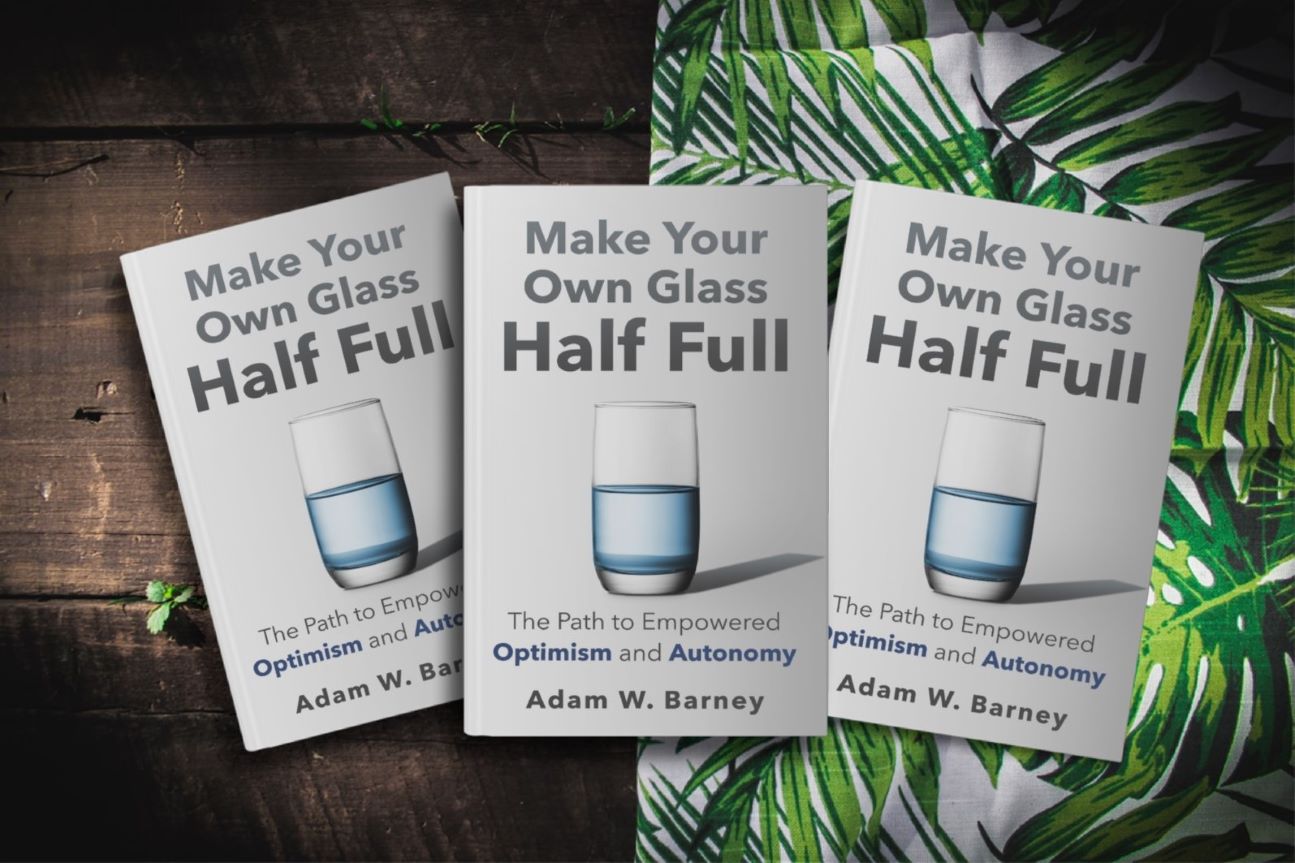
Adam W. Barney‘s professional path reflects a deep commitment to helping others thrive. From early years in management to an energy coaching career, Barney has aimed to enable people and teams to be positive, self-directed, and responsible. As the founder of a coaching practice and author of Make Your Own Glass Half Full, Barney aims to bring about change.

Barney’s corporate career laid the groundwork for a coaching philosophy. As a leader, a belief in fostering growth was central, not just for the immediate role but for long-term success. It was about helping teams succeed in their hired role while lifting them to reach higher goals. This forward-thinking approach became the foundation of a coaching style and practice emphasizing vision, adaptability, and accountability.

Two layoffs throughout a corporate career, among other personal and professional setbacks, were catalysts for Barney’s shift into energy coaching. Barney chose to view these failures as chances for personal development and rebirth, even though they could have been crippling. These experiences strengthened my resolve to help others overcome obstacles and thrive, even in adversity.

As a coach, Barney’s work begins with visioning. The transformation process is not about quick fixes but creating a vision, breaking it into tangible steps, and maintaining consistent effort to achieve meaningful change.

Barney’s coaching also incorporates innovative tools like Positive Intelligence, designed to help clients rewire their thought patterns and cultivate a more optimistic outlook. This approach enables clients to address professional challenges and personal barriers that may hold them back. Barney promotes long-lasting improvement beyond conventional coaching frameworks by assisting clients in coordinating their objectives with their inner values.

Barney focuses on working with minority entrepreneurs and small business owners. Through initiatives like the Comcast RISE grant, he has been involved in efforts to help micro-business owners navigate challenges and pursue their goals. This work with clients demonstrates a dedication to fostering opportunity for everyone and crosses a variety of businesses, including restaurants and educational services.

Make Your Own Glass Half Full embodies resilience and an optimistic attitude. The book urges readers to embrace autonomy and take charge of their lives. Barney emphasizes this mindset as a way to approach life’s challenges and personal growth. The idea that transformation starts from within is a key theme in the book and coaching practice.

Photo Courtesy: Adam W. Barney

Beyond professional achievements, Barney is driven by a passion for connection. Thriving on building relationships with clients, particularly those facing complex challenges, has earned a reputation as a coach who goes beyond surface-level solutions to create meaningful change.

Barney finds fulfillment in supporting clients as they work through self-doubt and pursue personal growth. Whether working with executives navigating career transitions or entrepreneurs scaling their businesses, Barney aims to help clients discover new possibilities and achieve their dreams.

Barney’s passion for education and development extends beyond coaching to personal life. Barney’s passion and vigor are apparent in everything done, whether spending time with family or immersing in music. Both clients and readers find inspiration in the ability to strike a balance between personal and professional fulfillment.

Barney’s path from corporate leadership to energy coaching demonstrates a strong dedication to growth, connection, and resilience. With creative strategies and an all-encompassing approach, Barney continues to help people and companies overcome obstacles and attain long-term success. Barney highlights optimism, personal responsibility, and a clear vision as essential to the change process.

To learn more about Adam W. Barney, visit the website or get a copy of Make Your Own Glass Half Full.

Disclaimer: The information in this article is for informational purposes only and does not constitute professional advice. Coaching results may vary based on individual circumstances. References to specific programs, grants, or tools do not imply endorsement. Readers are encouraged to conduct their own research before making any decisions.

Published by Stephanie M.

A Guide to Finding Cheap Prescription Glasses Without Compromising Quality

Finding affordable prescription glasses without sacrificing quality can seem like a challenge, but with the right approach, you may be able to get stylish, durable eyewear at a fraction of high street prices. Whether you need glasses for reading, driving, or everyday use, the key to finding cost-effective yet reliable cheap prescription glasses is knowing where to shop smartly. Follow these steps to maximize your chances of getting the best value for your money while enjoying a clear vision:

1. Search Online and Compare Prices

The internet has revolutionized how we shop for eyewear. Instead of relying solely on physical stores, online retailers provide access to a vast selection of prescription glasses at potentially lower prices. Shopping online allows you to compare different styles, brands, and prices from the comfort of your home.

At Feel Good Contacts, you may find glasses from premier brands at significant discounts, sometimes up to 70% off. Their website and mobile app are easy to navigate, with filters that help you refine your requirements based on frame style, material, and budget. Plus, the virtual try-on tool lets you see how different frames could look on your face before making a purchase. By taking the time to compare options online, you can often save significantly while still finding high-quality glasses.

2. Look for Offers and Discounts

Many eyewear retailers run seasonal promotions and discount codes that can help reduce costs. Online stores often offer first-time customer discounts, referral bonuses, and app-exclusive deals. Subscribing to newsletters is another smart way to stay updated on upcoming sales and special offers.

Feel Good Contacts frequently offers discounts on prescription glasses, making quality eyewear more accessible. Plus, they offer a 10% discount to first-time customers, which can help secure a better deal on your first purchase. Whether you’re a student looking for budget-friendly glasses or someone replacing an old pair, checking for these deals might make a big difference in your total cost.

3. Prioritize Quality Assurance

Affordable doesn’t have to mean low quality. The key to finding budget-friendly glasses is ensuring they meet industry standards and offer durability. A well-made pair of glasses should ideally have strong yet lightweight frames, scratch-resistant lenses, and a comfortable fit. Go for glasses made of high-quality materials, and make sure to buy glasses only from retailers that demonstrate a commitment to quality standards.

4. Consider Delivery Options

Fast and reliable delivery can be important, especially if you need your glasses urgently. Some online stores may offer budget-friendly glasses but could take weeks to deliver them, causing unnecessary delays. Look for retailers that provide flexible delivery options, helping ensure you get your glasses on time.

5. Check for Optician Support

Even when buying glasses online, professional guidance can be valuable. Many people struggle to understand their prescription or need advice on the best lens type for their needs. It helps to shop with online retailers that offer optician support, as this service can make a difference when selecting the right pair of glasses.

6. Ensure Excellent Customer Support

A reliable customer support team is highly beneficial when purchasing eyewear online. From tracking orders to handling returns, having easy access to assistance can improve your shopping experience and provide peace of mind.

7. Read Customer Reviews

One of the best ways to gauge the reliability of an online eyewear retailer is by checking customer reviews. Genuine feedback provides insight into product quality, delivery times, and overall customer satisfaction. With 64K+ reviews on Trustpilot and being rated “Excellent,” Feel Good Contacts has received thousands of positive reviews from customers who appreciate their affordable, high-quality prescription glasses.

Finding cheap prescription glasses without compromising on quality is achievable when you shop smartly. By comparing options online, taking advantage of discounts, ensuring quality, and choosing an authorized retailer with fast delivery, expert optician support, and excellent customer service, you increase your chances of getting premium eyewear and other eye care essentials at an affordable price. When shopping with well-reviewed retailers like Feel Good Contacts, you may find high-quality glasses, contact lenses, solutions, eye care products, and more at budget-friendly prices with strong customer support.

Published by Drake M.

Marina’s Mission, C-Tru Collaborate on Eye-Opening Track

By: Maria Williams

This powerful and heartfelt song serves to raise awareness of child abuse.

Few independent artists have carved out a path in the music industry as impressively as C-Tru. From collaborating with hip-hop legends like DMX and Snoop Dogg to racking up millions of streams worldwide, C-Tru has proven himself to be reckoned with. His latest release, “My Spirit Fights On,” is not just another addition to his growing catalogue—it’s a powerful and profoundly personal anthem shedding light on child abuse, told through the harrowing real-life story of Marina Hubmann.

Released on January 12, 2025, “My Spirit Fights On” stands apart as a track that blends storytelling with a mission. The song is an autobiographical account of the abuse Marina endured after being placed in a foster home at just seven years old. She suffered four years of unimaginable cruelty, and despite multiple attempts to bring her abusers to justice, she was continually silenced by the system. Determined to have her voice heard, she found solace and power in music, partnering with C-Tru to share her story in a way that could no longer be ignored.

C-Tru, known for his sharp lyrical abilities and ability to craft emotionally gripping narratives, brings Marina’s story to life through his vivid verses. Complementing his raw delivery, the song’s soaring, melodic chorus is sung by Tariah, with co-production from Swissivory. The result is an emotionally charged hip-hop record that doesn’t just aim to entertain—it seeks to inspire and create awareness for those who have experienced similar trauma.

The collaboration between C-Tru and Marina was set into motion through a mutual connection, filmmaker Elisabeth White, who had previously directed C-Tru’s music video for “California Party.” That track featured hip-hop icon Snoop Dogg, was a significant moment in C-Tru’s career, exposing him to a global audience and catching Marina’s attention. After listening to his music and appreciating his storytelling through rap, she felt he could help share her message with a broader audience.

C-Tru’s journey in music has been anything but conventional. His breakout moment came in 2017 when he teamed up with the late rap legend DMX on “Dog in Me.” Since then, he has developed a style that balances commercial appeal with storytelling, helping him stand out as an independent artist. He has built his path in an industry often dominated by mainstream labels. He demonstrates his range and dedication to meaningful storytelling with My Spirit Fights On.

For Marina, this song represents more than just music—it’s a declaration of resilience. “There are thousands of child abuse cases just like mine that are being covered up in the foster home system,” she says. “Even after reporting these atrocities to the authorities and trying for many years to press charges against my abusers and the foster home, I continued to be denied. I will not keep silent anymore.” Her bravery in speaking out is what makes this song so impactful. It’s not just about reliving the past; it’s about helping others not suffer in silence.

The production of “My Spirit Fights On” is as compelling as its message. Swissivory’s co-production helps craft a sonically gripping atmosphere, blending powerful instrumentals with haunting melodies. Tariah’s vocal performance elevates the track, making it heart-wrenching and empowering. Every element of the song is designed to complement Marina’s story, aiming that the message doesn’t just get heard—it gets felt.

As independent artists continue to push the boundaries of what’s possible without significant label backing, C-Tru remains at the forefront. His ability to collaborate with legendary names while staying true to his artistry makes him a standout in today’s music scene. More than just a rapper, he’s a storyteller, an advocate, and an artist who understands the weight of his words. With “My Spirit Fights On,” he and Marina give a voice to those silenced for too long.

The single is now available on all major streaming platforms, including Spotify, and the music video is live on YouTube. To support this movement and stay updated on future releases, follow C-Tru on Instagram and Marina’s Mission.

Published by Anne C.

The Endless Journey of Learning: Finding Wisdom Through Heartache

Life rarely follows a straight path; it’s a winding journey filled with lessons waiting to be unearthed. Every experience, whether joyous or painful, has the potential to contribute to our personal growth, shaping us into who we are. This dynamic process of learning and self-discovery can often be what makes life profoundly meaningful.

Pilar Lyutfalieva, a leadership coach with over 15 years of experience, suggests that the heartaches we encounter are not just obstacles to overcome but may also serve as stepping stones leading us toward greater self-awareness. When we open ourselves to the idea that life offers an ongoing opportunity for learning, we may be able to transform our struggles into powerful catalysts for growth. It’s about seeing beyond the immediate pain and considering the deeper lessons that might be present beneath the surface.

Consider the story of an entrepreneur who faced repeated failures while trying to launch her startup. Instead of succumbing to despair, she chose to view each setback as an opportunity to learn. Each closed door prompted her to reassess her approach, refine her strategies, and ultimately discover her true calling. This perspective shift helped her not only recover but also gain insights that contributed to her success, transforming her initial heartaches into a wellspring of resilience and understanding.

Pilar’s coaching philosophy echoes this growth-oriented mindset. She emphasizes that acknowledging and embracing our past experiences can be crucial to unlocking our potential. The process often begins with self-reflection—taking the time to analyze what went wrong and how it might inform future decisions. By fostering a culture of learning, individuals may be better equipped to cultivate resilience and adaptability, both of which are valuable for navigating the complexities of both personal and professional life.

Heartache has the potential to serve as a powerful teacher, revealing our strengths and weaknesses. When we allow ourselves to confront and process these difficult emotions, we can gain invaluable insights that shape our character. Pilar highlights that vulnerability is not a weakness but can be a strength, allowing us to connect with ourselves and others on a deeper level. This connection fosters a supportive environment where we may find comfort in sharing our experiences and learning from one another.

As we navigate this journey of learning, it’s important to recognize that growth is seldom linear. There will be moments of stagnation and uncertainty, but these can be just as integral to our development as moments of progress. Pilar encourages her clients to embrace this ebb and flow, reminding them that every experience has the potential to contribute to the intricate tapestry of their lives. By reframing challenges as opportunities for growth, individuals may foster a sense of empowerment and agency in their lives.

Building a community of like-minded individuals can be a meaningful way to enhance this journey. Surrounding ourselves with supportive peers who value learning often creates a powerful network for sharing insights and experiences. Pilar’s coaching approach is designed to facilitate this connection, providing a space for individuals to come together, share their stories, and learn from one another’s journeys. The act of sharing can help transform personal struggles into collective wisdom, reinforcing the idea that we are never alone in our experiences.

In a world that often prioritizes quick fixes and instant gratification, embracing the idea of lifelong learning may feel like a significant shift. It invites us to slow down, reflect, and appreciate the lessons embedded in our experiences. When we allow ourselves to fully engage in this process, we may unlock the potential for profound personal transformation.

In conclusion, life’s journey can be viewed as an endless cycle of learning. By embracing our heartaches as valuable lessons, we may be able to cultivate resilience, deepen our self-awareness, and ultimately transform our lives in meaningful ways.

Are you ready to explore how your challenges could become powerful lessons? Join Pilar Lyutfalieva on a journey of personal growth and discovery. Explore her coaching services at pilarlyutfalieva.com to begin your path toward meaningful change.


Disclaimer: The information provided in this article is for informational and educational purposes only and should not be considered professional, financial, medical, or psychological advice. Coaching is not a substitute for therapy, counseling, or other professional mental health services. Individual results may vary, and outcomes are not guaranteed.

Published by Drake M.

How Stewardesses Paved the Way for Women’s Empowerment in Aviation

By: Chloe White

The story of women’s empowerment in aviation is closely connected to the history of stewardesses. These pioneering women, who took to the skies in an era when female pilots were a rarity, contributed significantly to reshaping the landscape of the aviation industry and challenging societal norms about women’s roles in the workplace.

The journey began in the 1930s when Ellen Church became the world’s first female flight attendant. Her appointment represented a notable shift in the industry, opening doors for women in a field previously dominated by men. However, it wasn’t until the 1960s and 1970s that stewardesses began to organize more actively and drive substantial change.

In the early days, the role of stewardess was heavily romanticized and highly regulated. Airlines marketed these women as the epitome of femininity and grace, using their image to sell the glamour of air travel. Yet behind this glossy facade lay a web of restrictive practices. Stewardesses faced strict age limits, were required to remain unmarried, and were subject to regular weigh-ins and appearance checks.

Despite these constraints, many women were drawn to the profession for the independence and travel opportunities it offered. In an era when women’s career options were often limited, becoming a stewardess provided a notable path to financial independence and worldly experience. This taste of freedom and autonomy would play a role in fueling the push for greater rights and respect within the industry.

As the women’s rights movement gained momentum in the 1960s, stewardesses began to organize and advocate for themselves. They formed unions and professional associations, providing a united front to challenge unfair practices. The Stewardesses for Women’s Rights (SFWR), founded in 1972, was particularly influential in this regard. These organizations fought against age and marriage restrictions, weight requirements, and other problematic policies that had long been accepted as standard practice.

One of the most significant battles was against the mandatory retirement age for stewardesses, which was often as young as 32 or 35. This policy not only limited women’s career prospects but also reinforced the idea that their value was tied solely to youth and appearance. Through persistent legal challenges and public advocacy, stewardesses helped bring about the removal of these age restrictions, allowing for long-term careers in aviation.

The fight against sexualization was another crucial aspect of their struggle. Stewardesses challenged airlines’ marketing strategies that portrayed them as sex symbols rather than skilled professionals. They advocated for changes to revealing uniforms and suggestive advertising campaigns, seeking to be respected for their expertise in customer service and safety procedures.

These efforts extended beyond the confines of their profession. By challenging discriminatory practices in a highly visible industry, stewardesses helped highlight broader issues of workplace sexism and gender inequality. Their advocacy played a part in shaping key legislation, including the Civil Rights Act of 1964 and the Pregnancy Discrimination Act of 1978, which had far-reaching implications for women in all sectors of the workforce.

The impact of these trailblazing women was significant. They helped challenge stereotypes about women’s capabilities and ambitions, proving that women could excel in high-pressure, safety-critical roles. Their success influenced opportunities for women in other areas of aviation, from pilots to air traffic controllers.

As the role evolved, so did the terminology. The shift from “stewardess” to “flight attendant” reflected a growing recognition of the profession’s importance and gender neutrality. This change represented a broader transformation in how society viewed women in the workplace, acknowledging their professional status rather than defining them by gender.

Today’s flight attendants owe much to the pioneering spirit of those early stewardesses. The profession now attracts both men and women, offers long-term career prospects, and is respected for its crucial role in ensuring passenger safety and comfort. The outdated restrictions on age, marital status, and appearance have largely disappeared, replaced by a focus on skills, experience, and professionalism.

The legacy of these women extends beyond the aviation industry. Their courage in challenging unfair practices and their persistence in the face of adversity continue to serve as an example to women in all fields. They demonstrated that collective action and determination can contribute to meaningful change, even in deeply ingrained systems.

As we reflect on the journey of women’s empowerment in aviation, it’s clear that stewardesses played an essential role. They not only transformed their profession but also made meaningful contributions to the broader movement for women’s rights and equality in the workplace. Their story remains a testament to the impact that determined individuals can have when they come together to challenge injustice and push for change.

The next time you board a plane, take a moment to appreciate the legacy of those pioneering stewardesses. Their fight for dignity, respect, and equal opportunities has left a lasting impact on aviation history and continues to inspire new generations of women to reach for the skies.

Published by Tom W.

The Surprising Secret to Sticking With Your Workout Routine

By: Joshua Finley

Are you tired of starting exercise programs only to lose motivation and quit a few weeks later? You’re not alone. Consistency is one of the biggest challenges people face when trying to establish a regular workout routine. But what if one key to improving your commitment to fitness was connected to a part of your body you may not have considered before?

Enter the fascia, a specialized connective tissue that plays a crucial role in your body’s movement and function. According to Michele Bond, M.S., a Kinesiologist and fascia specialist, this often-overlooked tissue may contribute to exercise adherence.

“There are a million reasons why people do not stick to exercise,” says Bond. “However, in working with people for over 20 years and being an expert in fascia, it appears that this amazing connective tissue can influence the ‘self-start’ in moving after it gets conditioned enough.”

So, what exactly is fascia, and how might it impact your ability to maintain a workout routine? Fascia is a complex network of connective tissue that wraps around and supports every muscle, bone, and organ in your body. It helps transmit force, provides structure, and facilitates movement.

When your fascia is healthy and well-conditioned, it could help you move with greater ease, efficiency, and fluidity. This may lead to a more enjoyable and comfortable exercise experience, which could serve as a motivating factor in maintaining your workouts.

On the other hand, if your fascia is tight, restricted, or poorly conditioned, movement might feel challenging, uncomfortable, or frustrating. This can potentially lead to a cycle of avoidance, where workouts are skipped because they feel too difficult or unpleasant, contributing to further deconditioning and stiffness.

The encouraging news is that you may be able to break this cycle by focusing on conditioning your fascia. Bond recommends incorporating specific techniques like foam rolling, targeted stretching, and dynamic movement drills into your routine to support fascial health and function.

“Conditioning the fascia is like lubricating a creaky door hinge,” explains Bond. “When you first start, it might feel a bit uncomfortable or challenging. But with consistent practice, many people notice a difference in how their bodies feel and move. Exercise can become easier, more fluid, and more enjoyable.”

But the benefits of fascial conditioning may extend beyond just the physical. When you take the time to nurture this important tissue, you’re sending a powerful message to your body and mind that you value your well-being and are committed to taking care of yourself.

This mindset shift has the potential to be transformative, helping you approach exercise from a place of self-care and appreciation rather than punishment or obligation. When you view your workouts as an opportunity to connect with and strengthen your body, you may be more likely to maintain them long-term.

Of course, conditioning your fascia is just one piece of the puzzle when it comes to creating a sustainable exercise habit. Other factors like finding activities you enjoy, setting realistic goals, and building a supportive community are also important.

But if you’ve been struggling to make exercise a consistent part of your life, paying attention to your fascia could be a valuable missing link. By prioritizing the health of this crucial connective tissue, you may set yourself up for success and create a strong foundation for a lifetime of more enjoyable and sustainable movement.

Interested in exploring the potential benefits of fascial conditioning for your workout routine? Visit michelebond.com and sign up for the mailing list to stay informed about Michele Bond’s upcoming online training and community launching in early 2025. As a leading expert in fascia and movement optimization, Bond aims to help individuals discover strategies to support their workouts and fitness goals.


Disclaimer: This article is for informational purposes only and does not constitute medical, fitness, or professional health advice. The insights shared by Michele Bond are based on her expertise in kinesiology and fascia, but individual results may vary. Consult a qualified healthcare or fitness professional before making any changes to your exercise routine.

Published by Drake M.

Apurva Kumar’s Contributions to AI Infrastructure Evolution

Apurva Kumar is a prominent figure in Artificial Intelligence (AI) and data processing, with a distinguished career at leading technology companies such as Uber, Amazon, and Walmart. His innovative work has garnered significant accolades, including the Gold Globee Award for Leadership and the Silver Globee Award for Business in 2023, followed by the Platinum Titan Business Award in the Information Technology – Artificial Intelligence category in 2024.

During his tenure at Uber, Kumar spearheaded the creation of uLabel, an advanced data annotation and labeling service that revolutionized the training of machine learning models. Originally intended to improve ridesharing services, uLabel’s applications expanded into autonomous driving and workplace safety sectors. Regarding this achievement, Kumar noted, “It was inspiring to see how an AI service initially designed for ridesharing could advance and influence other industries.”

Kumar also played a pivotal role in the Uber Movement initiative, utilizing anonymized and aggregated data to offer valuable insights for global urban planning and traffic management. This project highlighted his capacity to apply AI infrastructure to address complex societal issues, such as enhancing public transit routes.

At Amazon, Kumar led the re-architecture of the Search Ranking Infrastructure, known as Springbok. This effort resulted in a tenfold increase in feature indexing speed, significantly improving Search ranking quality across Amazon’s extensive platform. The advancements enhanced AI models within Search and benefited services like Prime Video, Alexa, and Music, leading to substantial revenue growth.

Kumar’s expertise was further demonstrated at Walmart Global Tech, where he developed the Intelligent Sync platform. This innovation reduced data movement costs while optimizing the customer experience for millions worldwide, exemplifying his talent for creating solutions that combine technical excellence with practical consumer advantages.

Beyond his corporate roles, Kumar has made significant scholarly contributions in areas such as AI Autonomous Agents in Infrastructure, entity resolution, and Spark optimization. His work has led to substantial savings in computing costs and has advanced the field notably.

Kumar is also committed to leadership within the technological community. As a Senior Member of IEEE and a Fellow of the British Computer Society (BCS) and IETE, he actively mentors emerging innovators. These affiliations reflect his groundbreaking work and his dedication to fostering collaboration and innovation within these organizations.

He emphasizes the value of these memberships, stating, “Whether it’s presenting research, participating in panels, or mentoring young professionals, these memberships have been invaluable in fostering innovation.”

Apurva Kumar’s career is marked by relentless innovation and transformative contributions across some of the world’s influential companies. His ability to leverage technology to solve real-world problems exemplifies leadership in today’s digital era.

As we navigate the complexities of our increasingly digital lives, visionaries like Kumar highlight technology’s profound potential—not merely as tools for convenience but as instruments for meaningful change. His numerous accomplishments and ongoing projects, showcased on platforms like LinkedIn, indicate that Apurva Kumar’s legacy will significantly influence our collective journey toward a future powered by artificial intelligence.


Published by Kaye A.