From Thinning to Thriving: The Hair Transplant Journey

Hair loss is a widespread concern that affects millions of people globally. Skinning hair can significantly impact confidence and self-esteem, whether due to genetics, aging, hormonal imbalances, or lifestyle factors. However, thanks to modern medical advancements, hair transplants have emerged as a highly effective solution. With innovative technology and expert surgeons, Turkish hair transplants have become preferred for those seeking a natural and permanent hair restoration solution.

What Are the Solutions?

Hair transplantation is a sophisticated procedure that involves extracting healthy hair follicles from donor areas (usually the back of the scalp) and implanting them into areas experiencing baldness or thinning. Today’s two common techniques are Follicular Unit Extraction (FUE) and Direct Hair Implantation (DHI). Both methods focus on precision and minimizing downtime while ensuring a natural appearance.

The Global Demand for Hair Transplants

Turkey has quickly become a global leader in the hair transplant industry, with thousands of individuals traveling annually to undergo the procedure. The demand is not only due to affordability. It is also because of the country’s high medical standards and skill in cosmetic procedures. Turkey hair transplants offer a unique combination of cost-effectiveness and quality care that is hard to find elsewhere.

Moreover, clinics like Turkeyana Clinic are at the forefront of the industry, providing cutting-edge treatments, patient-centric care, and outstanding results. With a reputation built on excellence, Turkeyana Clinic has welcomed patients worldwide, including the USA, UK, Germany, Italy, France, and anywhere else, further establishing its presence as a global authority in hair restoration.

Why Turkeyana Clinic Stands Out

When choosing a hair transplant provider, several factors come into play: surgeon expertise, patient care, technological advancements, and affordability. Turkeyana Clinic excels in all these aspects, offering:

  1. Advanced Technology & Techniques

Turkeyana Clinic specializes in FUE and DHI hair transplants, ensuring minimal scarring and faster recovery times. It tailors its procedures to each patient’s needs, making it one of the reliable choices for hair transplants in Turkey.

  1. Comprehensive Packages for Medical Tourists

Turkeyana Clinic provides all-inclusive medical tourism packages for patients coming from abroad. These packages include airport transfers, five-star hotels, personalized consultations, and post-operative care.

  1. Unmatched Patient Care & Aftercare

What sets Turkeyana Clinic apart is its commitment to patient satisfaction. The clinic provides detailed pre-operative assessments and customized post-operative recovery plans, ensuring long-term success and optimal hair growth.

The Impact of Hair Transplants on Confidence & Lifestyle

Hair transplants are not just about aesthetics; they can be life-changing. Patients who undergo the procedure often report a boost in self-esteem, improved professional and social interactions, and renewed confidence. Hair restoration is more than just regaining lost hair; it’s about reclaiming identity and feeling one’s greatness.

Why Now is the Great Time to Consider a Hair Transplant

If you’ve been contemplating hair restoration, now is the ideal time to take action. With clinics like Turkeyana Clinic leading the way for hair transplants in Turkey, patients can expect high-quality treatments, personalized care, and outstanding results, all at a fraction of the cost compared to other countries.

Turkeyana Clinic’s services extend beyond hair transplants, offering a range of aesthetic procedures designed to enhance confidence and well-being. Whether you’re based in Germany, Italy, France, or anywhere else, their multilingual team is ready to assist you in your journey to hair restoration.

Hair loss doesn’t have to define your future. With advancements in medical technology and world-renowned clinics like Turkeyana Clinic, restoring your hair has never been more accessible or effective. Whether looking for a hair transplant or simply exploring your options, the journey toward regaining your confidence starts there.


Disclaimer:

The information provided in this article is for general informational purposes only and should not be considered as medical advice. Individual results from hair transplant procedures may vary, and it is important to consult with a qualified healthcare provider or a certified hair restoration specialist to determine if a hair transplant is the right solution for your specific needs and condition.

Turkeyana Clinic and other clinics mentioned in this article are independent entities and are not affiliated with the authors or publishers of this content. The quality, results, and experiences of individuals undergoing hair transplant procedures may differ, and no guarantees of specific outcomes are provided.

Always ensure that you research your options thoroughly and consider professional consultations to make an informed decision regarding any medical or cosmetic procedure.


Published by Kaye A.
Is This the Hottest HR Tech Startup Right Now?

By: Valuetech

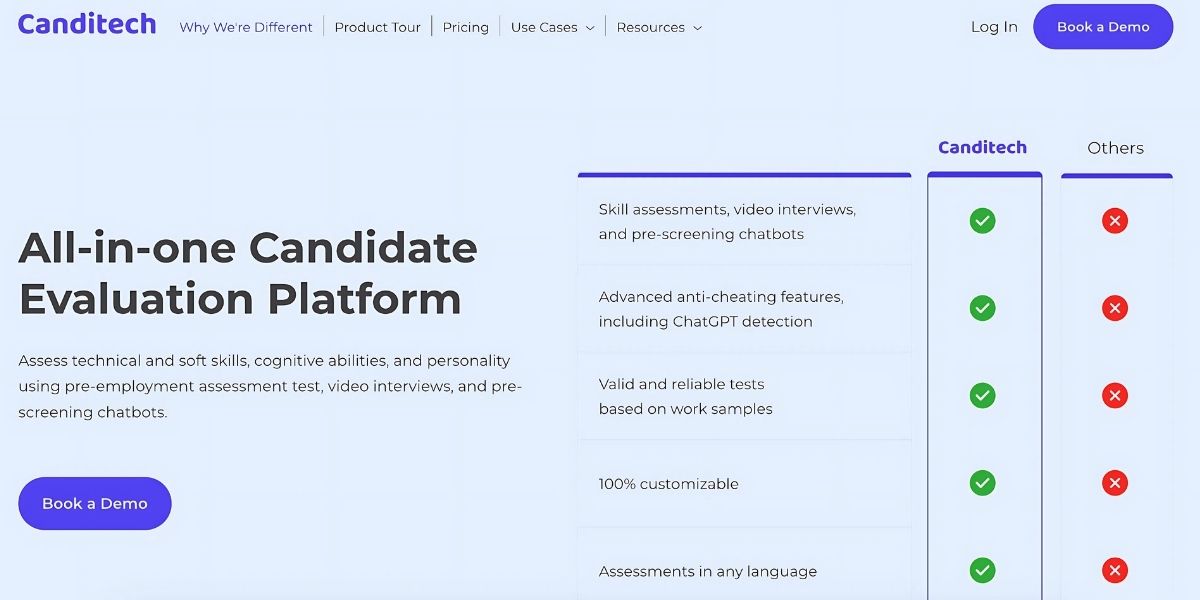
Innovation is the game’s name, especially in the fast-paced world of HR technology. A startup has been rapidly gaining traction and making headlines for its cutting-edge approach to hiring assessments: Canditech. It promises to transform how companies evaluate and recruit talent.

But is Canditech truly the hottest HR tech startup, or is it another fleeting trend? Let’s take a closer look at what sets it apart and why HR professionals are paying attention.

What is Canditech?

Founded with the mission to streamline and improve the hiring process, Canditech focuses on solving one of the biggest challenges for businesses today: finding the right talent efficiently and accurately. At its core, the company provides customizable pre-employment assessments that go beyond traditional testing methods.

Canditech helps companies shorten their hiring cycles, a crucial factor in today’s competitive job market. Traditional hiring processes can take weeks or even months, but Canditech’s streamlined and holistic approach provides actionable insights into candidates’ abilities much faster. The result? Companies can secure great talent before their competitors do.

Why HR Professionals Love Canditech

Hiring managers and recruiters have long struggled with traditional hiring methods’ inefficiencies. Resumes often fail to provide a full picture of a candidate’s capabilities, while generic assessments can fall short of evaluating the specific skills required for a role. Canditech tackles these issues head-on, and HR professionals are noting them.

Unlike standard multiple-choice evaluations, Canditech uses job-specific simulations designed to mimic real-world tasks. These simulations give employers a clearer picture of how candidates perform on the job. For instance, if a company is hiring for a sales position, Canditech can create simulations that mimic client interactions and assess communication and negotiation skills.

For example, with Canditech’s job simulations, you can assess various skills, including how sales reps handle negotiations, pitch products, respond to emails, and demonstrate language proficiency. Companies can use the same platform to evaluate developers’ coding skills or assess finance department applicants’ proficiency with advanced Excel functions. The job simulations are tailored to the specific position. This hands-on approach helps employers focus on practical skills rather than relying solely on resumes or generalized aptitude tests.

Moreover, Canditech’s user-friendly platform is designed to engage and respect candidates throughout the process. By prioritizing candidate experience alongside employer needs, the company has carved out a unique niche in the HR tech market, impressing candidates and employers with its innovative approach.

Is Canditech Disrupting the HR Industry?

Canditech’s innovative approach reflects broader trends shaping the future of work. Skills-based hiring is gaining traction worldwide, where candidates are evaluated on their abilities rather than their credentials. By providing employers with detailed insights into a candidate’s capabilities, Canditech is leading the charge in this shift.

Additionally, the platform’s ability to address biases aligns with growing demands for fair and equitable hiring practices. In many ways, Canditech isn’t just keeping up with industry trends—it’s setting them.

Conclusion: Is Canditech the Hottest HR Tech Startup Right Now?

Canditech has undoubtedly made a compelling case for itself as the “hottest HR tech startup.” Its innovative hiring solutions, commitment to fairness, and rapid growth have earned it a reputation as a disruptor in the industry. As businesses continue to prioritize efficient, data-driven, and inclusive hiring practices, Canditech is poised to become a key player in shaping the future of recruitment.


Published by Kaye A.


Building Strong Leadership in Healthcare Administration: A Guide to Growth and Impact

By: Samantha Larson

Strong leadership plays a crucial role in successful healthcare administration. In a field where patient outcomes, staff well-being, and organizational efficiency can be affected by various factors, effective leadership has the potential to influence progress and prevent stagnation.

Professionals in healthcare face daily challenges, from navigating complex regulations to addressing workforce demands. This journey often involves inspiring teams, fostering innovation, and driving meaningful change. Healthcare administrator, Jordan Richardson of Palm Harbor, explores how understanding what defines impactful leadership, how it grows, and why it matters in healthcare administration can contribute to success in this demanding yet rewarding field.

Defining Leadership in Healthcare

Leadership in healthcare serves as the foundation for effective systems and quality patient care. In this demanding field, leaders must combine technical knowledge with interpersonal skills to guide their teams through challenges. By setting clear priorities and upholding strong principles, healthcare leaders can help create environments that encourage collaboration, innovation, and trust. Understanding what makes leadership effective in this setting begins with identifying core values and the responsibilities that define these roles.

Effective healthcare leaders often share common values that influence their decisions and behaviors. Integrity is at the forefront, as it builds trust among patients, staff, and stakeholders. Leaders who prioritize honesty and transparency tend to maintain credibility, particularly in high-pressure situations.

Empathy is another essential value, as healthcare revolves around addressing human needs. Accountability plays a key role in ensuring that healthcare leaders take ownership of their actions and outcomes. Team building can also play a crucial role. Healthcare organizations benefit when leaders create cohesive teams that work toward shared goals.

Strategy development is another key responsibility. Leaders must design and implement plans that drive organizational growth and improve patient care. Strong leadership helps ensure that strategic planning is not a static process but a responsive, adaptive effort that meets the evolving needs of healthcare systems.

The Path to Leadership in Healthcare Administration

Becoming a leader in healthcare administration demands a blend of education, hands-on experience, and strong connections. While technical knowledge is essential, success is often linked to building a foundation that balances expertise with practical skills. Each step shapes professionals into well-rounded leaders who are better equipped to navigate the complexities of healthcare systems.

Educational qualifications can serve as the first milestone on the journey to leadership in healthcare administration. The majority individuals begin with a bachelor’s degree in fields like health administration, business management, or public health. This foundational education provides a basic understanding of healthcare operations and organizational management.

To move into leadership roles, advanced degrees are frequently required. Many professionals pursue a Master of Healthcare Administration (MHA), a Master of Business Administration (MBA) with a focus on healthcare, or a Master of Public Health (MPH). These programs cover topics such as healthcare policy, financial management, and strategic planning while preparing individuals for decision-making at the executive level. According to the American College of Healthcare Executives, professionals with advanced degrees may have better opportunities for leadership roles.

In addition to degrees, certifications may provide a competitive edge and helps credibility. Popular credentials include the Certified Healthcare Executive (CHE) or Fellow of the American College of Healthcare Executives (FACHE).

While education opens doors, relevant experience plays a critical role in shaping leadership abilities. Healthcare administrators often begin in entry-level roles, such as operations coordinators or department managers, where they gain exposure to the day-to-day challenges of managing facilities, budgets, and teams. These roles help individuals develop practical problem-solving skills and an understanding of organizational workflows.

Working in various settings, such as small clinics, large hospitals, or public health agencies, can offer valuable insights into the diverse aspects of healthcare systems. Experiencing different environments may help future leaders develop a broader perspective, enabling them to adapt to unique challenges when overseeing larger organizations.

Leadership doesn’t happen overnight, and trial and error often contribute to growth. Individuals who take on projects involving departmental improvements or patient care initiatives gain opportunities to handle responsibilities effectively. Solid experience in healthcare administration serves as an important link between academic knowledge and real-world leadership.

Mentorship is a cornerstone of professional growth in healthcare administration. Connecting with experienced leaders allows emerging administrators to learn from their successes and mistakes. A good mentor provides guidance on career decisions, shares industry insights, and offers constructive feedback to sharpen leadership skills.

Networking is equally critical for building meaningful connections. Engaging with peers and industry experts through professional organizations, such as the American College of Healthcare Executives (ACHE), may lead to new opportunities.

Challenges Faced by Healthcare Leaders

Healthcare leaders face a variety of obstacles that demand thoughtful decision-making and strategic planning. Balancing operational needs while ensuring quality care can be challenging. From financial pressures to workforce challenges, leaders must find ways to maintain stability in a constantly shifting environment.

Financial management is a core responsibility for healthcare leaders. They are tasked with budget control while ensuring that patients receive excellent care. Rising operational costs, fluctuating reimbursements, and limited funding often strain resources. Leaders must make careful decisions, prioritizing essentials while finding creative ways to optimize spending.

To manage these pressures, they often assess workflows and spending patterns, trimming inefficiencies where possible. Collaborating with department heads to find cost-saving measures may help ensure tighter financial control without eroding care quality. Pursuing grants or alternative funding sources can sometimes help offset budget gaps.

Through data analysis and financial planning, leaders can identify ways to balance patient outcomes with financial sustainability. In this role, they act as stewards of both fiscal responsibility and healthcare excellence.

Employee turnover and burnout create significant challenges for healthcare systems by causing staff dissatisfaction, fatigue, and costly disruptions in patient care. High stress levels and long hours often contribute to these issues, making proactive retention strategies crucial for healthcare leaders.

Creating a supportive work environment that prioritizes employee well-being is one effective solution. Open communication, recognition programs, and mental health resources can help job satisfaction. Opportunities for growth through training and certifications help employees feel valued and motivated to stay engaged.

Effective leaders prioritize team relationships, fostering support and understanding to boost engagement and reduce turnover. This strengthens workplace culture while ensuring continuity of care.

Evolving healthcare regulations require leaders to stay informed and adaptive. Changes in patient privacy rules, reimbursement models, and care standards may result in legal risks and operational issues if neglected. To address this, leaders monitor regulatory updates, attend training, and communicate changes to their teams to prevent misunderstandings and costly errors.

By fostering a culture of accountability and staying abreast of policy changes, leaders position their organizations for long-term compliance and success. Their ability to adapt quickly helps ensure operations run smoothly, even amid regulatory upheaval.

Leadership in healthcare administration is a journey defined by vision, education, and responsibility. Strong leaders balance operational demands with empathy, integrity, and accountability, shaping systems that prioritize patient care and team well-being. They navigate challenges with clarity while fostering innovation and trust across their organizations.


Disclaimer: The insights presented in this article are for informational purposes only and do not guarantee specific outcomes. Jordan Richardson is affiliated with [organization] and may benefit from this content.


Published by: Liz S.

How to Navigate Home Renovation with 3D Visualization

Renovating one’s home is an exciting journey that offers the potential to transform a space into a personalized masterpiece. However, the process can present challenges, from selecting color schemes and furniture to creating efficient room layouts. Without a clear vision of the final result, the risk of making decisions that may not align with your goals and incur unnecessary costs can be significant. This is where 3D visualization can be especially helpful, serving as a valuable tool that can help avoid costly mistakes before the renovation even begins.

The Renovation Challenge

Starting a renovation project can feel overwhelming. Many homeowners find themselves grappling with questions like: What colors should I choose? Will the furniture fit appropriately? How can I ensure that my design choices work well together? Typically, the process begins with consultations from specialists and gathering inspiration from various sources. While these initial steps are crucial, they often leave room for misinterpretations and unexpected challenges later in the process. The lack of a tangible preview can sometimes lead to decisions that may seem appealing on paper but fall short in reality. This disconnect may result in misaligned expectations and costly adjustments once construction is underway.

What is 3D Visualization?

3D visualization involves creating realistic three-dimensional images of a space or object using specialized computer software. Unlike traditional blueprints or mood boards, 3D renderings or 3D animations provide an immersive view of your future interior. They allow you to examine every detail—from furniture arrangement and the texture of textiles to the interaction of lighting and decor elements. With this level of detail, you gain a clearer understanding of how various components will work together, reducing guesswork and enabling more confident design decisions long before any physical work begins.

Avoiding Common Renovation Pitfalls

By integrating 3D visualization into your renovation planning, you may be able to avoid several common pitfalls that can lead to disappointment or waste. This tool allows you to experiment with different design elements and see how they interact in a simulated environment, helping refine your choices and ensuring a harmonious outcome.

  • Mismatched Colors and Materials: One of the more frequent challenges is selecting colors and materials that clash in the final space. With 3D renderings, you can experiment with different combinations and observe how they interact in a virtual setting. This preemptive approach enables you to refine your choices, which may help ensure that all elements work well together. Instead of relying solely on samples, which can sometimes look different under varied lighting conditions, a 3D model can provide a more accurate preview of your space.
  • Improper Furniture Sizing and Placement: Another common mistake involves misjudging the size and placement of furniture. Even well-intentioned purchases may not fit properly within the spatial dynamics of your home. Detailed architectural renderings can help visualize how each piece will occupy the space, offering insights into whether the proportions are right or if adjustments are needed. This thoughtful planning can prevent you from purchasing furniture that either overwhelms the room or feels out of place in its surroundings.
  • Budget Overruns: Renovations often end up exceeding their budget. Impulsive design decisions or last-minute changes can quickly inflate costs. With 3D visualization, you may be able to see the complete picture early on, giving you more control over the process. This insight can empower you to make informed choices and stay within budget by selecting options that align with both your aesthetic preferences and financial constraints.
  • Final-Stage Disappointments: The flexibility offered by 3D design can be one of its greatest strengths. As you progress through your project, you can make adjustments to the design in real-time, potentially reducing the risk of encountering surprises at the final stage. This dynamic process may minimize the likelihood of seeing a finished product that doesn’t meet your original vision.
How to Navigate Home Renovation with 3D Visualization

Photo Courtesy: Voxel Worlds

Streamlining the Renovation Process

Using 3D visualization not only helps avoid mistakes but can also provide greater control throughout the renovation process. When designers create detailed 3D models, it becomes easier to communicate your vision to contractors and craftsmen. Instead of relying on traditional architectural plans, the construction team can refer directly to the visual model, which can help clarify the design intent. This clearer communication may reduce the risk of misunderstandings and errors during execution, which could result in a more accurate and efficient build.

Additionally, 3D visualization allows you to explore various design styles, lighting options, and color schemes. The ability to model different interior designs means you can evaluate multiple options side by side and select the one that aligns with your preferences and lifestyle. It becomes a collaborative tool that can align the goals of homeowners, designers, and builders, potentially facilitating a smoother, more streamlined renovation process.

The Pathway to an Ideal Home

3D visualization is more than just an impressive display—it can be an essential tool for anyone embarking on a renovation. It acts as a personalized guide, helping you navigate the renovation journey from the initial concept to the finished project. By offering a clear and detailed preview of your space, it can potentially save time, reduce costs, and alleviate some of the stress often associated with home renovations.

Published by Anne C.

Geolocation in Modern Web Apps by Jeremy Millul

Geolocation has transformed how web applications interact with users, making experiences more relevant and personalized. By determining a user’s location, applications can provide tailored content, enhance functionality, and improve convenience. Whether finding nearby stores, tracking delivery drivers, or offering real-time weather updates, geolocation is critical in modern digital interactions. 

Junior Software Developer Jeremy Millul discusses how understanding its potential for businesses and developers opens the door to building more innovative, more engaging applications that precisely meet user needs.

Understanding Geolocation

Geolocation is a key technology in modern web applications, enabling services to deliver personalized and location-specific experiences. It allows apps to know where users are located and respond accordingly. Geolocation refers to identifying the geographic location of a device connected to the internet. 

This process determines a user’s precise or approximate position, measured in latitude and longitude. The technology underpins many app features, including map navigation, tracking, and location-based recommendations. Whether derived from a smartphone, laptop, or wearable device, geolocation bridges physical places and virtual interactions.

“Geolocation works by analyzing data points that help pinpoint a device’s location,” says Jeremy Millul. “This data varies based on the technologies involved, but it often includes signals from satellites, wireless networks, and internet connections.” 

Once the device’s position is determined, it is returned to an application for further use. The process relies on several factors: signal strength, speed, and proximity to known reference points. While GPS provides high precision, other technologies might trade accuracy for ease of use or broader compatibility across devices. Regardless of the method, geolocation systems deliver meaningful location data by interpreting digital signals linked to physical geography.

Devices gather location data to enable geolocation features in several ways. The three common methods include GPS (Global Positioning System), IP address tracking, and Wi-Fi positioning. GPS (Global Positioning System) is the well-known and accurate method. It uses a network of satellites orbiting the Earth to calculate a device’s latitude and longitude. GPS works outdoors, receiving clear signals from multiple satellites. This method is widely used in navigation apps and location-tracking systems.

IP address tracking estimates a device’s location based on its assigned internet protocol (IP) address. This method can determine a region or city-level location by mapping the IP address to a physical area. While not as precise as GPS, it works well for applications requiring approximate location data, such as local content delivery. Wi-Fi positioning relies on nearby Wi-Fi networks to estimate location. Devices detect Wi-Fi signals, compare them with a database of known networks, and calculate their position. 

Each method contributes uniquely to geolocation capabilities, making it possible to offer diverse services based on user needs and environmental conditions. Combining these techniques ensures both flexibility and reliable performance across devices and applications.

Benefits of Geolocation in Web Applications

Geolocation provides immense benefits to modern web applications by enhancing user engagement and creating more functional tools. It powers various features central to how users interact with platforms today. By utilizing location data effectively, developers can build services that feel intuitive and responsive to individual needs.

Geolocation allows web applications to customize experiences based on users’ locations, creating a more relevant and engaging environment. Streaming services use the same concept to present local content libraries, ensuring users see only what is accessible in their region.

Notes Millul, “When users see tailored options, they are more likely to engage with the app and complete desired actions”.

Applications can adjust language preferences, display cultural content, or suggest region-specific promotions. The result? A service that feels seamless and built around the user. For businesses, this translates to higher satisfaction and retention rates.

Businesses thrive on visibility; geolocation makes this possible through targeted local search results. Geolocation helps web applications produce accurate results by considering the user’s coordinates, ensuring nearby options appear first. This functionality supports brick-and-mortar businesses competing for nearby customers.

Local search optimization benefits both users and companies. Users save time by locating the closest services or stores without exhausting effort. For businesses, increased exposure in localized searches often leads to higher foot traffic and sales. Applications that harness this potential provide essential value to their users while supporting economic growth in their respective locations.

Geolocation is the backbone of modern navigation and mapping tools. It enables users to find the fastest routes, avoid traffic, and even track their movement in real-time. This feature is indispensable for ride-hailing services. Users can follow the driver’s approach, while drivers rely on precise mapping to locate passengers.

Navigation features help track logistics. Whether monitoring a delivery truck or guiding hikers on unfamiliar trails, geolocation ensures efficient and reliable travel guidance. By offering accurate position data, applications make navigation intuitive and stress-free, improving user trust and convenience.

Looking Forward in Implementing Geolocation

The future of geolocation lies in its ability to power innovative applications across industries. In healthcare, location data offers significant potential by improving emergency responses and tracking the spread of diseases. Ambulance services can determine optimal routes to reduce response times, while geolocation aids public health by identifying hotspots during outbreaks. Such applications demonstrate the value of geolocation in saving lives and improving efficiency.

In retail, geolocation is poised to redefine shopper experiences. Stores can send personalized offers to customers as they walk past, increasing engagement and sales. Smart shelves and location-aware apps can guide shoppers to products within stores. These advancements blur the line between physical and digital shopping, delivering convenience and personalization.

Transportation and logistics will also see a transformation. Autonomous vehicles depend on precise geolocation to navigate complex environments. Logistics companies optimize routes using advanced location data, cutting costs and improving delivery times. For smart cities, geolocation enables efficient public transport systems and better traffic management. It empowers planners to develop cities that adapt to their residents’ needs.

AR technology will play a larger role in entertainment. Games and applications use geolocation to create immersive experiences tied to specific locations. By combining AR with real-world context, apps provide tailored experiences that connect users to their surroundings. These innovations demonstrate how geolocation remains at the heart of creative industries.

Every technological step forward expands the ways in which geolocation can enhance the user experience. Whether applied to healthcare, retail, transportation, or entertainment, the possibilities continue to grow. Geolocation will remain a foundational element of web applications, enabling smarter, faster, and more personalized services.

Geolocation has become a cornerstone of modern web applications, enabling personalized experiences, local optimization, and real-time convenience. By integrating geolocation technology, businesses and developers can create platforms that feel intuitive and highly tailored to users’ needs.

While challenges like privacy and accuracy require attention, the future of geolocation looks optimistic with advancements in 5G, AI, and satellite systems. These innovations will expand its potential across industries, from healthcare to entertainment. As Geolocation technology evolves, its ability to connect physical and digital experiences will grow stronger.

Published by Anne C.

Shyan Selah Teams Up with Method Man & Redman for the Explosive “The Zoo”

On January 17, 2025, the hip-hop world witnessed an electrifying moment as Shyan Selah released his explosive new single, “The Zoo.” Featuring legendary rap icons Method Man, Redman, and Shyheim, this track is a masterclass in collaboration, raw energy, and lyrical intensity. Released under The Brave New World Record Company, The Zoo showcases Shyan Selah’s distinctive style, blending fresh creativity with the classic essence of hip-hop.

A Collaboration of Heavyweights

“The Zoo” brings together an all-star lineup of hip-hop heavyweights, each bringing their signature style and lyrical prowess. Shyan Selah, known for his charismatic delivery and genre-blending artistry, takes center stage with his powerhouse performance. His commanding hook sets the tone for a thought-provoking and adrenaline-fueled anthem.

Method Man’s smooth yet gritty flow adds depth to the track, delivering his signature bars with precision and confidence. Ever the unpredictable and dynamic force, Redman injects his high-energy presence into the mix, making “The Zoo” never let up in intensity. Shyheim, often heralded as the “Rugged Child,” brings his streetwise authenticity, further enhancing the song’s raw and unapologetic vibe.

A Bold and Electrifying Production

Produced by Anno Domini Beats, “The Zoo” pulsates with a beat that mirrors the track’s untamed energy. The production is a fusion of hard-hitting percussion, electrifying instrumentals, and an ominous backdrop that ideally encapsulates the themes of survival, resilience, and the unyielding spirit needed to thrive in the chaotic world—the “zoo” of life.

The synergy between the beat and the artists’ performances creates a sonic experience that feels larger than life. With each verse, the track builds momentum, keeping listeners engaged from start to finish.

Shyan Selah Teams Up with Method Man & Redman for the Explosive "The Zoo"

Photo Courtesy: Shyan Selah ft. Method Man, Redman & Shyheim

A Statement for the Culture

Beyond being just another hip-hop track, “The Zoo” is a powerful statement about the genre’s evolution and the timeless impact of its pioneers. Shyan Selah’s vision through The Brave New World Record Company is one of innovation, authenticity, and artistic excellence. By bringing together such an iconic group of artists, he honors hip-hop’s golden era and pushes it forward for new generations.

For classic and contemporary hip-hop fans, “The Zoo” will be an anthem that resonates for years to come. Its fusion of legendary talent, masterful production, and hard-hitting themes makes it a must-listen track that will have audiences hitting repeat.

Stream “The Zoo” Now

Available on all major streaming platforms, “The Zoo” invites listeners to immerse themselves in its wild, untamed energy. Experience this groundbreaking collaboration and witness history in the making. Join the movement and experience the energy of The Zoo! With its hard-hitting beats, powerful lyricism, and an all-star lineup, this track is a must-listen for any true hip-hop fan. Don’t miss out—stream The Zoo now on all major platforms and feel the raw intensity that Shyan Selah, Method Man, Redman, and Shyheim bring to the game. Hit play, share with your friends, and let the world know that real hip-hop is alive and thriving!

Listen to “The Zoo” on Spotify

Follow Shyan Selah on Social Media:

  • YouTube Music: @ShyanSelahMusic
  • Facebook: ShyanSelahMusic
  • Instagram: ShyanSelah
  • X (formerly Twitter): @shyanthebrave1

 Published by Stephanie M.

Sir Gregory Von Gotham Unleashes a NYC Anthem with ‘Bing Bong’

In the ever-evolving landscape of hip-hop, few artists manage to carve out a sound that is as distinct and captivating as Sir Gregory Von Gotham. With his latest single, Bing Bong, the rapper and producer cements himself as a force to be reckoned with, effortlessly blending razor-sharp lyricism, intricate production, and a uniquely dark sense of humor.

A Voice Like No Other

Sir Gregory’s vocal delivery is a defining feature of Bing Bong, showcasing a dynamic range that keeps listeners engaged. He moves seamlessly between a gritty, textured drawl and an energetic, fast-paced flow, bringing a distinct rhythm to every verse. His performance carries a sense of urgency and authenticity, capturing the intensity and spirit of New York City’s vibrant music scene. He conveys emotion and narrative through his voice, adding depth to the track beyond just the lyrics.

A Captivating NYC Soundscape

From the first beat, Bing Bong transports listeners into the heart of the city that never sleeps. Sampling the iconic MTA door chime and intercom announcement, Sir Gregory creates a sonic experience that mirrors the fast-paced, high-stakes hustle of NYC life. The track’s production is as layered as the city itself—grimy yet polished, aggressive yet refined, a juxtaposition that ideally encapsulates urban survival’s essence.

Hustling Through the Concrete Jungle

Lyrically, Bing Bong weaves vivid anecdotes of street life, personal ambition, and the city’s challenges. Sir Gregory delivers verses that paint a picture of perseverance and everyday experiences, bringing a sense of movement and energy to the track. His ability to paint vivid pictures with his words—delivering gritty realism with a side of sharp humor—sets him apart from the crowd. The track’s verses are packed with clever wordplay, double entendres, and cultural references, making it entertaining and thought-provoking.

A Track That Balances Fun and Depth

What makes Bing Bong truly special is its ability to balance multiple moods effortlessly. It’s a track that hits hard, making you want to nod your head and rewind to catch every slick line, but it’s also layered with deeper meaning. The seemingly paradoxical elements—grimy yet polished, fun yet heavy, entertaining but artistically ambitious—define Sir Gregory’s style.

Sir Gregory Von Gotham Unleashes a NYC Anthem with 'Bing Bong'

Photo Courtesy: Sir Gregory Von Gotham

The Future of Sir Gregory Von Gotham

With Bing Bong, Sir Gregory Von Gotham proves he is not just another artist trying to make waves—he’s a visionary creating his own lane. His keen attention to detail, ability to craft immersive atmospheres, and sheer lyrical prowess make him an artist to watch. If this track indicates what’s to come, fans have plenty to be excited about.

Dive into the energy of Bing Bong by Sir Gregory Von Gotham, a track that captures the rhythm and pulse of New York City. With vivid lyricism, a captivating beat, and the familiar sound of the MTA chime woven in, it brings a unique atmosphere to the listener. Whether you appreciate sharp wordplay, street-inspired narratives, or creative production, this track offers plenty. Check it out and experience the sound for yourself.

Listen Now:

Spotify: Bing Bong

Follow Sir Gregory Von Gotham:

Instagram: @sirgregoryvongotham
YouTube: Sir Gregory Von Gotham
Facebook: Sir Gregory Von Gotham
Twitter (X): @sirgvongotham

Published by Stephanie M.

From SEO to Senior Executive: Jeff Ryals’ Journey at Reputation Management

In today’s digital landscape, SEO and reputation management have become indispensable tools for professionals and businesses alike. As noted by Senior Executive Jeff Ryals, these not only enhance online visibility but also shape how individuals and brands are perceived in competitive markets. From building trust with audiences to achieving career growth and organizational success, the skills honed in these domains often serve as stepping stones to more expansive prospects.

The Role of SEO in Building Online Reputations

Search engine optimization plays a crucial role in enhancing visibility and credibility in today’s digital-first world. By ensuring that relevant content appears prominently in search results, SEO helps individuals and businesses establish trust with their audiences. This helps enhance their online presence and influence how they are perceived in competitive markets.


An optimized online reputation is vital for career and business growth. When a person or brand consistently ranks high in search results for positive content, it creates a lasting impact on stakeholders. Whether it’s a professional showcasing their expertise or a company promoting its services, SEO lays the foundation for success. Additionally, a strong online reputation can open doors to networking opportunities and partnerships, amplifying the reach and influence.

From SEO Skills to Broader Career Applications

Mastering SEO equips professionals with highly transferable skills that go beyond optimizing websites. The ability to analyze data, strategize effectively, and craft compelling content translates seamlessly into solving larger business challenges. These often act as bridges between technical expertise and strategic decision-making, making SEO practitioners valuable assets in various industries.


Consider how SEO requires balancing creativity with analytics—two qualities that are indispensable in leadership roles. Tasks like interpreting user behavior or refining keyword strategies foster a mindset of problem-solving and adaptability. Such skills naturally extend to managing diverse teams, driving campaigns, or identifying growth opportunities in dynamic environments. Professionals often find that their SEO experience prepares them to approach challenges with a blend of precision and innovation.


Organizations increasingly value professionals who can connect technical know-how with a broader vision. SEO specialists often find themselves uniquely positioned to influence key decisions, leveraging their insights to improve customer engagement or refine a company’s plan.

Transitioning from SEO to Reputation Management

The transition from SEO to reputation management is a natural evolution, as both disciplines share a common goal: influencing how audiences perceive a brand or individual online. SEO principles like keyword research, analytics, and content strategy are indispensable in crafting and controlling online narratives. These tools are designed to help positive stories gain traction while reducing the visibility of unfavorable content.


Managing reputations requires a proactive approach. By monitoring search trends and audience sentiment, professionals can anticipate potential issues and address them before they escalate. A well-executed strategy might involve publishing authoritative content, securing media mentions, or engaging with audiences to foster trust. Such efforts strengthen credibility and ensure a favorable digital footprint. Proactive reputation management also helps mitigate long-term risks, creating a foundation for ongoing success.


In today’s interconnected world, reputation management goes beyond damage control. It’s about building a resilient online presence that withstands scrutiny while reflecting core values and goals. Professionals who master this blend of technical precision and strategic foresight often find themselves at the forefront of their industries, crafting narratives that resonate deeply with audiences and stakeholders alike.

Bridging Technical Expertise and Leadership

SEO and reputation management are not just technical pursuits; they are also key training grounds for leadership development. The ability to lead projects, adapt strategies, and make data-driven decisions often emerges naturally from managing online visibility and brand narratives. Professionals in this space learn to think critically, prioritize tasks, and guide teams toward achieving measurable outcomes, qualities that are essential for effective leadership.


One of the noteworthy ways SEO fosters leadership is by teaching resilience and adaptability. When search algorithms change or crises arise, professionals must pivot quickly and recalibrate their strategies. This ability to remain calm under pressure and chart a new course mirrors the demands faced by leaders in high-stakes roles.

Insights for Aspiring Professionals

Adaptation is the cornerstone of success for those aiming to thrive in SEO and reputation management. The digital space evolves rapidly, making it essential to stay updated on industry trends, algorithm changes, and emerging technologies. Those who embrace this mindset not only remain relevant but often gain a competitive edge in their careers.


Aspiring professionals should view challenges as opportunities to grow. Whether it’s addressing a difficult reputation issue or navigating a complex SEO campaign, such moments build resilience and sharpen problem-solving skills. Over time, these experiences contribute to personal and professional development, laying the groundwork for long-term success. Tackling these challenges head-on fosters a sense of confidence that becomes priceless as professionals take on greater responsibilities.


Thinking beyond technical skills is also key. While mastery of SEO tools is important, the ability to connect with audiences, communicate effectively, and drive meaningful engagement sets standout professionals apart.

Published by Stephanie M.

Aisles Unveils Groundbreaking AI-Powered Wilderness Fire Detector: HABITAT

In response to the devastating wildfires that ravaged California and other parts of the world, Aisles, a leader in artificial intelligence innovation, has unveiled HABITAT (Hazard Animal Biometric Intelligent Tracking Alert Technology). This revolutionary solar-powered hardware is designed to function as a smoke detector for the wilderness, offering a proactive approach to detecting and combating fires before they spiral out of control.

A Commitment to Safety and Sustainability

Aisles, known for its innovative AI ecosystem, has dedicated resources to address one of the most pressing environmental challenges of our time—wildfires. HABITAT represents a significant step forward in environmental technology, emphasizing both sustainability and life-saving capabilities. This state-of-the-art device is powered by solar energy, ensuring uninterrupted operation in even the most remote areas. Rangers and firefighters can deploy the device in key locations, where it will continuously monitor smoke levels, temperature fluctuations, and environmental conditions.

The device is equipped with advanced AI algorithms capable of detecting anomalies in real time. HABITAT not only alerts rangers to potential fire risks but also offers continuous updates, allowing authorities to act swiftly and prevent small hazards from escalating into full-scale wildfires.

Transparency with Purpose

While Aisles has not disclosed all the features of HABITAT due to proprietary considerations, the company has emphasized that the primary goal is to prioritize public safety and environmental preservation. CEO Ignacio Rosales stated, “HABITAT is more than a product; it is a promise to communities and ecosystems affected by wildfires. Our mission is to leverage AI and technology to protect lives, property, and nature. We want to be part of the solution, standing alongside first responders and environmentalists.”

Collaboration with Local Agencies

Aisles is not stopping at innovation; the company is committed to collaboration. The organization has expressed its willingness to work hand-in-hand with local fire departments, forest rangers, and wildlife management teams to deploy HABITAT in areas prone to wildfires. By integrating HABITAT with existing emergency response protocols, Aisles aims to enhance coordination and provide real-time data to those on the front lines.

Moreover, the company has announced plans to file for a patent for HABITAT, ensuring the integrity and future development of this critical technology.

Addressing the Bigger Picture

Wildfires destroy millions of acres of land every year, displacing families, destroying homes, and devastating ecosystems. Aisles recognizes the need for innovative solutions that go beyond traditional firefighting methods. HABITAT represents not only a technological breakthrough but also a message of hope. By focusing on preemptive detection, Aisles is helping to shift the narrative from reactive firefighting to proactive prevention.

Aisles: Going Above and Beyond

The company’s commitment to serving the public is evident in its determination to make a difference in communities affected by wildfires. By investing in groundbreaking solutions like HABITAT, Aisles is setting a precedent for how technology can be used to address environmental challenges while safeguarding lives and livelihoods.

“We’ve seen the impact of wildfires firsthand—on people, animals, and the environment,” said Rosales. “HABITAT is just the beginning. Aisles is dedicated to continuing its work on life-saving technologies, ensuring a safer future for everyone.”

Looking Ahead

As Aisles prepares to roll out HABITAT, the company is calling on policymakers, local governments, and environmental organizations to support its efforts. With the potential to save countless lives and protect vast natural landscapes, HABITAT is a reminder of the power of technology to create a better, safer world.

By placing people and the planet at the forefront of its mission, Aisles is proving that innovation and compassion can coexist—and that technology, when used responsibly, can be a force for good.

Published by Steven S.

Supporting At-Risk Youth: Effective Strategies in High Schools

By: Grace Butler

Every student deserves a fair chance to succeed, but some face unique challenges that put them at greater risk of falling behind. High school can be a critical time for at-risk youth, who may struggle due to factors like poverty, unstable home environments, or learning disabilities.

Despite these challenges, schools have the power to make a profound difference. By creating a supportive environment and implementing targeted strategies, you can help at-risk students feel empowered to overcome obstacles and thrive.  

Read on to explore the effective ways to help these students reach their potential. 

Build Strong Relationships With Students 

Creating meaningful connections with students can make a significant difference in their lives. When teachers and staff show genuine interest in students’ well-being, it fosters trust and a sense of belonging. Knowing that someone cares about them can be a turning point for vulnerable youth.

Start by being approachable and actively listening. Encourage open communication and let students know they can share their thoughts without judgment. You should also celebrate their achievements, no matter how small, to build their confidence. Establishing these relationships helps students feel seen and valued, which can motivate them to engage more in their education. 

Photo: Unsplash.com

Provide Tailored Academic Support 

At-risk students often need extra help to stay on track academically. Offering personalized learning plans and additional resources can bridge the gap. Schools like The Rose Academies specialize in helping students recover credits and develop essential skills for graduating, transitioning to higher education, and exploring career opportunities. You may visit https://www.go2rose.com/ to learn more about their programs that honor education.

Schools should also use data to identify struggling students early. Regular progress monitoring and flexible teaching methods can help address individual needs. For example, incorporating hands-on activities or technology-based learning tools can make lessons more engaging and accessible. When you adapt to their learning styles, you give them the tools they need to succeed. 

Offer Social-Emotional Learning Programs 

Social-emotional learning (SEL) equips students with the skills to manage their emotions, build relationships, and make responsible decisions. For at-risk youth, SEL programs can be particularly beneficial in developing resilience and coping mechanisms.

Introduce activities that teach empathy, self-awareness, and conflict resolution. Role-playing exercises and group discussions can help students practice these skills in real-life scenarios. Schools might also consider hiring counselors or social workers who specialize in working with at-risk populations. These professionals can provide one-on-one guidance to address specific challenges students face. 

Create Safe and Inclusive Environments 

A safe school environment is essential for all students, but it’s especially important for those high-risk youth. Bullying, discrimination, mental health problems, or feeling unwelcome can severely impact a student’s ability to focus on their education.

Implement strict anti-bullying policies and train staff to handle sensitive situations effectively. Encourage a culture of inclusivity by celebrating diversity and promoting respect among students. Extracurricular activities, like cultural clubs or community service projects, can also help foster a sense of unity and belonging. 

Engage Families and Communities 

The support system outside of school plays a crucial role in a student’s success. Schools should work to engage families and local communities to support at-risk youth.

Host regular parent-teacher meetings and workshops that equip families with tools to help their children. Collaborate with community organizations to provide additional resources like mentorship programs, mental health services, or financial assistance.  

Encourage Extracurricular Participation 

Extracurricular activities give students a sense of purpose and belonging. Whether joining a sports team, participating in theater, or contributing to the school newspaper, these activities provide opportunities to develop new skills and form positive relationships. 

At-risk students may need encouragement to get involved. Offer a variety of activities to cater to different interests and reduce barriers like participation fees or transportation issues. Engaging in something they’re passionate about boosts their self-esteem and strengthens their connection to the school community. 

Provide Career and College Readiness Programs 

For many troubled youth, the future can seem uncertain. Career and College readiness program can help them envision and work toward a brighter future. Offer workshops on resume building, interview preparation, and financial literacy.

Partner with local businesses to provide internships or job-shadowing opportunities. Schools should also guide students through college applications and connect them with scholarships or financial aid resources.  

Address Basic Needs 

It’s hard for students to succeed when their basic needs aren’t met. Issues like hunger, inadequate clothing, or lack of transportation can become significant barriers to learning.

Schools can help by establishing food pantries, clothing drives, or transportation assistance programs. Partner with local charities to expand these efforts. Addressing these fundamental needs can help remove obstacles that could prevent students from reaching their full potential. 

Offer Trauma-Informed Practices 

Many at-risk youth have experienced trauma from family instability, substance abuse problems, and other situations that can affect their behavior and ability to learn. Adopting trauma-informed practices ensures schools respond to these challenges with empathy and understanding.

Train staff to recognize signs of trauma and provide appropriate support. Create a calm and predictable classroom environment to help students feel secure. Offering mindfulness exercises or access to counseling can also help students healthily process their experiences.  

Key Takeaway 

Supporting at-risk youth in high schools requires a multifaceted approach. By building strong relationships, providing tailored support, and fostering safe and inclusive environments, schools can empower these students to overcome challenges and achieve their potential. When you take proactive steps and engage the wider community, you’re not just helping individuals but creating a brighter future for everyone. 


Disclaimer: The strategies and recommendations provided in this article are for informational purposes only and should not be considered a substitute for professional advice. Schools and educators are encouraged to consult with specialists in education, social work, and psychology to address the unique needs of at-risk students effectively. The article highlights general approaches that may vary in applicability depending on the specific circumstances of a school or student population. Collaboration with trained professionals and adherence to local regulations and policies is essential for implementing effective programs.

Published by Drake M.