How Pooya Nabei Brings A Touch of Magic To Hallmark Channel Movie Posters

By Tom White

The Hallmark Channel, a TV channel renowned for its heartwarming and often romantic movies, has cultivated a distinct visual identity. It is somewhat familiar, warm, wholesome, and always nostalgic.

A crucial element in this identity, often overlooked, is the artistry behind the movie posters. These aren’t just simple advertisements; they’re miniature cinematic experiences, setting the stage for the emotional journey awaiting viewers. A significant contributor to this aesthetic magic is Pooya Nabei, A skilled photographer whose work enhances the posters with a visually engaging quality that draws viewers in and piques their interest in the movie.

Nabei’s philosophy isn’t merely about aesthetics but evoking emotion. He understands that a poster isn’t just a picture; it’s a promise, a glimpse into the story that unfolds on the screen. His approach is deeply rooted in understanding the nuances of the narrative, the characters, and the intended audience. 

His photos go beyond representation, offering a visual interpretation that captures the essence of the movie. This understanding extends beyond the obvious; it encompasses the subtle details hinting at the movie’s tone, romantic undertones, or its potential for heartwarming moments. He is known for winning awards for his photography. Nabei recently won a prize from Communication Arts, a shoot he shot for ALEPH magazine’s fashion editorial Wrapped. He has also shot notable stars like Lady Gaga and Swedish House Mafia.

When a few colleagues recommended him, he started working with the Hallmark Channel in 2018. Ever since, he has worked with the company, producing high-quality posters. The process is simple, according to Nabei. “I receive a concept booklet and lighting references, and I work with the assistants to set up a studio at their location and create the concepts with the talents,” he said.

The Hallmark Channel has made waves with their modern take on Sense and Sensibility, a film based on the Jane Austen novel but with black actors. “I loved being on that set,” recalls Nabei, “their costume and storyline for the film made it an exciting change to shoot.” 

Another film, Hanukkah on Rye, looks into Jewish traditions through the eyes of a love story. “This one was memorable because I think we shot it outside of Vancouver, and traveling for work after COVID was always a treat,” he said. 

But Nabei’s most memorable shoot for the Hallmark Channel was shooting Patti Labelle’s film, A Family Christmas Gift. “She ended up singing while I was photographing her, which was very special,” said Nabei.

Examining specific examples of Nabei’s work provides a deeper understanding of his techniques. For instance, consider a poster showcasing a heartwarming family drama. The poster might feature a close-knit family gathered around a table, bathed in warm, golden light. The interplay of light and shadow, the expressions on the characters’ faces, and the subtle details in the background all contribute to a sense of warmth and belonging. Such meticulous attention to detail, combined with a deep understanding of the story, is characteristic of Nabei’s work.

Nabei’s photographic work enhances Hallmark Channel movie posters with thoughtful use of visual elements to convey emotions and narratives, offering inspiration for photographers across various media, including film posters, book covers, and marketing materials. Notable movie publications like IMDB, ScreenRant, Yahoo, Digital Journal, and more have published his work for the Hallmark Channel.

Pooya Nabei’s work exemplifies the power of visual storytelling. He consistently elevates Hallmark Channel movie posters from advertisements into captivating mini-cinematic experiences.

By thoughtfully interpreting the narrative, Nabei creates photos that visually connect with viewers, inviting them to engage with the emotional journeys in the films. His work demonstrates how photography can communicate emotions and generate interest, contributing meaningfully to the Hallmark Channel’s distinctive cinematic style.

The Hallmark Channel may seem PG to many, but exciting things are happening on this TV channel, and Nabei is one of them. This very channel is taking more risks than it used to. 

“There have been many changes to the Hallmark Channel, and it makes photographing posters for their channel more exciting with welcoming challenges,” said Nabei. “I have a very good relationship with the production team; they are so lovely, and I’m very proud of working with them.”


Published by Joseph T.


How to Find a Reliable Emergency Dentist Near You

Good health is usually a sign of a prosperous life; if you think about it, you cannot live your life to the fullest if you’re always getting sick. Therefore, investing in proper healthcare is often a priority. When considering your health, you might focus on things like cholesterol levels, sugar intake, blood pressure, and so on. However, one part of our bodies that is often overlooked is our oral health. Many people tend to take their oral health for granted, often due to fear of visiting the dentist or the belief that it’s not necessary. But neglecting this essential aspect of our health can lead to complications, especially when emergencies arise.

Dental emergencies can disrupt our daily activities. Additionally, delaying treatment can sometimes lead to more serious conditions that could affect other parts of the body, potentially resulting in higher treatment costs. Getting treatment promptly is therefore important. But how can you ensure you’re in the right hands? Dental care can be expensive, especially if you don’t have comprehensive dental coverage. Fortunately, there are emergency dentists in Carlton North to help you with urgent dental concerns. However, before seeking care, let’s explore the essential factors to consider when choosing an emergency dentist.

Research Options: One of the first steps you should take before seeking any dental services is to conduct some research online. Patient reviews can be a useful source of information, though keep in mind that experiences can vary. It’s also helpful to check the range of services offered and confirm whether the clinic is available at all hours. Many reputable dentists have their own websites, where you can find important details like their qualifications, licenses, and certifications. If you’re still unsure, you can always call their customer service for more information.

Availability and Compassion: Emergencies can occur at any time, often at the most inconvenient moments. Not all dental clinics will be available, and even those that are open might not be able to accommodate your specific needs. A key indicator of a reliable dentist is their availability when you need them. You can confirm this through their website or by asking for recommendations from other healthcare providers. While some clinics advertise 24/7 service, it’s important to keep in mind that availability may vary, so it’s a good idea to confirm beforehand. Another important factor is the dentist’s approach to care. Emergencies can be stressful, especially for individuals who are prone to panic. A dentist who communicates effectively and shows empathy can help ease the pressure, ensuring you’re in good hands during a stressful time.

Extensive Care: As mentioned earlier, not all dentists may have the equipment or expertise to handle all types of emergencies. It’s generally a good idea to seek out clinics with a solid reputation for offering comprehensive care, backed by accessible equipment and professional training. This is particularly important because, after receiving initial treatment, you may need follow-up care to address any long-term dental issues. To verify a dentist’s qualifications, you can check their professional profile, including their experience, licenses, and reputation in the industry. Reviews from past patients can also provide useful insight.

Cost-Efficiency: Dental emergencies can already be stressful, and adding financial concerns to the mix can make the situation even more difficult. It’s wise to look for clinics that offer insurance coverage or flexible payment plans, as paying out of pocket may not always be feasible, especially in urgent situations. While dental treatments can be costly, clinics that offer a compassionate approach to financial matters and work with you on payment options can make a significant difference. This is an important consideration when seeking care, as it can help reduce the stress of managing both the financial and physical aspects of your emergency.

Summary

Having a reliable dentist can bring peace of mind, particularly in emergency situations. While these circumstances can be tense, knowing you’re in capable hands can help alleviate some of the stress. Remember, dentists are not just there to care for your teeth and gums; they can also identify other health issues early on, such as identifying sleep apnea, which could benefit your overall health in the long run.

Disclaimer: This content is for informational purposes only and is not intended as financial advice, nor does it replace professional financial advice, investment advice, or any other type of advice. You should seek the advice of a qualified financial advisor or other professional before making any financial decisions.


Published by Nicholas A.

Elevating Healthcare Accessibility through Health IT: Bridging Gaps in Multilingual America

Healthcare accessibility has long been a significant challenge in the United States, especially for multilingual populations. In a country with over 350 languages spoken at home, language barriers often contribute to disparities in healthcare delivery. However, the rise of Health Information Technology (Health IT) has the potential to help address these challenges, making strides toward more inclusive, equitable, and accessible healthcare for diverse communities.

Through innovations like Electronic Health Records (EHRs), telehealth platforms, and multilingual patient engagement tools, Health IT is working to bridge the gaps and may help ensure that no one is left behind.

The Impact of Language Barriers in Healthcare

Language is a key factor in effective healthcare delivery. Patients with limited English proficiency (LEP) may face challenges in understanding medical diagnoses, treatment plans, and prescriptions. This can lead to poor health outcomes, increased hospital readmissions, and heightened healthcare costs.

For instance, an LEP patient may misunderstand medication instructions due to inadequate translation services, potentially resulting in adverse health events. These scenarios are a concern in communities where healthcare providers are not fully equipped with the tools to communicate effectively across language barriers.

Research suggests that language barriers can also discourage LEP individuals from seeking preventive care, further widening healthcare disparities. Recognizing these challenges, Health IT solutions are being designed to help eliminate communication gaps and promote inclusivity.

Health IT: Enhancing Multilingual Healthcare

Electronic Health Records (EHRs): Personalizing Care

EHRs are at the forefront of healthcare technology, enabling seamless documentation and sharing of patient information. Modern EHR systems now incorporate features that support multiple languages. For example:

  • Language Preferences: Providers can record patients’ preferred languages, ensuring all communication aligns more closely with their needs.
  • Translation Tools: Integrated translation features can allow medical documents, discharge instructions, and treatment plans to be converted into different languages.

This customization can help minimize misunderstandings and foster trust between patients and healthcare providers.

Telehealth: Reaching Patients Anywhere

Telehealth has been a promising development, especially during the pandemic. For multilingual communities, telehealth platforms have the potential to provide:

  • Real-Time Interpretation: Many telehealth solutions now include live interpreters or AI-driven translation tools to facilitate doctor-patient conversations.
  • Multilingual Interfaces: User-friendly interfaces in multiple languages help patients navigate the system easily.
  • Increased Accessibility: Telehealth may overcome geographical and linguistic barriers, offering care to remote and underserved areas.

One notable example is the use of telehealth services in rural Hispanic communities, where language barriers and a shortage of Spanish-speaking providers have traditionally limited access to care. With multilingual telehealth options, these communities now have greater access to healthcare professionals.

Multilingual Patient Portals and Apps

Patient portals and mobile health apps are empowering individuals by putting health management in their hands. These tools:

  • Offer bilingual or multilingual options, enabling patients to access test results, appointment reminders, and health records in their native languages.
  • Provide educational resources, such as videos and articles, to increase health literacy among diverse populations.

By making healthcare information readily accessible, these platforms can enhance patient engagement and satisfaction.

Benefits of Multilingual Health IT for Communities

The integration of multilingual capabilities in Health IT systems offers several potential benefits, including:

Improved Health Outcomes

When patients receive information in their preferred language, they are more likely to adhere to treatment plans, leading to better health outcomes.

Reduced Disparities

Language barriers often contribute to healthcare inequities. Health IT may reduce these gaps, ensuring that LEP individuals receive the same standard of care as English-speaking patients.

Enhanced Cultural Competence

Health IT systems help providers deliver care that respects cultural and linguistic diversity, fostering inclusivity and understanding.

Cost Savings

By improving communication and reducing errors caused by language barriers, Health IT could help lower healthcare costs for both patients and providers.

Real-Life Examples of Health IT Success

Kaiser Permanente’s Language Access Initiatives

Kaiser Permanente has implemented multilingual EHR systems that allow providers to communicate more effectively with LEP patients. Their translation tools and in-person interpreters have contributed to improved patient satisfaction and outcomes.

Telehealth in Rural America

In rural communities, telehealth platforms like Amwell have made a positive impact by offering real-time interpretation services. This has been particularly beneficial for Spanish-speaking populations, helping them receive timely and accurate care.

Mobile Apps for Refugee Populations

Mobile apps like MediBabble are designed to assist refugees and immigrants in navigating healthcare systems. With pre-recorded medical phrases in multiple languages, these apps are becoming increasingly useful in emergency care settings.

Overcoming Challenges in Implementing Multilingual Health IT

While the potential of multilingual Health IT is clear, several challenges must be addressed to maximize its impact:

  • Interoperability: Ensuring seamless communication between different Health IT systems remains an ongoing challenge.
  • Data Privacy: Protecting sensitive patient data in multilingual formats requires robust cybersecurity measures.
  • Cost and Accessibility: Implementing advanced Health IT solutions can be expensive, posing challenges for smaller healthcare providers.

Despite these obstacles, advancements in AI and machine learning offer promising solutions. For example, AI-driven natural language processing tools could provide real-time translations with high accuracy, enhancing communication in healthcare settings.

Future Innovations in Multilingual Health IT

The future of Health IT looks bright, especially in the realm of multilingual healthcare. Emerging trends include:

  • Voice Recognition Technology: Voice-to-text tools that support multiple languages may streamline interactions between patients and providers.
  • AI-Powered Chatbots: Multilingual chatbots could assist in answering patient queries, scheduling appointments, and providing health tips, offering round-the-clock support.
  • Cultural Contextualization: Future systems may not only translate languages but also consider cultural nuances, making healthcare communication more effective.

As these technologies evolve, they will likely continue to break down barriers, ensuring that healthcare is truly universal.

Government and Private Sector Initiatives

The U.S. Department of Health and Human Services (HHS) has been actively promoting the adoption of Health IT to improve care for diverse populations. Programs like the Office of Minority Health’s “Think Cultural Health” initiative aim to provide resources to integrate cultural and linguistic competence in healthcare delivery.

Private companies are also stepping up. Tech giants like Google and Microsoft are developing AI-driven translation tools tailored for the healthcare sector. These innovations hold the potential to revolutionize multilingual communication in medicine.

Summary: A Path Toward Inclusive Healthcare

As Md Nagib Mahfuz Sunny highlights, Health IT is more than just a technological advancement—it’s a catalyst for social change. By prioritizing multilingual capabilities, Health IT systems are helping create a more equitable healthcare ecosystem where diversity is celebrated and every patient is valued.

In a multilingual America, ensuring accessibility for all is not just an ideal—it’s a critical need. By leveraging the power of Health IT, we may be able to bridge language gaps, help reduce disparities, and create a future where healthcare is inclusive, efficient, and accessible to everyone.

The journey toward equitable healthcare is ongoing, but with innovations in Health IT, the vision of a healthier, more inclusive America is becoming more attainable.


Published by Nicholas A.

Suntrek: A Solar Power Pioneer Transforming Energy Use

For over 30 years, Suntrek Solar has been a leader in renewable energy, championing solar power solutions for homes, businesses, and organizations across North America. Headquartered in California, Suntrek has worked with thousands of clients, providing solar energy solutions that support energy independence and sustainability. The company remains focused on contributing to efforts toward a greener future.

A Comprehensive Approach to Solar Power

Suntrek stands apart in the solar industry by completely controlling its operations. Unlike competitors that outsource critical components, Suntrek manages every step of the process in-house—from design and installation to maintenance and support. This helps meticulous quality control and a seamless customer experience, earning them a reputation for reliability and precision.

This dedication to excellence is reflected in their wide array of offerings, which address diverse energy needs while balancing sustainability with cost-effectiveness. By making solar power accessible and user-friendly, Suntrek has helped many clients explore renewable energy options.

Innovative Solar Solutions Tailored for Every Need

Solar Pool Heating: Extending Swim Seasons Sustainably

Suntrek’s solar pool heating systems are a flagship product designed to extend swimming seasons without escalating energy costs. These systems use advanced elastomer collectors and modular designs to maintain optimal water temperatures while reducing environmental impact. Suntrek delivers functional and aesthetically pleasing solutions for residential pools or commercial facilities.

Photovoltaic Solar Systems with Energy Storage

In a world of rising energy costs and frequent grid disruptions, Suntrek’s photovoltaic (PV) systems with energy storage provide a critical solution. These systems capture sunlight to generate electricity and store surplus power, offering clients financial savings and energy security. Homeowners and businesses gain independence from unreliable utility grids with backup power available during outages.

Solar Water Heating: Reducing Energy Costs, One Household at a Time

Suntrek’s solar water heating systems deliver eco-friendly solutions for everyday needs. Using solar energy to heat water, these systems help customers reduce their carbon footprint while cutting energy expenses. It’s a sustainable way to save money and promote environmental responsibility for households and businesses.

Built on Trust: Why Customers Choose Suntrek

Suntrek’s success is built on customer satisfaction, with many new clients coming from referrals, many highlighting the company’s professional approach, attention to detail, and ongoing support. These qualities have contributed to Suntrek’s strong presence in the renewable energy market.

Balancing Innovation with Timeless Values

As solar technology evolves, Suntrek remains committed to its core principles of integrity, innovation, and customer-first service. This approach has enabled the solar energy contractor to form long-term partnerships with developers, homeowners, and regulatory agencies. By aligning every project with environmental considerations and client aspirations, Suntrek creates solutions that are both innovative and rooted in sustainability.

Driving the Shift Toward Renewable Energy

Suntrek’s influence extends far beyond individual installations. By enabling widespread adoption of renewable energy, the company is actively contributing to global sustainability goals. Their mission is clear: make solar power the standard for energy production, offering affordable, reliable, and eco-friendly solutions for all.

Why Suntrek Leads the Pack

  • Decades of Experience: With over 30 years in the industry, Suntrek combines expertise with a deep understanding of energy needs.
  • Comprehensive Offerings: From solar pool heating to PV systems with storage, Suntrek addresses every energy challenge.
  • Customer-First Philosophy: Personalized service and long-term satisfaction are at the heart of their success.
  • In-House Expertise: Suntrek aims for consistent quality and reliability by managing operations internally.

Ready to Embrace Solar Power?

Suntrek Solar provides support for those exploring renewable energy options. Whether aiming to manage household energy costs, improve business operations, or work toward environmental goals, Suntrek offers guidance to help navigate the transition to solar energy.

To explore their offerings or speak to a team member, contact Suntrek at:

  • Southern California: (949) 348-9276
  • Northern California: (925) 372-8983
  • Nevada: (702) 362-3611

A Bright Future Powered by Suntrek

As climate challenges grow and energy needs evolve, Suntrek remains steadfast in its mission to innovate and lead the renewable energy movement. With its customer-focused approach and cutting-edge solutions, Suntrek is not just lighting homes—it’s lighting the way to a sustainable future.


Published by Joseph T.

Why Clearing Business Clutter Might Be Just What the Doctor Ordered

Workplace clutter is a common problem affecting many organizations, but its impact goes beyond appearances. Studies show that unnecessary items and disorganization can lower productivity and well-being. A cluttered office can create a chaotic environment that distracts employees, increases stress, and reduces job satisfaction. Addressing clutter helps create a more welcoming space and improves business performance by fostering clarity and focus.

A tidy workspace can contribute to a more focused and harmonious environment. Maintaining an organization can help foster a positive atmosphere and support the smooth collaboration of commercial recycling services. Recognizing the positive effects of decluttering may help create a more productive and enjoyable workplace.

How Clutter Affects Productivity

A clean workspace helps clear the mind, reducing distractions and boosting focus. Clutter gets in the way of tasks, making it harder to concentrate and make decisions. By eliminating unnecessary items, you create an environment that promotes focus and makes it easier to get things done. In a tidy space, even challenging tasks feel more manageable, and ideas flow more easily.

A tidy workspace is often associated with improved focus and efficiency. For instance, employees at companies known for emphasizing organization, like Google and Microsoft, have shared that a clutter-free environment helps them stay on track and work more effectively. In one study, participants in cleaner environments completed tasks faster than those in cluttered spaces. By reducing distractions and creating an organized setting, employees may find it easier to concentrate and approach tasks with greater creativity.

Increasing Employee Well-being

Clutter in the workplace may contribute to feelings of stress and frustration. A study from the University of Minnesota explored how disorganized environments can influence anxiety and job satisfaction. For instance, one software company introduced clear desk policies and organized shared spaces, followed by employee feedback indicating improved focus and engagement.

Removing clutter helps employees feel more in control, making it easier to approach tasks calmly and confidently. Cleaning up the workspace creates a more peaceful and inviting atmosphere. A neat space helps employees feel calm and focused, which boosts their mood.

Improving Efficiency and Focus

A tidy workspace can help streamline tasks and reduce the time spent looking for items like papers or tools. Organized surroundings make it easier to access what’s needed, allowing for smoother workflows and more efficient decision-making.

A clean and organized environment can create a more focused and efficient workspace. With fewer distractions, employees may find it easier to stay on task and manage their daily responsibilities. An orderly workspace can support a steady workflow and help individuals stay aligned with their goals.

Better Team Collaboration

A tidy office makes it easier for team members to interact and encourages open communication. By removing clutter, employees can engage more freely with each other. Organized workstations and clear paths help ideas flow and reduce the friction that chaos can create. When clutter is gone, discussions become smoother, and collaboration becomes an easy exchange of ideas.

Shared workspaces allow team members to come together for brainstorming or project updates. A well-organized environment creates a sense of unity and purpose. Team members feel valued and trust each other’s input when everything is in order. This leads to higher morale and stronger connections, benefiting individuals and the team.

Promoting a Positive Company Culture

A clean environment reflects a company’s values and commitment to employee well-being. Organizations that prioritize cleanliness show respect for their employees and their workspaces. This approach boosts productivity and morale. When workers feel their environment is valued, they often develop a sense of belonging and connection to the workplace.

Fostering cleanliness helps create an inclusive culture that attracts and keeps talent. A tidy space reflects professionalism and hard work, which appeal to current and potential employees. Employees feel more connected to the company as the workplace becomes a source of pride, leading to higher job satisfaction, loyalty, and a stronger foundation for long-term success.

A clean and organized workspace may help enhance productivity, employee well-being, and teamwork. When companies eliminate clutter, it creates a space that helps people focus, reduces stress, and makes work more efficient. Employees feel more valued and connected to the company in a tidy environment, which improves company culture. Keeping things clean helps people perform better, strengthens team collaboration, encourages new ideas, and keeps top talent. Ultimately, a clutter-free workplace leads to a more motivated team and a stronger organization.


Published by Joseph T.

Navigating Real Estate Law: Key Points for Buyers and Sellers

Buying or selling a house is more complicated than exchanging goods at a yard sale. The transaction requires much documentation, legal expertise, and familiarity with real estate jargon. This guide will help dispel the confusion around real estate legislation by highlighting crucial aspects for buyers and sellers.

Basics of Real Estate Law

Real estate law protects various topics, such as home sales and landlord-tenant disputes. It aims that federal and state laws govern all real estate transactions. Buyers, sellers, real estate brokers, attorneys, and occasionally lenders are all parties to a real estate transaction.

Staying Updated on Real Estate Law

Laws often evolve, and changes can happen. It’s essential to stay updated on existing laws related to real estate transactions. One perfect platform for doing this is Lawrina, a comprehensive and user-friendly legal website.

Lawrina is not just a legal website; it’s a wealth of knowledge that keeps you updated on various areas of law, including real estate. The platform provides legal documents and insights from experts. Lawrina is unique because it collects legal papers, which are especially relevant to real estate transactions. The power of attorney, disclosure paperwork, purchase agreements, and other real estate law documents are easy to navigate with Lawrina’s help. Therefore, it is a go-to resource for people who wish to remain informed about real estate transactions.

Importance of Legal Representation in Real Estate Transactions

In real estate transactions, having legal counsel gives all parties more protection and confidence. For the following reasons, it’s essential:

  1. Legal Expertise: Attorneys specializing in real estate law possess extensive legal knowledge. They can assist you with completing all legal requirements while navigating the complex legal process of purchasing or selling a home.
  2. Potential Problems: Attorneys are skilled at identifying potential issues, such as liens, easements, or title concerns, that can make the transaction more difficult or take longer to complete. They can also resolve these issues prior to closing.
  3. Contract Review: Real estate transactions often utilize legalese and complex terminology. Attorneys can review contracts to confirm that the terms are reasonable, the transaction is legal, and your interests are safeguarded.
  4. Negotiation: Attorneys can be beneficial in this phase by aiming that the purchase agreement conditions benefit their clients.
  5. Closing Process: Technical jargon and many legal documents may be used during the closing procedure. If a lawyer is present, your rights will be upheld, the procedure will go more smoothly, and the document will be properly understood.

Hiring a real estate attorney may be the best way to protect your interests from any legal issues arising throughout the closing process as a buyer or seller.

Key Legal Considerations for Buyers

As a potential homebuyer, there are several key legal considerations you need to know of during the process:

  1. Purchase Agreement: Always review the purchase agreement in detail. It summarizes information like price, unforeseen circumstances, and timelines.
  2. Title Search and Insurance: These are essential to provide no other claims or liens on the property.
  3. Inspections: Always have the property inspected for any hidden issues that could cause significant problems in the future.
  4. Closing Process: Pay close attention during this final step of the home-buying transaction. It involves a lot of paperwork, including your loan documents and the property title.
  5. Post-Purchase Obligations: You must pay property taxes and abide by local property regulations after purchase. Make sure you keep updated on these.

Remember, these legal points are just the basics. Due to the many intricacies involved, it is advisable to have legal representation to guide you through the process further.

Key Legal Considerations for Sellers

Similarly, sellers must be aware of these key legal considerations when planning to put their property on the market:

  1. Property Disclosure: Sellers must disclose key details about the property’s condition, including known defects or potential issues.
  2. Clear Title: Sellers must ensure that the title to the property is clear, meaning there are no liens or other encumbrances against the property.
  3. Proper Paperwork: All contracts and official documents must be accurately read and signed during closing.
  4. Tax Obligations: Once the property is sold, sellers might have to pay capital gains tax depending on the profit from the sale.
  5. Post-Sale Legal Considerations: Depending on the jurisdiction, there may be other legal obligations for the seller post-sale.

Like buyers, sellers are strongly advised to seek legal counsel for a smooth and legally secure transaction.

The Impact of Local and Federal Laws

While federal laws set broad guidelines, your transaction will generally be most influenced by local laws, which vary significantly from one location to another. Thus, the conduct of a transaction can be different in two different localities. Adherence to the local laws minimizes the risk of disputes in the future.

Conclusion

Purchasing or selling a property might go more smoothly if you understand real estate law. It’s important to remember that local regulations differ, so what works in one place could not work in another. Generally speaking, it is better to consult a legal expert when in doubt. Ultimately, purchasing or selling real estate is a big financial commitment, so you want to be sure it’s done correctly.

Disclaimer: This article provides general information about real estate law and should not be considered legal advice. Laws and regulations vary by jurisdiction, and individual circumstances can affect legal outcomes. For personalized guidance, consult a qualified real estate attorney or legal professional.


Published by Joseph T.

Angela Fowler’s Vision for a More Accessible Business World

By: Leonard Thompson

In a rapidly evolving business landscape, accessibility has emerged as a critical driver of success and innovation. No longer confined to ethical obligations, creating inclusive environments is now recognized as a strategic advantage. At the forefront of this transformative shift is Angela Fowler, CEO of Real Life Access, whose pioneering “Access for Everyone” courses are setting new standards for accessibility in physical spaces, digital platforms, and organizational cultures. Through a deep dive into Fowler’s vision, this article explores the profound impact accessibility has on businesses and society.

Fowler’s “Access for Everyone” initiative serves as a comprehensive educational framework that empowers businesses to integrate accessibility into their operations. The program is structured around three pillars—Physical, Digital, and Cultural Accessibility—providing actionable insights and practical solutions to foster inclusivity.

Physical Accessibility focuses on tangible improvements such as installing ramps, widening doorways, and ensuring restrooms accommodate all users. These adjustments, though seemingly small, create environments where individuals with physical disabilities feel welcomed and valued.

Digital Accessibility addresses the critical need for inclusivity in the virtual realm. Businesses learn how to make websites compatible with screen readers, include closed captions for videos, and design content accessible to users of assistive technologies. With technology playing a central role in modern interactions, ensuring digital inclusivity is both essential and cost-effective.

Cultural Accessibility emphasizes a shift in organizational mindset. Central to this is the concept of “helpful nonchalance,” where accommodations are seamlessly provided without singling out individuals. This approach normalizes disability as a natural part of human diversity, fostering dignity and respect within corporate cultures.

Fowler also offers an “Accessibility Basics” course, which combines these elements into a holistic overview. Presented through relatable scenarios, the course ensures businesses grasp the importance of accessibility and can implement meaningful changes.

During a recent interview, Fowler elaborated on how her courses help businesses achieve tangible results. She shared examples such as planning accessible corporate retreats by selecting venues with ramps and elevators, accommodating diverse dietary needs, and ensuring event materials are available in accessible formats. Similarly, accessible meeting practices—such as providing sign language interpreters, using microphones, and creating clear visual aids—enhance participation and engagement.

“The key is to anticipate needs rather than wait for someone to ask,” Fowler explained. “Accessibility is not about accommodating the few; it’s about creating spaces and systems that work for everyone.”

This proactive approach extends to recognizing the economic potential of the Disability Market. Comprising individuals with disabilities and older adults, this demographic wields an impressive $2 trillion in purchasing power. Fowler’s insights challenge the misconception that accessibility is a financial burden, highlighting its role as a business opportunity.

“Businesses often underestimate the size and influence of this demographic,” Fowler said. “Prioritizing accessibility unlocks significant revenue streams while demonstrating a commitment to social responsibility.”

Fowler’s advice for businesses aiming to enhance their accessibility efforts is rooted in active listening and collaboration. Engaging employees and customers with disabilities uncovers hidden barriers and inspires tailored solutions. Consulting with accessibility professionals ensures improvements are both effective and budget-friendly. 

For example, a retail store might learn through customer feedback that its fitting rooms are too narrow for wheelchair users. By collaborating with an expert, the store can implement cost-efficient renovations that meet accessibility standards and enhance the shopping experience for all.

Fowler’s emphasis on accessibility as an integral part of business strategy underscores its role in sustainable growth. Organizations that embrace inclusivity not only build stronger relationships with employees and customers but also foster loyalty and innovation.

Angela Fowler’s leadership at Real Life Access embodies a forward-thinking approach to accessibility. Her “Access for Everyone” courses and advocacy initiatives are transforming how businesses view and implement inclusivity. By embedding accessibility into their core operations, organizations can create ecosystems where everyone—regardless of ability—can thrive.

“Accessibility isn’t about checking boxes or meeting legal requirements,” Fowler noted. “It’s about building a better world where everyone has the opportunity to succeed.”

Her vision extends beyond compliance, aspiring to a future where physical environments, digital platforms, and corporate cultures are seamlessly inclusive. By fostering environments that celebrate diversity and accessibility, Fowler is not only reshaping the business world but also paving the way for a more equitable society.

Angela Fowler’s innovative work demonstrates that accessibility is both a moral imperative and a business advantage. Through education, advocacy, and practical solutions, she is empowering organizations to embrace inclusivity as a cornerstone of success. Her efforts inspire businesses to move beyond reactive accommodations, fostering a proactive culture of accessibility that benefits everyone.

In a world where inclusivity is increasingly recognized as a fundamental value, Fowler’s contributions serve as a guiding light. By championing accessibility, she is driving a movement that promises to transform not only how businesses operate but also how society at large approaches the concept of inclusion.

Learn More About Real Life Access Today!

Linked In: Angela Fowler


Published by Zane L.

What Defines a Unique Bridal Gown? Identify the Key Elements

What Makes a Bridal Gown Unique? The Elements Brides Value Most

Whether you’re getting your wedding gown from a bridal boutique in Singapore or A designer studio in New York, it should reflect beauty and individuality, creating a space that truly feels like your own. After all, it’s not just any ordinary dress you wear on an ordinary day. A wedding gown serves as a symbol of one of the happiest days of your life and a reflection of your individual sense of style. It’s a canvas for helping you look the loveliest you’ve ever been. So, what are the different design elements that can elevate a bridal gown to extraordinary heights?

Fabric Serves as the Foundation of Your Wedding Day Look

The fabric of your wedding dress can affect the overall aesthetic of your appearance on your wedding day, so you need to be thoughtful in your selection. The right fabric can determine the drape and texture of your gown and its visual appeal. A popular option like silk, for example, evokes an aura of timeless elegance because of its luxurious, smooth sheen and fluid movement. Delicate lace such as Chantilly or Alencon adds a touch of romance and intricate detail, while tulle, with its airy lightness, Adds a sense of volume, complementing designs with a touch of whimsy, while crisp, sheer organza brings a gentle shimmer and structure to contemporary styles.

Don’t limit yourself to the classic choices, though, since so many other options are available nowadays. Textured fabrics like brocade or jacquard can add visual interest and depth to a minimalistic design. On the other hand, Mikado or crepe can work well with a gown design with a structured silhouette and clean lines. You could even make a bolder choice and select unconventional materials like sustainable fabrics that can be used to craft a gown that’s like no other.

Silhouette Shapes the Vision

The silhouette of your wedding gown is perhaps the most important visual element that can determine how you look on your big day. A classic ball gown with a fitted bodice and full skirt is a dramatic and regal option popular for a good reason, but it may not be ideal, depending on your body shape. An A-line silhouette is flattering on most body types while offering a soft, romantic feel. However, if you’ve got curves that you want to show off, then a fitted mermaid or trumpet-style dress may be your best option, plus it exudes a sense of modern glamour.

If you’re interested in non-traditional silhouettes, you could opt for a sleek sheath gown or a high-low hemline. You could even choose a jumpsuit or bridal separates for a chic and unconventional alternative to the usual dress.

Details and Embellishments Add Personalisation to Function

Here’s where you can express your creativity and individuality as a bride. Adding carefully chosen intricate lace appliqués or delicate beading can transform what looks like a simple gown into a work of art. Embroidery, especially if personalized with monograms or meaningful symbols for the happy couple, can also add a sentimental touch. For instance, a bride wearing a Zavana couture bridal gown in Singapore can opt to include customized details that pay tribute to her relationship with the groom or family wedding traditions.

However, remember that it’s important to consult your designer or tailor before adding personalized details to your gown. A professional could advise you on what would work best with your dress design and help you develop something that’s not only unique but also aesthetically pleasing.

Color Doesn’t Have to Conform to Tradition

While white has long been a traditional choice for brides, there are plenty of other options to explore. Soft blush, champagne tones, and pastel shades offer a gentle alternative, while vibrant colors or prints can create a more distinctive look.

Ultimately, what makes a wedding gown truly unique is a bride’s personal touch. Have an in-depth discussion with your designer about what you want from your dress before selecting a final design to help the two of you stay on the same wavelength. You can then consider incorporating your history or cultural heritage elements to make the design stand out. 

Most importantly, your gown must be your choice and yours alone. Appreciate any input you receive from family members or friends and thank them for their thoughts, but at the end of the day, the final decision should be yours. So when you finally walk down the aisle, and your groom sees you for the first time in your wedding dress, you’ll know that you’re the reason you’ve taken his breath away. Discover the perfect bridal gown that captures your individuality and elegance at House of Ivory. Book your personalized appointment today and let our experts guide you in creating the dress of your dreams!


Published by Joseph T.

Empowering Hope: How Ahmed Khan and Ali Hassan are Making a Difference with The Palestine Shop

By Seraphina Quinn


In a world where stories of hardship and resilience often dominate the headlines, two longtime friends, Ahmed Khan and Ali Hassan, are shining a beacon of hope. Their joint venture, The Palestine Shop, is more than just an online store; it is a heartfelt mission to make a difference. Founded on the principles of compassion, unity, and purpose, The Palestine Shop is dedicated to raising funds for the Palestinian Children’s Relief Fund (PCRF), a nonprofit organization providing medical care and humanitarian aid to children in need throughout Palestine and the Middle East.

A Dream Rooted in Friendship and Passion

Ali and Ahmed have known each other for years, and their bond has been forged through shared values and a deep commitment to helping others. The idea for The Palestine Shop came from their mutual desire to give back to a cause close to their hearts. Recognizing the immense passion and pride surrounding Palestinian culture, they saw an opportunity to create a platform that would celebrate this heritage while channeling funds toward critical humanitarian efforts.


“We wanted to do something that combined our love for Palestine with tangible action,” says Ali. “The PCRF has been doing incredible work for decades, and we knew we had to support them in any way we could.”

A Store with a Purpose

The Palestine Shop offers a wide range of carefully curated products, from clothing and accessories adorned with traditional Palestinian motifs to handcrafted items that tell stories of resilience and culture. Each purchase is more than a transaction; it is a statement of solidarity and a step toward building a brighter future for Palestinian children.


“Every sale represents hope,” Ahmed shares. “Our customers know that their support directly contributes to life-changing medical treatments and aid for children who need it most.”

A Vision for the Future

Looking ahead, Ali and Ahmed aim to expand the reach of The Palestine Shop and deepen their contributions to PCRF. They are exploring collaborations with Palestinian-owned businesses and nonprofits, further ensuring that their efforts uplift local communities economically while supporting the children who need it most.


“This is just the beginning,” says Ahmed. “Our vision is to create a sustainable platform that continually empowers Palestinian children and celebrates their culture worldwide.”

How You Can Help

Supporting The Palestine Shop is more than just a transaction; it’s an opportunity to be part of a movement focused on compassion and creating meaningful change. By purchasing from the shop, you are contributing to efforts that help provide essential medical care, such as surgeries, treatments, and prosthetics, to children who are impacted by the challenges of conflict and poverty.

The mission of The Palestine Shop goes beyond offering unique products—each item represents a step toward a future where hope, healing, and opportunity are more accessible. As Ali emphasizes, “When you buy from The Palestine Shop, you’re not just buying a product; you’re contributing to a larger effort to improve lives and support communities in need.”

The shop invites you to explore its collection and learn more about how each purchase plays a part in a broader mission. By engaging with The Palestine Shop, you become part of a collective effort that aims to make a positive difference—supporting children and communities and contributing to long-term change, one step at a time.


Published by Iris S.

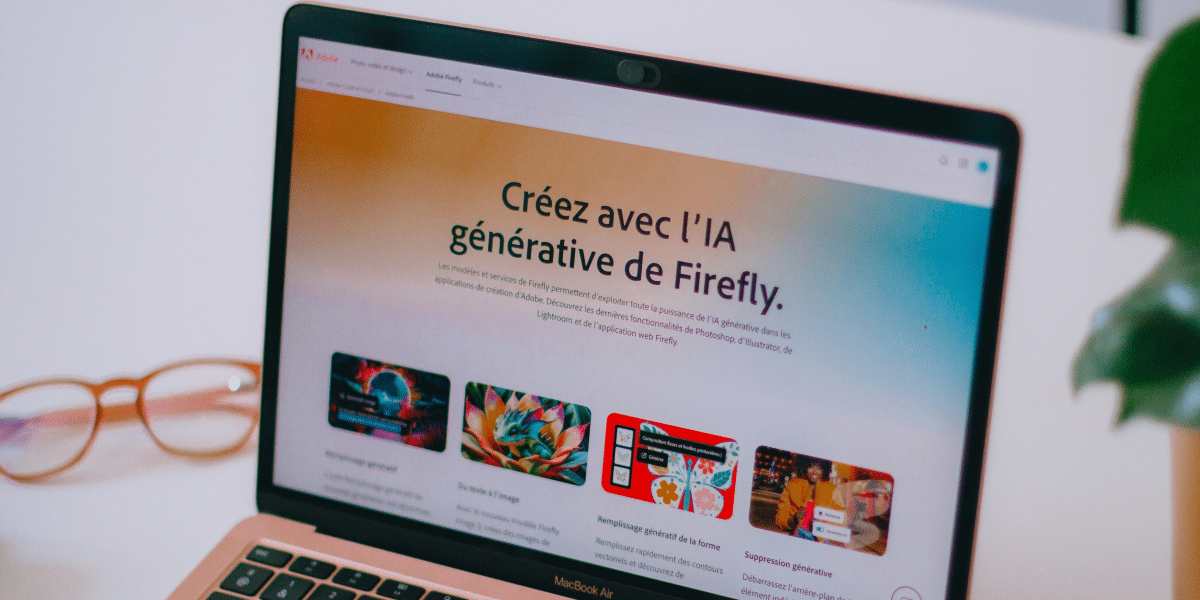
What is Adobe Firefly?

Adobe Firefly is an innovative suite of AI tools that is revolutionizing the digital content creation landscape. Seamlessly integrated with Adobe’s Creative Cloud apps, Firefly empowers designers, artists, and content creators to work smarter, not harder. This powerful tool transforms text into stunning visuals, generates vector graphics, and automates tedious editing tasks. In essence, Adobe Firefly is redefining the possibilities of creative workflows, making it an indispensable tool for modern creators.


Firefly Features 

Text-to-Image Magic 


One of Firefly’s coolest features is text-to-image. Describe an idea and watch it come to life. Precise composition, realistic details, and expert lighting effects. Firefly can bring concepts to life in ways that feel like magic. Whether it’s visualizing a campaign concept or creating art from scratch, this tool delivers. 


And Firefly is designed for all levels of creative expertise. Beginners can create high-quality visuals with no design experience; professionals can refine generated content for a finished look. It’s like having a creative assistant that understands your vision and executes it for you. 


Generative Fill and Expand Tools 


In Photoshop, Firefly’s generative fill and expand tools make complex edits easy. Have an image that’s almost perfect but needs a few tweaks? You can remove unwanted objects or extend a background with a few clicks. For example, crop a photo and realize you need more sky or extend a room’s edges to fit a new layout. Firefly blends the additions seamlessly, saving time and effort. 


This is especially useful for marketing and product photography, where precise edits can make all the difference. Businesses can use Firefly to create perfect visuals for ads or promotional materials without investing in hours of photo editing. 


Illustrator Tools 


For those who love working with vectors, Firefly has tools that take Illustrator to the next level. From turning text descriptions into intricate patterns to generating shape fills, it opens up new possibilities. Whether you’re designing a logo, packaging, or artwork, these tools save time without sacrificing quality. 


And Firefly’s tools also encourage exploration. Designers can try out different styles and effects with ease, so it’s easier to find unique solutions. This freedom to try new things is priceless in industries where being different matters. 


Firefly is Making Waves 

Graphic Design 


For graphic designers, Firefly is a fantasy come true. You can focus on the big ideas and let the AI handle the boring tasks like creating templates or filling in patterns. Whether it’s creating visuals for branding, designing marketing assets, or prototyping website elements, Firefly lets you work smarter and more creatively. 


Being able to create high-quality designs in a fraction of the time is a big win. For agencies and freelancers juggling multiple projects, Firefly helps maintain consistency and quality across deliverables. It’s not just about saving time. It’s about delivering better results. 


Social Media Content Creation 


Social media is all about being different, and Firefly makes that easier. Integrated with Adobe Express, you can create posts in seconds. Businesses and influencers can access pre-made templates for Instagram and Facebook so their content looks professional with minimal effort. 


Firefly’s ability to generate designs based on themes or trends is a big deal. For example, during the holiday season, you can create festive posts that match your branding in seconds. This level of customization means you can create timely and relevant content without the hassle of designing from scratch. 


Photo and Video Editing 


Editing photos or videos is a time-consuming task. Firefly changes that by automating steps like removing backgrounds, replacing objects, or extending scenes. So photographers and videographers can spend less time editing and more time telling stories. 


Video creators will love Firefly’s ability to generate smooth transitions and enhance visual effects. By automating the boring tasks, Firefly lets creators focus on storytelling and composition and create more compelling content. 


Accessibility and Ethical Design 


Adobe has gone the extra mile to make Firefly ethical and accessible. By training the AI on licensed and public domain content it respects intellectual property and provides a safe space to be creative. Accessibility features like alt text generation, screen reader support, and intuitive navigation mean the tools are inclusive for everyone. The accessibility extends to the design of the UI itself. Firefly’s simple controls and workflow make it easy to us,e even for beginners. This inclusivity means more people can benefit from the technology regardless of their technical skills. 


What’s New in Adobe Firefly? 


Adobe is always evolving Firefly. Recent updates in Photoshop include distraction removal tools, which allow you to clean up photos by automatically identifying and removing unwanted elements. Illustrator users can now generate complex vector designs with ease and open up more possibilities for more intricate designs. These updates show Adobe is keeping up with the needs of its users. 

And Firefly is also integrated with collaborative platforms. Teams can now use Firefly to ideate and prototype in real time, so it’s a great asset for collaborative projects. This enables teams to iterate and refine ideas quickly, all within the Adobe ecosystem. 


Next 


The future of Adobe Firefly looks good. As Adobe continues to innovate, we can expect even more tools that seamlessly integrate into the creative workflow. The goal is clear: to provide creators with intuitive, cutting-edge tools that make their work faster, easier, and more impactful.

Firefly is expected to integrate with emerging technologies like AR and VR, enabling the creation of immersive environments or interactive content with the same ease as editing a photo. This is shaping the future of digital creation.

In the dynamic world of digital creativity, Firefly demonstrates Adobe’s commitment to staying ahead of the curve, benefiting both professionals and hobbyists. Through continuous innovation and user feedback, Adobe is positioning Firefly as an essential tool within the creative community.


Published by Iris S.