Professional Services Must Re-Adopt Human-Centric Models to Succeed in the Digital Age, says RE Partners

By: Chris Gallagher

As the world increasingly becomes a knowledge-based economy, the demand for professional services continues to grow, with revenue expected to grow from $72.6 billion in 2024 to $95.4 billion in 2029, with a compound annual growth rate of 5.62%. While technology is one of the main drivers of this growth, it has also resulted in a loss of ‘human touch’ for many professional services firms. By adopting various technologies such as AI, professional services companies have, intentionally or unintentionally, handed over their clients to chatbots and algorithms by reducing person-to-person touchpoints that generate goodwill and provide opportunities for creative solutions to emerge.

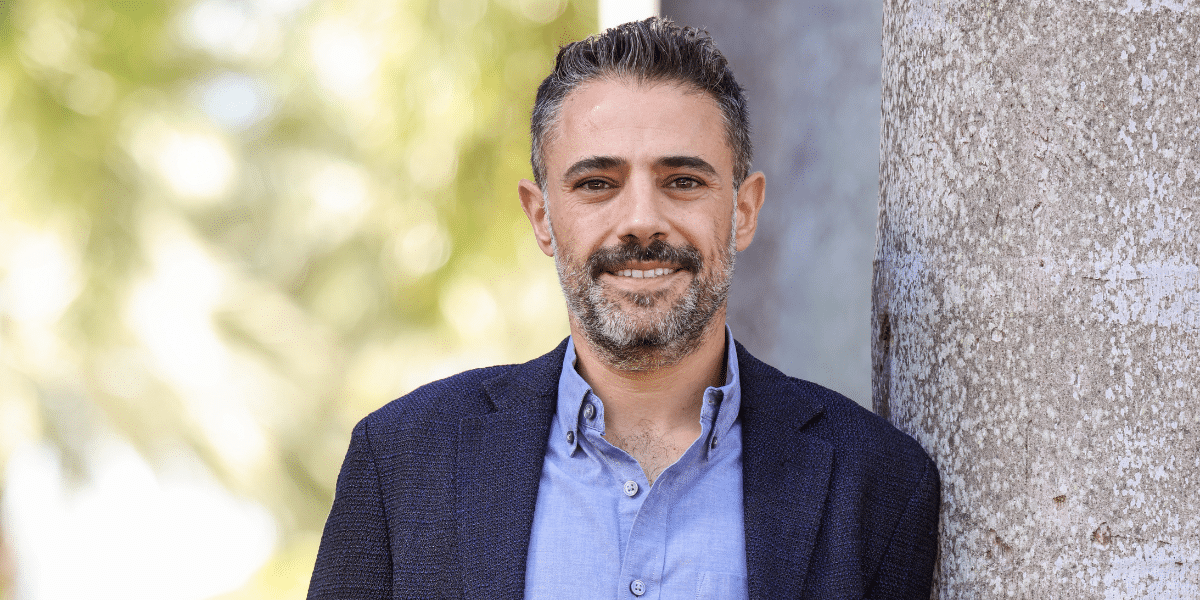
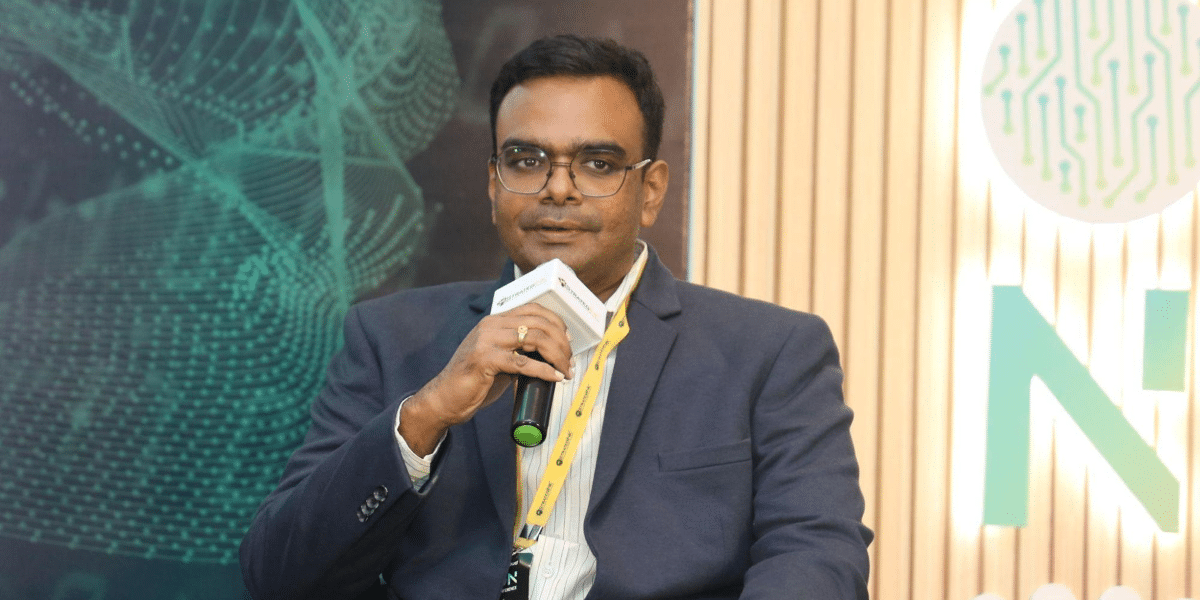
Seeking to challenge this industry trend is RE Partners, a company that offers high-touch business technology consulting services to a wide variety of organizations. While technology is indeed majorly responsible for the growth of the industry and an integral part of RE Partners’ operations, this firm believes that companies are losing the human touch at their own peril. If the industry is to continue to grow in an era where everything is becoming digital, it must re-center itself on the human. This effort is being pioneered by RE Partners’ professional services leadership team, headed by Chief Delivery Officer Domenic Telaro and Directors of Engineering Tony Mamedbekov, Richard Broadhead, and Justin Lucente.

According to Domenic, the professional services industry has been veering off course by losing sight of the ultimate goal, which is creating a positive customer experience. Many companies, he believes, are no longer asking customers about the outcomes they are looking for.

“Many times, when professional services are conversing with their clients, they’re already formulating an answer even before they’ve finished asking the question,” said Domenic. “They’re not really listening to their customers. I believe that one of the major challenges for the professional services industry is to create a model where technology is balanced with human interaction. We need to provide them with an outcome-based consulting approach instead of just telling them what we think they want.”

The outcome-based consulting approach entails having a unified definition of success between both the client and the consulting firm and judging each other based on those standards. Telaro further explains that outcome-based consulting is not about positioning an engagement model that the professional services company wants to sell. Rather, it involves listening to what the customer needs and positioning the engagement based on what the customer requires. By the end of the project, both parties can evaluate the overall return on investment using the same set of parameters.

How Should Professional Services Firms Engage with Clients?

At the start of RE Partners’ relationship with a client, the first question the company poses is ‘What do you need to be successful?’ instead of asking what is needed for a particular project to succeed or which products or services the client is looking for. 

According to Richard, this allows the firm to learn more about the client, allowing it to come up with the best solution that fits the client’s needs. “There’s no single best way to do things that applies to all clients and projects,” he elaborated. “This is why we take the time to listen to our clients’ needs and learn what processes they currently have in place and how their teams operate. It’s not as simple as just walking into their office and telling them they need to do things this way or that way. Rather, it’s figuring out what the client is trying to accomplish and how we can best assist them on that journey.”

During these initial discussions, RE Partners structures a team of experts well-equipped to assist the client throughout the entire process. It goes beyond asking just the bullet points of the skills the client needs and, instead, determines the kinds of people that the client can work most successfully with, creating a team that will best fit within the client’s existing organizational culture.

“We don’t want drones doing tasks. We want people with inquisitive minds who engage with the client and participate in pushing the business forward,” Justin said. “I believe that’s one of RE Partners’ differentiating factors. We’re not just ticking boxes or punching tickets – we’re bringing engaged people.”

RE Partners places high importance on a white-glove level of service to clients, which involves knowing organizations down to the personnel level and treating them like actual people instead of just numbers on a screen. Through its high degree of integration with the client, it makes them feel valued and creates trust. This benefits not just the client, but RE Partners too, as a substantial portion of its business is derived from referrals – a signifier of client satisfaction. 

“The industry is moving toward stronger, industry-specific solutions that can be configured to meet unique organizational needs,” Tony explained. “Rather than relying solely on standardized platforms, companies are pushing software vendors to deliver more robust, tailored options that address their specific challenges. This evolution reflects a growing preference for solutions that combine the efficiency of automation with the flexibility to adapt to individual business requirements. From our customers’ perspective, the value lies in accessing technology that aligns closely with their industry while still benefiting from our expert guidance and support to maximize its potential.”

RE Partners focuses on delivering tailored solutions that align with clients’ needs, rather than promoting one-size-fits-all approaches. As AI and chatbots become indispensable tools in customer interactions, it recognizes that the human connection remains invaluable. While these technologies bring unparalleled convenience, efficiency, and the ability to elevate the customer experience, their true potential is unlocked when seamlessly integrated with genuine human engagement. Customers value the immediate and precise responses of AI and chatbots, but they also seek the depth and value that only a person can provide. In today’s fast-evolving digital landscape, RE Partners believes that success lies in harmonizing the accuracy of advanced technology with the value of human interaction to create truly exceptional customer experiences.

Published by Elle G.

Empowering Voices: The Stories Behind ‘Narratives of Women, Disability, and Independence’

In today’s world, conversations around disability rights are growing louder. But for many women, especially in places like Iran, their stories are still often left unheard. That’s where Narratives of Women, Disability, and Independence step in. This book aims to amplify the voices of women with disabilities, sharing their stories of resilience, struggle, and their fight for independence in a society that often overlooks them.

The Mission: Empowering Lives Through Stories

At the core of Narratives of Women, Disability, and Independence is a simple yet profound goal: to challenge the way society views women with disabilities. Ali Abbasi, the author, believes that by sharing these stories, we can shift the world’s perspective on disability. As he puts it, “Empowering lives through stories, we challenge the status quo and advocate for a world where disability is seen as a source of strength, resilience, and independence.”

This message is the heart of the book—it’s about seeing disability not as a weakness but as a source of empowerment. By telling the experiences of women with disabilities in Iran, Abbasi invites readers to rethink what independence and strength really mean.

A Focus on Iranian Women

Iran, with its rich cultural history, has deep-rooted norms that shape how women live their lives. For women with disabilities, these challenges are often even greater, as they face additional barriers due to cultural expectations and societal pressures. Narratives of Women, Disability, and Independence sheds light on these struggles, but it also celebrates the incredible strength these women display every day.

The book offers a glimpse into the lives of Iranian women who find ways to navigate a world that wasn’t built with them in mind. These women are fighting for their rights, their independence, and their rightful place in society despite the obstacles they face. Their stories are both heartbreaking and inspiring, showing that women with disabilities are more than capable of living full, independent lives.

The Inspiration Behind the Book

The inspiration for Narratives of Women, Disability, and Independence comes from a deep desire to change how the world views disability, especially in countries like Iran, where societal norms can make life even more challenging. There’s often a stereotype that women with disabilities in lower- and middle-income countries cannot live independently. Abbasi’s book aims to break down those misconceptions by sharing real-life stories of women who are defying expectations.

Ali Abbasi and his team didn’t just want to talk about disability in a surface-level way. They wanted to humanize the women behind the statistics, to give them a voice and showcase their journeys—stories filled with both struggle and triumph. Through these narratives, they hope to bring attention to the strength and resilience that often goes unnoticed.

By drawing on personal stories and in-depth research, Narratives of Women, Disability, and Independence also explores the cultural context of disability in Iran. It looks at how societal views are formed and how these women push back, making the book not just a collection of stories but a call to action.

Empowerment Through Storytelling

A central theme of the book is empowerment. The women in Narratives of Women, Disability, and Independence are not just surviving—they are thriving despite living in environments that weren’t designed to accommodate them. They are redefining what independence looks like on their own terms. Whether they’re advocating for better education, access to healthcare, or legal changes, these women are paving the way for future generations.

The book aims to show that these women are not victims. They are powerful advocates for themselves and their communities. By sharing their stories, Abbasi hopes to inspire both women with disabilities and society at large to rethink what independence really means.

A Global Message

While the book focuses on women in Iran, its message reaches far beyond one country. The challenges faced by women with disabilities are part of a much larger global conversation about human rights and equality. Abbasi hopes that this book will encourage readers from around the world to advocate for more inclusive societies.

His hope is that Narratives of Women, Disability, and Independence will help start dialogues about disability rights, encouraging people to move away from viewing disability as something to be pitied or merely tolerated. Instead, it’s about seeing disability as a source of strength. The book calls on readers to recognize the potential in every individual, no matter their physical limitations, and to support global efforts for disability rights.

Changing Perceptions, Inspiring Action

At the core of Narratives of Women, Disability, and Independence is the belief that disability does not limit a person’s potential. Ali Abbasi and his team hope that by sharing these stories, they can help shift the way society understands independence and strength. The book asks us to stop seeing women with disabilities as people who need help and instead as leaders and advocates in their own right.

This book isn’t just about telling stories—it’s about changing minds. By sharing the experiences of Iranian women with disabilities, it brings attention to their resilience, courage, and strength. It encourages readers to challenge societal norms and to advocate for inclusion. Through these narratives, Abbasi hopes to inspire change, one story at a time.


Published by Nicholas A.

Efraín Hendy: Innovating for Economic Growth in the U.S.

Efraín Hendy is an example of a business leader whose versatility, strategic vision, and innovative spirit have redefined the role of entrepreneurship in a globalized economy. With a career spanning diverse industries—including health, real estate development, and themed entertainment—Hendy’s professional journey is a testament to his ability to adapt to new challenges while consistently delivering exceptional results. As he works to expand his influence in the United States, his contributions may have a positive impact on local and national economies.

A Diverse Portfolio of Achievements

Efraín Hendy’s career includes a range of roles across different industries, from contributing to healthcare initiatives in Mexico to leading real estate projects in the United States. Hendy has showcased his capacity to adapt, innovate, and lead. During his time as CEO of Henlis Group, Efraín Hendy focused on improving public health outcomes, leading a significant HPV detection initiative that screened a large number of women each year. Under his leadership, Henlis Group grew its workforce, fostering a model for public-private partnerships in healthcare.

In the audiovisual sector, Hendy co-founded Jaque Content, guiding it from a small production house into an internationally recognized leader in content creation. By expanding operations to countries such as Argentina, Colombia, and Spain, Hendy showed his ability to navigate the complexities of the global market. His efforts strengthened cultural exchange and positioned Jaque Content as a key player in exporting Mexican creativity to global audiences.

Hendy’s entrepreneurial journey includes founding Comicx Comicxs, a chain of themed restaurants in Mexico that offered a unique dining experience centered around comic book culture. With a number of locations across the country, the brand combined immersive design and family-friendly dining before being sold at a time of significant growth.

Transforming Real Estate with Hechi Developers

As the CEO of Hechi Developers LLC, Hendy is focused on the construction of residential projects in Florida, catering to middle- and upper-income sectors. Hechi Developers is committed to delivering innovative and sustainable housing solutions that meet market demands and contribute to community development. By addressing the housing needs of a rapidly growing population in South Florida, Hendy is involved in shaping the future of urban living in the region.

Under his leadership, Hechi Developers has implemented a strategy that prioritizes high-quality construction while integrating environmental sustainability into its projects. Hendy’s approach reflects his forward-thinking vision, combining financial acumen with a deep understanding of market trends. This initiative creates jobs in the construction sector and sets new benchmarks for sustainable development in the United States.

Bridging Two Nations: Hendy’s Impact on the U.S.

Hendy’s presence in the U.S. business landscape is a natural extension of his entrepreneurial spirit and commitment to innovation. His experience in healthcare makes him a potential collaborator for U.S. public and private institutions working to improve access to quality medical services. His ability to work with government entities, as demonstrated during his time at Henlis Group, underscores his capability to drive impactful public health initiatives in partnership with key stakeholders.

Through Hechi Developers, Hendy is involved in projects in Florida that align with the state’s efforts to address housing challenges. These initiatives aim to offer sustainable and affordable solutions while contributing to economic activity. By creating job opportunities and fostering local business partnerships, Hendy’s work may have a broader impact on the community.

A Visionary Leader with a Strategic Outlook

One of the defining characteristics of Efraín Hendy is his strategic mindset. Whether managing large teams, overseeing multinational operations, or navigating complex regulatory environments, Hendy consistently delivers results. His educational background—including diplomas from prestigious institutions such as Harvard Business School and Northwestern Kellogg—has equipped him with the tools to drive growth and innovation.

Hendy’s leadership style emphasizes collaboration, innovation, and results-oriented planning. His success stems from his ability to build strong relationships with stakeholders, whether they are investors, government officials, or community members. By fostering a culture of trust and mutual respect, Hendy has created a foundation for long-term success in every endeavor he undertakes.

The Road Ahead: Building Strategic Alliances

As Efraín Hendy continues to expand his footprint in the United States, his focus remains on building strategic alliances that add significant value to the business community. His goal is not merely to achieve financial success but to contribute to the broader growth and development of the sectors in which he operates. By leveraging his extensive experience, Hendy is uniquely positioned to bridge the gap between U.S. and Latin American markets, fostering cross-border collaboration and innovation.

Hendy’s vision for the future is one of inclusivity and progress. Through his efforts, he aims to create opportunities for economic development, improve access to essential services, and inspire the next generation of entrepreneurs. His multifaceted approach to business ensures that his contributions will leave a lasting impact on both sides of the border.

Efraín Hendy’s career reflects resilience, versatility, and a commitment to excellence. His ability to adapt across industries highlights his leadership skills. As he brings his expertise to the United States, Hendy is positioned to influence areas such as public health, real estate, and economic development. Through innovation and strategic partnerships, his work shows how entrepreneurship can contribute to positive change.


Published by Jeremy S.

Powering the Future: Austroid’s Role in Lithium Battery Supply Chain

By: Samantha Larson

Lithium batteries have become the unsung heroes powering everything from our smartphones to electric vehicles. As the global demand for sustainable energy solutions skyrockets, understanding the intricacies of the lithium battery supply chain is more crucial than ever. This supply chain fuels our daily lives while significantly impacting the global economy.

Leaders at Austroid Corporation explore the journey of a lithium battery, which begins with the extraction of raw materials and weaves through a complex network of refiners and manufacturers before reaching consumers. Each step presents unique challenges and opportunities for innovation. Yet, with increasing geopolitical tensions and environmental concerns, ensuring a steady and sustainable supply has never been more critical.

The Importance of Lithium in the Energy Transition

As the world shifts gears towards cleaner energy solutions, lithium takes center stage. This lightweight metal is the backbone of lithium-ion batteries, which power the modern gadgets and technologies we rely on daily. From electric vehicles to storing renewable energy, lithium is on the front lines of the energy transition.

While lithium might be the hero of our energy story, its extraction brings environmental challenges. 

Extracting lithium is a thirsty process. In key regions like South America’s “Lithium Triangle,” mining operations consume significant amounts of water. This can lead to water scarcity, impacting local communities and ecosystems that depend on these water sources to flourish.

Mining activities often alter landscapes dramatically. Clearing vegetation and stripping soil disrupts habitats and can lead to erosion. If not managed properly, this can leave a lasting mark on the environment.

The mining and processing of lithium involve chemicals that can seep into the soil and waterways. This pollution threatens local wildlife and can even enter the food chain, posing risks to human health.

“Advances in technology and mining practices are paving the way for more sustainable extraction methods,” says an executive at Austroid Corporation. “Companies are investing in more efficient water recycling and pollution controls while researchers explore alternative, earth-friendly mining techniques.”

The Global Supply Chain of Lithium Batteries

The demand for lithium batteries, driven by the rise of electric vehicles (EVs) and renewable energy, continues to soar, making the efficiency and ethics of the supply chain more important than ever. The journey of a lithium battery begins with the extraction of essential raw materials. Lithium, often regarded as the linchpin of these batteries, is mostly sourced from salt flats in countries like Chile, Argentina, and Australia. These regions, known as the Lithium Triangle, hold over half of the world’s lithium deposits. Extraction usually involves pumping mineral-rich brine to the surface and allowing it to evaporate, leaving lithium behind.

The journey from raw material to ready-for-production involves several stages, from gathering the raw materials from their natural sources to purifying the materials to enhance quality. Finally, purified substances are transformed into compounds ready for battery production. Each step must balance efficiency with environmental sustainability to mitigate the carbon footprint associated with mining and processing.

Companies are investing in research and development to enhance battery performance and sustainability. Innovation focuses on increasing energy density, reducing charging time, and expanding battery lifespan. Every link—from a Chilean salt flat to a bustling factory floor—must uphold standards of efficiency, ethics, and sustainability. 

Notes an Austroid Corporation leader, “This interconnected network shapes the future of energy storage, impacting industries and lifestyles across the globe.”

Challenges Facing the Lithium Battery Supply Chain

Powering the Future: Austroid’s Role in Lithium Battery Supply Chain

Photo: Unsplash.com

The world demands more energy-efficient technologies, and lithium batteries are at the heart of this revolution. They power our smartphones, electric vehicles, and even the energy grid. As demand skyrockets, the supply chain faces significant obstacles. From global politics impacting lithium availability to the push for smarter, greener batteries, challenges abound.

Geopolitical tensions can greatly affect the availability and cost of lithium and other essential materials. Countries like Australia, Chile, and China dominate lithium production, but political shifts or trade disputes can disrupt the flow. These geopolitical factors often lead to a volatile market. An unexpected change in government policy or a new regional conflict can send ripple effects, potentially delaying production and increasing costs. Because the global economy is so interconnected, one small policy change in a lithium-rich country might lead to shortages elsewhere.

While innovations promise groundbreaking improvements, they also demand significant changes in how we produce and manage resources. Emerging technologies such as solid-state batteries and fast-charging systems offer new possibilities with higher safety and longer lifespans, but their development is still in the early stages. Scaling these technologies to commercial levels involves high research investments and overcoming technical challenges.

Equally crucial is ensuring that the production of these advanced batteries is sustainable. The rapid pace of advancement requires smarter solutions to minimize environmental impact. This is where green technologies like recycling and resource-efficient designs enter the scene. While recycling rates for lithium-ion batteries remain low, initiatives to increase these rates are gaining traction. 

To replace conventional components, new materials must be effective and cost-efficient, which is no small feat. Collaboration among researchers, manufacturers, and governments is key to achieving these goals. While the lithium battery supply chain faces many challenges, overcoming them is not impossible. 

The Future of the Lithium Battery Supply Chain

The global demand for lithium batteries is rapidly increasing as more industries lean towards sustainable and efficient energy solutions. However, with this surge comes the challenge of managing resources and environmental impacts. One of the most crucial paths forward is through recycling and reuse. As we produce more lithium batteries, we must also consider the afterlife of these energy powerhouses. 

“This push will not only support environmental goals but also strengthen the supply chain against potential disruptions,” says an Austroid Corporation executive.

Although lithium-ion batteries dominate the market, there’s a growing interest in alternative battery technologies. Research and Development (R&D) is key in this quest for new contenders. Solid-state batteries have enhanced safety and energy density. 

Sodium-ion batteries utilize more abundant materials than lithium, potentially lowering costs and easing supply constraints. Flow batteries are seen as a strong option for large-scale energy storage. While these alternatives are still in various stages of development, their potential to compete with or complement lithium-ion technology cannot be ignored. 

The future of the lithium battery supply chain hinges not on whether these changes will happen but on when and how efficiently they’ll be integrated into the existing framework. The shift towards a sustainable future rests on the shoulders of the global lithium battery supply chain. Continued investment and innovation are crucial to meet growing demand while minimizing environmental impact. 

As technology advances, it’s vital to develop methods for more efficient lithium extraction, processing, and recycling. Stakeholders must collaborate to ensure supply chain transparency and sustainability. This will support the automotive and electronics industries while paving the way for new applications of lithium-ion technology.

Published by Elle G.

Factors to Consider When Designing a Custom Guard Shack

Suppose you consider adding a guard shack or even multiple guard shacks to your property. In that case, you may wonder what specific factors to consider before moving forward with the installation. Guard shacks can serve various purposes, from enhancing security to providing a comfortable workspace for staff, but aiming they meet your unique needs requires careful planning. Opting for a custom-designed guard shack allows you to tailor its features and functionality to your requirements. Here are three key aspects to think about as you plan for your guard shack installation.

Size Does Matter

The first thing you will want to consider is how much size you need. Some questions to ask yourself are how many guards will be in the building at once and what equipment must be placed in the custom guard shack. When dealing with overall size of the building, you might also want to think about how many windows you will want the structure to have. Most people prioritize good visibility, but there are also instances of businesses needing a more discreet approach. Size will also determine what type of lighting you need and what type of air conditioning system should be installed.

Location

Another factor you must consider before you order a custom-designed guard shack is the location where it will be installed. Is the area rural or urban? Urban areas often require smaller buildings due to decreased availability of space. Of course, larger areas may benefit from video surveillance options, but they may still need satellite buildings for a quicker emergency response. An experienced design team can recommend the most suitable course of action. Also, the type of business in which the guard shack will be placed should be considered. For instance, a warehouse or manufacturing facility might need more guards than a more open lot, such as a concert area or county fairgrounds.

Security Needs

Of course, not every business has the same security needs they must fulfill. In areas that experience significant crime rate, bulletproof glass should be put in place to protect those inside. Safety from the weather is another security consideration that must be considered. Consider what type of elements the building will be most often subjected to and plan your design with that in mind. Some companies choose to have extraneous cameras in place to monitor the entire property from one location. This is especially useful for those properties that are larger in acreage or suffer from blind spots.

No matter what type of guard shack you need, you will benefit the most from making a checklist of all its characteristics and giving it to the design company. The more information you can relay to them, the better.

A guard shack serves not only as a practical addition to your business but also as a visible effort to prioritize the well-being of employees and visitors. Choosing a custom guard shack can help enhance the security of your office while supporting a safer environment for those on your property.


Published by Joseph T.

Why Data Governance is Crucial for Ethical AI Implementation

By: Tejasvi Addagada

The era of artificial intelligence (AI) has begun to reshape industries and influence the way organizations operate. From predicting customer behaviors to streamlining supply chains, AI’s potential appears promising. However, as businesses look to adopt this technology, a critical question arises: How can organizations ensure they use AI responsibly and effectively?

One important factor to consider is data governance.

The Foundation of Trustworthy AI

AI systems are only as reliable as the data that powers them. Inaccurate, incomplete, or biased data can lead to flawed outcomes, diminishing trust in AI solutions. For instance, consider an AI model designed to streamline loan approvals. Without a solid data governance framework, biases in historical data could unintentionally reinforce discrimination, potentially undermining the system’s integrity and public confidence.

At its core, data governance involves frameworks and processes that ensure data is accurate, consistent, and used responsibly. While it may not guarantee flawless AI systems, effective governance lays a foundation for AI solutions that are more likely to be efficient, transparent, and aligned with ethical standards.

A Strategic Imperative for Businesses

The strategic importance of data governance is often emphasized by experts. In a recent survey, over 70% of business leaders identified poor data quality as a significant barrier to AI adoption. Despite this, the implementation of robust governance frameworks sometimes takes a backseat to the appeal of immediate AI benefits.

Neglecting governance can have consequences. In 2023, a global retail company faced public backlash after its AI-driven pricing algorithm unintentionally increased prices on essential goods during a natural disaster. This incident highlighted the need for governance mechanisms to monitor AI outputs and mitigate the risks of unintended outcomes.

Building Blocks of Effective Governance

For organizations aiming to make the most of AI, establishing a strong data governance framework is essential. Key elements include:

  • Data Quality Management: Ensuring that data is accurate, complete, and free from biases is a key component of effective AI. This requires ongoing validation processes and regular monitoring.
  • Transparency and Accountability: Organizations should document how AI models are trained, what data they use, and the reasoning behind their decisions. This transparency can help build trust among stakeholders, although it may not completely eliminate all concerns.
  • Ethical Oversight: Governance frameworks should include guidelines to address issues like bias, privacy, and accountability. Appointing an AI ethics board could assist in ensuring these principles are consistently considered.
  • Regulatory Compliance: With governments around the world introducing AI-related regulations, staying compliant is not only a legal responsibility but could also provide a competitive edge. Robust governance frameworks can help organizations adapt to evolving regulatory landscapes.

The Role of Leadership

Successful data governance requires support from organizational leaders. Leaders should recognize that governance is not merely an IT responsibility but a broader strategic priority. This includes investing in governance technologies, encouraging data literacy, and aligning governance efforts with the organization’s overall goals.

Looking Ahead

As AI continues to evolve, so too will the challenges and opportunities it presents. Organizations that prioritize data governance will likely reduce risks and position themselves to lead in the AI revolution. These companies are more likely to gain customer trust, earn employee respect, and maintain a competitive edge.

The key takeaway: In the race to adopt AI, it’s important to not overlook the importance of governance. While it may not guarantee flawless outcomes, it serves as a foundation for realizing AI’s potential while striving to ensure its impact remains ethical, equitable, and sustainable. Corporate data governance—focused on aligning data practices with organizational goals, accountability, and stakeholder value—emerges as an important element for long-term success.


Published by Nicholas A.

How Outbound Call Centers Can Thrive in a Remote Work Environment

The COVID-19 pandemic has greatly affected many sectors of the world. This led to the shift from onsite work to remote work. This transformation may pose various challenges or barriers to the effective functioning of the outbound call centers. Therefore, this aspect demands crucial planning and laying out strategies to boost their operations. It is necessary because their efforts may help the firm attract new customers and achieve financial outcomes.

This guide will provide you with details on such areas that the firms can incorporate to help the Outbound Call Center not only sustain but also burgeon. 

Employee-Centric

For any outbound call center to function productively, the agents engaged in the center need to teach the skills of being productive and efficient. Therefore, the firm should consider the training of the employees to be the priority. Extensive guidelines and resources can be provided so the new employee adapts to the work ethic. 

The firm should also keep in mind that it should assist the employee in becoming experts with the various tools that are required. When the employees are empathetic and supportive to the customers during interactions, the firm gains a good reputation.

Security Standards

Data protection has always been a concern for all sectors. The following measures can be taken to adhere to the safety standards.

  • Transmission: The firm adopts a secure line in data transmission, such as using encrypted files or virtual private networks.
  • Trails of Auditing: It’s important to be in compliance with the rules and regulations. This is only possible when the firm performs audits in the  Outbound Call Center. Conducting trials of an audit gives useful insight into the security threats pertaining to data that the center could face.
  • Access Management: Not all data needs to be accessed by all the agents of the call center. Strictly lay out the access permission to the critical data based on the specific roles.

Scorecards

Keeping track of the employee’s performance may depict a lot about the functioning of the  Outbound Call Center. 

  • Dashboards could be used to measure the level of employee performance.
  • Rendering constructive feedback greatly boosts the morale of the agents, thus giving enough scope for their improvement.
  • Depending upon the scorecards of the employees, targeted attention can be given to improving their skills and qualities.

Clear-Cut Goals and Objectives

Transparency or clarity in the work process is essential to sustain the outbound call center’s productivity in the remote environment.

  • There should be a comprehensive explanation of the roles assigned to each employee. Thus preventing any issues relating to efficiency.
  • Establish Key Performance Indicators to measure the employee’s performance in terms of attaining goals.

Conclusion

Developing strategies to foster a supportive environment for the Outbound Call Center may help it thrive. Since they often play an important role in many large firms, addressing the needs of the agents could be beneficial. Providing regular training, creating scorecards, and offering constructive feedback might assist in navigating new challenges and support their growth and productivity.

Published by Joseph T.

How to Enhance Community Engagement: Proven Tips and Strategies

Community engagement is essential to building strong, connected, and thriving neighborhoods. Communities can achieve positive change by bringing people together, sharing ideas, and working toward common goals. Greg DeShields, a professional with experience in the tourism and hospitality industry, has shown through his work how focusing on diversity, equity, inclusion, and belonging can create a more engaged and united community. He has worked with organizations across various sectors, helping them improve their outreach and promote a culture of collaboration.

Listen to the Community’s Needs

Every community has its concerns, goals, and needs. To connect with them, you must start by understanding their priorities. For example, Greg DeShields has focused on bringing different groups together by addressing their unique challenges.

To do this, hold open meetings, send out surveys, or simply ask people what they think. Make sure everyone feels comfortable sharing their ideas. When you show that you care about their thoughts, you create trust, which is the foundation for any strong relationship.

Build Relationships, Not Just Projects

Strong relationships matter more than one-time events or projects. Building trust and lasting connections will lead to deeper engagement. Greg DeShields has emphasized the importance of building partnerships with community members, businesses, and leaders.

For example, when planning an event or starting a new program, don’t just focus on the activity. Take the time to connect with people on a personal level. Show them you value their input and want to work with them long-term.

Focus on Diversity and Inclusion

A community is made up of people from all walks of life. To engage everyone, you must include people from different backgrounds, cultures, and experiences. Ensure that your events, programs, and meetings reflect the diversity of your community. Invite people who might not usually participate and make sure they feel included.

Use Clear and Simple Communication

Good communication is key to community engagement. People need to know what’s happening, how they can get involved, and why their participation matters. Use simple language and avoid technical terms that might confuse people. When sharing information, do so through multiple channels, such as social media, flyers, emails, and local newspapers. Most importantly, be consistent. Regular updates will keep people informed and interested.

Offer Opportunities for Leadership

People are more likely to engage if they feel part of the process. Greg often talks about the importance of giving others opportunities to lead. Empowering people to take charge inspires them to stay involved. You can create volunteer positions, form committees, or ask for project leaders. Give people the chance to share their skills and ideas. When they feel ownership over a project, they are more invested in its success.

Promoting Strong Community Connections

Enhancing community engagement takes time, effort, and an urge to meet the needs of the people. By building trust, promoting diversity, and offering leadership opportunities, communities can encourage stronger connections and work together toward shared goals. Organizations can create inclusive environments that encourage participation by drawing inspiration from leaders like Greg DeShields. Engaging with your community is not a one-time effort but a continuous process that leads to lasting positive change.

Published by Elle G

From Rags to Riches: The Inspiring Journey of Melody Augustin-Roberts

Melody Augustin-Roberts is the embodiment of resilience, determination, and vision. As an entrepreneur and public speaker, her story is one of overcoming challenges—rising from the depths of homelessness to become a leader in the healthcare field, dedicated to improving the lives of children and adults with developmental disabilities.

Born into a poverty-stricken Haitian household, Melody’s early life was shaped by struggle. In 2015, she faced one of her toughest challenges: homelessness. As a single mother living in a shelter, Melody refused to let her circumstances define her future. Her resolve was clear—this was not the end of her story. Transitioning into low-income housing, she set a personal five-year deadline to break free from her situation. She deliberately avoided making her apartment feel like a home, seeing it as a temporary step toward building something far greater.

Her entrepreneurial journey began in the beauty industry. With skill and passion, Melody thrived as a makeup artist, earning recognition from Gulf Shore Magazine and Ford Entertainment Magazine for her artistry. However, success did not come without setbacks. In 2019, a trusted friend and business partner took over her lease and, ultimately, her business. What could have been a devastating blow became a turning point. Rather than dwelling on betrayal, Melody shifted her focus to the healthcare field, where she discovered her true calling.

Melody’s new venture focused on children and adults with developmental disabilities, filling a critical gap in the community. Her commitment to quality care and her ability to think strategically allowed her business to grow despite limited capital and resources. By 2022, her efforts bore fruit as her company reached a remarkable milestone—making a large sum in revenue. This achievement was a financial victory and a testament to Melody’s perseverance and leadership.

Throughout her journey, Melody has faced significant challenges. Starting a business with minimal resources demands creativity and strategic thinking. Yet, she embraced each obstacle as an opportunity to learn and grow. Her mantra of taking life one day at a time, coupled with her faith in God, became a guiding light during difficult times.

As a thought leader, Melody is recognized for her ability to solve problems and inspire others. Her mission goes beyond business—she seeks to raise awareness about the importance of having compassionate, skilled healthcare providers for children and adults with developmental disabilities. Her dedication to this cause drives her long-term vision: opening a school for children with special needs, creating a space where they can thrive and receive the care they deserve.

From Rags to Riches: The Inspiring Journey of Melody Augustin-Roberts

Photo Courtesy: Melody Augustin-Roberts

Melody’s wisdom resonates deeply with parents of children with disabilities and caregivers seeking trustworthy support for their loved ones. Through her organization, Sovereign Developmental Center, she aims to build connections and provide a high level of care, championing activities of daily living (ADLs) and ABA therapy.

Her core message is clear: success is possible, no matter where you start. From a shelter to a seven-figure business, Melody’s story is a powerful reminder that setbacks can be stepping stones. With determination and faith, she turned her “rags to riches” dream into reality, and she’s just getting started.

Melody Augustin-Roberts is proof that perseverance when paired with purpose, can change lives—not just your own but those of countless others.

Published by Elle G

Meet ALYA, the New “Christmas Queen”

By: Dominguez Firm

Take a break, Mariah. Santa just delivered a new “Christmas Queen.” Following a string of unforgettable career milestones that include a Grammy win and collaborative projects with legendary voices like Eric Clapton, ALYA has no intention of slowing her momentum. 

On the heels of her summer hit “If You Only Knew,” the ethereal siren stepped beyond the recording studio to perform live around the country, finding renewed inspiration and energy in the spotlight. “It’s been such an exciting journey to appear across different venues. There’s something really special about stepping onto the stage and feeling the energy of the crowd.” 

Among several shows this summer, she agreed to an exclusive performance of her latest song, “Hope,” for some of the world’s foremost changemakers at the Forbes 400 Summit on Philanthropy. “Being in a room full of individuals deeply invested in making the world a better place really set the tone for my performance. It was an honor to be part of a gathering focused on real, impactful change.” 

Never one to slow down, she immediately set to work on a brand new Christmas album. Recorded at Studio A in Burbank, California, the spirited collection pairs the artist with more iconic names as collaborators, creating a must-listen holiday playlist that features beloved classics alongside innovative ballads. “I’m thrilled to introduce brand new songs like ‘Make My Christmas Wish Come True’ that draw us into the unique emotion of this very special season. It’s the perfect soundtrack to a memorable December with the ones we love most.” 

This is not ALYA’s first foray into seasonal sounds. She introduced a three-song EP in December of 2023 that showcased a poetic rendition of “Silent Night” alongside Clapton. “Every great collaboration requires a persistent search for that magic moment where everything clicks. Being in those spaces taught me how to trust the process and the team around me.”


Meet ALYA, the New “Christmas Queen”

Photo Courtesy: Evoto

The highly anticipated 2024 edition features the previous trio of tracks plus five original songs. Produced by Tim Carmon, Davey Nathan, Brigg Stern, and Antonio Sol, discover fresh holiday finds like “No More Lonely Christmas.” This upbeat holiday jingle, written by ALYA and Davey Nathan, is pure magic from beginning to end, with a rich background of resonant horns and vibrant vocals sure to get everybody in the spirit. 

“Christmas Means You” sets a decidedly romantic mood with an inspired melody made for lovers who share that special emotional connection. Audiences everywhere will revel in the fun of ALYA’s “Make My Christmas Wish Come True,” which sparks the electrifying joy of choosing that special love over any other gift money could buy. 

“I like to think of my music as timeless but innovative. Great inspirational melodies and lyrics are at the heart of what I do.” Lush strings and a powerful bassline mix flawlessly with funky horns. Soulful Motown guitar licks ring out against a heavenly chorus of angelic vocals. This is a genre-blending at its best in a fusion of sound and energy distinctive to the pop artist. The updated collection is poised to become a top pick on every discerning listener’s holiday shortlist. 

So what’s next for the busy crooner? As a mother and a global citizen, ALYA remains steadfast in her mission to inspire and advance the next wave of creative dreamers. In keeping with the Christmas spirit, she continues her fierce focus on philanthropic efforts, looking to expand partnerships and find new, creative ways to give back. Most recently, she and her partner chose to donate shares from the recording of “Hope” to UNICEF USA in support of the world’s children. “Music is my ultimate passion, but using it as a tool for positive change keeps me inspired.” 

This Christmas, ALYA offers her unique brand of encouragement, sparkle, and cheer to countless listeners across all walks of life, fueled by the enduring passion that motivates her art. The resulting album makes her a bold contender as the ultimate holiday headliner of a hopeful generation, awakening the lover, dancer, optimist, and peacemaker in everyone.

Visit alyaofficial.com to learn more about the Russian-born pop artist. Follow @alya.the.artist on TikTok and @alya.michelson on Instagram to learn about upcoming releases and exclusive content.   

About ALYA

Born and raised in the Soviet Union, ALYA is a Grammy-winning vocalist whose evolving musical style seamlessly blends elements of inspiration, pop, and dance, resulting in a sound that is both distinctive and mesmerizing. Using her platform for positive change, ALYA is an inspirational figure in both the music community and across the globe.

Published by Gracia M.