How Do Thermal Drones Improve Efficiency in Aerial Inspections?

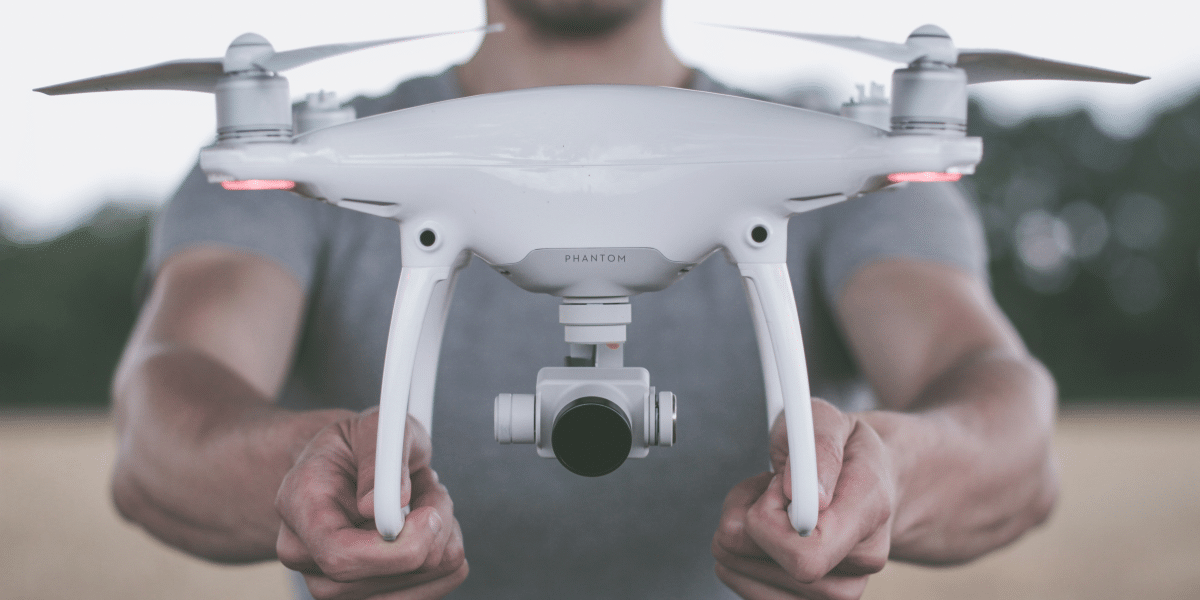
The advancement of advanced thermal imaging combined with the flexibility of unmanned aerial vehicles, or drones, has revolutionized aerial inspections across industries. They enhance the efficacy and efficiency of inspections, lend safety, reduce costs, and generate unmatched precision. The applications vary from energy audits to wildlife monitoring and make a difference.
In this blog, we will explore how thermal drones work, their benefits, and the diverse ways they improve efficiency in aerial inspections.
Understanding Thermal Drones
Thermal drones have thermal imaging cameras installed that capture infrared radiation emanating from objects. These cameras then translate heat signatures into visual images so that temperature differences may become visible to the naked eye, even if they weren’t previously. This technology is, therefore, extremely useful for identifying issues that appear as heat leaks, equipment malfunctions, or structural defects.
Key Features of Thermal Drones
- Thermal Imaging Cameras: They provide accurate heat maps.
- Precise Navigation and Autonomy: GPS enables accurate navigation and sets fully automated flight paths.
- Real-Time Data Transmission: Provide operators with instant insight.
- Durability: Survive extreme conditions, such as high altitude or extreme temperature environments.
Benefits of Thermal Drones in Aerial Inspections
Thermal drones offer many advantages over traditional inspection methods, making them a popular choice for industries demanding thorough and effective assessments.
1. Increased Safety
Inspecting dangerous locations such as power lines, gas pipelines, or industrial plants risks sending human inspectors into these hazardous areas. Thermal drones, on the other hand, do not require human interaction directly with these danger zones and hence minimize the danger exposure while inspecting consistently.
2. Cost-Effectiveness
Thermal drones drastically save costs by eliminating heavy equipment such as scaffoldings, cranes, or helicopters. They also use fewer people, thereby decreasing labor costs.
3. Time Savings
Being thermal drones, they can scan enormous territories far quicker than through human surveys. These drones can fly autonomously and reach places in areas humans could not quickly go to and would otherwise have to visit one by one.
4. Accurate Data Collection
The high-resolution thermal images collected by drones are very accurate, and the minutest detected anomalies help in early problem identification and more informed decision-making.
5. The Environmental Advantage
Unlike traditional inspection methods that may involve fuel-powered machinery, drones are eco-friendly. Their reduced carbon footprint aligns with sustainable operational practices.
Applications of Thermal Drones in Aerial Inspections
Thermal drones are being adopted in numerous fields, each benefiting uniquely from their capabilities.
1. Energy Sector
Solar Panel Inspections
Thermal drones quickly identify hot spots or malfunctioning solar cells, ensuring optimal performance and minimizing energy losses.
Power Line Monitoring
Drones identify overheated components or insulation faults in the power line and thus avoid actual failure or hazards.
2. Construction and Structures
Roof Scanning
Thermal imaging detects leaks, insulation faults, or structural weak points in the roofs without needing physical access.
Bridge Scanning
Thermal drones find hidden cracks or temperature anomalies indicating stressed bridge areas, thus allowing maintenance in advance.
3. Oil and Gas Industry
Thermal drones are very important in gas leak detection, flare stack monitoring, and assessing pipeline integrity. They can be deployed for safe and effective inspections in explosive or high-temperature environments.
4. Wildlife and Environmental Monitoring
Thermal drones track animal populations and monitor their habitat, even at night or in dense foliage. They also detect fires in the forest early, helping prevent disaster.
5. Agriculture
Thermal drones use precision farming to survey crops for temperature anomalies and detect if they are caused by water stress, pest infestation, and soil inconsistency.
6. Search and Rescue
Thermal drones identify missing people in rugged terrains or disaster-stricken territories by detecting body heat, which is a crucial support in the rescue process.
How Thermal Drones Enhance Efficiency
1. Automation and AI Integration
Modern thermal drones assimilate artificial intelligence and machine learning to collect data on the go. These technologies automatically detect anomalies, greatly reducing possible human errors and accelerating the inspection process.
2. Accessibility to Difficult-to-Reach Areas
Thermal drones can easily inspect confined or elevated areas, providing detailed insights without requiring costly and time-consuming manual interventions.
3. Real-Time Insights
Thermal drones provide operators with instant data, enabling instant analysis and decision-making. This immediate response capacity is particularly useful for critical energy, emergency services, and the like industries.
4. Repeatable and Consistent Results
Thermal drones will follow pre-programmed flight paths, which means consistent inspections over time. Therefore, a high degree of repeatability is mandatory in tracking changes or trends across monitored assets.
5. Reduced Inspection Downtime
Traditional inspections usually necessitate the shutdown of facilities or operations. Thermal drones make assessments without any shutdown, reducing downtime and, therefore, losses in revenue.
Challenges and Future Prospects
Current Challenges:
- High Initial Costs: advanced thermal drones come with relatively high purchase prices and maintenance costs.
- Regulatory Obstacles: Aviation regulatory compliance for thermal drones is complicated and largely region-dependent.
- Training Requirements: The operator must be trained to operate a thermal drone effectively.
Future Prospects:
Advances in drone technology will further streamline efficiency. Innovations on the horizon include:
- Longer flight times through better batteries
- Cameras with even higher resolution to support more accurate thermal imaging
- 5G integration for real-time transmission and connectivity
- Through these improvements, thermal drones will continue to show increased uptake. They will unlock several possibilities in aerial inspections.
Thermal drones have transformed aerial inspections, delivering unparalleled efficiency, safety, and accuracy. Their applications span diverse industries, from energy and infrastructure to agriculture and emergency services, demonstrating their versatility and value.
Conclusion
As technology improves and costs come down, the role of thermal drones in inspection processes will only increase, setting new standards for operational excellence and environmental responsibility. Organizations embracing this innovation stand to gain a competitive advantage in their industries. Companies investing in thermal drones are upgrading their inspection capabilities and paving the way towards a safer, smarter, and more sustainable future.
Published by: Josh Tatunay