Ackeo Stevenson, aka K-Swab: Lifetime Achievements in Music, Media & Service

Ackeo Stevenson, known in the entertainment world as K-Swab, has been honored with the distinguished Presidential Lifetime Achievement Award. Recognized for his notable contributions to the music industry and his dedication to community enrichment, this award highlights K-Swab‘s work as a self-taught producer, hip-hop artist, music engineer, and entrepreneur. As a visionary dedicated to sparking positive change, K-Swab’s influence has reached far beyond the recording studio, making a continuing impact on the entertainment world and communities alike.

Rising as a Self-Made Success: K-Swab’s Journey in Music and Media

K-Swab’s journey began with his self-driven passion for music. As a self-taught producer, he quickly gained recognition for his distinct sound and innovative approach to hip-hop. Today, as a registered ASCAP writer, K-Swab’s unique blend of beats and storytelling has set him apart. But his talents extend far beyond the music itself—he’s also built a reputation in videography, photography, and graphic design. This blend of skills has made him a powerful and versatile creative force, with his work resonating widely across different facets of the entertainment industry.

Through his platform, the ATL ONFIYA Network, K-Swab has created space for diverse and often underrepresented voices. Focusing on authentic storytelling and inclusivity, ATL ONFIYA stands as a testament to K-Swab’s commitment to using media to build a stronger, more inclusive industry. By providing opportunities for fresh and diverse perspectives, K-Swab is helping to reframe how stories are told and who gets to tell them.

From Music to Business: K-Swab’s Entrepreneurial Vision

K-Swab’s talents and ambitions reach beyond music production. He has launched several innovative ventures, demonstrating his dedication to serving his community meaningfully. Among his businesses are Skylars Logistic Carriers and Skylar’s Pet Transportation, both of which provide specialized, reliable services for pets and their owners. His passion for holistic care is also evident in We Care 4 You, a home healthcare service aimed at enhancing health and quality of life.

These ventures highlight K-Swab’s commitment to creating solutions that positively impact people and their pets. His unique approach to business reminds us that entrepreneurship can be driven by a mission to help others and address needs within the community.

Ackeo Stevenson, aka K-Swab: Lifetime Achievements in Music, Media & Service


Photo Courtesy: Ackeo Stevenson

A Legacy of Service: The Presidential Lifetime Achievement Award

The Presidential Lifetime Achievement Award is an honor bestowed on individuals who demonstrate unwavering dedication to volunteerism and community service. For K-Swab, the award celebrates a lifetime of giving back and fostering change in his community. Known for his support of various educational and mentorship initiatives, K-Swab’s philanthropic work has opened doors and inspired others to strive for success. His efforts in these areas underscore his belief in empowering others, and he has consistently used his platform to create opportunities and instill hope.

Reflecting on the award, K-Swab said, “Receiving the Presidential Lifetime Achievement Award is a tremendous honor, and I am humbled to be recognized in this way. My journey has always been about more than personal success—it’s about uplifting others, creating opportunities, and positively impacting the world. This award motivates me to continue pushing forward and contributing to the betterment of our communities.” His words reflect a deep commitment to a vision of success that goes beyond individual accomplishments.

Ackeo Stevenson, aka K-Swab: Lifetime Achievements in Music, Media & Service

Photo Courtesy: Ackeo Stevenson

The Path Forward: An Ongoing Impact on Industry and Society

As he accepts the Presidential Lifetime Achievement Award, K-Swab’s influence only continues to grow. His story is one of perseverance, creativity, and service to the community. Through his work as a producer, entrepreneur, and philanthropist, he sets a powerful example for others, showing how artistic talent and business acumen can work together to create meaningful change.

K-Swab’s ongoing contributions to music, media, and community initiatives inspire those looking to make a difference. His commitment to excellence and social responsibility demonstrates the incredible impact one individual can have when driven by passion and purpose. From his work in music to his innovative business ventures, K-Swab’s legacy will continue to inspire, uplift, and empower for years to come.


Published By: Aize Perez

Triple-Certified Expert’s Guide to Winter Weight Loss

As TikTok’s Winter Arc trend sweeps social media, millions are starting to gear up for the new year by getting a head start on fitness, health, and personal growth goals. The Winter Arc prioritizes setting sustainable habits and achieving meaningful progress before the typical January rush. 

For those seeking a personalized, science-driven approach to weight loss, Dr. Phyllis Pobee, a Triple-Board Certified Genetic Weight Loss Physician, offers GeneLean360°, a groundbreaking program designed especially for women over 30 who want to pursue sustainable results with support from genetic insights. Below, we’ll explore how GeneLean360° aligns with Winter Arc values, including the tools to help you stay motivated, eat well, and make real progress throughout the winter months.

Mindset Matters: Staying Motivated Through Winter’s Challenges

Winter’s shorter days and colder weather can challenge even the strongest wills, but mindset makes all the difference. Dr. Phyllis Pobee emphasizes that “weight loss journeys aren’t just about food and exercise; they’re about self-belief, resilience, and sustainable habits, especially during challenging times like winter.”

GeneLean360° arms clients with cognitive-behavioral techniques to break through seasonal slumps. Focusing on self-compassion and consistency, the program encourages clients to set small, achievable goals to avoid the “all-or-nothing” trap that often derails progress. GeneLean360°’s unique approach to small, achievable goals is a game-changer, particularly for those with genetic markers, like the DRD2 gene, affecting motivation and reward response. Setting and celebrating even small wins can fuel motivation all season long and create a steady momentum that lasts well beyond winter.

The Power of Genetic Testing and Personalized Medicine

GeneLean360° aims to stand out by using genetic testing to inform weight management strategies that go beyond the usual cookie-cutter diets. Dr. Phyllis Pobee explains, “GeneLean360° is rooted in the idea that each person’s genes hold the answers to their weight loss challenges. For women over 30, who often face shifts in metabolism and hormone levels, genetic testing can provide some additional information on how their bodies may respond.”

Instead of one-size-fits-all recommendations, GeneLean360° reveals the hidden factors in each person’s genetic profile, analyzing key markers like the FTO gene, which may affect appetite, and the PPARG gene, which is related to fat storage. For instance, women with certain FTO variants could benefit from diets high in protein and fiber to promote satiety without restriction.

More than a typical diet plan, GeneLean360° aligns each client’s weight loss journey with their biological strengths, making progress feel natural and empowering. While results may vary, the program transforms weight loss into a sustainable, realistic, and science-backed approach that helps clients feel more in control of their health by taking the guesswork out of the equation.

Enjoying Healthy Comfort Foods Without Guilt

Winter comfort foods bring warmth and nostalgia, but they can also feel like a challenge to anyone striving to stay on track with health goals. GeneLean360° takes a refreshing, no-deprivation stance, helping clients enjoy their favorite winter foods in ways that support weight loss. “Weight loss doesn’t mean deprivation,” says Dr. Phyllis Pobee. “We guide clients in choosing nutrient-dense seasonal foods that align with their genetic profiles and support satiety, metabolism, and enjoyment.”

For clients with the MC4R gene variant, sometimes associated with cravings, GeneLean360° suggests fiber-rich, filling meals with winter vegetables like sweet potatoes, which are rich in beta-carotene and fiber. The program also embraces comforting, hearty meals—like soups and stews—filled with lean proteins, complex carbs, and fiber-packed vegetables. This balanced approach allows clients to savor the warmth of winter favorites while effortlessly meeting their nutritional goals.

Redefining Sustainable Weight Loss

Many people start their weight loss journey with very strict diets or grueling workouts, only to find the results hard to keep up. GeneLean360° takes a broader approach, focusing on the bigger picture of health and wellness rather than quick fixes. As Dr. Phyllis Pobee says, “A significant misconception is that sustainable weight loss requires restrictive diets, exhaustive exercise, or quick-fix supplements.” Instead, GeneLean360° taps into the unique biology of each client to unlock real progress.

Take insulin sensitivity, for example; for clients with the TCF7L2 gene variant, meal timing, and food choices can make a huge difference in managing blood sugar. This kind of personalized guidance helps clients lose weight and understand how their bodies work. With GeneLean360°, weight loss becomes a journey of building more natural, sustainable, and empowering habits instead of a one-size-fits-all struggle.

What Makes GeneLean360° Different?

Unlike traditional weight loss programs, GeneLean360° offers a fresh approach by blending genetic insights with health coaching. Dr. Phyllis’ program starts by analyzing each client’s genetic makeup, assessing factors such as appetite control, metabolism, and exercise responsiveness. This data is used to create a highly customized plan that includes diet, exercise, mindset support, and supplement guidance.

“With GeneLean360°, our clients aren’t fighting against their biology; they’re working with it,” says Dr. Phyllis. Clients experience transformations on a profound level, not just in terms of weight but in gaining confidence and control over their health journey. GeneLean360° doesn’t merely focus on weight loss. Uncover your genetic code today and gain powerful insights to shape your lifestyle around your body’s potential for a sustainable health transformation.

Disclaimer: The information provided in this article is for educational and informational purposes only. While the article highlights the GeneLean360° program and its potential benefits, individual results may vary. The program described here is not intended to diagnose, treat, cure, or prevent any disease. Always consult with a qualified healthcare professional before beginning any weight loss or health-related program. The opinions expressed in this article are those of the author and are not intended as medical advice.

Published by: Khy Talara

Dr. Anand Bajpai: Inspiring Health, Wealth, and Holistic Well-being Across India

By: Aman Jalan

Early Life and Background

Dr. Anand Bajpai was born in a lower-middle-class family on August 25 in Mumbai, Maharashtra. Growing up in humble surroundings, he pursued his schooling and higher education in Mumbai, shaping his character with resilience and a passion for service. Today, he is a distinguished homeopath with 29 years of experience, a successful networker, and a health and wealth coach who has dedicated his life to helping people achieve healthier, more prosperous lives.

A Distinguished Career in Homeopathy

Dr. Bajpai has practiced homeopathy for nearly three decades. Unlike conventional medicine, which primarily focuses on managing symptoms, homeopathy offers a holistic approach aimed at supporting overall wellness. Dr. Bajpai’s practice is founded on the belief that healthcare should go beyond symptom relief to address underlying factors, promoting a more balanced and health-focused life.

Joining the “Healthy & Wealthy India” Mission

In 2014, Dr. Bajpai joined the “Healthy & Wealthy India” mission, which aims to educate and empower people across the country to lead balanced lives. As part of this mission, he has trained individuals on how to achieve both health and financial stability. His focus on community wellness has led him to become a founding member of the International Marketing Corporation (IMC) in Maharashtra.

Specialization in Alcoholism Treatment

One of Dr. Bajpai’s areas of focus is supporting individuals struggling with alcohol dependency. He offers a 12-week program that combines personalized counseling and holistic remedies to promote well-being and encourage healthier lifestyle choices. Many participants have found this program helpful in their journey to improve their health and well-being, illustrating that with dedicated support, individuals can work toward managing addiction.

Pioneering Predictive Wellness Through Nutrigenomics and DNA-Based Testing

Dr. Bajpai is also at the forefront of predictive wellness, utilizing nutrigenomics and DNA-based testing to assess health risks based on an individual’s genetic makeup. Nutrigenomics is a rapidly advancing field that studies the interaction between nutrition and genes. With DNA testing, Dr. Bajpai can help clients identify potential health risks, allowing them to make informed lifestyle choices that promote long-term health.

Beliefs and Life Philosophy

Dr. Bajpai believes that time is best spent on activities that support one’s greater life purpose. His motto, “Great minds have purpose; others just have wishes,” reflects his commitment to a purposeful life. Dr. Bajpai encourages his clients and colleagues to make choices that align with their broader aspirations by inspiring others to focus on their goals.

Impact and Legacy

Dr. Bajpai has impacted numerous lives through his medical practice and coaching. He has dedicated his life to promoting health, wealth, and personal growth across India. His work with “Healthy & Wealthy India” inspires individuals to lead disease-free, prosperous lives.

Conclusion

Dr. Anand Bajpai’s journey from his modest beginnings to a respected healthcare professional and coach is a testament to his determination and vision. His expertise in homeopathy and pioneering work in predictive wellness through nutrigenomics and DNA-based testing have made him one of the leaders in holistic health care. Through his mission to build a “Healthy & Wealthy India,” Dr. Bajpai remains dedicated to helping people transform their lives, promoting wellness, and empowering others to reach their full potential.


Disclaimer: This content is for informational purposes only and is not intended as medical advice, nor does it replace professional medical expertise or treatment. If you have any concerns or questions about your health, always consult with a physician or other healthcare professional.

Published by: Martin De Juan

Yubo’s Real-Time Connections Offer Gen Z a Break From the Digital Noise

By: Zach Miller

Yubo’s real-time focus and lack of popularity metrics let users connect naturally, without the usual social media pressures. 

In a digital age dominated by endless scrolling and metrics-driven interaction, Generation Z faces a unique challenge: maintaining genuine well-being in an online environment that rarely feels authentic. According to U.S. Surgeon General Dr. Vivek Murthy, the relentless influence of social media has contributed to a historic decline in happiness among young people, with the World Happiness Report now reflecting a shift in well-being. In a concerning twist, under-30s in the U.S. ranked far below older age groups regarding happiness, slipping out of the top 20 happiest nations worldwide. For a generation accustomed to constant online interaction, these findings raise questions about the long-term effects of social media — and the alternatives available for fostering real connections.

Yubo stands out by giving Gen Z the tools to redefine online connection. The app’s model encourages friendships that grow over conversations, shared interests, and mutual understanding, providing users with an alternative to the impersonal nature of most social media platforms.

The platform’s community standards prioritize respect and inclusivity, setting the stage for interactions that feel supportive rather than superficial. For Gen Z, who often feel caught in a “social media midlife crisis,” Yubo’s commitment to authenticity offers a way forward.

Since its launch in 2015, the live social discovery app has built a community where Gen Z users connect naturally because it focuses on facilitating meaningful interactions and provides a platform that feels more like a gathering place for friends than a place to compete for attention.

“The goal on the platform is to make sure that you will speak with as many people as you want, and you will be able to either select an interest because you play Fortnite, for example, or watch Batman movies. So you can click on this interest, find people who have this interest, and send friend requests to those people. You can enter a room with people who are debating or have the same interests as you,” explained Sacha Lazimi, CEO and co-founder. “What we care about is that you have conversations with other people, and you are socializing with other people.”

A Platform Built for Real Conversations

Yubo is designed to mirror the dynamics of in-person interactions. Instead of scrolling through a carefully curated feed, users participate in real-time conversations. Yubo’s user-centered approach allows for casual, unfiltered connections. No algorithms push trending content, no ads interrupt conversations, and no influencers steer discussions. Users are free to join live streams, participate in group chats, or send private messages without the distractions typical of other platforms.

Yubo’s approach to social media is simple but powerful: Create a space where users can hang out, chat, and connect in real-time. This design choice particularly appeals to Gen Z because whether they join live streams to chat with new friends, send messages, or play games together, users experience a more natural, unfiltered form of socializing that prioritizes presence over performance.

Can Yubo Counter the “Midlife Crisis” of Social Media?

Dr. Murthy’s recent findings reveal a worrying trend: Young people today are experiencing stress levels and emotional challenges once associated with much older age groups. Yubo’s emphasis on meaningful connections and lack of popularity metrics remove a significant pressure source, creating a community atmosphere where users feel valued for who they are, not how well they perform.

Lazimi explained, “It’s really small rooms of people interacting together, hanging out, having fun, playing games, debating, like you would do if you were in your living room, having a party and speaking with other people.”

In addition, its live format fosters interaction that resembles real-life connections more than typical social media exchanges. This design encourages empathy and understanding rather than competition, allowing users to build real and lasting friendships. For a generation that grew up online, Yubo offers a welcome departure from the “highlight reel” culture of platforms driven by likes and views.

With the well-being of young users at the forefront, Yubo has implemented a robust set of safety measures that distinguish it from other social media apps. Yubo proactively addresses potential risks by leveraging advanced AI technology, offering parents and young users peace of mind. The SafeBlur feature, for example, automatically detects and blocks inappropriate content in real time, ensuring a secure environment for users across 140 countries. 

“SafeBlur was created in response to insights we gathered through rigorous data analysis and user feedback, reflecting our proactive approach to solving key challenges in trust and safety for social platforms,” stated Lazimi. “We’re proud to offer a solution that protects users and maintains the privacy they expect.”

Yubo collaborates with reputable organizations like the National Center for Missing and Exploited Children, Thorn, and The Diana Award to strengthen its safety commitment. These partnerships allow the app to continuously refine its policies and tools, creating a space where users can connect without fear of encountering harmful content. It also employs age verification technology in collaboration with Yoti to ensure that users interact with peers in their own age group, adding an extra layer of protection to the platform’s community experience.


Published by: Annie P.

The Influence of Meg Miller’s Research on Agricultural Policies: Embracing the Mizzou Approach

By: Clay Fox

At the heart of today’s agricultural transformation lies the Mizzou approach—an innovative model created by the University of Missouri where academic research meets practical policymaking. In today’s rapidly changing agricultural landscape, informed policies that balance productivity and sustainability are critical. 

Through targeted research, the Mizzou approach offers solutions that tackle real-world challenges, ensuring policies are evidence-based and adaptable. Meg Miller, Mizzou explains how research can be a powerful tool in crafting policies that drive agricultural progress and sustainability and set standards for global practices.

Understanding the Mizzou Approach to Agricultural Research

The Mizzou Approach to agricultural research offers a unique perspective in shaping the future of farming and policymaking. It combines historical wisdom with innovative strategies, creating a solid foundation for robust agricultural policies. 

Agricultural research at the University of Missouri, or Mizzou as it is fondly known, has a rich and storied past. This journey began in the late 19th century with the establishment of the Agricultural Experiment Station. At that time, farming techniques were basic, and the need for scientific guidance was pressing. As Mizzou’s research capabilities grew, so did its influence on the agricultural community.

Key milestones of agricultural research include the development of drought-resistant crops during periods of severe weather and innovations in livestock management that addressed the specific needs of Missouri’s farming regions. 

“Over the decades, Mizzou’s researchers have contributed to significant breakthroughs, like the development of soybeans that reshaped agricultural output,” says Meg Miller. “These efforts have not only advanced the local farming community but have also impacted national agricultural strategies.”

The effectiveness of the Mizzou research model lies in several strategic elements that set it apart. One major aspect is interdisciplinary collaboration. Researchers from various fields work together to tackle complex agricultural issues. This blend of expertise fosters innovative solutions that are comprehensive and sustainable.

Community involvement is another hallmark of the Mizzou model. The university actively engages with local farmers and industry stakeholders, ensuring that research is grounded in real-world challenges. This partnership approach means that policies and innovations are practical and beneficial on a community level, building trust and cooperation.

Finally, data-driven decision-making forms the backbone of Mizzou’s approach. By leveraging vast datasets, researchers can identify trends, predict outcomes, and tailor strategies to the agricultural sector’s specific needs. 

Notes Meg Miller, “Whether it’s through analyzing crop yields or studying the economic impact of new farming techniques, data remains a crucial tool for informed policy development.”

Together, these elements create a dynamic environment where agricultural research thrives and meaningfully impacts policy. The Mizzou Approach is a model of excellence that continues to guide the agricultural industry toward a more sustainable and productive future.

Impact of Research on Policy Development

The “Mizzou approach” emphasizes collaboration and data-driven strategies to guide policy direction.

Several success stories highlight how research influences policy development. One example is the transformation of sustainable farming initiatives in Missouri. Research by the University of Missouri’s agricultural department analyzed soil health and crop yields, leading to covering crop requirements in state agricultural policies and benefiting farmers with increased soil resilience.

Another example is the adjustment of water usage laws in response to climate change data. Researchers provided studies on water consumption and crop sustainability, prompting policymakers to amend water allocation policies and promote conservation practices.

This collaborative approach ensures agricultural policies are informed by research and shaped by stakeholders.

Influence of Meg Miller’s Research on Agricultural Policies

Photo: Unsplash.com

Challenges and Opportunities in Agricultural Research Policy

Agricultural research plays a crucial role in shaping policies for sustainable farming practices. However, the path from research to policymaking is often fraught with challenges.

One major obstacle is funding, as research initiatives require significant financial support, which is often limited. Political resistance also complicates matters, with policymakers sometimes hesitant to adopt recommendations due to conflicting interests. Communication gaps further hinder progress, as scientific jargon can be difficult to translate into practical policy strategies.

“Despite these barriers, collaboration between researchers and policymakers, investing in clear communication, and involving stakeholders can bridge the gap, ensuring policies reflect real-world needs and research findings are effectively applied,” says Miller.

Future Directions for Agricultural Research and Policy Integration

Innovation and policy must coexist. The ever-evolving landscape of farming requires adaptive approaches to keep pace with technological advancements and the pressing need for sustainability. Integrating research with policy is crucial to ensuring that agriculture remains productive, efficient, and environmentally friendly.

Emerging technologies in agriculture hold immense potential to transform the industry. Precision agriculture, for instance, uses technology to monitor and manage resources with pinpoint accuracy. This is akin to giving farmers an advanced toolkit that improves efficiency by using satellite images, drones, and sensors to collect data. This data helps farmers know exactly where to water, where to fertilize, and how to maximize their yield, reducing waste and enhancing productivity.

Biotechnology also promises to reshape policies with genetically modified organisms (GMOs) and CRISPR technology leading the way. These innovations are like the scalpel of farming; they allow precise genetic modifications to improve crop resilience and nutrition while tackling pests and diseases without resorting to excessive chemical use. As these technologies develop, policies will need to regulate their use thoughtfully, balancing innovation with ethical and environmental considerations.

Sustainability is becoming increasingly crucial in agricultural research, and its influence on policy continues to grow. Sustainable practices aim to ensure long-term productivity without depleting resources or harming ecosystems.

Research in sustainable farming practices focuses on crop rotation, conservation tillage, and organic farming. These methods are designed to protect the soil, conserve water, and reduce reliance on fossil fuels and synthetic chemicals. Policies incentivizing sustainable practices are vital for encouraging these methods on a larger scale. As the scientific community places greater emphasis on sustainability, future policies must align to support these practices, ensuring the longevity and health of our agricultural systems.

Together with emerging technologies, sustainable practices will shape how agricultural policies evolve. By embracing these changes and integrating them with thoughtful policies, the future of farming can be both innovative and sustainable.

Research shapes agricultural policies, and the Mizzou model stands out as an exemplary approach. By focusing on data-driven solutions, it enhances productivity while addressing environmental concerns. Collaboration between researchers and policymakers is vital for sustainable growth.

Supporting research-driven initiatives ensures informed decisions in agriculture, benefiting communities worldwide. Engaging with these efforts allows for continued innovation and improvement in policymaking.


Published by: Khy Talara

Building a HIPAA Compliance Program: A Cybersecurity Edge with Stephanie Ness

The demand for safeguarding sensitive health information has never been greater in an increasingly interconnected healthcare industry. Beyond regulatory requirements, HIPAA compliance programs offer organizations a competitive edge by blending security, trust, and operational efficiency. Leading this charge is Stephanie Ness, a cybersecurity visionary whose groundbreaking work bridges the gap between compliance and innovation.

With a unique blend of expertise in cloud infrastructures, artificial intelligence, and cybersecurity, Stephanie Ness has redefined what it means to build a HIPAA compliance program that meets regulatory standards and positions organizations as leaders in secure healthcare delivery.

The Vital Role of HIPAA Compliance and Cybersecurity in Healthcare

The rising frequency and severity of cyberattacks in healthcare, including ransomware and data breaches, underscore the need for robust HIPAA compliance programs. A 2024 report revealed that 74% of healthcare organizations experienced a significant cyberattack in the past year, with financial losses averaging $10.93 million per incident.

When aligned with international cybersecurity standards like ISO/IEC 27001, ISO/IEC 27701, and ISO/IEC 27017, HIPAA compliance frameworks provide the foundation for protecting electronic Protected Health Information (ePHI). These norms address information security management systems (ISMS), privacy information management systems (PIMS), and cloud security, ensuring that healthcare organizations meet global premier practices.

Stephanie Ness has demonstrated in her research and practical implementation for small clinics and healthcare SMEs how integrating these ISO standards with HIPAA requirements can result in a more holistic approach to data protection, enhancing regulatory compliance and cyber resilience at a lower cost.

Stephanie Ness: A Leader in Cybersecurity and AI Research

Stephanie Ness has been at the forefront of integrating artificial intelligence and cybersecurity into HIPAA compliance programs. Her research in adversarial attack detection and AI-powered healthcare solutions provides a cutting-edge approach to securing healthcare data.

One of her landmark projects involved developing AI algorithms to detect anomalies in real time, preventing unauthorized access to patient data. This system, designed with ISO/IEC 27032 standards for cybersecurity and ISO/IEC 29147 for vulnerability disclosure, added a proactive layer to healthcare security.

Her contributions to healthcare cybersecurity include:

  • Designing AI models that detect and mitigate adversarial attacks targeting medical devices and electronic health records.
  • Research on deep URL profiling, used to identify and neutralize phishing attempts in healthcare networks.
  • Implementing ISO/IEC 27018 standards for personal data protection in cloud environments to safeguard patient data stored on public cloud platforms.

These advancements highlight Stephanie’s ability to merge AI-driven innovation with rigorous cybersecurity frameworks, setting new benchmarks for HIPAA compliance.

The Benefits of a Cybersecurity-Driven HIPAA Compliance Program

Stephanie Ness’s expertise showcases the transformative potential of cybersecurity-enhanced compliance programs. Organizations adopting this approach gain:

  1. Enhanced Data Security: By adhering to ISO/IEC 15408 (Common Criteria) and ISO/IEC 20000 for IT service management, organizations create secure and reliable environments for ePHI.
  2. Real-Time Threat Detection: Stephanie’s AI-driven solutions reduce the time to detect and mitigate threats, improving incident response and minimizing data breaches.
  3. Increased Trust: Compliance with HIPAA and related ISO norms demonstrates a commitment to safeguarding patient data and builds trust with patients and partners alike.
  4. Operational Efficiency: Integrating cybersecurity with compliance streamlines operations by automating threat detection and compliance audits, reducing manual oversight.
  5. Competitive Advantage: Stephanie has helped healthcare providers leverage compliance programs as a selling point, attracting partnerships and clients seeking secure and reliable services.

Stephanie Ness: A Visionary in Compliance and Innovation

Stephanie Ness’s career exemplifies the intersection of technical expertise and strategic foresight. At Raiffeisenbank International, she spearheaded the implementation of HIPAA-aligned data protocols combined with AI-powered fraud detection systems, increasing operational efficiency.

Her commitment to education extends through her training company, where she teaches businesses to adopt ISO standards like ISO/IEC 27001, ISO/IEC 27701, and ISO/IEC 27005 (risk management) to navigate the complexities of compliance and cybersecurity.

Stephanie is also an acclaimed researcher, with over 6-published peer-reviewed papers focusing on cybersecurity in healthcare. Her contributions to machine learning for communications, privacy-preserving technologies, and secure AI systems have been instrumental in advancing healthcare cybersecurity globally.

The Future of Healthcare Compliance and Cybersecurity

Stephanie Ness’s innovative work offers a roadmap for the future of HIPAA compliance. By integrating ISO standards, AI-powered solutions, and robust cybersecurity frameworks, she affirms that compliance is more than a regulatory checkbox—it is a strategic asset that drives trust, efficiency, and growth for SMEs.


Published by: Khy Talara

Here’s What Research Says About AI Detection

By: Adam Torkildson

As artificial intelligence permeates our digital world, a pressing question has emerged: Can we reliably detect AI-generated content? Recent research and expert analysis shows that the answer is far more complicated than many might expect.

The Promise and Peril of AI Detection

When ChatGPT burst onto the scene, it triggered a flood of AI detection tools promising to distinguish between human and machine-written text. But recent studies suggest these tools may create as many problems as they solve.

New research (published by Bellini et al.) found that current detection methods vary in accuracy and that there’s a need for more refined detection methodologies to ensure content authenticity.

Last year, OpenAI shuttered its own AI detection tool due to poor accuracy – a telling sign of the technology’s potential limitations. More concerning, research indicates that many existing detectors perform little better than random guessing in certain scenarios.

Adversarial Methods Present Challenges To Detection

Researchers at Undetectable AI—a startup company focused on adversarial AI detection— published a blog post about Turnitin AI detection and claimed that issues with the tool rendered it ineffective. 

In a follow-up article by Christian Perry called “how to avoid AI detection” the author claims that there are flaws in current AI detection methodology as a whole, which seems to align with what other researchers found.

The Science Behind the Struggle

AI detection tools typically use sophisticated machine learning algorithms to analyze patterns in text. They examine factors like sentence structure, vocabulary distribution, and writing consistency. But these methods face significant challenges.

“The fundamental problem is that AI language models are becoming increasingly sophisticated at mimicking human writing patterns,” explains Christian Perry, CEO and founder of Undetectable AI. “As these models improve, the distinctive markers that detectors rely on become harder to identify.”

If AI Detectors Reliably Worked, They’d Might Be Necessary

It’s undeniable that the emergence of advanced LLMs like ChatGPT, Google Gemini, and Claude by Anthropic has made it faster and easier for people to create content.  However, this can be done in a positive and negative way.  

One negative aspect is that it could make it easier for students to cheat on their homework or for unscrupulous freelancers to generate AI articles and claim them as their own.  In the negative examples, this would be a net good if it could be detected with absolute certainty. 

According to Turnitin’s yearly report, which they recently published, over 20 million papers turned in by college professors contained some degree of AI.  While some of the papers may have contained AI-generated content resulting from dishonest students, others may have been falsely accused.  This is why we must be absolutely careful and not blindly trust technology but approach it from a reasonable and ethical position.

When AI detection works positively (e.g., preventing fraud), it’s certainly good—but if even one person is falsely accused during the process, is it worth it?

The Privacy Paradox

Commercial AI detection services present another dilemma: privacy. Many require users to submit text for analysis, raising questions about data protection and usage. Most companies have been notably opaque about their detection methods and training processes.

A Way Forward

As educational institutions and publishers grapple with AI-generated content, experts increasingly recommend against relying solely on detection tools. Instead, they suggest a more nuanced approach:

  • Developing clear policies around AI use
  • Fostering open dialogue about appropriate AI application
  • Redesigning assignments and evaluation methods to emphasize process over product
  • Implementing multiple assessment strategies rather than depending on a single detection tool

The Bottom Line

The reality is that perfect AI detection may be fundamentally impossible. We may be chasing a moving target that’s accelerating faster than our detection capabilities.

For now, experts advocate for a balanced approach that acknowledges both the limitations of current detection tools and the legitimate concerns about AI-generated content. The focus, they suggest, should be on adapting our practices and policies rather than seeking technological silver bullets.

Teachers should be aware of the current limitations of AI detection technology, and the approach taken regarding AI should always be fair and ethical. Given that AI is largely unregulated, we must use common sense and human judgment.


Published By: Aize Perez

Why Web Accessibility is Crucial for Everyone and Your Business

It’s easy to overlook basic human abilities like sight, hearing, and movement, but many individuals interact with the world differently due to disabilities or temporary impairments. Navigating the web can become a daily struggle for those with functional challenges. This article will explore why accessible web development is vital for users and businesses and provide actionable steps to create accessible UX design.

What is Accessibility in Web Development?

Accessibility in web development is making digital products usable for people with diverse abilities. By ensuring design accessibility, we can simplify processes for everyone, especially those with disabilities. The goal is to create a universal design that adapts to all users, providing a seamless experience for individuals with different functional needs.

Types of Disabilities to Consider

Disabilities can be permanent, temporary, or situational. Visual impairments range from complete blindness to color blindness or difficulty seeing in bright environments. Accessibility also includes other conditions, such as hearing impairments and mobility challenges, which should be accounted for in the design process.

Accessibility vs. Usability

Although similar, accessibility and usability have distinct differences. While poor user experience affects everyone, it poses a significant challenge for users with disabilities. A product can become inaccessible due to unclear instructions, high costs, or lack of cultural understanding, not just functional limitations.

Why Make Web Development Accessible?

Accessibility in web development is essential because millions of people face various disabilities. Making websites accessible creates a customer-centered experience, benefiting individuals with permanent and temporary impairments. The advantages of accessible web design include:

  • Broader audience reach
  • Improved search engine results
  • Faster loading times Accessible design also fosters innovation. For instance, Google is developing tools to assist those with auditory impairments, helping them to process sound without relying on language.

Accessibility Standards for Web Development

In the United States, there are two essential accessibility standards to consider:

1. WCAG (Web Content Accessibility Guidelines): A global standard that advises:

  • Perceivable: Make content understandable for low-vision users, such as using screen readers.
  • Operable: Ensure users can navigate via the keyboard, not just the mouse.
  • Understandable: Designs should be clear and user-friendly.
  • Robust: Content should work smoothly with assistive technologies.

2. Section 508: A legal requirement for government projects, similar to WCAG but focused on federal compliance.

Steps to Make Web Development Accessible

1. Check Current Accessibility Status: Tools like the AXE Chrome extension can quickly assess accessibility compliance.

2. Use Visual Elements Beyond Color: Relying solely on color can be challenging for users with color blindness. Use labels, icons, or bold text to convey important information.

3. Add Focus Indicators: These markers highlight selected elements and help users navigate with the keyboard. This is particularly beneficial for those with visual and mobility impairments.

4. Establish Content Hierarchy: Use HTML tags like <h1> and <h2> for titles and subheadings, ensuring compatibility with screen readers.

5. Enable Keyboard Navigation: Allow users to navigate the website using just the keyboard. Ensure all interactive elements like buttons and links are accessible via the Tab and Enter keys.

6. Test with Real Users: Conduct testing with users who have different abilities. Their feedback and the results from accessibility tools can help improve your design.

Additional Accessibility Tips

  • Conduct a third-party UX audit to evaluate compliance with WCAG 2.0.
  • Designate a team member to review designs for accessibility.
  • Consider accessibility during the research stage by gathering user feedback to refine your design choices.

Final Words on Accessible Web Development

Creating accessible web development takes effort, but providing inclusive experiences, expanding your audience, and reducing legal risks pays off. Accessible design also improves usability, performance, and overall customer satisfaction. Start building accessible websites today, and explore other articles for more inclusive design tips and examples!

Published by: Martin De Juan

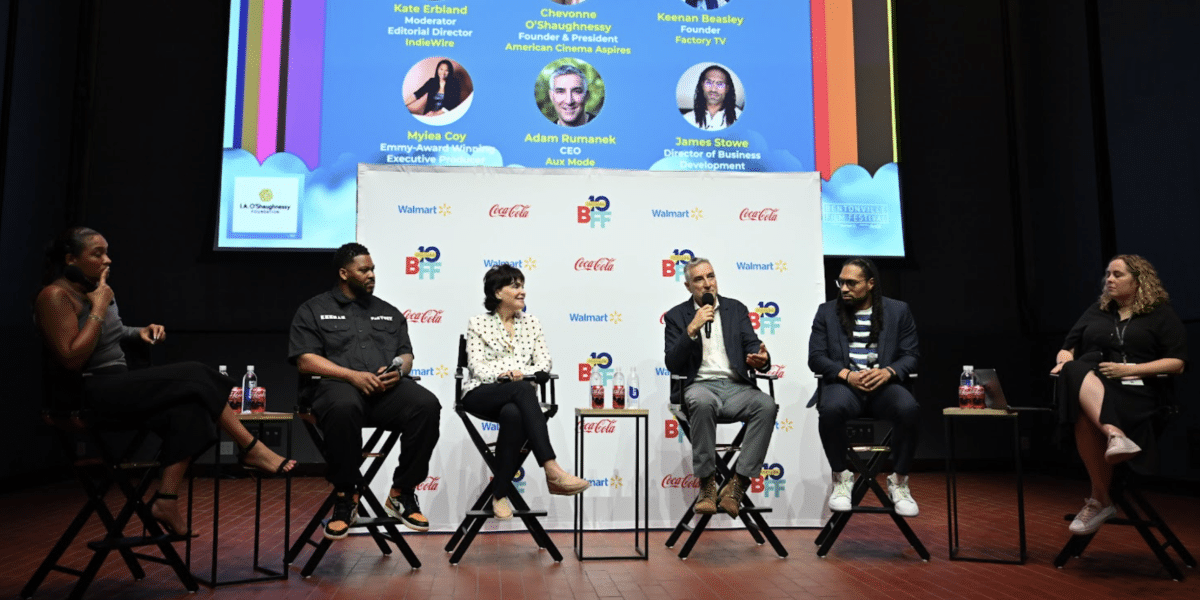
YouTube Monetization for TV and Film: How Adam Rumanek and Aux Mode Elevate Content Strategy

In a digital era where content is king, creators are increasingly seeking ways to turn their intellectual property into revenue. With streaming platforms like YouTube, there are opportunities to maximize reach and potentially monetize that reach. Adam Rumanek, founder and CEO of Aux Mode, has assisted content owners in leveraging YouTube functionality while helping protect their rights. Through Aux Mode, Rumanek has built a platform that aims to equip studios, producers, and brands to monetize, protect, and analyze their digital assets, making it a solution for turning content into potential revenue streams.

Introducing Adam Rumanek

Adam Rumanek has been active in the digital space for over two decades. In 2012, he saw the rise of YouTube as a business opportunity, recognizing the challenge content creators faced with copyright issues. To address these needs, he founded Aux Mode—a multi-channel network (MCN) that assists clients with best practices for monetizing YouTube channels while helping them maintain secure content sharing. Aux Mode, featured in resources like “How to Make Money on YouTube,” has become a go-to company for businesses interested in exploring digital media revenue.

Why Creators Choose Aux Mode

Aux Mode’s services revolve around a simple yet powerful mission: to help content owners globally convert their creative works into potential revenue sources. The company provides tailored services to help creators maximize YouTube’s platform, focusing on television, film, music, and other entertainment sectors. Aux Mode’s approach may help content owners make strategic decisions about ad placement and scheduling to generate revenue opportunities.

Content protection is a core service provided by Aux Mode. With ongoing issues like piracy and content theft, Aux Mode has developed methods focused on intellectual property protection. Measures like geo-blocking and Digital Rights Management (DRM) help reduce the risk of unauthorized use of copyrighted material.

Automated Reporting and Payment Solutions

Aux Mode also offers an automated revenue reporting system, which may simplify data tracking for creators. By providing clear monthly revenue reports, Aux Mode’s system aims to streamline the monitoring process for content owners, offering an efficient alternative to manual tracking.

For large production studios and distributors with complex payment structures, Aux Mode’s automated payments feature is designed to help manage billing issues. This solution is particularly valuable for companies with diverse revenue streams and complex financial needs.

Optimizing YouTube CMS and Audience Insights

Aux Mode also offers YouTube Content Management System (CMS) audits and training to help clients improve their channels. Through streaming insights, Aux Mode provides data to help clients understand their audience and make content adjustments that could potentially increase watch time. This service supports creators with data-driven strategies aimed at audience engagement, adding an additional layer of support for clients looking to expand their digital presence.

Aux Mode’s range of services, from content protection to advanced CMS training, may benefit companies looking to explore the full potential of YouTube and other streaming platforms.

Disclaimer: This article is for informational purposes only and does not constitute a guarantee of financial results. Revenue generation may vary depending on content type, audience engagement, and platform changes. Please consult with a financial or digital marketing professional before making investment or strategic decisions related to content monetization.


Published by: Annie P.