2025 Ring Trends: What’s Hot for the New Year?

Rings have always been a staple in any fashion lover’s jewelry collection, but 2025 is set to bring some next-level trends that you won’t want to miss. Whether you’re into bold, statement pieces or subtle, stackable rings, there’s something for everyone this upcoming year. Rings are no longer just an accessory to toss on; they’re becoming a core part of how we express our personal style. So, let’s dive into what’s about to blow up in 2025 and why your hands are about to get a serious upgrade.

Stack It Up: Layering Like a Pro

The art of stacking rings is going to be huge this year. Picture this: gold diamond rings stacked on top of one another, creating an effortless, luxe vibe. This trend is all about mixing and matching different ring styles, metals, and stones to create a custom look that feels totally unique. You’ll see a lot of rings with intricate details like tiny diamonds, gemstones, or delicate engravings that make each piece stand out. The best part about stacking is that there are no rules—go for a minimalistic look with just a couple of thin bands or pile on multiple chunky rings for a bolder statement. Either way, stacking rings is your go-to move if you’re looking to nail that 2025 jewelry aesthetic.

The beauty of stacking rings lies in their versatility. You can take a single ring and give it a fresh twist by layering it with different styles. Want to make it even more interesting? Play around with contrasting textures and finishes. Mixing smooth and hammered metals or combining polished and matte rings is how you take this trend from basic to next-level cool.

The Rise of Bold Statement Rings

If subtlety isn’t your thing, you’re in luck because 2025 is also all about bold, oversized statement rings. These rings are designed to be conversation starters, featuring large, eye-catching stones, intricate designs, and unusual shapes. This trend is perfect for anyone who wants their jewelry to make a big impression. And don’t think it’s just about the size of the ring—materials and craftsmanship are taking center stage as well. Think large gemstones like amethyst or turquoise in custom settings that scream “one-of-a-kind.”

Here’s where custom jewelry designs come into play. People are moving away from cookie-cutter pieces and opting for rings that reflect their personality. Whether it’s a birthstone, an engraved band, or something totally bespoke, custom designs give you the chance to wear something no one else has. Personalization is key, and 2025 is the year to get creative with your rings. Whether you’re designing your own or commissioning a piece from a local jeweler, the trend is all about being unapologetically you.

Mixed Metals: Why Choose One?

Gone are the days when you had to pick either silver or gold. In 2025, it’s all about mixing metals to create a dynamic, modern look. Whether you’re stacking rings or opting for a single standout piece, combining metals like gold, silver, and rose gold is the way to go. This trend makes it easier to pair your rings with the rest of your jewelry without feeling like you have to match everything perfectly. The mix of cool and warm tones creates a balanced, edgy aesthetic that works for any outfit, whether you’re dressed up or keeping it casual.

What’s cool about this trend is how it gives you freedom to break the rules. You’re no longer bound by the “one metal only” mindset. Pair a thick gold ring with a slim silver band, or try a chunky rose gold piece next to a sleek platinum one. This playful contrast not only looks modern but also lets you experiment with new styles that push boundaries.

The Power of Minimalism

Minimalism isn’t going anywhere in 2025. If you’re not into flashy designs, minimalist rings are still very much in style. Think simple, sleek bands, maybe with a single small gemstone or a tiny engraving. These rings are timeless and can be worn with anything, making them the perfect choice for someone who wants something elegant but not overpowering. Minimalist rings also lend themselves well to stacking, so if you’re into the layered look, you can still keep things simple by choosing thinner bands or more subtle designs.

What makes minimalist rings so appealing is their versatility. You can wear them every day, with anything from jeans and a tee to a little black dress, and they’ll always look appropriate. This trend is all about keeping things low-key but still polished and sophisticated.

The Rings You Need in 2025

Rings are set to be one of the biggest jewelry trends of 2025, and there’s something for everyone, whether you’re into bold statement pieces or subtle, minimalist designs. Stacking gold diamond rings on top of one another, playing with mixed metals, or opting for custom jewelry designs are just a few of the ways you can make your ring game strong next year. And with sustainability becoming more of a priority, you can feel good about your fashion choices, too. Whatever your style, the new year is bringing fresh, exciting ways to level up your ring collection.


Published By: Aize Perez

Interactive PDFs: What They Are and Why You Need Them

In the world we live in today, documents have changed a lot from being simple static pages. Now, we have PDF files that provide an engaging experience for the audience by combining text with images and multimedia elements. As the need for content grows, it’s important to grasp the significance of these documents and how they can be advantageous.

What Defines an Interactive PDF?

Before delving into the benefits or steps to create interactive PDFs, it is necessary to understand what these are. Interactive PDF files blend classic document features with components like links and multimedia elements, such as videos and audio files, to enhance user experience significantly compared to standard PDF documents.

Benefits of Using Interactive PDFs

Interactive PDF files offer several benefits. Firstly, they boost user engagement by creating an interactive experience. Clicking links or completing forms keeps readers engaged throughout the process. Secondly, these files are adaptable and can suit a variety of needs, from marketing content to educational materials. Lastly, interactive PDF documents simplify data collection. Incorporating forms directly into the files enables easy data collection and streamlines workflow processes.

Applications in Education

The field of education has seen improvements thanks to the use of PDF documents. Teachers effectively use them to craft lesson plans and educational resources that captivate students’ attention by including multimedia elements in the content they create. Moreover, interactive quizzes and activities inspire students to participate actively in their learning journey and reinforce desired learning goals effectively. This innovative teaching method accommodates diverse learning preferences and styles, leading to an inclusive and enriching educational environment for all students involved.

Marketing and Business Use

In the business world today, interactive PDF documents have revolutionized marketing approaches. Businesses use these files to create engaging presentations and brochures. The engaging features within these documents help steer customers toward understanding product details or services, aiding them in making informed choices. Moreover, interactive PDF files offer a budget-friendly option for printed materials, cutting down on production costs while still providing an engaging user experience.

Designing Effective Interactive PDFs

Creating an effective PDF file requires thoughtful preparation. At the core of the process lies the need to pinpoint the document’s intent and target audience. From there, shaping the design becomes a guided journey that ensures appropriate content and functions. Next, interactive elements should be integrated deliberately to avoid overwhelming readers with an excess of multimedia or links. Instead, employ interactive features wisely to enhance the document’s communication. Finally, conducting trial runs on multiple devices is essential to verify compatibility and operational smoothness.

Tools for Creating Interactive PDFs

Creating interactive PDFs is made easier with a variety of tools available for users at different skill levels—ranging from basic editing software to sophisticated design programs tailored for experienced designers seeking customization options beyond the basics.

Ensuring Accessibility

When creating PDFs, it’s crucial to prioritize accessibility. Inclusive design ensures that everyone, regardless of their abilities, can read and engage with the content. Make sure to use clear language, include text for images, and enable easy keyboard navigation. By testing the document with screen readers and other assistive tools, you can identify any obstacles and create a more inclusive environment for all users.

Future of Interactive PDFs

The outlook for PDF files appears bright as advancements in technology pave the way for their enhancement and the provision of increasingly immersive experiences for users. Their integration with cutting-edge technologies like augmented reality and virtual reality could revolutionize how people engage with documents. As the demand for content continues to rise, interactive PDF files are poised to play a significant role in digital communication strategies.

Conclusion

Interactive PDF files have transformed the way information is exchanged and digested across fields such as education and business. They provide an adaptable solution that is both engaging and cost-efficient in nature. By understanding the advantages and practical uses of PDF files, individuals and companies can unlock their potential to produce captivating and influential content tailored for a range of audiences.


Published By: Aize Perez

Care That’s Designed for You: Personalized, Nurse-Led Home Care by DignaCare At Home

Home healthcare plays a critical role in supporting individuals with medical needs in the comfort of their own homes. DignaCare At Home, a nurse-owned and nurse-led provider, offers a personalized approach to home care, ensuring each client receives attention tailored to their unique requirements. With nearly three decades of nursing experience among its staff, the company provides an exceptional level of care, particularly through its specialized programs such as palliative care, dementia support, and wound care. Serving clients throughout the Dallas-Fort Worth Metroplex, DignaCare has earned trust by maintaining a zero percent return-to-hospital rate.

The Importance of Nurse-Led Care

Personalized care at home can significantly improve a patient’s quality of life. At the heart of DignaCare At Home’s mission is the belief that home care should always be led by experienced nurses. This model ensures that all care decisions are made by professionals who have a deep understanding of medical protocols, patient needs, and healthcare standards. The company’s nursing team is not only skilled in delivering compassionate care but is also equipped to address complex medical issues that may arise during the course of treatment.

Nurse-led care allows for better management of chronic conditions and acute medical issues. Registered Nurses (RNs) can oversee care plans, ensuring they are adjusted according to the client’s evolving needs. This expertise is particularly beneficial for clients who require specialized services such as wound care, medication management, and more intensive medical interventions like palliative or dementia care.

Care That’s Designed for You Personalized, Nurse-Led Home Care by DignaCare At Home_2

Photo Courtesy: Mark R Hopkins

Expertise in Wound Care

One of the distinguishing features of DignaCare At Home is its expertise in wound care. Clients dealing with wounds, whether from surgery, injury, or chronic conditions such as diabetes, require precise and consistent care to promote healing and avoid complications. DignaCare’s staff is trained in advanced wound care techniques, including the proper cleaning, dressing, and monitoring of wounds to prevent infection and encourage recovery.

For many individuals, wound care can be a challenging aspect of home health management. Improper care can lead to infections, delayed healing, and even hospitalization. By entrusting wound care to a team of experienced nurses, DignaCare clients benefit from professional attention that minimizes risks and promotes optimal healing.

Specialized Programs: Palliative and Dementia Care

DignaCare At Home goes beyond basic healthcare services by offering specialized programs tailored to the needs of clients with serious and complex medical conditions. The company’s palliative care program focuses on providing relief from the symptoms, pain, and stress associated with chronic illnesses. This program is not just about medical treatment but also about improving the quality of life for both clients and their families.

Dementia care is another area where DignaCare shines. Caring for individuals with cognitive impairments requires a unique approach, combining medical expertise with patience and empathy. DignaCare’s team is well-versed in strategies that support individuals with dementia, helping them maintain a level of independence and dignity while managing the challenges that come with the condition.

RN Delegation for Optimal Care Management

A key component of DignaCare At Home’s service model is Registered Nurse (RN) delegation. RN delegation allows experienced nurses to delegate certain medical tasks to other caregivers, ensuring that clients receive consistent, high-quality care even when an RN is not present. This system works seamlessly to manage routine care while maintaining a high level of medical oversight, preventing unnecessary hospital visits and ensuring clients remain in the comfort of their homes.

The zero percent return-to-hospital rate achieved by DignaCare At Home speaks to the effectiveness of this model. By closely monitoring clients’ health and addressing any changes early on, the company significantly reduces the likelihood of medical emergencies that lead to hospital readmissions.

Care That’s Designed for You Personalized, Nurse-Led Home Care by DignaCare At Home_3

Photo Courtesy: Mark R Hopkins

Serving the Dallas-Fort Worth Metroplex

DignaCare At Home serves a broad area, providing care across the Dallas-Fort Worth Metroplex. With a commitment to delivering exceptional service, the company brings personalized care directly to the homes of those in need, eliminating the stress of frequent hospital or clinic visits. Clients and their families can rely on DignaCare for timely, professional, and compassionate care, helping them manage medical conditions with dignity and confidence.

The company’s wide service area also allows it to support a diverse range of clients, each with unique needs. Whether it’s assisting an elderly client with dementia or providing specialized wound care to a post-operative patient, DignaCare ensures every individual receives the best possible care.

The DignaCare Difference: Compassionate, Skilled, and Reliable

DignaCare At Home is more than a healthcare provider—it is a partner in each client’s wellness journey. The company’s commitment to maintaining a zero percent return-to-hospital rate reflects the care and attention given to every individual. This achievement is a testament to the effectiveness of the company’s nurse-led care model, which ensures that all medical decisions are made with the client’s well-being as the priority.

“DignaCare At Home is built on the belief that personalized care at home should always be led by experienced nurses who understand the unique needs of each client.” This guiding principle underscores every aspect of the company’s operations, from wound care to palliative and dementia support programs.

Families in the Dallas-Fort Worth area can trust DignaCare At Home to provide the level of care necessary to keep their loved ones safe, comfortable, and supported. With nearly three decades of nursing experience within its ranks, DignaCare is well-equipped to handle the most complex healthcare needs with professionalism and compassion.

Contact DignaCare At Home

For those interested in learning more about DignaCare At Home or inquiring about care services, the company can be reached through its website:

Website: www.dignacareathome.com

DignaCare is committed to serving the Dallas-Fort Worth Metroplex, offering personalized, nurse-led care tailored to each client’s specific needs.

Disclaimer: This content is for informational purposes only and is not intended as medical advice, nor does it replace professional medical expertise or treatment. If you have any concerns or questions about your health, always consult with a physician or other healthcare professional.


Published by: Annie P.

How is Fintech Transforming the Mortgage Process?

What is Fintech and How is it Impacting the Mortgage Industry?

Fintech, short for financial technology, is revolutionizing various sectors, including the mortgage industry. Traditionally, getting a mortgage involved a lot of paperwork, long waiting times, and multiple in-person meetings. Fintech changes all that by leveraging technology to make the process smoother and faster.

In the mortgage industry, fintech solutions streamline applications, reduce paperwork, and automate many steps that used to take days or weeks. This shift not only speeds up the approval process but also makes it more transparent. You can now apply for a mortgage, track your application status, and even sign documents online, all from the comfort of your home.

Fintech also improves communication between you and your lender, making the entire experience less stressful and more efficient. As a result, both lenders and borrowers benefit from a quicker, more convenient mortgage process.

How Does Fintech Enhance Efficiency in Mortgage Lending?

Fintech has brought remarkable efficiency to the mortgage lending process. When you think about traditional mortgage applications, the first thing that comes to mind is a mountain of paperwork and a lengthy approval process. Fintech completely changes this by digitizing and automating much of the workflow, making everything faster and more streamlined.

Streamlined Applications and Approvals

One of the biggest advantages fintech offers is the ability to streamline applications and approvals. You can now apply for a mortgage entirely online, often using a single platform that handles everything from submission to underwriting. This reduces the need for in-person visits and allows for quicker data processing. Algorithms can assess your creditworthiness in minutes, eliminating the waiting period that usually comes with traditional applications.

Transparent Communication

Fintech platforms also enhance transparency between lenders and borrowers. Throughout the mortgage process, you can access real-time updates and clear communication channels. This means no more waiting by the phone or checking your email incessantly for updates. Everything you need to know about your application status is available at your fingertips, making the entire experience less stressful and more predictable.

Personalized Loan Options

Another way fintech enhances efficiency is by offering personalized loan options. Advanced algorithms analyze your financial data to provide mortgage products that best fit your needs. This personalized approach not only speeds up the process but also ensures you get the best possible terms for your situation. You can compare different rates and terms from multiple lenders instantly, helping you make an informed decision quickly.

In summary, fintech transforms the mortgage process by making applications quicker, enhancing transparency, and providing personalized options, all of which save you time and make the journey to homeownership smoother.

What Are the Cost Benefits of Fintech in the Mortgage Process?

Fintech is significantly cutting down costs in the mortgage process, and this is good news for both lenders and borrowers. Traditional mortgage processes involve a lot of paperwork, manual data entry, and face-to-face interactions, all of which add up to substantial operational expenses. By digitizing these processes, fintech reduces the need for physical offices and staff dedicated to handling paperwork.

One of the major cost benefits is the reduction in closing costs. Fintech solutions streamline the entire closing process, making it quicker and more efficient. This not only speeds up the transaction but also slashes the fees associated with closing. In fact, electronic mortgages can reduce costs by an average of $1,100 per loan.

Additionally, fintech platforms utilize automation and advanced algorithms to handle tasks that would typically require human intervention. This means fewer errors and less time spent on corrections, further driving down costs. For lenders, this translates to lower origination costs and higher profit margins.

For borrowers, these savings often come in the form of lower interest rates and fees. With reduced operational costs, lenders can afford to offer more competitive rates, making homeownership more accessible and affordable for a broader audience.

How Does Fintech Improve the User Experience for Borrowers?

Fintech is making the mortgage process much smoother and more user-friendly for borrowers. By leveraging digital tools and innovative technologies, fintech companies are transforming how you interact with lenders and navigate the mortgage journey.

Streamlined Applications and Approvals

One of the major benefits of fintech is the ability to streamline applications and approvals. Traditionally, applying for a mortgage could be a daunting task, involving heaps of paperwork and several in-person meetings. With fintech, you can complete your mortgage application online, often in just a few clicks. This means less time spent on tedious paperwork and more time focusing on finding your dream home. Additionally, fintech platforms often offer pre-approval within minutes, giving you a clearer idea of your budget from the get-go.

Transparent Communication

Fintech also enhances transparency in the mortgage process. Digital platforms allow for clear and consistent communication between you and your lender. You can track the status of your application in real-time, receive instant updates, and easily access all necessary documents online. This level of transparency reduces the anxiety and uncertainty that can come with waiting for approval or wondering where you stand in the process.

Personalized Loan Options

Another way fintech improves the borrower experience is through personalized loan options. Using advanced algorithms and machine learning, fintech companies can assess your financial situation more accurately and offer loan products tailored to your needs. This means you’re more likely to find a mortgage that fits your specific circumstances, whether you have a traditional credit history or not.

In summary, fintech is revolutionizing the mortgage process by making it more efficient, transparent, and tailored to individual needs. Whether it’s through streamlined applications, clear communication, or personalized loan options, fintech is putting you, the borrower, at the center of the mortgage experience.

Why is Fintech Making Mortgages More Accessible and Competitive?

Fintech is transforming the mortgage landscape by making it more accessible and competitive for a wider range of borrowers. One of the key ways fintech achieves this is through the use of alternative data in credit assessments. Unlike traditional lenders, fintech firms can utilize non-traditional data sources to evaluate a borrower’s creditworthiness. This means that even if you have a limited credit history, you still have a chance to secure a mortgage. This opens up the market to first-time homebuyers and those with non-traditional credit profiles.

Another significant advantage of fintech is the reduction in processing times. Traditional mortgage applications can be lengthy and cumbersome, often deterring potential homeowners. However, fintech companies streamline these processes, allowing for quicker loan approvals and more efficient processing. This speed not only makes the experience less stressful but also more convenient, especially in competitive housing markets where time is of the essence.

Fintech also fosters a more competitive market by enabling borrowers to easily compare mortgage rates and terms from multiple lenders. With digital platforms, you can access a variety of options in real-time, helping you make informed decisions without the need to visit multiple banks or brokers. This transparency encourages lenders to offer better rates and terms to attract borrowers, ultimately benefiting you as a consumer.

Additionally, fintech leverages data analytics and machine learning to provide more personalized mortgage options. These technologies allow lenders to tailor loan products to your specific needs and financial situation, ensuring you get the best possible terms. This level of personalization was previously unattainable with traditional lending methods.

Overall, the integration of fintech in the mortgage industry allows for quicker loan approvals and more efficient processing, reducing the time it takes for borrowers to secure financing. This evolution not only makes mortgages more accessible but also drives competition, resulting in better deals for borrowers.

What Does the Future Hold for Fintech and Mortgage Lending?

The future of fintech in mortgage lending looks promising. As technology continues to advance, you can expect even more streamlined and efficient processes. One significant trend is the increased use of artificial intelligence (AI) and machine learning to further refine credit assessments and personalize loan options. This means faster approvals and more tailored solutions to meet your specific needs.

Moreover, the rise of mobile-first solutions will make it easier for you to manage your mortgage on the go. From application to approval and beyond, you’ll be able to handle everything from your smartphone. This will be especially beneficial in a fast-paced world where convenience is key.

Fintech will likely continue to foster competition among lenders, driving down costs and improving service quality. As more fintech companies enter the market, you can look forward to better rates and terms, making homeownership more accessible than ever before.

Summary and Key Takeaways

Fintech is transforming the mortgage process by making it more efficient, cost-effective, and user-friendly. By leveraging advanced technologies like AI and machine learning, the mortgage industry is experiencing faster application processing, reduced paperwork, and improved communication between lenders and borrowers.

You benefit from the streamlined processes, quicker approvals, and personalized loan options that fintech offers. The digitalization of the mortgage process not only saves time but also enhances security and reduces the likelihood of errors or fraud.

As fintech continues to evolve, you can expect even more innovations that will make the mortgage experience smoother and more accessible. The future of mortgage lending looks promising, with fintech driving significant improvements in both the efficiency and accessibility of home financing.

Disclaimer: This content is for informational purposes only and is not intended as financial advice, nor does it replace professional financial advice, investment advice, or any other type of advice. You should seek the advice of a qualified financial advisor or other professional before making any financial decisions.

Published by: Nelly Chavez

How to Choose the Right Size Fermentation Tank for Your Needs

Choosing the right size fermentation tank is crucial for successful brewing, whether you’re a home brewer or operating a commercial facility. The size of your fermentation tank directly affects production efficiency, fermentation quality, and scalability. This article will guide you through the key factors to consider when selecting the appropriate fermentation tank size for your needs, ensuring that you can produce the ideal results.

1. Understanding Fermentation Tank Sizes

Fermentation tanks come in various sizes, typically measured in gallons or liters. They range from small home brewing options (often 1 to 10 gallons) to large commercial tanks that can hold several hundred or even thousands of gallons. Understanding the scale of your brewing operation is the first step in determining the right tank size.

1.1 Home Brewing

For home brewers, small fermentation vessels (5 to 10 gallons) are often sufficient. This size allows for experimentation with different recipes without excessive waste. However, if you plan to share your brews or host tasting events, consider larger tanks that accommodate higher volumes.

1.2 Commercial Brewing

For commercial operations, the size of fermentation tanks can range widely. Small craft breweries might start with 15-30 gallon tanks, while larger breweries can utilize 100-gallon tanks or more. Assessing your production goals and anticipated demand is essential in this context.

2. Assessing Production Needs

To choose the right fermentation tank size, assess your production needs and future growth potential:

2.1 Calculate Demand

Determine how much product you plan to produce regularly. Consider factors like:

  • Sales Projections: Estimate how many units you expect to sell based on market research.
  • Batch Frequency: Decide how often you’ll brew—daily, weekly, or monthly.

Using these factors, you can project your monthly or yearly production needs.

2.2 Consider Batch Size

Your batch size will significantly influence the size of the fermentation tank you need. A larger batch size will require a larger tank, while smaller batch sizes may allow for more flexible tank options. Keep in mind that fermentation tanks should ideally not be filled to capacity, allowing for foam and bubbles during fermentation.

3. Evaluating Fermentation Time

Fermentation time varies depending on the type of beverage you’re producing and the yeast used. Shorter fermentation times may mean you need more tanks to keep up with production. Conversely, if you can hold longer fermentation times, you might get away with fewer tanks.

3.1 Quick Fermenting Beverages

For quick-fermenting beverages, such as certain ales or kombucha, shorter fermentation times can lead to higher production frequency. In such cases, investing in multiple smaller tanks may be advantageous.

3.2 Long Fermenting Beverages

For beverages that require longer fermentation times, like lagers or certain wines, larger tanks may be more beneficial, as they can hold more product and reduce the need for frequent tank changes.

4. Future Growth and Scalability

When choosing a fermentation tank size, consider not only your current needs but also your future growth. It’s wise to select a tank that allows for scalability.

4.1 Planning for Expansion

If you anticipate expanding your production capacity, it may be worth investing in larger tanks from the outset. This can save you the costs and logistics of upgrading equipment later on.

4.2 Flexibility in Operations

Having a range of tank sizes can provide flexibility in production. For example, smaller tanks can be used for experimental or seasonal brews, while larger tanks handle the core products.

5. Space and Facility Constraints

Your brewing facility’s layout and space will also dictate your tank size.

5.1 Available Floor Space

Measure the available floor space in your facility and account for the size of the fermentation tank, including clearance for cleaning and maintenance. Ensure that there’s enough room for future expansion as well.

5.2 Tank Height

Consider the height of the tank, especially if your facility has low ceilings. Some tanks are taller than others, which can impact your choice.

6. Tank Material Considerations

The material of the fermentation tank can affect its size and efficiency. Tanks are typically made from:

  • Stainless Steel: Durable, easy to clean, and ideal for larger tanks.
  • Plastic: Often lighter and less expensive but may have size limitations.
  • Glass: Suitable for smaller operations but impractical for large-scale production.

Each material has its own advantages and disadvantages, which can also impact the effective size of the tank.

7. Budget Considerations

Your budget will ultimately play a significant role in your choice of fermentation tank size. Larger tanks are typically more expensive, so it’s crucial to balance size with your financial capacity.

7.1 Initial Costs vs. Long-term Savings

While larger tanks may require a more significant initial investment, they can lead to long-term savings through increased efficiency and production capacity. Assess your financial situation to determine the ideal approach.

Conclusion

Choosing the right size fermentation tank is a critical decision that can impact your brewing success. By assessing your production needs, future growth, available space, and budget, you can make an informed choice that supports your brewing goals. Whether you’re a home brewer or a commercial producer, the right fermentation tank will enhance your brewing experience and product quality.

FAQs

  • How do I determine the right size fermentation tank for my home brewing setup? Assess your brewing frequency and batch size. A 5-10 gallon tank is typically sufficient for home brewing, but larger tanks can be beneficial for sharing or scaling up.
  • What factors should I consider for commercial fermentation tank size? Consider your production goals, demand forecasts, fermentation time, facility space, and budget. A mix of tank sizes may offer flexibility.
  • Can I use a smaller tank for larger batches? Yes, but it may require multiple fermentations to meet production needs. Larger tanks are more efficient for continuous production.
  • What are the advantages of stainless steel fermentation tanks? Stainless steel tanks are durable, easy to clean, and ideal for larger operations. They also allow for better temperature control and are resistant to corrosion.

VIST: https://www.micetgroup.com


Published by: Khy Talara

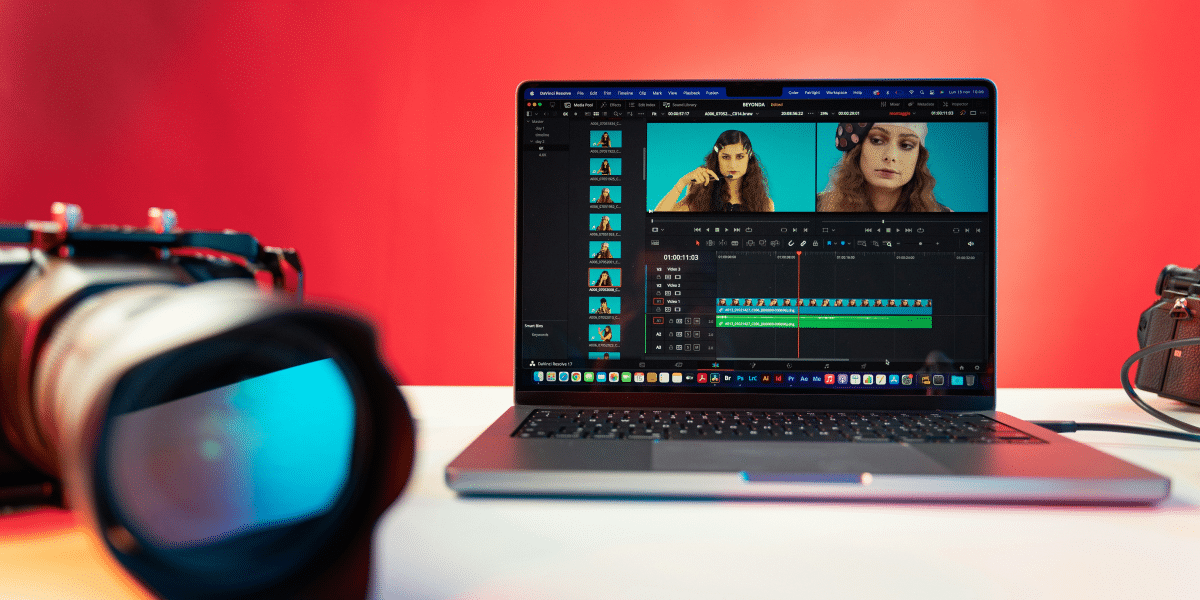
How to Optimize Your Mac for Video Editing?

Video editing can turn into a difficult chore for any computer if it lacks the components it needs or does not have enough memory capacity to handle such a large project. Macs typically come with a generous set of requirements for such things, but we couldn’t lay our money on this happening every time.

Optimizing your Mac is a beneficial activity that you should try every few months or at least once a year. We have also provided a few recommendations to help you go through this process quickly. Without further ado, let us dive into our tips to get all of your solutions on how to optimize your Mac for editing videos, among other things:

Keep Your Mac Clean

Making sure your system is organized and free of clutter is one of the most effective ways to maximize your Mac for video editing. The accumulation of temporary files, cache data, and other superfluous software over time degrades your Mac’s speed. We suggest using any reputable and Reputable Free Mac Cleaner to scan for and remove undesirable files in order to solve this issue. This would increase the MacBook’s speed by freeing up disk space.

Use an External Drive to Reduce the Burden

It is widely recognized that video files frequently occupy large amounts of space. Furthermore, you will not believe how quickly this will come back to haunt you if you consistently work with your laptop’s stock RAM serving as their only source of storage. Purchasing an external HDD could help avert the approaching emergency.

Purchasing one with one or two TB of storage will let you preserve the health and storage of your Mac along with the safety of your priceless material that is externally stored. By doing this, the whole Mac video editing experience would be improved. Video editing work can also be outsourced.

Use an Updated Graphics Card

If your Mac does not have a modern graphics card, editing videos will become a laborious process very fast. Your editing will run more smoothly the better your graphics card is. An out-of-date graphics card will cause lag, which will get worse the more editing you try to do.

Numerous businesses offer external GPUs that are incredibly powerful for these kinds of jobs. When handling your editing, an eGPU can lighten the burden on your Mac and give it a little breathing space. As an alternative, using an external graphics card is also taken into consideration. Honestly, the basic idea is to divert electricity from the main grid.

Eliminate Bloatware

Every computer that is purchased is loaded with bloatware, which is nothing more than parent-company advertisements designed to convince the customer to spend more money on system products. Over time, these apps can cause your system to slow down and increase your anxiety. Reducing these applications can possibly free up a ton of space.

Update System Software

The newest and best products for Mac devices are something Apple is really proud of. They also provide lengthy support for the aforementioned devices—often up to 4-5 years. For this reason, chances are Apple is still updating your device even if you do not have the newest version. These upgrades will undoubtedly help organize space overall, so keep them enabled.

Utilize Proxy Files

Setting up proxy files is something you should think about if you work as a full-time editor and want to finish your videos correctly without causing too much disruption to your system. By reducing the size of the actual video content, a proxy file allows you to continue working on it without using up the entire amount of RAM on your computer. After finishing and being happy with the final output, you create a master proxy file that can be turned into a whole video.

Upgrade Your RAM

It is not all about the storage. RAM is just as crucial to your Mac since it speeds up video rendering, among other things. MacBooks come with different amounts of RAM pre-installed, but you might be able to increase it with the assistance of a nearby computer retailer. Another option for making space is to use tools from other sources. Ultimately, though, you should think about adding more RAM to the MacBook to boost its performance and lifespan as well as its ability to produce videos quickly.

Conclusion

So, that’s all about how you can optimize your Mac for video editing. Video editing can be a real pain if your Mac is not functioning as it needs to be. But if you have the proper tools and an optimized Mac, you can easily fulfill every need for video editing. So, the next time your Mac fails to function properly, you can use the methods outlined in this article to complete video editing with ease and improve your overall editing workflow. 

Producing high-end videos will be a breeze for you if you have the appropriate hardware and software setup.


Published by: Khy Talara

The Future of CCSP Training in an AI-Driven World

The rapid evolution of artificial intelligence has transformed every corner of the tech world, including cybersecurity. If you’re a cybersecurity professional, you already know how fast things change. As AI continues reshaping technology, anyone serious about cybersecurity must stay ahead of these shifts. One certification that positions you for success in this ever-evolving landscape is the Certified Cloud Security Professional. But how does AI influence how professionals like you prepare for this certification?

The Role of AI in Cybersecurity Education

Artificial intelligence is changing the threats we face and how we train to defend against them. Cybersecurity training no longer relies solely on traditional methods. Instead, AI-driven learning tools are providing personalized, adaptive learning experiences. If you aim for the CCSP certification, this means smarter study plans that adapt to your strengths and weaknesses, helping you focus on what matters most.

Imagine having a training program that recognizes which topics you’re struggling with and adjusts your learning path accordingly. AI-powered tools are making that a reality, offering interactive simulations and real-time feedback. Whether cloud governance or cloud security operations, you can hone your skills more efficiently with these innovative resources. Professional CCSP certification guide materials already incorporate AI features, ensuring your preparation stays relevant in this fast-paced field.

Real-Time Problem Solving Through AI

AI doesn’t just assist with learning; it helps you solve real-world cybersecurity problems in real time. Picture working through cloud security scenarios where AI generates unique problem sets based on emerging threats. This type of interactive learning is where the future of CCSP training is heading. Instead of just reading about security measures, you’ll apply your knowledge in dynamic, real-world simulations that reflect the latest cyber threats.

As AI evolves, cybersecurity experts like you must continuously update your skills. Gone are the days when traditional training methods were enough. Now, you can access AI-enhanced learning environments that mimic security incidents, making your training more practical and engaging.

AI-Powered Cloud Security Threat Detection

With AI taking a more prominent role in cybersecurity, professionals must understand how AI influences cloud security threat detection and mitigation. Training for your CCSP is about more than just mastering concepts—it’s about learning to use AI-driven tools to protect cloud infrastructures.

As you prepare for your CCSP certification, expect your training to include hands-on experience with AI-powered security tools. This ensures you’re not only passing exams but staying equipped to handle the latest threats in your job.

The Shift to Continuous Learning

The traditional model of earning a certification and sticking to it for years is quickly becoming outdated, particularly with the rapid advancements in AI and cybersecurity. AI-driven systems will continuously update CCSP training programs to keep up with new security challenges. This shift toward continuous learning means you’ll need to stay sharp, even after you earn your certification.

AI’s ability to scan for emerging threats and develop new training scenarios on the fly makes this an exciting time for anyone preparing for the CCSP. You’ll be learning about current threats, not just outdated case studies. This makes CCSP training more dynamic, requiring you to stay engaged with ongoing updates.

CCSP Training in an AI-Enhanced Future

AI is not just about efficiency—it’s reshaping how cloud security professionals approach their education. AI-assisted mentors, personalized study paths, and adaptive learning environments will play a massive role in how you prepare for your CCSP. These AI-driven tools can predict what areas you’ll struggle with, offering additional practice and reducing wasted time on topics you’ve mastered.

Picture a training experience where AI learns alongside you, predicting challenges before they happen and tailoring practice exams based on your current skill level. That’s the future of CCSP training. These advanced systems will help you gain the skills to excel in cloud security while making your study process more streamlined and targeted.

AI’s Impact on Career Growth

As AI becomes more integrated into cybersecurity, its role in cloud security will also grow. Employers are already looking for professionals who can effectively handle AI-driven security systems. A CCSP certification will signal that you’re prepared for this future, with the hands-on experience and understanding to manage cloud environments where AI plays a critical role.

This certification positions you at the forefront of cybersecurity innovation. CCSP training ensures you’re well-versed in traditional cloud security principles and emerging AI technologies. As AI takes over more routine tasks, professionals who can strategically manage and secure cloud systems will see their career opportunities skyrocket.

Embracing AI in Your Learning Journey

AI is going to change how every cybersecurity professional trains and grows. It offers a powerful ally in mastering cloud security, transforming how you prepare and work in the field. The next phase of CCSP training will likely include AI-driven virtual environments beyond theory, placing you in practical, high-stakes scenarios that reflect the real world.

CCSP candidates will benefit from AI by receiving more personalized instruction, faster updates to materials, and interactive learning modules that adapt in real-time to new challenges. Your learning journey will vastly differ from traditional study methods as you engage with AI-enhanced tools that push your understanding to the next level.

Shaping Tomorrow’s Cybersecurity Professional

AI isn’t just a tool—it’s a game-changer for cybersecurity education and training. As it evolves, so will the CCSP certification process. You’ll benefit from AI’s capabilities, growing your skills and knowledge in ways that wouldn’t have been possible a decade ago.

Taking advantage of AI-driven CCSP training today will help you use the tools needed to thrive in an AI-powered security landscape. Prepare for a future where cybersecurity professionals are armed with cutting-edge AI knowledge and cloud security expertise!

Published by: Holy Minoza

Marketing Your Book: A Guide for Authors

By: David Benson

As an author, crafting your manuscript is just one part of your journey. The next, equally crucial phase involves marketing your book effectively. In today’s competitive literary landscape, understanding the fundamentals of book marketing can significantly enhance your visibility and sales. Here’s how Writers Bloom can assist you in navigating this vital aspect of your writing career.

1. Understanding the Importance of Marketing

Many authors, particularly those new to the publishing world, often underestimate the importance of marketing. A staggering 85% of books published by traditional publishers see minimal marketing support, often under $2,000. This means that authors must take the initiative to market their books effectively. Establishing a marketing strategy early can help set you apart and ensure your book reaches its intended audience.

2. Building Your Author Brand

Before diving into specific marketing tactics, it’s crucial to establish a solid author brand. Your brand is how readers perceive you and your work. To build your brand:

  • Define Your Audience: Understand who your readers are. What are their interests? Where do they spend time online?
  • Create an Online Presence: Develop a website and utilize social media platforms like Twitter and Facebook. These are essential tools for engaging with your audience and promoting your book.
  • Consistent Messaging: Ensure that your messaging aligns across all platforms. This consistency builds trust and recognition among potential readers.

3. Effective Marketing Strategies

Once your brand is established, you can implement various marketing strategies:

  • Content Marketing: Start a blog related to your book’s themes or genres. This can help draw in potential readers and establish you as an authority in your niche.
  • Email Marketing: Build an email list by offering free content related to your book, like a short story or a sample chapter. This not only keeps readers engaged but also provides a direct line for updates on new releases.
  • Social Media Advertising: Invest in targeted ads on platforms where your audience is most active. This can increase your book’s visibility significantly.

4. Networking and Collaborations

Networking with other authors and industry professionals can open doors for new marketing opportunities. Engage with other writers through social media, writing groups, or local author events. Consider collaborations, such as co-hosting book signings or virtual events, which can help you tap into each other’s audiences. Building long-term relationships in the literary community is invaluable.

5. Utilizing Online Platforms

Platforms like Goodreads, BookBub, and Amazon are essential for book marketing. These sites allow authors to connect directly with readers, promoting their books through targeted advertisements and author profiles. Engage actively in reader communities and consider offering promotional deals to generate interest and reviews.

6. The Role of Reviews

Encouraging readers to leave reviews can significantly impact your book’s success. Positive reviews boost credibility and help attract new readers. Consider sending advanced reader copies (ARCs) to book bloggers and influencers in exchange for honest reviews. A strong collection of reviews can create buzz around your book and drive sales.

7. Long-Term Marketing Approach

Marketing is not a one-time effort but a continuous process. Authors must adapt their strategies based on feedback and results. Analyze which marketing tactics yield the ideal results and refine your approach accordingly. Maintaining a consistent presence and regularly updating your audience about your writing journey will keep readers engaged.

Conclusion

Marketing is an integral part of an author’s career, and utilizing effective strategies can lead to long-term success. Writers Bloom is dedicated to empowering authors by providing the resources and guidance needed to market their books effectively. By focusing on brand building, employing diverse marketing strategies, and maintaining a long-term approach, you can ensure your book reaches the readers it deserves.

By taking the time to understand and implement these marketing techniques, authors can transform their passion for writing into a thriving career.

Published by: Holy Minoza