interface.ai’s 30M Funding Round Potentially Makes Them A Valued Agentic AI Startup in Banking

interface.ai, a leader in AI solutions for community banks and credit unions, has completed a significant funding round led by Avataar Venture Partners. Previously bootstrapped, interface.ai has achieved remarkable growth, generating tens of millions in revenue and serving nearly 100 financial institutions. With this new capital, the company is poised to expand its customer base to over 1,000, solidifying its position as one of the leading AI companies in the banking sector.

Meeting the Demand for Faster Banking Services

As consumer preferences shift toward faster, more efficient service, traditional banking institutions face increasing challenges. Customers today expect immediate responses, yet many financial institutions are weighed down by complex infrastructures with hundreds of customized products. This is where interface.ai’s AI solutions offer a critical advantage.

Interface.ai’s AI platform, designed specifically for the banking, financial services, and insurance (BFSI) sector, integrates seamlessly with existing banking systems. Its flagship product, Sphere, enables AI-driven support through voice and chat, as well as internal staff co-pilot systems. These AI agents handle more than 60% of customer inquiries autonomously, reducing operational costs and allowing human agents to focus on more complex issues. With advanced natural language processing that recognizes different accents, interface.ai’s agents deliver an experience indistinguishable from speaking with a live agent.

A New Era of AI-Driven Financial Services

What sets interface.ai apart is its ability to go beyond basic customer service. The company’s AI agents, deeply integrated into core banking systems, execute transactions and offer personalized financial insights. For instance, when a customer requests to modify a mortgage payment, the AI agent can process the request and recommend relevant financial products, such as insurance, based on the customer’s financial profile.

CEO Srinivas Njay highlighted the company’s vision, saying, “This funding will allow us to accelerate the transformation of self-service in banking through agentic AI, delivering unified and hyper-personalized experiences that empower financial institutions’ customers and employees. Our AI agents don’t just react—they anticipate needs, provide tailored advice, and autonomously guide individuals toward long-term financial wellness.”

Njay’s personal connection to the community banking sector, inspired by his father’s work in helping middle-class families, drives interface.ai’s mission to democratize financial wellness. With over 150 million individuals served by U.S. credit unions and community banks, interface.ai aims to empower customers from all backgrounds through personalized financial education and advice.

Scaling Innovation and Enhancing Services

With this funding, interface.ai plans to expand its team, enhance its product offerings, and accelerate its go-to-market strategies. The company will invest in advancing its proprietary AI technology to ensure it remains compliant with evolving regulatory standards while continuing to meet the dynamic needs of its clients.

Nishant Rao, Founding Partner at Avataar Venture Partners, expressed confidence in interface.ai’s future. “Sri and Bruce have done a stellar job in building an at-scale company from the ground up, and we are super inspired by their future vision to better serve and impact over 150 million American lives,” Rao said. He added, “I genuinely believe interface.ai could potentially become a billion-dollar revenue company.”

As financial institutions increasingly turn to AI to improve efficiency and customer service, interface.ai is well-positioned to lead the charge. interface.ai is poised to transform the manner in which banks and credit unions interact with their clients by providing innovative solutions that automate routine tasks and provide personalized financial advice.

With this latest funding round, interface.ai is poised to continue its growth trajectory, driving the future of AI in banking and empowering financial institutions to offer proactive, personalized service to their customers.

Disclosure: This article is for informational purposes only. Predictions about future financial performance are speculative and should not be taken as financial advice.


Published by: Annie P.

Unveiling the Treasures: A Journey Through the Vatican Museums

Nestled within the heart of Vatican City, the Vatican Museums stand as a testament to human creativity and divine inspiration. These hallowed halls house one of the world’s most extensive and significant art collections, spanning millennia of human history and artistic expression. From ancient Egyptian artifacts to Renaissance masterpieces, the Vatican Museums offer visitors an unparalleled journey through time and culture.

A Brief History of the Vatican Museums

The origins of the Vatican Museums can be traced back to the 16th century when Pope Julius II began collecting sculptures. Over the centuries, successive popes expanded the collection, adding paintings, tapestries, and other artifacts. Today, the museums comprise 54 galleries, each offering a unique glimpse into different periods and styles of art.

Key Milestones:

  • 1506: Discovery of the Laocoön sculpture group
  • 1771: Opening of the Pio-Clementine Museum
  • 1932: Inauguration of the Pinacoteca Vaticana
  • 1970: Opening of the Collection of Modern Religious Art

Must-See Masterpieces

The Vatican Museums house countless masterpieces, but some stand out as true icons of art history:

  1. The Sistine Chapel Ceiling: Michelangelo’s fresco masterpiece
  2. Raphael’s Rooms: A series of frescoed rooms by Raphael and his workshop
  3. Laocoön and His Sons: An ancient Greek sculpture discovered in Rome
  4. The School of Athens: Raphael’s famous fresco depicting classical philosophers
  5. Apollo Belvedere: A celebrated ancient Roman copy of a Greek bronze original

Each of these works offers visitors a chance to witness the pinnacle of human artistic achievement up close.

Navigating the Vatican Museums

With over 70,000 works of art spread across 54 galleries, navigating the Vatican Museums can be overwhelming. Here are some tips to make the most of your visit:

  1. Plan Your Route: Decide which galleries and works you absolutely must see
  2. Use a Map: The museums provide free maps to help you navigate
  3. Consider a Guided Tour: Expert guides can offer valuable insights and help you avoid crowds
  4. Take Breaks: The museums are vast, so pace yourself and take rest stops

Planning Your Visit

To ensure a smooth and enjoyable experience at the Vatican Museums, consider the following:

  • Book in Advance: Online reservations can help you skip long queues
  • Choose Your Time Wisely: Early morning or late afternoon visits often mean smaller crowds
  • Dress Appropriately: Remember, this is a religious site with a dress code
  • Bring Water: Stay hydrated, especially during summer months
  • Allow Enough Time: A thorough visit can take 3-4 hours or more

The Sistine Chapel: A Crowning Glory

No visit to the Vatican Museums is complete without experiencing the Sistine Chapel. This iconic space, adorned with Michelangelo’s ceiling frescoes and his powerful “Last Judgment,” represents the pinnacle of Renaissance art.

Interesting Facts:

  • The ceiling took Michelangelo four years to complete (1508-1512)
  • The “Last Judgment” was painted much later, from 1536 to 1541
  • The chapel is still used for papal conclaves to elect new popes

Beyond the Art: Gardens and Architecture

While the artworks are the main attraction, the Vatican Museums also boast stunning architecture and beautiful gardens:

  1. Vatican Gardens: A peaceful oasis of greenery and fountains
  2. Bramante Staircase: A double helix staircase designed in 1512
  3. Gallery of Maps: A long corridor adorned with topographical maps of Italy
  4. Borgia Apartments: Lavishly decorated rooms once used by Pope Alexander VI

These elements add another dimension to the museum experience, showcasing the grandeur of the papal residence.

Preservation and Restoration Efforts

The Vatican Museums are not just about displaying art; they’re also at the forefront of art preservation and restoration. Ongoing efforts include:

  • Climate control systems to protect delicate artworks
  • Advanced cleaning techniques for frescoes and sculptures
  • Digital documentation of the entire collection
  • Collaboration with international experts and institutions

These efforts ensure that future generations can continue to enjoy these priceless treasures.

The Vatican Museums in the Digital Age

In recent years, the Vatican Museums have embraced technology to enhance visitor experiences and reach a global audience:

  1. Virtual Tours: Explore parts of the museums online
  2. Mobile Apps: Interactive guides and information at your fingertips
  3. Social Media Presence: Regular updates and behind-the-scenes content
  4. Online Ticketing: Easy reservation system to plan your visit

These digital initiatives make the Vatican Museums more accessible than ever before.

Conclusion

The Vatican Museums offer an unparalleled journey through art history, faith, and human creativity. From ancient sculptures to Renaissance masterpieces, every visit promises new discoveries and lasting memories. Whether you’re an art enthusiast, history buff, or curious traveler, the Vatican Museums provide an experience that will enrich your understanding of art and culture for years to come.

As you plan your visit to Rome, make sure to allocate ample time for exploring the Vatican Museums. The treasures within these walls tell stories of human achievement, spiritual devotion, and the enduring power of art to inspire and unite us across centuries and cultures.


Published by: Annie P.

How to Prepare for Your First Day in Rehab

Taking the step toward rehabilitation is a significant decision. Whether you’re seeking help for substance abuse or mental health issues, preparing for your first day in rehab can ease some anxiety and set you up for success. This guide provides practical tips and insights to help you navigate this transition smoothly.

At New Method Wellness Recovery Center, we understand that the first day can feel overwhelming. However, with the right mindset and preparation, you can approach it with confidence and readiness.

Understand the Rehab Process

Before diving into your first day, it’s crucial to have a clear understanding of what rehab entails. Rehabilitation typically includes a combination of therapy sessions, group activities, and wellness practices. You’ll engage with a team of professionals who will guide you through your journey. Knowing this in advance helps demystify the process and sets realistic expectations.

Familiarize Yourself with the Facility

If possible, take a tour of New Method Wellness Recovery Center before your first day. Familiarizing yourself with the layout and amenities can reduce feelings of uncertainty. You might see the therapy rooms, dining area, and relaxation spaces. Knowing where you’ll be spending your time can help make the environment feel less intimidating.

If a tour isn’t feasible, check the center’s website for photos and descriptions. Understanding the space can help you visualize your experience and make it feel more comfortable.

Pack the Essentials

Packing the right items is essential for a smooth transition into rehab. Here’s a checklist of what to bring:

  • Clothing: Comfortable and casual clothes that are suitable for various activities. You may want to pack layers, as the temperature can fluctuate.
  • Personal hygiene products: Bring travel-sized toiletries, such as shampoo, conditioner, toothpaste, and any specific items you prefer. Make sure these items adhere to the facility’s guidelines.
  • Medications: If you take any prescribed medications, bring them along in their original bottles. Inform the staff about any over-the-counter medications you use as well.
  • Comfort items: Personal items like photos, books, or journals can help you feel more at home. However, check the facility’s policies on what’s allowed.
  • No valuables: Leave behind any expensive items, such as jewelry, electronics, or large amounts of cash.

Mental Preparation

Your mental state plays a significant role in how you approach rehab. Here are a few strategies to help you prepare mentally:

  • Set realistic goals: Understand that recovery is a process. Set achievable goals for your time in rehab, whether it’s learning coping mechanisms or improving self-awareness.
  • Practice mindfulness: Engage in mindfulness practices like meditation or deep breathing exercises to help calm your mind. This can create a sense of peace as you prepare for your new environment.
  • Accept your feelings: It’s normal to feel anxious, scared, or even excited. Acknowledge your emotions without judgment. Remember that everyone in rehab is on a similar journey and understands what you’re going through.

Be Open and Honest

During your stay at New Method Wellness Recovery Center, openness is vital. From the very first day, be honest about your struggles and experiences. This honesty will allow the professionals to tailor their support to your needs. It also helps you build trust with your counselors and peers.

Plan for Communication

Consider how you want to communicate with friends and family during your stay. Many facilities have specific rules regarding phone calls and visits. Knowing these details in advance can help you manage your expectations. Inform your loved ones about your journey so they can offer support when needed.

Know What to Expect on Your First Day

Your first day in rehab will likely be filled with orientation activities. Here’s what you can typically expect:

  • Check-in process: You’ll undergo an initial assessment where staff members will gather information about your history and needs. This may include physical health evaluations and discussions about your mental health.
  • Tour of the facility: Staff will guide you through the rehab center, explaining important areas and procedures.
  • Meeting your treatment team: You’ll be introduced to counselors, therapists, and support staff who will play vital roles in your recovery journey.
  • Setting goals: You’ll likely engage in discussions about your goals and expectations for treatment, helping to align your journey with your personal aspirations.

Engage in Group Activities

Group therapy is a significant component of many rehab programs. It can feel daunting, especially on your first day. However, participating in these sessions is an excellent opportunity to connect with others. You’ll share experiences, gain insights, and offer support to one another.

Keep an open mind. Be prepared to listen, share, and learn from the group. Remember, everyone is there to support one another on their recovery journeys.

Embrace the Routine

Most rehab centers, including New Method Wellness Recovery Center, have structured daily schedules. Embrace this routine, as it can help provide a sense of stability and focus. Your daily activities might include:

  • Therapy sessions: Individual and group therapy sessions that focus on coping strategies, emotional regulation, and understanding triggers.
  • Wellness activities: Activities such as yoga, meditation, or art therapy can promote overall well-being.
  • Educational workshops: Learning about addiction, recovery, and mental health can provide valuable insights.

Stay Committed to Your Recovery

Your commitment to recovery starts on your first day. Approach each day with a willingness to learn and grow. Recovery is a journey that requires patience and determination.

Focus on the present moment, and take things one step at a time. Celebrate small victories, whether it’s completing a therapy session or making a new friend.

Seek Support When Needed

If you’re feeling overwhelmed during your first day or at any point during your stay, don’t hesitate to reach out for support. Counselors and staff members are there to help you navigate your emotions and challenges. They can provide guidance and reassurance, making your experience more manageable.

Reflect and Journal

Journaling can be a powerful tool during your rehab journey. Consider reflecting on your thoughts and feelings in a journal. Writing can provide clarity and help you process your experiences.

At the end of your first day, take a moment to jot down your reflections. What did you learn? How did you feel? This practice can help you track your progress over time and serve as a valuable tool for self-discovery.

Understand Aftercare Options

While your first day in rehab is important, it’s also essential to think about what comes next. Discuss aftercare options with your treatment team. Aftercare is critical to maintaining your recovery once you leave rehab. It may include outpatient therapy, support groups, or sober living arrangements.

Having a plan for aftercare can help you feel more secure about your future and reinforce the skills you’ve learned during your time in rehab.

Conclusion

Preparing for your first day in rehab is an essential step toward recovery. By understanding the process, packing thoughtfully, and mentally preparing yourself, you can approach your journey with confidence.

At New Method Wellness Recovery Center, we are here to support you every step of the way. Remember that recovery is a personal journey, and it’s okay to seek help. Embrace the opportunity for growth, connection, and healing. Each day in rehab is a step toward a healthier, more fulfilling life. You’ve taken the first step—now let’s continue on this path together.

Published by: Martin De Juan

A Comprehensive Guide to Choosing the PPE Suppliers in the UK

When it comes to workplace safety, there’s no room for compromise. Whether you’re in healthcare, construction, or any industry where protection is paramount, having access to high-quality Personal Protective Equipment (PPE) is crucial. Finding trustworthy PPE suppliers in the UK can sometimes feel overwhelming, but making the right choice ensures both safety and compliance. In this guide, we’ll walk you through how to choose the suppliers, what to look for, and why the right partner matters more than you think.

Why Quality PPE Matters

PPE has always played a significant role in protecting workers, but never more so than in recent years. From frontline healthcare workers battling pandemics to factory employees exposed to hazardous materials, having reliable equipment can be the difference between safety and risk. Poorly made PPE or unreliable supply chains can lead to dangerous situations, so it’s important to ensure you’re working with reputable PPE suppliers in the UK.

Understanding PPE Requirements in the UK

The UK has strict regulations to ensure that PPE meets high standards, governed largely by the Health and Safety Executive (HSE). These regulations are designed to protect workers, whether they’re wearing gloves, masks, face shields, or full-body suits.

Before choosing a supplier, familiarize yourself with the types of PPE required for your industry. From simple protective gloves to more complex respiratory protection, every sector has its own set of essential equipment. Ensuring compliance with UK regulations is key, and so is ensuring your chosen supplier understands these requirements.

What to Look for in a PPE Supplier

The marketplace is vast, so how do you ensure you’re picking the PPE suppliers in the UK? Let’s break it down into key elements:

Certifications and Compliance

The first and foremost thing to check is whether the supplier’s products meet UK safety standards. Look for CE markings, which indicate that the PPE complies with the European Union’s health and safety regulations, and certifications such as ISO, which signals internationally recognized standards of quality. Reliable suppliers should be transparent about their certifications.

Quality of Products

While certifications give you an idea about compliance, the actual quality of the PPE matters too. Choose a supplier who is willing to share product information, reviews, and even samples if necessary. This transparency is a good indicator that the supplier stands behind their products.

Variety of Products

Depending on your industry, you may need a variety of PPE items. Does the supplier offer a broad selection, from masks to protective clothing? Working with a supplier who can meet all your PPE needs ensures consistency and simplifies your ordering process. Additionally, if your clinic requires specialized tools, such as a medical trolley with drawers, it’s useful to choose a supplier who can provide both PPE and essential healthcare furniture to support your operational efficiency.

Stock Availability

Especially during times of high demand, such as during public health crises, it’s important that your supplier has ample stock available. It’s a good idea to ask about stock levels and delivery times. A supplier with a robust inventory will give you peace of mind.

Reliability of Delivery

Delays in PPE delivery can lead to safety risks. Make sure the supplier has a solid track record for on-time deliveries. It’s worth checking online reviews or speaking directly with their customer service team to assess how they handle delivery logistics.

PPE Suppliers in the UK

Now that you know what to look for, let’s talk about some of the PPE suppliers UK businesses trust. There are various large-scale suppliers and smaller niche companies that provide both general and specialized equipment. Some of the more recognized names in the industry include:

  • Supplies Hear: Known for their high-quality audiology-related PPE, they also offer a wide range of protective products for other medical and industrial applications. 
  • Arco: A household name when it comes to health and safety products, Arco provides everything from PPE to safety training.
  • RS Components: A reliable supplier focused on providing PPE for the technical and industrial sectors.


When considering a supplier, assess whether they meet your specific needs. Whether you’re looking for bulk orders or specialized PPE, choosing a company that understands your industry’s safety demands can make all the difference.

How to Ensure Your PPE Supplier is Trustworthy

Selecting a supplier isn’t just about the products; it’s about the entire process from start to finish. Here’s how you can ensure that your supplier is reliable:

  • Check Credentials: Verify that the supplier has the necessary credentials and a history of supplying to reputable clients. Don’t hesitate to ask for proof of previous contracts or reviews from long-standing customers.
  • Evaluate Customer Service: Good suppliers offer more than just products. Look for suppliers with excellent customer service who can offer guidance on choosing the right PPE for your needs. A dedicated team that’s easy to contact can be a lifesaver when you need to adjust orders or ask specific questions.
  • Look for Longevity: Established suppliers are often more reliable because they’ve built trust over the years. Newer companies may offer competitive pricing, but they may not have the same track record for consistency.

The Future of PPE in the UK

The PPE market has evolved significantly in recent years. With the growing demand for more sustainable options, many suppliers are now offering eco-friendly and reusable PPE products. This shift towards sustainability is a reflection of the changing needs of businesses, and a good supplier should offer these alternatives.

Furthermore, technological advancements are also influencing the development of more advanced protective equipment. Suppliers are now offering smart PPE with integrated sensors that can monitor workers’ health and safety in real time, improving both comfort and safety.

Final Thoughts

Choosing the right PPE suppliers in the UK is an essential step toward ensuring the safety of your workforce. As a business, selecting a supplier that not only meets regulatory standards but also offers high-quality products, reliability, and excellent service is key to keeping your team protected. Remember to take the time to research suppliers thoroughly and opt for those who align with your safety requirements and values.

If you’re looking for a trusted supplier that offers both general and specialized PPE, you can explore the extensive range available at Supplies Hear.

By considering these guidelines, you’ll be well on your way to securing the PPE for your needs—ensuring both safety and peace of mind for your team and clients.

Published by: Nelly Chavez

Mastering the Production of Private Events: Tips for Creating Memorable Experiences

In the realm of event management, private events stand out for their exclusivity and personalized touch. Unlike public gatherings, these events cater to a specific audience, often celebrating milestones like weddings, birthdays, and anniversaries. The production of private events requires a keen understanding of the host’s desires, ensuring every detail aligns with their vision. This tailored approach not only enhances the guest experience but also strengthens the bond between event managers and clients.

Event managers relish the creative freedom that comes with organizing private events. With a flexible budget and greater control over the guest list, they can craft intimate experiences that leave lasting impressions. Whether it’s selecting the perfect venue or curating a unique entertainment lineup, the possibilities are endless. Moreover, the emotional significance of these occasions adds an extra layer of satisfaction, making the smiles and memories created truly unforgettable.

Understanding Private Events

Private events serve specific audiences, offering exclusive experiences tailored to the host’s preferences. Unlike public gatherings, private events focus on creating personalized and intimate settings. These include weddings, birthdays, corporate events, and anniversaries.


Event Production and Planning

Event production begins with planning and conceptualizing the event. Understanding the host’s vision is crucial to aligning all details with their desires. Companies like B Floral specialize in transforming initial ideas into successful event executions, considering each event’s purpose and audience.

Venue Selection

Choosing the right venue is essential for event management. Venues such as the House of Yes in Brooklyn provide unique spaces. These locations accommodate various events, allowing organizers to select venues that suit the event’s theme and size.

Management and Execution

Event management involves overseeing logistics, catering, and entertainment to ensure everything runs smoothly. Responsibilities include coordinating services and managing timelines. This process demands creativity and flexibility, allowing managers to adjust plans and enhance guest experiences. They also control the guest list, ensuring only invited individuals attend, making the event intimate and memorable.

Types of Private Events

The production of private events requires careful planning and execution to cater to the exclusive needs of specific audiences. Understanding the intricacies of various event types helps streamline event management processes and enhances guest experiences.

Weddings

Weddings demand meticulous planning and production. Ensuring the venue or private home offers enough space is essential, particularly for activities like ceremonies, receptions, and dancing. Addressing logistics, such as power, water, and coordinating with vendors such as caterers and photographers, is crucial. Technical elements, including lighting and audiovisual components, add to the creative expression of the event.

Corporate Gatherings

Corporate gatherings emphasize aligning the event with company objectives, creating a formal yet warm atmosphere. Planners focus on enabling networking opportunities and incorporating event branding. The venue, catering, and entertainment choices must reflect the professionalism and purpose of these gatherings to ensure successful outcomes.

Family Reunions

Family reunions focus on inclusivity, accommodating guests of all ages. Planners handle venue selection, caterer arrangements, and decor. Multigenerational activities and communication skills are vital for creating memorable experiences. Providing accommodation options ensures everyone, from returning NRI family members to proud college entrants, feels welcome.

Social Celebrations

Social celebrations like birthdays and anniversaries are intimate and personalized. Event managers excel in venue selection and logistics to craft unique atmospheres. Activities and entertainment reflect the guest of honor’s personality, enhancing the significance of these joyous occasions. With attention to detail and flexible budgets, these events can turn into cherished memories.

Planning the Production of Private Events

Producing private events involves a comprehensive approach that addresses multiple aspects of planning and execution. It’s essential to ensure every part of the event aligns with the host’s objectives and desired outcomes.

Setting Objectives and Budget

Define objectives clearly to guide every aspect of event planning. Whether for weddings, where the goal might be to create a joyful celebration, or corporate events aiming to launch new products, objectives determine the direction. Establishing a budget is equally important as it influences decisions on venue selection, technology, staffing, and other critical factors. A detailed budget includes contingency funds for handling unexpected issues without affecting event quality.

Venue Selection and Layout

Select a venue that matches the event’s scale and style. A corporate meeting might require a professional conference environment, while a wedding may need a more intimate setting. The chosen venue enhances the attendee experience and offers logistical benefits like ease of access. Design the event layout with attendee engagement in mind, ensuring a logical flow and adhering to safety protocols. Effective layout planning fosters interaction and creates an inviting atmosphere.

Coordination of Suppliers and Staff

Efficient coordination with suppliers and staff is crucial for event success. Vendor management involves organizing logistics related to catering, decor, and equipment. Clear communication ensures all parties understand their roles and timelines, which reduces errors and enhances the event’s overall execution. Coordinating staff includes scheduling, role assignment, and training to maintain seamless operations during the event.

Technical Setup and Rehearsals

Execute technical setups meticulously, covering sound, lighting, and audiovisual equipment. Ensure all technology aligns with the event’s needs and objectives. Rehearsals play a vital role in identifying potential issues and fine-tuning setups before the event. A well-prepared technical team guarantees smooth transitions and enhances the guest experience, contributing to the event’s success.

Private event production encompasses thorough planning and precise execution, ensuring that each event is memorable and aligns with its defined goals.

Challenges in Producing Private Events

Private events face unique challenges that require expert event planning and management to ensure success. Event producers confront various hurdles, making efficiency and adaptability crucial.

Managing Client Expectations

Managing client expectations dominates the challenges in private event production. Clients often have specific visions that require interpretation and realization by the event team. Clear communication and regular updates keep clients informed and satisfied. Event producers manage creative aspects and supplier relationships to ensure events align with client visions.

Last-Minute Changes

Adaptability is key when dealing with last-minute changes in event production. Unforeseen technical issues, client requests, or venue problems can disrupt plans. Quick problem-solving and flexibility are essential for a successful outcome. The organization must balance preparedness with adaptability to navigate such challenges smoothly.

Budget Constraints

Budget constraints often limit the scope of private events, necessitating clever management and allocation of resources. Despite financial limitations, event producers strive to maintain high standards by negotiating with suppliers and optimizing costs. Creative solutions help deliver memorable experiences without compromising quality.

Evaluating Event Success

Producing private events requires a thorough understanding of event planning and management. It involves transforming the host’s vision into a memorable experience, from meticulous planning to seamless execution.

Planning and Conceptualization

Incorporating the host’s desires and the event’s purpose into the initial plans is vital. This step involves setting clear objectives and budgets, which guide all subsequent decisions. Event managers must ensure the venue selection aligns with the theme and size, using unique spaces to enhance the ambiance and guest interaction.

Logistics and Coordination

Managing logistics encompasses coordinating vendors, scheduling, and handling technical elements like sound and lighting. Efficient teamwork between suppliers and staff ensures smooth execution. Rehearsals are critical for identifying potential issues and perfecting the operation.

Venue and Atmosphere

Choosing the right venue is central to event success. Factors like location, capacity, and amenities must match event requirements. Event managers have the freedom to control guest lists and budgets, enhancing the personalization and exclusivity of the event’s atmosphere.

Guest Experience

Every detail impacts guest experience—from registration to farewell, seamless delivery is crucial. Staff should be trained to accommodate guest needs, adapting swiftly to any live developments to maintain a high standard of service.

Evaluating Event Success

Evaluating the success of a private event involves analyzing various components that contribute to the overall experience and meeting initial goals.

Objectives and Goals

Reflect on the set objectives from the planning phase—whether they were met is vital. Assess if the private event effectively celebrated a milestone or achieved a specific business aim.

Post-Event Feedback

Gathering feedback post-event provides insight into attendee experiences. Methods like surveys or interviews offer a comprehensive view of how the event resonated with guests and highlight areas needing improvement.

Measuring Return on Investment

To measure ROI effectively, event managers analyze data from ticket sales, social media engagement, and attendee feedback. This helps determine if resources were used efficiently and if the event was financially successful.

Logistical Execution

Evaluating logistical execution covers setup, timing, and coordination. Success is indicated by how smoothly the event ran and whether it adhered to the plan. Proper logistical execution reflects well on the event management strategies employed.

Producing private events demands a blend of creativity, precision, and adaptability. Event managers must skillfully balance client expectations with logistical realities to create unforgettable experiences. The ability to personalize each event while managing constraints is crucial in delivering satisfaction and lasting memories. By focusing on detailed planning and execution, they ensure each occasion resonates with the host’s vision and objectives. The success of a private event hinges on the seamless integration of venue selection, technical setups, and guest engagement strategies. Ultimately, the art of private event production lies in crafting unique experiences that leave a lasting impression on all who attend.

Published by: Nelly Chavez

Gallery AP SPACE Presents: “Beautiful Gift” – A Korean Art Showcase in New York City

NEW YORK, NY – ATO: Beautiful Gift, an extraordinary exhibition showcasing works by six of South Korea’s acclaimed contemporary artists, is now open at Gallery AP SPACE in Manhattan’s Chelsea district. The exhibition runs until November 23, 2024, offering New York audiences a chance to engage with some of the significant works in contemporary Korean art.

Celebrating the Richness of Korean Contemporary Art

This exhibition offers a rare opportunity to experience some of South Korea’s celebrated contemporary artists. At this showcasing, you’ll see 32 distinctive woks from six talented artists. The exhibition owes its cohesive vision to Kim HeeSun, a noted South Korean actress and art enthusiast, who has taken on the dual roles of curator and content director. Something important to note is her prioritizing of the connections between these artists’ works. 

But this isn’t the first debut for Beautiful Gift. In the fall of 2023, Beautiful Gift debuted in Seoul. The event was hosted by The Hyundai and drew in a crowd of over 400,000 visitors. Almost immediately it became a major event in the art scene. Now, crossing borders for the first time, the collection has landed in New York. Through a vibrant display of cultural heritage and modern works of art, the exhibit invites American audiences to connect with the soul of Korean art.

From Park Seo-Bo’s contemplative abstractions to Kim Kang Yong’s textured explorations of community and reality, each artist offers a unique look into both modern and traditional Korean art. Whether through Kang Hyung Koo’s iconic portraits or Lee Lee Nam’s boundary-pushing digital works, the variety of art and themes invites viewers into a complex conversation between past and present.

Gallery AP SPACE Presents: "Beautiful Gift" – A Korean Art Showcase in New York City

Photo Courtesy: Gallery AP SPACE

New York Welcomes Beautiful Gift

Since opening its doors on October 10, 2024, the Beautiful Gift exhibition has garnered significant interest from art enthusiasts and cultural explorers alike. 

Gallery Director Jean Park spoke about the importance of hosting this exhibition in New York and the significance of Korean contemporary art: “This event is a celebration of Korea’s rich artistic tradition and its influence on the worldwide art scene. We encourage everyone to take part in this cultural exchange and witness the creativity that Korean artists bring to the international stage.”

Visitors are treated to a deeply immersive experience at this showcase. Here, visitors will find themselves stepping into a world where Korean identity and culture are expressed through contemporary art.

Another great aspect of the event to note is that a documentary crew will be attending.The documentary crew from Korean Public Television will follow Kim Hee Seon and the other artists to New York. The goal of the documentary is to capture their interactions with American cultural figures. 

The Artists

Park Seo-Bo: Best known for his Ecriture series, Park Seo-Bo is widely seen as a leader or even pioneer of Korean contemporary art. His work integrates traditional Korean materials like Hanji (Korean paper) along with repetitive, meditative brush strokes.

In these pieces you’ll see a focus on the act of creation itself through repetitive gestures that express emotional landscapes. Park Seo-Bo’s work has already become foundational to the Dansaekhwa (monochrome painting) movement in Korea. His pieces in this exhibition, such as Ecriture No. 980223, showcase the minimalism and elegance of his aesthetic.

Lee U-fan: Lee U-fan has a more minimalist approach to art. Eastern and Western philosophical traditions are drawn together to flow harmoniously in his work. And it often involves simple, deliberate marks, such as in his From Point series. One aspect that has garnered global attention to his work is his philosophical depth and emphasis on the interconnectedness between the physical world and the observer​.

Park Suk Won: Park Suk Won’s Jik series explores the relationship between nature and humanity through sculptural works. His use of traditional Korean materials, such as Hanji and Mosi (ramie cloth), combined with modern sculptural techniques, results in a harmonious fusion of abstraction and organic forms. In his work, you’ll see a clear emphasis on materiality and balance. Pieces like Jik + Ui – 2356 offer a beautiful blend of texture and form​.

Kim Kang Yong: This artist is best known for his unique use of materials like sand and soil in his hyper-realistic paintings. With Kim Kang Yong’s work, the line between painting and sculpture is nearly blurred. His works invite viewers to engage with the tactile surfaces he creates. This is to challenge their perceptions of reality and illusion. His series Reality + Image displayed in this exhibition showcases the depth and complexity of his technique​ wonderfully.

Kang Hyung Koo: The hyper-realistic portraits of historical figures and icons created by Kang Hyung Koo are already internationally loved. His works of art capture physical likeness and the inner complexity of his subjects. You can see this in his oversized portraits, such as those of Marilyn Monroe and Vincent Van Gogh.

Lee Lee Nam: A successor to Nam June Paik, Lee Lee Nam’s work fuses together traditional Korean art forms with cutting-edge digital technology. His work reinterprets classical pieces through movement and light. He creates an interactive experience that challenges the boundaries between tradition and modernity. Lee Lee Nam combines digital media with historical art references. His work masterfully bridges the past and present. Notable works like Ruins Mona Lisa and Bagyeon Falls exemplify his unique style​.

Proceeds and Philanthropy

In keeping with the spirit of artistic support, all proceeds from ticket purchases will be donated to programs that support artists. This exhibition intends on doing more than simply showcasing beautiful art, it also prioritizes nurturing art for the future.

For more information, visit Gallery AP SPACE’s website or contact info@galleryapspace.com.


Published By: Aize Perez

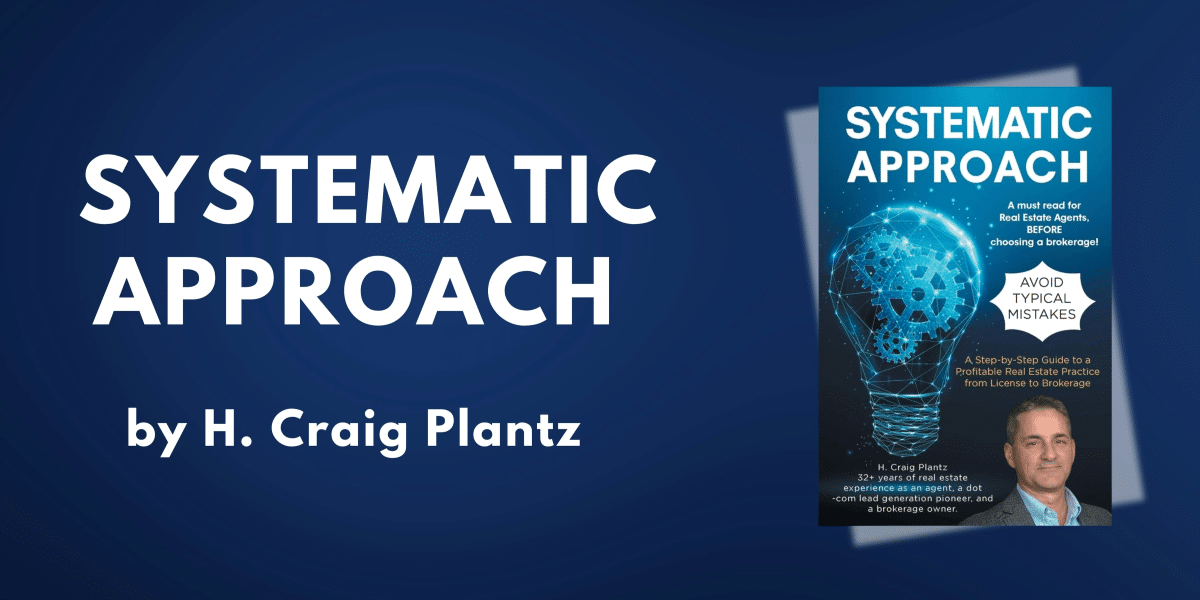
Elevate Your Real Estate Career with H. Craig Plantz’s Book, ‘Systematic Approach’

By: Systematicapproach.net

Are you passionate about real estate and eager to advance your career? If so, you’re about to gain valuable insights into navigating the competitive real estate market. H Craig Plantz, an experienced real estate professional, presents his new book, “Systematic Approach: A Step-by-Step Guide to a Profitable Real Estate Practice from License to Brokerage.” He aims to offer practical advice while sharing strategies that have helped generate a consistent flow of leads in the real estate business.

Plantz offers a unique approach to real estate that provides a fresh perspective on the industry, as he believes in developing a team strategy while evolving it into a comprehensive brokerage strategy. Craig is known for his preference for innovation and commitment to excellence in real estate. He has demonstrated his skills while working in multiple states and remains dedicated to the field, contributing to the industry with his thoughtful and strategic approach. “Systematic Approach: A Step-by-Step Guide to a Profitable Real Estate Practice from License to Brokerage” is a prolific example of Craig’s dedication and his vision to simplify the dos and don’ts of this competitive real estate market. 

If you are in the real estate business, you must be aware of the fact that this is an ever-evolving world. Many of the agents often find themselves at a crossroads due to the uncertain prospects of this competitive market; however, new agents also need clarification about where to initiate and what systems to adopt. One of the common issues among new brokers is that they get the license very easily. Still, afterward, they find themselves in a vague situation, such as not knowing how to build their careers from scratch effectively. H Craig Plantz’s book offers helpful insights, providing guidance on the journey from licensing to retirement, aimed at supporting aspiring brokers as they build their careers. From the early stages of your career to eventually managing your brokerage, Craig’s book offers valuable guidance for those in the field.

As a dynamic field, real estate requires newcomers to follow the systematic manual for understanding the complexities of this intricate sphere, from branding statements to building a brokerage. According to Craig Plantz, the real estate business is powered by prospecting and building trust. This is the reason that he encourages new agents with little to no knowledge of the tools, systems, and processes to prepare an actionable plan for reaching new heights in their careers. 

It is commonly seen that after completing the licensing process, the new agents are bombarded with new offers for products and services. This causes great difficulty for them in deciding what is truly essential at the moment and what may lead them to a waste of time and money. To cope with this challenging side of the business, Plantz provides practical advice on how to navigate offers and manage expenses effectively. In simple words, this book offers useful recommendations on key areas to focus on in the field. This book outlines various facets of the real estate world that assist seasoned or new agents in dealing with market trends; Craig enlightens CRM systems and the significance of transaction management platforms and marketing tactics. All of these tools have been thoroughly explained by the author in this must-have read. The heart of this book lies in assisting the newbies in this business because it is not very easy to flourish as a real estate agent due to intense competition. The book provides helpful illustrations on how to improve productivity and manage costs more efficiently.

About the Author

Having a prosperous academic journey at the University of Colorado and a professional journey in the United States Air Force, H Craig Plantz entered the realm of real estate in 1992 after getting his official license as a real estate agent. He got recognition in the real estate world when he founded Colorado Real Estate Online (CREO). Craig’s primary aim behind this pioneering is to generate leads for brokers on the World Wide Web. This exceptional venture by Plantz marked his steps into the digital age of real estate. After these successful ventures, Craig established his own Colorado brokerage in 1991, named ‘Resident Realty.’ H Craig Plantz is one of the influential figures in the world of real estate and has been working to shape the landscape of real estate for years. 

Whether you’re new to the real estate industry or an experienced professional looking to strengthen your skills, this book provides practical strategies for navigating the field. Building strong client associations and the complications of being a real estate broker are some major attractions for readers that make this book apart from other similar reads in the market. Craig states in his book, “Always try to incorporate practical aspects while being in the real estate business and don’t make the wrong choice—it could cost you years of wasted time.” 

Consider exploring this book by H. Craig Plantz, which offers insights and guidance on the journey from licensing to retirement in real estate.

Disclaimer: This content is for informational purposes only and is not intended as financial advice, nor does it replace professional financial advice, investment advice, or any other type of advice. You should seek the advice of a qualified financial advisor or other professional before making any financial decisions.

Published by: Josh Tatunay

Understanding the Different Types of Deep Cycle Batteries

Deep cycle batteries play a crucial role in applications where consistent power over an extended period is essential. These batteries are built to withstand frequent discharge and recharge cycles, unlike starter batteries designed to deliver short bursts of power. There are various types of deep-cycle batteries, each with its advantages and suitable use cases. This guide will explore the different kinds, highlighting their unique characteristics and applications, with special emphasis on the growing popularity of a deep cycle lithium battery and 100Ah lithium battery.

1. Flooded Lead-Acid Batteries (FLA)

Flooded lead-acid batteries, also known as wet cells, are the oldest type of rechargeable battery and are still widely used. They are cost-effective and commonly found in automotive applications, golf carts, and renewable energy systems. Flooded batteries use a liquid electrolyte that submerges the battery’s lead plates.

Advantages:

  • Affordable: These are the least expensive deep-cycle batteries available.
  • High Surge Capacity: Suitable for applications requiring high current, such as starting an engine.
  • Durable: When properly maintained, these batteries can last several years.


Disadvantages:

  • Maintenance Required: They need regular topping up with distilled water and frequent cleaning of terminals.
  • Spill Risk: Due to the liquid electrolyte, they must remain upright to avoid leaks.
  • Ventilation Needed: These batteries release hydrogen gas, requiring good ventilation to prevent buildup.

2. Sealed Lead-Acid Batteries (SLA)

Sealed lead-acid batteries, also referred to as valve-regulated lead-acid (VRLA) batteries, are maintenance-free alternatives to flooded lead-acid batteries. They come in two subtypes: Absorbent Glass Mat (AGM) and Gel batteries. These batteries are sealed, preventing leakage and eliminating the need for regular maintenance.

AGM Batteries

AGM batteries use a fiberglass mat that absorbs the electrolyte, keeping it in place between the battery plates. AGM technology has become popular for both deep cycling and starting applications, particularly in vehicles, boats, and solar energy storage systems.

Advantages:

  • Maintenance-Free: AGM batteries do not require topping off with water.
  • Fast Charging: They accept a charge faster than traditional flooded batteries.
  • Spill-Proof: The absorbed electrolyte prevents leakage, even if the battery is tipped.
  • Durable: AGM batteries are more resistant to vibration and impact, making them ideal for use in off-road vehicles and boats.


Disadvantages:

  • Higher Cost: AGM batteries are more expensive than flooded lead-acid batteries.
  • Limited Deep Cycling: While they can deep cycle, they are generally less efficient than lithium-ion batteries for heavy cycling applications.

Gel Batteries

Gel batteries are similar to AGM batteries but use a gelled electrolyte instead of a liquid one. This thicker electrolyte helps prevent leaks and makes the battery more resistant to extreme temperatures.

Advantages:

  • Improved Temperature Handling: Gel batteries are designed to operate effectively in warmer conditions.
  • Spill-Proof: Like AGM batteries, gel batteries are sealed and non-spillable.
  • Vibration-Resistant: Their sturdy construction makes them suitable for use in rough environments.


Disadvantages:

  • Costly: Gel batteries are among the more expensive lead-acid batteries.
  • Slow Charging: They require longer charging times compared to AGM or flooded batteries.
  • Specialized Chargers Required: Overcharging can damage gel batteries, and they need specific chargers to prevent this.

3. Deep Cycle Lithium Batteries

Lithium-ion technology is revolutionizing energy storage solutions. Deep-cycle lithium batteries are quickly becoming the preferred option for renewable energy systems, electric vehicles, and other applications requiring efficient, long-lasting power. One of the most popular variations is the 100Ah lithium battery, widely used in solar setups and off-grid power systems.

Understanding the Different Types of Deep Cycle Batteries

Photo Courtesy: ipowerqueen.com

Advantages:

  • Long Lifespan: Lithium batteries have the potential to last longer than lead-acid batteries, with some reaching up to 10 years depending on usage and maintenance.
  • Lightweight: Lithium batteries are typically half the weight of their lead-acid counterparts, making them ideal for portable applications like RVs and boats.
  • Deep Discharge Capabilities: Lithium batteries can be discharged up to 90% of their capacity without causing damage, unlike lead-acid batteries, which should not be discharged below 50%.
  • Fast Charging: Lithium batteries charge much faster than lead-acid batteries.
  • Low Self-Discharge Rate: Lithium batteries can hold their charge for long periods, making them suitable for infrequent use.


Disadvantages:

  • High Initial Cost: Lithium batteries are more expensive upfront, but their longevity often makes them more cost-effective over time.
  • Temperature Sensitivity: Lithium batteries can be sensitive to extreme cold or heat, which can impact their performance and lifespan.

Lithium batteries, especially 100Ah lithium batteries, are ideal for energy storage in solar power systems, RVs, and boats, where long runtime and light weight are essential. These batteries are also widely used in grid-connected homes to store excess solar energy for later use, providing greater energy independence.

4. Gel Deep Cycle Batteries

Gel deep cycle batteries use a gelled electrolyte, where silica is added to create a thick, jelly-like substance. This type of battery is designed for durability and longevity, performing well in various environmental conditions.

Advantages:

  • Maintenance-Free: No need to top off with water.
  • Spill-Proof: Can be mounted in any position without risk of leakage.
  • Temperature Resistant: Gel batteries are more resistant to extreme temperatures than flooded batteries, making them ideal for harsh environments.


Disadvantages:

  • Expensive: Gel batteries are often more costly than AGM and flooded batteries.
  • Requires Specialized Charging: Overcharging can damage the gel inside, making proper charging crucial.

5. Lithium Iron Phosphate (LiFePO4) Batteries

A subtype of lithium batteries, Lithium Iron Phosphate (LiFePO4), is specifically designed for deep cycling and long-term storage. These batteries offer greater safety and longevity than traditional lithium-ion batteries, making them a popular choice for residential and commercial energy storage systems.

Advantages:

  • Extremely Long Cycle Life: LiFePO4 batteries can last up to 2,000 to 5,000 cycles, much longer than lead-acid or AGM batteries.
  • Lightweight: Like other lithium-ion batteries, LiFePO4 batteries are significantly lighter than lead-acid batteries.
  • High Efficiency: They are designed to handle deeper discharges with less risk of damage compared to some other battery types.
  • Fast Charging: These batteries accept a charge faster than any other deep cycle battery type.


Disadvantages:

  • High Cost: LiFePO4 batteries have the highest upfront cost among deep-cycle batteries.
  • Complex Battery Management Systems (BMS): These batteries require a BMS to protect them from overcharging and overheating, adding to their complexity.

6. Nickel-Iron (NiFe) Batteries

Nickel-iron (NiFe) batteries are another alternative for deep cycle applications, although less common than lithium and lead-acid batteries. They are known for their durability and ability to withstand harsh environmental conditions.

Advantages:

  • Extremely Durable: NiFe batteries can last up to 20 years with proper maintenance.
  • Wide Temperature Range: They can operate in extreme temperatures, from sub-zero to high heat.
  • Resistant to Overcharging: NiFe batteries are not as susceptible to damage from overcharging as other battery types.


Disadvantages:

  • Heavy and Bulky: NiFe batteries are heavier than other deep cycle options, making them less suitable for mobile applications.
  • High Maintenance: They require regular maintenance, including water replenishment and electrolyte replacement.
  • Lower Efficiency: NiFe batteries have a lower energy efficiency than lithium or AGM batteries, meaning they lose more energy during charge and discharge cycles.

Choosing the Right Deep Cycle Battery

The right deep-cycle battery for your needs will depend on your specific application, budget, and desired maintenance level. For those looking for a cost-effective option, flooded lead-acid batteries or AGM batteries may suffice for off-grid power or backup systems. If you prioritize efficiency, lifespan, and low maintenance, deep cycle lithium batteries, particularly the 100Ah lithium battery, are the optimal choice, offering advanced performance for solar storage, RVs, and marine use.

As technology continues to evolve, deep-cycle battery options expand, providing consumers with more efficient and durable energy storage solutions. Whether for residential solar power systems, electric vehicles, or off-grid applications, understanding the different types of deep-cycle batteries can help you make an informed decision that meets your power needs.


Published By: Aize Perez

AI Meets Skincare: How Murat Bazarov and NUBIO Are Changing Wellness

One name stands out in the fast-paced skincare and wellness world: Murat Bazarov, the forward-thinker behind NUBIO. As an innovative entrepreneur and tech expert, Murat has dedicated his career to bridging the gap between technology and personal care. His company, NUBIO, is changing the skincare landscape with its AI-driven solutions, offering personalized skincare products that address often-overlooked areas, like foot care, and providing a holistic approach to wellness. Driven by his personal experiences and a desire to improve people’s well-being, Murat is using technology to transform how we think about skincare.

The Birth of NUBIO: A Personal Journey

NUBIO wasn’t just born out of ambition but from a deeply personal place. Murat’s inspiration came from watching his grandmother struggle with severe foot care issues that affected her quality of life. Witnessing the lack of effective foot care solutions, Murat identified a gap in the skincare market that few were addressing. This ignited his desire to create personalized skincare solutions that cater to individuals’ often-ignored needs. This emotional connection laid the foundation for NUBIO, where personal care isn’t just about appearance but about health and comfort.

This blend of personal experience and cutting-edge technology laid the foundation for NUBIO, setting it apart from competitors in the skincare and wellness industries.

Addressing Overlooked Areas in Skincare

One of the first products to gain widespread success was NUBIO’s foot care products, which have transformed the lives of countless users. Due to his grandmother’s struggles, foot care, often neglected in favor of facial skincare, was Murat’s priority. Skincare tends to focus on the face, but foot care is an area that Murat believes deserves equal attention. His personal mission to make foot care accessible and effective for everyone pushed NUBIO to develop products that promote self-care for all, regardless of gender or age. The company’s products are designed with both men and women in mind, offering a solution that supports self-care, regardless of gender.

The NUBIO AI App: Revolutionizing Personalized Skincare

As technology continues to evolve, so too does NUBIO. Murat’s next major project is the NUBIO AI app, an innovative platform that offers users AI in skincare. This app will provide research-backed recommendations, combining personalized skincare with expert advice. The app reflects NUBIO’s vision of creating accessible, science-driven skincare that is tailored to each individual, allowing users to address their specific skin concerns with precision. It’s more than just a tool; it’s a community-driven platform that encourages users to share their skincare journeys and benefit from the collective wisdom of its members.

NUBIO is preparing to launch its AI app soon, and with it, Murat hopes to change how people think about their wellness routines. He envisions the app as an integral part of NUBIO’s mission to create personalized, inclusive solutions that empower users to take control of their self-care.

Building an Inclusive Wellness Community

What truly sets Murat and NUBIO apart is their unwavering commitment to inclusivity. The company’s products and platforms are designed to cater to a wide range of skin types, needs, and personal preferences. Murat’s vision for NUBIO is to ensure that everyone feels represented in their skincare journey, creating solutions that work for people of all backgrounds and skin types. This inclusive wellness community is at the heart of NUBIO’s mission, ensuring that everyone, regardless of gender or skin type, can find solutions that work for them.

Murat envisions a world where skincare is no longer a one-size-fits-all approach. Instead, it’s tailored to each person’s unique needs, offering personalized solutions that make people feel confident and cared for. His personal experiences and passion for innovation have shaped NUBIO’s values of empathy, inclusivity, and empowerment.

Looking to the Future: Expanding NUBIO’s Reach

As NUBIO looks to the future, Murat’s goals are ambitious. By 2025, NUBIO aims to reach 5 million active users globally, expanding its presence in the skincare and wellness market. Murat’s vision is for NUBIO to become a global leader in the industry, offering innovative, inclusive solutions that make a real impact on people’s lives.

With its commitment to inclusivity, personalized solutions, and technological innovation, NUBIO is well on its way to changing the world of skincare for the better. NUBIO’s future growth is rooted in its founding values, ensuring that the brand continues to deliver meaningful wellness solutions that improve lives.

Published by: Josh Tatunay

Exploring Research on Coffee Drinking: Health Benefits and Historical Insights

I love starting my day with a steaming cup of coffee, and I’m not alone. Coffee is more than just a morning ritual; it’s a global phenomenon that fuels millions. But beyond its rich aroma and energizing kick, what does research say about our beloved brew?

Diving into the world of coffee research reveals fascinating insights into its effects on health, productivity, and even longevity. From reducing the risk of certain diseases to enhancing cognitive functions, coffee’s potential benefits seem as varied as its flavors. Yet, like any good story, there’s a flip side—moderation is key, and too much of this caffeinated delight might lead to jittery nerves or disrupted sleep.

As I explore the latest findings, I’ll uncover how coffee impacts our lives and whether that second cup is a boon or a bane. So grab your mug and join me on this journey through the science of coffee drinking.

Historical Perspective on Coffee Research

Early manuscripts hint at coffee’s roots in 15th century Arabia. Scholars in that era documented its energizing properties. By the 17th century, coffee spread across Europe, inspiring curiosity and debate. Some viewed it as a miracle drink; others, a health risk.

In the 18th and 19th centuries, scientific exploration of coffee began earnestly. The 1820s marked the discovery of caffeine, leading to discussions about its stimulant effects. Researchers started examining coffee’s broader impact on human physiology.

The 20th century introduced more sophisticated research methods. Epidemiological studies explored associations between coffee consumption and diseases like heart disease and cancer. While some findings were controversial, they spurred more nuanced investigations into coffee’s health effects.

Modern research, emerging in the 21st century, leverages advanced technology to scrutinize coffee’s compounds. Studies now analyze its antioxidant properties, potential disease-preventive effects, and impacts on mental health. The historical evolution of coffee research reflects shifting scientific questions and methodologies.

Health Benefits of Coffee Drinking

Numerous studies underscore coffee’s role in enhancing various health outcomes. Regular, moderate consumption offers several cognitive and physiological advantages.

Cognitive Benefits

Coffee consumption improves alertness and concentration. Research from the National Institute on Aging indicates that caffeine in coffee blocks adenosine, a neurotransmitter that promotes sleep, thereby increasing mental focus. A 2014 study published in The Journal of Nutrition found links between coffee intake and improved memory retention among older adults. Regular consumers often report enhanced moods and reduced risks of cognitive decline.

Heart Health

Multiple studies highlight coffee’s impact on cardiovascular health. According to a 2017 report in the Annals of Internal Medicine, moderate coffee drinkers had a 18% reduction in heart disease risk compared to non-drinkers. Researchers credit phenolic compounds in coffee for their anti-inflammatory effects on the heart. While excessive intake can cause increased heart rate, balanced consumption promotes arterial health.

Longevity

Coffee drinkers may enjoy longer lives. A meta-analysis in the New England Journal of Medicine supports this, associating regular coffee intake with a reduced risk of mortality. Antioxidants and bioactive compounds contribute to cellular protection, mitigating oxidative stress. For those consuming 3-4 cups daily, there’s a lowered propensity for chronic illnesses, enhancing overall life expectancy.

Adverse Effects of Coffee Consumption

Coffee, while celebrated for its energizing qualities and health benefits, has adverse effects that merit consideration. Recognizing these impacts helps in moderating consumption and avoiding negative outcomes.

Sleep Disruption

Caffeine in coffee boosts alertness but can interfere with sleep patterns. Drinking coffee close to bedtime often results in difficulty falling asleep or reduced sleep quality. Studies confirm that caffeine consumption within six hours of sleep causes insomnia and disrupts the sleep cycle. Limiting intake earlier in the day helps maintain healthy sleep hygiene.

Anxiety and Jitters

Excessive coffee consumption leads to heightened anxiety and jitteriness due to caffeine’s stimulant effect on the central nervous system. Some individuals experience increased heart rate and nervousness, exacerbating stress and anxiety. Research shows that consuming more than 400 milligrams of caffeine daily heightens these symptoms. Awareness of personal tolerance and consuming coffee in moderation can mitigate these effects.

Coffee and Chronic Diseases

Coffee’s impact on chronic diseases continues to pique scientific interest. Numerous studies explore its effects on conditions like diabetes and liver diseases, uncovering potential health benefits tied to regular consumption.

Diabetes

Research links moderate coffee consumption to a reduced risk of type 2 diabetes. Harvard T.H. Chan School of Public Health experts found that individuals who drank three to five cups daily had a lower risk of developing the disease by around 20-30%. Chlorogenic acids and magnesium in coffee may enhance insulin sensitivity and glucose metabolism, offering a protective effect. A study by the American Diabetes Association also noted that both caffeinated and decaffeinated coffee showed benefits, suggesting that non-caffeine compounds contribute to this positive impact.

Liver Diseases

Studies reveal promising connections between coffee and liver health. Regular intake appears to lower the risk of liver diseases like cirrhosis and liver cancer. A report in the journal Hepatology indicated that consuming two or more cups daily reduced the risk of liver cirrhosis by up to 44%. Coffee’s antioxidant properties, particularly those of cafestol and kahweol, might reduce inflammation and protect liver cells. The World Cancer Research Fund classified coffee consumption as potentially protective against liver cancer due to its ability to decrease liver enzyme levels linked to inflammation.

Recent Findings in Coffee Research

Recent studies continue to uncover intriguing insights into coffee consumption. Researchers employ innovative methods and identify emerging trends with far-reaching implications.

Innovations in Methodology

Scientists increasingly use advanced technologies like mass spectrometry and chromatography to analyze coffee’s complex compounds. These techniques allow for the precise identification of beneficial substances, such as antioxidants and polyphenols. Meta-analyses, which combine data from multiple studies, provide a comprehensive view of coffee’s impact on health outcomes. Machine learning models help predict individual responses to coffee intake based on genetic profiles, enhancing personalized nutrition strategies. These methodological advancements lead to more reliable and specific findings about coffee’s health effects.

Emerging Trends

Interest in sustainable coffee sources is growing, driven by environmental concerns. Research now explores how organic farming methods influence coffee’s chemical composition and potential health benefits. There is also increased focus on the gut microbiome and its interaction with coffee consumption. Studies suggest that coffee influences gut health, potentially affecting digestive and metabolic processes. Another trend is the examination of coffee drinking’s social and psychological aspects, as researchers study its role in social bonding and mental well-being. These emerging areas provide exciting directions for future coffee research initiatives.

Conclusion

Exploring the world of coffee drinking reveals a fascinating blend of history, science, and health benefits. While coffee offers numerous advantages like enhanced alertness and potential disease prevention, it’s crucial to enjoy it in moderation to avoid adverse effects. The ongoing research into coffee’s compounds and their impact on our well-being continues to uncover new insights, offering a deeper understanding of this beloved beverage. As we look to the future, the interplay between coffee consumption and health will remain a dynamic field, promising exciting discoveries that could further enhance our appreciation for this global staple.


Published by: Khy Talara