Durable and Beautiful: James Hardie Siding Experts in Vancouver WA

By: SEO Mavens

Are you a homeowner in Vancouver, Washington, looking to enhance your home’s exterior? If so, you’ve probably heard about James Hardie Siding. This revolutionary product has taken the home improvement world by storm, offering unparalleled durability and beauty.

In this blog, we’ll explore why James Hardie Siding is the premier choice for homes in our unique Pacific Northwest climate. We’ll also discuss its energy efficiency benefits and how it increases your home’s resale value, making it a wise long-term investment.

Introduction to the Benefits of James Hardie Siding

James Hardie Siding has earned its reputation as one of the trusted siding brands through innovation and quality. But what makes it stand out, especially for homes in Vancouver, WA?

  • Exceptional Durability: Engineered to withstand harsh weather conditions.
  • Aesthetic Appeal: Enhances curb appeal with various styles and colors.
  • Long-lasting Value: Offers significant return on investment. 

James Hardie siding comes with a solution in a region prone to moisture, pests, and extreme weather conditions of the Pacific Northwest. Hence, it is not just an improvement to your home but an intelligent investment for your future in the house.

Why is James Hardie Siding Ideal for Vancouver, WA Homes?

The good thing about Vancouver’s climate is that it has specific challenges, such as wet, rainy seasons, harsh winds at times, and temperature fluctuations, which James Hardie siding is specifically engineered to handle. 

To that effect, James Hardie siding is ideal for such regions and provides superior performance in conditions where moisture and rot quickly take over. Moreover, with mold resistance, homes get further protection against the humid climates common in areas like Vancouver. 

Moreover, James Hardie siding does not rot or warp; it can keep its shape even after extreme exposure to moisture for extended periods. Durability reduces frequent replacements, saving homeowners a lot of time and money.

For optimal performance and longevity, it’s crucial to have your siding installed by a qualified james hardie siding contractor who understands the specific needs of Vancouver homes.

Durability That Stands the Test of Time

Durability is key when it comes to siding. James Hardie’s patented fiber cement composition sets it apart from the competition.

Fiber Cement vs. Traditional Materials

Durable and Beautiful: James Hardie Siding Experts in Vancouver WA


As you can see, James Hardie’s siding outperforms traditional materials in several key areas. Its thickness enhances protection against the elements, a crucial feature for Vancouver homes.

Long-Term Performance

Homeowners can attest that James Hardie siding has reduced maintenance costs compared to wood siding. Such savings in time and money have made it a lucrative choice for people in search of low-maintenance exterior alternatives.

Warranty

James Hardie backs its products with a warranty, which is far longer than many of its competitors. This shows their belief in the product’s durability and confidence in the householder.

Beautiful, Customizable Aesthetic Options

Durability doesn’t have to sacrifice style, though. James Hardie siding can be highly customized to fit your home’s aesthetic. With more color options, it’s incredibly easy for a house to find the right shade to match its architecture and personality. 

Whether bold, striking, subtle, or classic, James Hardie has something to offer any house. In addition, proprietary ColorPlus Technology ensures that the color picked will still look great in years to come, featuring a fade-resistant finish that cuts down on repainting. 

Besides, the individual owner can choose from various textures, from smooth, modern finishes to rustic, wood-like textures. Most customers claim increased beautification and curb appeal after the installment of James Hardie sidings, usually with a big difference in appearance and market value.

Sustainability and Energy Efficiency

In this environmentally conscious world, sustainability is often the first consideration among homeowners, and James Hardie Siding has an unmatched track record in this area.

It’s committed to sustainable manufacturing practices, so it minimizes waste and uses local materials whenever possible to reduce the carbon footprint associated with transporting materials. 

Also, James Hardie siding makes your home more energy-efficient. In fact, because of its density and installation, further insulation layers are created. Hence, heating and cooling costs will be minimized. 

Besides that, because James Hardie’s siding is so durable and has a long life span, less frequent replacements would be in place, which only means that less material would be put into landfills over time and thus contribute to a more cycle-friendly home improvement experience.


Working with Certified James Hardie Siding Experts

Equally, one must work with certified installation professionals to reap all the benefits of James Hardie siding. Also, certified contractors have specialized knowledge and know little secrets about installing fiber-cement sidings. 

Installation requires due care to guarantee optimal performance; otherwise, the warranty may not remain valid. Moreover, local expertise also plays a significant role in engaging with particular climatic challenges that Vancouver might offer and the building codes that are in place. 

Certification by James Hardie, the number of years of experience, reputation within one’s locality, and the warranty being offered are some of the factors that should be considered when selecting a James Hardie siding expert in Vancouver. 

Look for contractors officially certified by James Hardie, check their track record with fiber cement siding installation, read reviews, and ensure they provide workmanship warranties alongside the product warranty.

Cost Considerations and Long-Term Investment

While James Hardie siding may cost more upfront than a few other materials, it’s very important to consider this product from the perspective of value over the long term. The general first investment is higher when compared with vinyl siding but similar in price to high-end wood siding. 

Significant maintenance savings, though, will be realized throughout many years, especially when compared with wood siding. This adds to possible energy savings from better insulation, which in turn reduces heating and cooling costs for the homeowner. 

James Hardie siding lives longer, which means fewer replacements in less time, and that certainly saves money over time. Besides that, homes with fiber-cement siding like James’ Sometimes realize a bigger return upon resale, since the added durability and aesthetic appeal can be big selling points within the Vancouver real estate market.

Maintenance and Care

The primary benefit associated with James Hardie siding is its low maintenance requirement. However, some basic care can go a long way in keeping it looking and performing its best over the years.

Maintenance Tips

  • Regular Cleaning: Annual washing with a garden hose with a soft brush.
  • Inspect Annually: Check for any damage or wear, especially after severe weather.
  • Touch-up Paint: Address all small chips or scratches immediately.
  • Maintain Landscaping: Keep at least a foot of open area between siding and plants/shrubs.


Follow these easy steps, and you will continue to have James Hardie siding that protects and beautifies your home for decades.

Conclusion

James Hardie Siding offers homeowners in Vancouver, WA, a combination of durability, low maintenance, and aesthetic appeal. Its resilience against the Pacific Northwest’s unique climate and its wide variety of styles and colors make it a perfect choice for any home.

Investing in James Hardie siding ensures long-term value through reduced upkeep, enhanced energy efficiency, and a higher return on investment. To transform your home with this premium siding, contact a certified James Hardie expert and take the first step towards a more beautiful, durable exterior.

Frequently Asked Questions

1. What is the downside of James Hardie’s siding?

The James Hardie siding is more expensive than vinyl or wood, is related to labor-intensive processes, and may also be subject to water damage if installation or maintenance has not been done appropriately.

2. What is the life expectancy of Hardie plank siding?

The life span of Hardie plank siding depends on proper installation and maintenance; it can range from 30-50 years, with most warranties going up to 30 years or more.

3. How often do you have to repaint Hardie plank siding?

Hardie plank siding generally needs to be repainted every 10 to 20 years, depending on climate, paint quality, and maintenance.


Published By: Aize Perez

The Hidden Complexities of Pet Ownership in America: A Journey Through Carole Nailen’s ‘Handbook for All Pet Guardians’

By: Seraphina Quinn

You’ve heard the phrase “man’s best friend” countless times, but what if we’re not treating our best friends as well as we think? In a society where pet ownership is as common as owning a smartphone, Carole Nailen’s groundbreaking work, Handbook For All Pet Guardians, takes a deep dive into the overlooked and sometimes misunderstood responsibilities of caring for pets in America. With nearly 60-73 million dog guardians and 90 million cat guardians in the U.S., one might think we’ve got this whole pet care thing figured out, but Nailen begs to differ.

Most Americans think bringing a pet home is a matter of affection—a whim, a spontaneous act of love. What they don’t often realize, Carole argues, is that the decision to own a pet should be much more deliberate. She didn’t pen Handbook for All Pet Guardians for people who just want the cute companionship of a kitten or puppy. Instead, her guide confronts a stark reality: being a pet owner is a lifelong responsibility that requires careful planning, patience, and a willingness to understand the complexities of your furry friend’s needs.

For Nailen, growing up with dogs and cats wasn’t just about cuddles and companionship—it was an early education in responsibility. She witnessed firsthand how the excitement of owning a puppy can fade as the animal grows, with many people then discarding their once-loved pet. Nailen’s book emerged from this sad observation, fueled by a sense of duty to the animals she saw being abandoned.

But here’s the twist—she isn’t just advocating for pet adoption; she’s challenging the entire culture around it. Pet stores, breeders, and even some shelters fail the animals they claim to protect. Her book tackles everything from irresponsible breeding practices to pet adoption agencies that are often more concerned with profit than with finding safe, loving homes for the animals. Her mission? To make people think twice before they bring a pet into their lives.

More specifically, her book is for those who want to take on the responsibility for a pet’s entire life. And it’s not just about food and shelter. She’s talking about everything—the healthcare, emotional well-being, and even the companionship your pet will need from day one until their final day.

It’s important to understand that her guide can easily be a must-read, becoming a part of every pet store, every shelter, and every household that cares about animal welfare. It’s the only book like it. And indeed, it is—Handbook for All Pet Guardians covers more ground than any other book on the market. From understanding your pet’s needs to navigating the pitfalls of the pet adoption system, it’s a one-stop resource for anyone serious about caring for their animal companion.

In a time when consumerism often trumps compassion, Nailen’s voice cuts through the noise. She doesn’t just want people to buy pets; she wants them to understand what it truly means to care for them. Shelters, she notes, are frequently underfunded and understaffed, with employees who might not even understand the basic care requirements of the animals they look after. Nailen’s solution is simple: education.

People need to be more aware of the consequences of their choices when they adopt a pet. That means not just learning about the cute little puppy, but also preparing for the day that puppy grows into a large dog. Her book dives deep into every aspect of pet care, from choosing the right food to avoiding harmful behaviors like declawing, which she passionately condemns for its cruelty.

If you think purebreds are healthier than mutts, think again. Nailen dismantles this myth in a matter-of-fact tone throughout her book. In fact, she argues, purebreds are often less healthy due to overbreeding and genetic issues. It’s the mixed breeds—the so-called “mutts”—that often have fewer health complications and make for healthier, more robust pets.

And then there’s declawing. While many think it’s a harmless way to keep their furniture intact, Nailen reveals the brutal truth: it’s akin to amputating a human finger at the last knuckle. The consequences for a cat’s health and well-being are severe and irreversible. This isn’t a minor surgery—it’s a life-altering procedure that can damage a cat’s ability to walk and lead to psychological distress.

Nailen’s work extends beyond the pages of her book. With years of experience rescuing cats and dogs, she has made links all throughout the chain and has been fighting for the rights of animals ever since. But even now, at 84, her work is far from over.

Her days are spent in practical action, rescuing strays, paying for their veterinary bills, and even arranging for pets to be sent to northern states where they have a better chance of finding a loving home. Pets are not commodities—they’re family. And if you’re not prepared to treat them as such, Nailen’s advice is simple: don’t adopt.

It’s easy to walk into a pet store and fall in love with a tiny kitten or puppy. It’s much harder to commit to the years of responsibility that come with that decision. Carole Nailen’s Handbook for All Pet Guardians is a wake-up call for every potential pet owner. More than just a guide, it’s a manifesto—an urgent plea for people to rethink their relationship with their pets, with a focus on compassion, responsibility, and long-term care.

Nailen’s message is clear: pets enrich our lives in ways we can’t even measure. But they rely on us to enrich theirs in return. Whether through her book or her hands-on work rescuing animals, Carole Nailen continues to stand up for those who can’t stand up for themselves.

Published by: Holy Minoza

Harvard Researcher Minghao Chen Pioneers Breakthrough in Global Microalgae Bioenergy Study

By: PR Fueled

Minghao Chen, a researcher at Harvard University, is drawing attention with a notable study that could have significant implications for the future of renewable energy. In his latest work, Chen explores the vast potential of microalgae as a sustainable bioenergy source, offering a transformative solution to climate change and energy security. His pioneering research, combining advanced machine learning and innovative land use strategies, has drawn widespread attention in the scientific community, sparking discussions about its potential impact.

Currently pursuing a Master of Science in Computational Science and Engineering at Harvard, Chen has already made substantial contributions to environmental engineering. With a previous Master’s degree from MIT and a Bachelor’s from Sun Yat-Sen University, Chen’s academic career is a testament to his dedication and brilliance. His research interests lie at the intersection of machine learning, climate science, and sustainable energy, fields in which he has received numerous accolades, including the prestigious China National Scholarship.

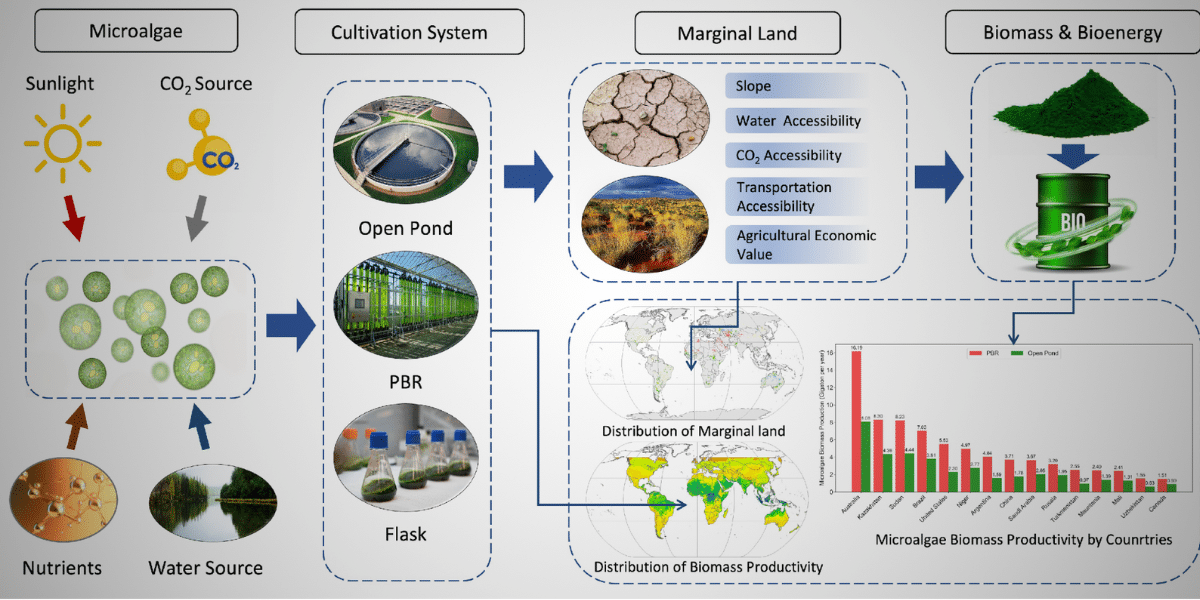
Chen’s latest study, published in the Science of the Total Environment, is titled “Assessing Global Carbon Sequestration and Bioenergy Potential from Microalgae Cultivation on Marginal Lands.” It provides the first comprehensive global analysis of microalgae’s viability as a biofuel, identifying over 7.37 million square kilometers of marginal lands suitable for cultivation. These lands, located primarily in equatorial and low-latitude regions, offer a sustainable solution to the ongoing “food versus fuel” debate, utilizing underused land without competing with food crops.

Chen’s study employs advanced machine learning algorithms, specifically the Gradient Boosting Machine (GBM) model, to predict microalgae biomass productivity. By synthesizing data from over two decades of global microalgae cultivation, Chen’s research yields precise predictions of biomass productivity across diverse landscapes and environmental conditions, with significant implications for future bioenergy strategies.

Under ideal conditions using Photobioreactors (PBRs), Chen projects that up to 99.54 gigatons of microalgae biomass could be produced annually. This biomass could be converted into 64.70 gigatons of biodiesel, equivalent to 58.68 gigatons of traditional diesel, while potentially sequestering 182.16 gigatons of CO2—more than four times the global emissions forecasted for 2023.

Chen’s research identifies Australia as the top global contributor to microalgae biomass production, with other key countries including Kazakhstan, Sudan, Brazil, the United States, and China. The global impact of this work suggests a promising shift toward sustainable bioenergy sources.

Despite challenges in scalability, Chen’s work underscores the critical importance of microalgae cultivation in reducing fossil fuel dependency and combating climate change. “Our research demonstrates the immense potential of microalgae as a sustainable energy source,” Chen says. “By utilizing marginal lands and advanced cultivation techniques, we can significantly contribute to climate change mitigation.”

Supported by grants from the National Natural Science Foundation of China and other prominent institutions, Chen’s research marks a pivotal step towards achieving global energy security and environmental sustainability.

As nations worldwide scramble to curb their reliance on fossil fuels, Minghao Chen’s research offers a beacon of hope, outlining a viable path towards a greener, more sustainable future.


Published By: Aize Perez

Going Public: Women Entrepreneurs Leading the Way

By: Matheau J. W. Stout

For many entrepreneurs, taking a company public represents a defining moment—a step that not only brings greater visibility but also unlocks vast potential for growth. The Initial Public Offering (IPO) process can propel a company from startup to industry leader, offering access to capital that accelerates expansion and innovation. Traditionally, the world of IPOs has been male-dominated, but women entrepreneurs are rapidly changing that narrative.

Women from diverse industries are taking their companies public, overcoming challenges, breaking barriers, and proving that they are equally capable of thriving in the public markets. These women serve as role models, showing the power of determination, strategic thinking, and innovation. In this article, we explore their journeys and the impact they are having on the business world.

Going Public Women Entrepreneurs Leading the Way (2)

Photo: Unsplash.com

Defying the Odds: Women Entrepreneurs and the IPO Path

The journey to taking a company public is far from straightforward, requiring a mix of perseverance, financial acumen, and a strong support network. While female entrepreneurs have historically faced more barriers than their male counterparts—particularly in securing venture capital—those who succeed are creating waves that are reshaping the business landscape.

Whitney Wolfe Herd, the founder and CEO of Bumble, made history in 2021 by becoming the youngest woman to take a company public at the age of 31. Bumble, a dating app where women make the first move, went public with an IPO that valued the company at over $8 billion. Wolfe Herd’s achievement was monumental—not only because of her age but also because she became one of the few self-made female billionaires through an IPO. Her success story is a powerful reminder that innovation and persistence can break through the challenges women entrepreneurs often face.

Julia Hartz, co-founder and CEO of Eventbrite, is another example of a woman entrepreneur who successfully navigated the IPO process. Eventbrite, a global ticketing and event technology platform, went public in 2018 with an IPO that raised $230 million. Hartz’s leadership has been instrumental in scaling the company and driving its vision to revolutionize the events industry. Despite the challenges posed by the COVID-19 pandemic, Hartz continues to lead the company through new growth opportunities, showing resilience and adaptability in a rapidly changing marketplace.

Navigating the Challenges: The Unique Journey of Women Entrepreneurs

Taking a company public can be a long and complex process for any entrepreneur, but women often face additional hurdles. Studies show that women receive less venture capital than their male counterparts, limiting the resources available to scale a business to the point of going public. Additionally, gender bias in investor circles can make it harder for women entrepreneurs to gain the trust and support needed to launch an IPO.

However, women entrepreneurs have proven time and again that they can overcome these challenges by leveraging their unique strengths—whether through building strong networks, finding innovative funding sources, or creating businesses that resonate with untapped markets.

One inspiring example is Anne Wojcicki, co-founder and CEO of 23andMe. In 2021, Wojcicki took 23andMe public through a special-purpose acquisition company (SPAC) merger, which valued the company at $3.5 billion. The company, known for its direct-to-consumer genetic testing services, faced regulatory challenges and skepticism early on, but Wojcicki’s ability to navigate these complexities while remaining focused on long-term growth paid off. Today, 23andMe stands as a leader in personalized health, thanks to Wojcicki’s strategic vision and relentless determination.

Another notable leader is Julie Wainwright, founder and CEO of The RealReal, an online luxury consignment platform. In 2019, The RealReal went public, raising over $300 million in its IPO. Wainwright, who launched the company at age 53 after a career in tech, successfully turned The RealReal into a billion-dollar business. Her leadership has not only redefined the luxury retail market but also highlighted how age and experience can be significant assets in building and scaling a business.

Going Public Women Entrepreneurs Leading the Way (3)

Photo: Unsplash.com

The Keys to Success: How Women Can Prepare for an IPO

For women entrepreneurs considering taking their companies public, there are several key strategies that can set them up for success:

  • Master the Financials: One of the critical steps to preparing for an IPO is having a solid financial foundation. Investors want to see clear revenue growth, profitability, or at least a strong pathway to it. Women entrepreneurs should ensure that their financials are airtight and have the right financial team in place to handle the complexities of an IPO. 
  • Build the Right Team: Surrounding yourself with a strong leadership team, advisors, and board members who understand the IPO process can make all the difference. Investors often look at the strength of the team when evaluating the long-term potential of the company. Building a diverse and experienced leadership team is essential for navigating the challenges of going public. 
  • Develop a Compelling Narrative: Storytelling matters in the IPO process. Women entrepreneurs should be ready to articulate their company’s mission, vision, and growth potential to investors. Communicating a clear, compelling narrative about the company’s future can help build investor confidence and generate excitement around the IPO. 
  • Leverage Networks and Mentorship: Many successful women entrepreneurs have relied on their networks to support them through the IPO process. Organizations like Women’s Business Enterprise National Council (WBENC) and All Raise offer mentorship and resources that can help female founders scale their businesses. Tapping into these networks can provide valuable insights and guidance on the path to going public. 
  • Stay Resilient: The road to an IPO is rarely smooth. Setbacks and challenges are inevitable, but resilience is key. Women entrepreneurs who are mentally prepared for the ups and downs of the process are more likely to succeed in the long run.

Paving the Way for Future Generations

As more women entrepreneurs take their companies public, they are not only breaking through financial and gender barriers but also paving the way for future generations of women business leaders. Their success stories are inspiring other women to pursue ambitious goals, proving that the IPO path is open to all who are willing to take it on.

Gwynne Shotwell, President and COO of SpaceX, may not be the company’s founder, but her influence in leading the company’s strategic growth and securing major deals has been pivotal to SpaceX’s success. Shotwell has been instrumental in SpaceX’s efforts to raise billions of dollars in private and public markets, and her leadership continues to inspire women in both the tech and finance sectors.

The growing number of women-led IPOs demonstrates that the time is ripe for more women entrepreneurs to enter the public markets. As these trailblazers redefine what leadership looks like, they are creating opportunities for future generations of women to lead, innovate, and achieve unprecedented success.

Going Public Women Entrepreneurs Leading the Way (4)

Photo: Unsplash.com

Conclusion

Taking a company public is a transformative milestone, and more women entrepreneurs are rising to the challenge, defying odds, and leading successful IPOs. Leaders like Whitney Wolfe Herd, Julia Hartz, Anne Wojcicki, and Julie Wainwright are not only changing the face of business but are also inspiring future generations of women to follow in their footsteps.

As women entrepreneurs continue to make their mark on the IPO landscape, they are creating a more inclusive and diverse future for the business world. The path to going public may be challenging, but with resilience, strategic thinking, and strong support systems, women entrepreneurs are proving they have what it takes to thrive in the public markets.

Published by: Josh Tatunay

How to Keep Your Remote Workers Happy: Overcoming Challenges Within the Hybrid Workplace

Did you know that only nine percent of New Yorkers work in an office five days a week? Countless businesses have begun embracing the notion of remote employment, and this approach can offer numerous practical benefits. Still, a handful of challenges could need to be overcome. Let’s take a quick look at some useful strategies that can provide your enterprise with the momentum required to keep moving forward.

All About Flexibility

It is much better for a business to focus on “what” rather than “when”. In other words, managers should view employee productivity in terms of what was accomplished. Less emphasis should be placed on how long the task took, or when it was actually performed. While workers will still need to follow predetermined schedules, the finer points should be left up to them.

Streamlined Communications

How many hours did an employee work last week? What percentage of his or her time was devoted to lead generation? How many sales were closed? These are some of the key factors that stakeholders need to appreciate. Remote collaboration is therefore critical. This is why incorporating a dedicated employee app for real-time communications is always recommended. These software bundles will keep everyone “in the loop”; offering a proactive edge that might otherwise be difficult to achieve.

Keeping Things Close to Home

Even businesses that have fully adopted hybrid models will still need to maintain an organic connection with their employees. So, be sure to hold regular in-house meetings (as opposed to relying on virtual calls and webinars alone). These provide workers with the opportunity to raise questions, and such a strategy can help to cement brand loyalty. Employees might otherwise begin to feel as if they have become disconnected from the organization itself.

Recognize Personal Achievements

Always highlight workers who have gone above and beyond the call of duty. Whether referring to superseding sales targets, landing a big corporate client, or meeting a challenging deadline, rewards go a long way within a hybrid business model. This will also encourage others to perform at a similar level; fostering a healthy form of professional competition.

There is little doubt that even more New Yorkers will enter into the remote force as the years go by. Adapting to this paradigm shift sooner as opposed to later is a great way to remain well ahead of the competition, and to ensure that your employees remain content at all times.

Building a Positive Remote Work Culture

Without the daily in-person interactions that naturally happen in an office setting, remote employees may feel isolated or disengaged. To combat this, encourage a culture of open communication and inclusivity. Virtual team-building activities, online coffee breaks, or weekly check-ins that focus on personal well-being can help build stronger relationships. 

It’s also important for leadership to be transparent and approachable, ensuring employees feel heard and valued. When workers feel connected to the company’s mission and culture, they are more likely to stay motivated and engaged, even from a distance. 

Consistently reinforcing the importance of each team member’s contribution will create a sense of belonging, which can significantly improve morale and productivity across the hybrid workplace.

Published by: Josh Tatunay

The Ultimate Guide to Digital Learning Resources in 2024

With the rapid shift towards online education, digital learning resources have become vital tools for students and teachers. These resources offer flexibility, accessibility, and personalized learning experiences that help learners succeed in today’s fast-paced educational landscape. Materiips.com is a key player in this space, providing students with various study materials and interactive tools to stay on top of their learning journey. As education continues to evolve, understanding and utilizing these resources effectively can make all the difference in achieving academic success.

What are Digital Learning Resources?

Digital learning resources are educational tools available online that support teaching and learning. These resources can include everything from e-books, study guides, and videos to interactive simulations, quizzes, and educational apps. Unlike traditional textbooks, digital resources allow students to engage with the material dynamically, offering multimedia content and personalized learning paths tailored to individual needs.

The importance of digital learning resources in today’s education system cannot be overstated. As more students and educators rely on online platforms for learning, these resources have made education more accessible. Whether in a traditional classroom setting or through remote learning, digital resources offer students flexibility, allowing them to study at their own pace, review materials as needed, and access a wealth of information that supports their academic growth.

How Materiips.com Offers a Variety of Resources

Materiips.com stands out in digital learning by providing a wide range of resources, ensuring students access high-quality materials for all subjects. Here’s a closer look at what it offers:

Study Guides

Materiips.com provides comprehensive study guides across various subjects, including math, science, literature, and history. These guides are easy to follow and designed to help students grasp key concepts quickly, making them ideal for exam preparation and homework help.

Interactive Tools

The platform also offers interactive tools such as quizzes, flashcards, and practice tests to make learning more engaging. These tools allow students to test their knowledge and reinforce what they’ve learned, providing instant feedback and helping them identify areas that need improvement.

Video Lessons

Video content is one of the most effective ways to learn, and Materiips.com delivers detailed video lessons that cover complex topics in a simple, visual format. These videos help break down challenging subjects, making them easier to understand and retain.

Personalized Learning

Materiips.com’s resources cater to different learning styles, offering materials that can be adapted to the student’s pace and preferences. Whether a student needs extra help in a specific subject or wants to advance quickly through familiar material, the platform ensures that the learning experience is tailored to their needs.

Tips on Using Digital Resources for Better Study Outcomes

Students should approach them strategically to maximize the benefits of digital learning resources. Here are some tips for using platforms like Materiips.com effectively:

Create a Study Schedule

Flexibility is a great advantage of digital learning, but it can lead to procrastination without proper time management. Set a daily or weekly study schedule to stay organized and consistent.

Use Interactive Tools for Active Learning

Passive reading can only take you so far. Utilize quizzes, flashcards, and practice tests to actively engage with the material. These tools help reinforce knowledge and improve long-term retention.

Review Materials Regularly

Take advantage of the vast library of resources available on platforms like Materiips.com. Reviewing videos and study guides can help reinforce understanding and improve recall, especially before exams.

Explore Different Learning Formats

Everyone learns differently. Explore a mix of videos, quizzes, and interactive tools to determine which format works best for you. This will help you stay engaged and improve your overall learning experience.

Stay Updated with New Resources

Digital platforms are constantly updated with new materials and tools. Keep checking for new study guides or interactive content to stay ahead in your learning and gain access to the latest educational resources.

Conclusion

As education shifts online, digital learning resources are becoming increasingly crucial for students and teachers. Platforms like Materiips.com are leading the way, offering diverse tools and study materials to help students succeed in their academic pursuits. 

By effectively utilizing these resources, learners can enjoy flexible, personalized, and engaging educational experiences that will empower them to achieve their goals. As we move further into the digital age, platforms like Materiips.com will remain indispensable tools in the future of education.


Published By: Aize Perez

Zhuoyue Wang Shares Insights on AI-Augmented Data Systems

By: Anya Miller

Interviewer: Today, we have the pleasure of speaking with Zhuoyue Wang, a Senior Software Engineer at Oracle and a prolific researcher in AI+science with the focus on machine learning applications. Zhuoyue has made significant contributions across various sectors, all unified under the concept of “AI-Augmented Data Systems.” Welcome, Zhuoyue, and thank you for joining us.

Zhuoyue Wang: Thank you for having me. I’m excited to share my research and experiences with you.

Interviewer: Your research portfolio covers a diverse range of fields, including healthcare, sports, and technical domains such as image processing and speech recognition. How do you connect these seemingly different fields under the concept of “AI-Augmented Data Systems”?

Zhuoyue Wang: My research might seem diverse at first glance, but the common thread is the use of AI and machine learning to enhance data-driven decision-making systems. Whether it’s predicting optimal football formations, diagnosing brain tumors from MRI scans, or improving edge detection in color images, my focus is on leveraging AI to process and interpret complex data more effectively. By doing so, we can provide more insightful, accurate, and actionable outcomes across various applications.

Integrating GNNs and Reinforcement Learning

Zhuoyue Wang Shares Insights on AI-Augmented Data Systems

Football Formation Strategy Problem Analysis / Photo Courtesy: Zhuoyue Wang

Interviewer: Let’s dive deeper into your cited work, “Graph Neural Network Recommendation System for Football Formation.” What motivated you to explore AI applications in sports analytics, and what makes this work stand out?

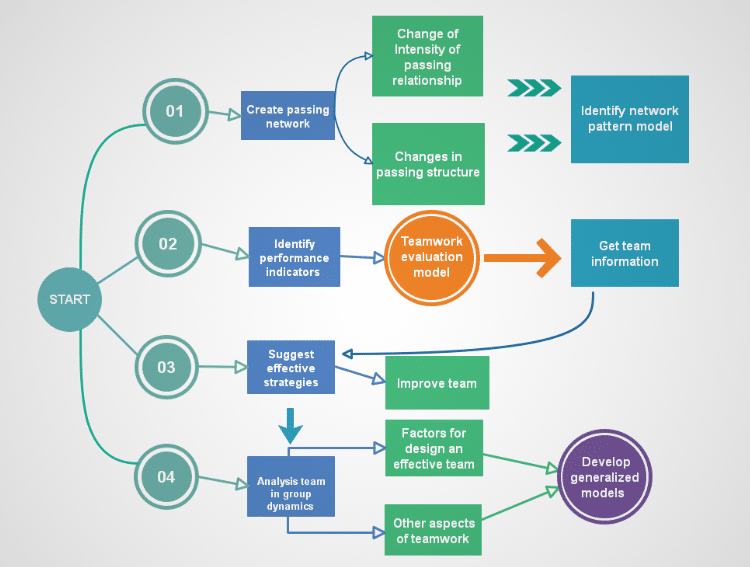
Zhuoyue Wang: The motivation came from a deep interest in understanding complex human interactions, such as those on a football field, and how AI can provide a fresh perspective on these dynamics. Sports analytics is a field ripe for innovation, where traditional metrics don’t always capture the intricacies of player and team interactions. By applying graph neural networks (GNNs) and reinforcement learning, we were able to create a model that considers both local and global passing relationships among players. This approach enables more sophisticated decision-making support for coaches, which goes beyond simple statistics like possession or shots on target.

This work introduced a novel framework that integrates GNNs and reinforcement learning to suggest real-time adjustments for football formations. The key accomplishment is providing a tool that helps teams optimize their strategies based on dynamic, data-driven insights.

This research is critical because it opens up new avenues for AI applications in sports management, where real-time data analysis can significantly impact team performance and game outcomes. Moreover, the methodologies developed here could be adapted to other team-based decision-making scenarios, broadening their applicability.

AI for Healthcare

Zhuoyue Wang Shares Insights on AI-Augmented Data Systems

MRI Images of Various Brain Tumor Types for Analysis / Photo Courtesy: Zhuoyue Wang

Interviewer: Moving on to your work on “Deep Learning in Medical Image Classification from MRI-based Brain Tumor Images,” where you were the second author. What drove you to focus on this area, and what are the key contributions of your work?

Zhuoyue Wang: My motivation for this research was driven by the potential of AI to make a direct impact on healthcare, particularly in early disease detection and diagnosis. Brain tumors are notoriously difficult to diagnose accurately at early stages, and delays can have dire consequences. We wanted to explore how deep learning, particularly fine-tuned models, could offer more precise and quicker diagnosis capabilities. 

The development of the MobileNet-BT model was a significant step forward. By customizing and fine-tuning this model specifically for medical imaging, we achieved remarkable accuracy in brain tumor classification compared to several other state-of-the-art models. This accuracy can help radiologists and doctors make more informed decisions faster, potentially saving lives.

This work is critical in the context of medical imaging because it addresses a real-world problem where timely and accurate diagnoses are crucial. By enhancing the diagnostic capabilities of MRI-based systems, we can reduce human error, provide better patient outcomes, and potentially lower the costs associated with lengthy diagnostic procedures.

Motivation for Edge Detection Improvement

Zhuoyue Wang Shares Insights on AI-Augmented Data Systems

Example Results from Various Edge Detection Algorithms / Photo Courtesy: Zhuoyue Wang

Interviewer: You’ve also worked on enhancing edge detection techniques in color images with your first-author paper, “A Multiscale Gradient Fusion Method for Edge Detection in Color Images Utilizing the CBM3D Filter.” What inspired you to develop this method, and what makes it a significant contribution?

Zhuoyue Wang: Edge detection is fundamental to many computer vision tasks, such as object detection, 3D modeling, and medical imaging. The challenge was to develop a method that could improve edge detection in color images while maintaining robustness against noise. I was inspired by the limitations I observed in existing methods, which often struggled with balancing noise reduction and detail preservation. The idea was to integrate multiscale gradient fusion with a collaborative filtering technique to achieve a more refined edge detection process.

We introduced a new technique combining the CBM3D filter with multiscale gradient fusion, potentially improving noise resistance and edge quality. The method demonstrated excellent performance over traditional edge detection methods like Color Sobel, Color Canny, and SE algorithms in terms of PR curves, AUC, PSNR, and FOM metrics.

This research is important as it provides a robust and versatile solution for edge detection, which is a cornerstone of numerous AI applications. Improved edge detection can enhance the accuracy and efficiency of systems in areas like autonomous driving, facial recognition, and medical diagnostics, where high-quality image processing is vital.

Discussing Broader Themes and Future Directions

Interviewer: Can you share your thoughts on the role of machine learning in transforming traditional data processing systems, particularly in the context of your research?

Zhuoyue Wang: Machine learning has revolutionized data processing by allowing systems to learn from vast amounts of data and make decisions based on patterns that might not be evident to humans. In my work on the Graph Neural Network for football formations, for example, we used machine learning to identify subtle yet critical interactions among players that could influence game outcomes. Similarly, in medical imaging, machine learning models like MobileNet-BT can enable more precise and efficient tumor detection, which can significantly impact patient care. It’s about enhancing the ability to derive meaningful insights from complex datasets, regardless of the field.

Interviewer: With your diverse background, where do you see the future of AI-Augmented Data Systems heading?

Zhuoyue Wang: The future of AI-Augmented Data Systems lies in their ability to become more adaptive and integrated across various domains. We are moving towards systems that not only process data but also continuously learn and optimize based on real-time feedback. This could revolutionize areas like personalized medicine, smart city management, and intelligent manufacturing. My aim is to continue developing AI models that are not just powerful but also adaptable and scalable across different industries.

Interviewer: Given your experience across different research areas, what advice would you give to young researchers who want to make impactful contributions in AI and data systems?

Zhuoyue Wang: My advice would be to stay curious and open to interdisciplinary applications. Some of the best innovations come from applying concepts from one field to solve problems in another. It’s also essential to have a strong foundation in both the theoretical and practical aspects of AI and data science. Lastly, collaboration is key—engaging with diverse teams can bring fresh perspectives and lead to more innovative solutions.

For a more comprehensive understanding of Zhuoyue Wang’s academic journey, publications, and professional engagements, visit his LinkedIn and Google Scholar profiles.


Published By: Aize Perez

How Life Coaching Empowers Entrepreneurs?

By: SEO Mavens

Entrepreneurship is an exciting yet challenging journey that requires resilience, determination, and a constant drive for growth. Entrepreneurs face a unique set of pressures, from the responsibility of running a business to the mental and emotional demands of pursuing their vision. As businesses grow and evolve, so too must the people behind them, which is why life coaching has become an essential tool for many entrepreneurs.

Life coaching provides guidance, support, and the necessary tools to help individuals reach their full potential, both personally and professionally. Specifically, business coaching for entrepreneurs can offer tailored strategies that empower entrepreneurs to overcome challenges, achieve success, and maintain balance in their personal and business lives.

Clarity of Vision and Purpose

One of the significant ways life coaching empowers entrepreneurs is by helping them clarify their vision and purpose. Many entrepreneurs embark on their journey with a vague or evolving sense of direction. While they may have a general idea of what they want to achieve, articulating a clear, detailed vision can be difficult. Without this clarity, it becomes challenging to set meaningful goals, make informed decisions, or stay motivated during tough times.

A life coach works with entrepreneurs to help them define their vision and align their business goals with their personal values. Through reflective questioning and goal-setting exercises, entrepreneurs can gain clarity about what they truly want to achieve, both in their business and personal lives. This sense of purpose serves as a guiding light, helping entrepreneurs navigate the ups and downs of business ownership while staying focused on their long-term aspirations.

Enhancing Decision-Making Skills

Entrepreneurs are required to make countless decisions every day, ranging from small operational tasks to major strategic moves that can determine the future of their business. These decisions can be overwhelming, especially when there is a lack of experience or confidence in the decision-making process. Hesitation, fear of failure, or analysis paralysis can prevent entrepreneurs from making timely and effective choices.

Life coaching equips entrepreneurs with decision-making frameworks and techniques that enhance their ability to make confident, informed decisions. Coaches encourage entrepreneurs to examine their options from multiple perspectives, consider the potential risks and benefits, and trust their intuition. By practicing effective decision-making, entrepreneurs can move their businesses forward with greater agility, navigate complex challenges with ease, and avoid costly mistakes.

Overcoming Limiting Beliefs

One of the significant barriers to entrepreneurial success is the presence of limiting beliefs. These are deeply ingrained, often subconscious thoughts or assumptions that hold individuals back from reaching their full potential. Common limiting beliefs among entrepreneurs include fears of failure, self-doubt, and the belief that success is unattainable or undeserved. These mental blocks can hinder personal growth, slow down business progress, and negatively impact an entrepreneur’s overall well-being.

Life coaching helps entrepreneurs identify and overcome these limiting beliefs by challenging negative thought patterns and replacing them with empowering, positive beliefs. Coaches work with clients to reframe their thinking, enabling them to see obstacles as opportunities and failures as valuable learning experiences. This shift in mindset allows entrepreneurs to approach challenges with confidence, resilience, and a sense of possibility, ultimately unlocking their potential for success.

Managing Stress and Preventing Burnout

Entrepreneurship is often associated with long hours, high stress, and the constant pressure to perform. The demands of running a business can take a toll on an entrepreneur’s physical, emotional, and mental health, leading to burnout if not managed effectively. Burnout can result in decreased productivity, loss of motivation, and even the collapse of a business.

Life coaching empowers entrepreneurs by teaching them how to manage stress and prevent burnout. Coaches provide practical tools for stress management, such as mindfulness techniques, time management strategies, and self-care routines. By implementing these practices, entrepreneurs can maintain a healthier work-life balance, reduce the risk of burnout, and sustain their energy and focus over the long term. Life coaching also helps entrepreneurs recognize the early signs of burnout, allowing them to take proactive steps to recharge before it impacts their business.

Developing Emotional Intelligence

Emotional intelligence (EQ) is a crucial skill for entrepreneurs, as it directly influences their ability to lead teams, build relationships, and make sound business decisions. Entrepreneurs with high emotional intelligence are better equipped to manage their own emotions, understand the emotions of others, and navigate interpersonal dynamics in a way that fosters collaboration and trust.

Life coaching helps entrepreneurs develop and enhance their emotional intelligence by increasing their self-awareness, empathy, and emotional regulation. Coaches work with entrepreneurs to identify emotional triggers, develop strategies for managing challenging emotions, and improve their communication skills. By cultivating emotional intelligence, entrepreneurs can become more effective leaders, build stronger relationships with clients and employees, and create a positive and supportive work environment.

Building Confidence and Resilience

Entrepreneurship is a journey filled with uncertainties, setbacks, and moments of self-doubt. The ability to remain confident and resilient in the face of challenges is essential for long-term success. However, many entrepreneurs struggle with imposter syndrome, fear of failure, or a lack of self-confidence, which can undermine their ability to grow their businesses.

Life coaching empowers entrepreneurs to build confidence and resilience by helping them recognize their strengths, celebrate their achievements, and develop a growth mindset. Coaches provide constructive feedback and encouragement, helping entrepreneurs shift their focus from perceived limitations to their potential for growth. This newfound confidence enables entrepreneurs to take calculated risks, embrace new opportunities, and bounce back from setbacks with renewed determination.

Cultivating a Growth Mindset

A growth mindset—the belief that abilities and intelligence can be developed through effort, learning, and persistence—is a key factor in entrepreneurial success. Entrepreneurs with a growth mindset are more likely to embrace challenges, learn from failures, and continuously seek opportunities for personal and professional development. In contrast, those with a fixed mindset may avoid risks, fear failure, and become stagnant in their business endeavors.

Life coaching helps entrepreneurs cultivate a growth mindset by encouraging them to view challenges as opportunities for growth and learning. Coaches guide entrepreneurs in reframing failures as valuable lessons and help them develop strategies for continuous improvement. With a growth mindset, entrepreneurs are more adaptable, open to innovation, and willing to invest in their own development, which ultimately leads to greater success in their business ventures.

Creating Accountability and Staying Focused

One of the powerful aspects of life coaching is the accountability it provides. Entrepreneurs often struggle with staying focused on their goals, especially when they are juggling multiple responsibilities and facing distractions from day-to-day operations. Without accountability, it’s easy to lose sight of long-term objectives or fall into the trap of procrastination.

A life coach helps entrepreneurs stay focused and accountable by regularly checking in on their progress, offering guidance, and providing motivation. Coaches work with clients to set clear, measurable goals and create actionable plans to achieve them. By holding entrepreneurs accountable for their commitments, life coaches aim that they stay on track and maintain momentum toward their desired outcomes. This level of accountability fosters discipline, consistency, and progress, all of which are critical for entrepreneurial success.

Fostering Work-Life Balance

Achieving a healthy work-life balance is one of the biggest challenges for entrepreneurs. The demands of running a business often leave little time for personal pursuits, relationships, or self-care, leading to feelings of imbalance and dissatisfaction. Many entrepreneurs struggle to set boundaries between work and personal life, resulting in burnout and decreased overall well-being.

Life coaching empowers entrepreneurs to create and maintain a healthy work-life balance by helping them prioritize their time, set boundaries, and align their personal and professional goals. Coaches provide tools and strategies for managing time effectively, delegating tasks, and making space for self-care and personal relationships. By fostering work-life balance, life coaching enables entrepreneurs to enjoy greater fulfillment in both their personal and business lives.

Conclusion

Entrepreneurship is a rewarding yet demanding path that requires constant personal and professional growth. Life coaching empowers entrepreneurs by providing them with the tools, strategies, and support they need to overcome challenges, build confidence, and achieve success.

From clarifying their vision and enhancing decision-making skills to managing stress and fostering work-life balance, life coaching plays a crucial role in helping entrepreneurs thrive. As more entrepreneurs seek to unlock their potential and create lasting impact, the guidance of a life coach can be the key to achieving both personal fulfillment and business success.


Published By: Aize Perez

Kerry M. Kwiecinski: A Journey Through Life and Literature

By: Seraphina Quinn

Kerry M. Kwiecinski is an author with a life story as rich and complex as the characters in his books. His journey from a small-town boy to a published author is one filled with experiences that shaped not only his personality but also his writing. Through the lens of his life, we can see how his upbringing, his career, and his personal struggles have all contributed to the depth and authenticity of his work.

Kerry was raised in a middle-class family where he learned the values of hard work and perseverance. His early life was marked by active participation in organizations like the Cub Scouts and Boy Scouts, where he achieved the rank of Eagle Scout. These experiences instilled in him a sense of duty, discipline, and a love for the outdoors, which would later influence his writing.

As a young man, Kerry faced a turning point during the Vietnam War. With a draft number of five, he was almost certain to be sent to war. However, he was also offered opportunities by both West Point and the Naval Academy, reflecting his potential and the respect he commanded. Despite these offers, his father, a Lieutenant Colonel, advised him against going to Vietnam, deeming the conflict senseless. This advice led Kerry to pursue a different path, one that would eventually take him to college instead of the battlefield.

Kerry’s college years at Central Michigan University were challenging. Enrolled in a rigorous curriculum, including junior calculus and Advanced Placement courses, he quickly realized that the academic demands were intense. His experiences during these years were marked by a constant struggle to balance his studies with his personal life, especially against the backdrop of the social unrest caused by the Vietnam War.

One notable experience was his involvement in ROTC, which he initially joined but soon left due to the hostility he faced from anti-war protesters. This period of his life was chaotic and difficult, but it also forged a resilience in Kerry that would later be reflected in his writing. Despite the challenges, he managed to graduate on time with a diverse range of studies, including geology, geography, math, biology, and chemistry.

After college, Kerry’s career took him all over the world. He worked in technical fields, dealing with high-level executives and technical experts from various industries. His work was demanding and required a great deal of precision, something that also became a hallmark of his writing style. Throughout his career, Kerry wrote numerous technical papers, a far cry from the creative writing he would later pursue. However, these experiences honed his writing skills, particularly in crafting clear, concise, and impactful language.

Kerry’s work in the technical field was a significant part of his life, but it was not without its frustrations. The technical world, with its strict structures and demands, often left him feeling constrained. This frustration, however, fueled his desire to write creatively, to break free from the rigid frameworks he had operated within for so long.

Kerry did not begin his journey as a novelist until later in life. His decision to write was not motivated by a desire for fame or financial gain but rather by a deep-seated need to express himself and to see if he could craft a coherent story. His novel, Yesterday Revealed, is a product of this need—a story born from his life experiences, his reflections on the past, and his understanding of human nature.

The characters in Yesterday Revealed are deeply personal to Kerry. Kip Green, the protagonist, is inspired by a childhood acquaintance, while Susie and Techie are amalgamations of various influences from his past. These characters are not just figments of his imagination; they are extensions of Kerry’s life, shaped by his memories and the people he has known.

Kerry’s approach to writing is methodical. He views writing as a way to explore the complexities of life, using his characters to delve into themes of love, duty, and the passage of time. His writing process is influenced by the great authors and thinkers he admires, such as Hemingway, Ludlum, and Shakespeare, whose works have left an indelible mark on his literary style.

Kerry’s personal life has been as complex as his professional one. He married and had two sons, both of whom have gone on to achieve success in their own right. His younger son, known by his stage name Griz, is a successful music entertainer, while his older son has made a name for himself in the medical marijuana industry. Kerry takes great pride in their accomplishments, attributing some of their success to the freedom and guidance he provided as a parent.

However, Kerry’s personal life has not been without its struggles. His marriage eventually ended in divorce, a painful experience that he rarely discusses. Yet, even this part of his life has influenced his writing, giving him a deeper understanding of human relationships and the complexities that come with them.

One of the most significant influences on Kerry’s writing is the relationship between his parents. He describes them as being polar opposites—his mother, a right-brained, creative individual, and his father, a left-brained, logical thinker. Their dynamic, often tumultuous but ultimately loving, provided Kerry with a unique perspective on life. This yin and yang, as he calls it, is something he strives to capture in his writing, where he seeks to balance the emotional and the rational, the past and the present.

Kerry’s writing is not just a reflection of his life experiences; it is also a philosophical exploration of the human condition. He is deeply influenced by philosophical questions, such as whether form follows function or vice versa. These questions permeate his work, offering readers not just a story but also a deeper contemplation of the world around them.

Kerry M. Kwiecinski is a writer who has lived a full and varied life, and his work reflects the richness of his experiences. His journey from a technical writer to a novelist is a testament to his belief in the power of storytelling and the importance of reflecting on one’s past to understand the present.

As he continues to write, Kerry remains focused on his original goal: to create stories that are coherent, engaging, and thought-provoking. He does not seek fame or fortune; rather, he writes to explore the complexities of life and to share his insights with others. For Kerry, writing is not just a profession; it is a way of life, a means of making sense of the world and leaving a legacy that will endure long after he is gone.

In the end, Kerry M. Kwiecinski is more than just an author; he is a storyteller whose work is a window into the soul of a man who has lived, loved, and learned. Through his books, he invites readers to join him on a journey of discovery, where the past is revealed, the present is understood, and the future is always on the horizon.

Published by: Holy Minoza

Ashcroft Capital’s Centralized Procurement Department Makes Apartment Renovations Less Expensive and More Efficient

By: Jim Cunning

By his own admission, Frank Roessler, founder and CEO of Ashcroft Capital, can be something of a restless leader.

“One of the best parts of my job is having the ability to make constant improvements while striving for excellence,” Roessler said. “How can we continue to do things better? As a company, we’re always on a mission to streamline operations, improve our processes and create more efficiencies.”

Roessler founded Ashcroft Capital, a vertically integrated multifamily investment firm that owns and manages apartment communities across the Sun Belt, in 2015. In the nine years since, he and the leadership team have built a portfolio that consists of roughly 14,000 apartment homes and totals $2.6 billion in value.

The company’s ongoing quest for improvement has resulted in a unique procurement process that allows Ashcroft to renovate its apartment communities with greater efficiency and at a significantly reduced cost, Roessler noted. The innovative process benefits Ashcroft’s residents and investors, and provides the company with a true competitive advantage, he said.

Ashcroft typically acquires apartment properties that are in need of improvements. By renovating the homes in these communities, Ashcroft is able to provide higher-quality finishes for discerning renters and deliver strong risk-adjusted returns to investors, according to Roessler. 

Because renovations are at the heart of Ashcroft’s asset strategies, Roessler and his team decided they needed to optimize how they purchased the materials—light fixtures, ceiling fans, sinks, faucets, towel racks, etc.—used to upgrade their apartments. 

When you buy from retailers, even in bulk, there’s obviously a strong mark-up,” Roessler said. “Also, you can’t control the frequent changes to quality or style of what is available through retailers. That changes all the time, and if it takes you two years to renovate a community, you can end up with mixed and matched materials inside of your homes. This leaves you without a uniform look and quality.

“And so we thought to ourselves, ‘Well, what can we do to better this process?’ And that led us to, ‘It would be great if we could buy from wholesalers directly for a number of reasons.’”

Roessler and the Ashcroft leadership team began researching and visiting manufacturers in east Asia, Vietnam and India. “We invested a tremendous amount of time and resources in making sure that our manufacturing partners were reputable, could build what we needed them to build and could deliver the product in the quantities that we needed them,” Roessler said.

After settling on its overseas partners, Ashcroft began building its own internal supply chain. 

The result is a centralized procurement process. The company purchases materials from overseas manufacturers in large quantities, typically nine to 12 months worth of material for the entire portfolio with each order. The materials are shipped in containers to an Ashcroft warehouse in Dallas, which is where Birchstone Residential, Ashcroft’s in-house property management firm, is headquartered. 

At the warehouse, the materials are unboxed and organized into kits. These kits contain every item needed for each unit’s renovation. Specifically designed to be narrow enough to fit through unit door frames, the kits are then delivered to the appropriate apartment home, ready for subcontractors to efficiently unbox and install everything. With the materials on hand, labor teams don’t need to go to a store because of a missing part and can focus on turning a unit quickly and efficiently. This saves on labor costs and also reduces vacancy loss. Roessler created a company, SureHome, to manage the procurement process for Ashcroft. 

“We’ve been doing this now for several years, and it’s been working very well,” Roessler said. “The quality of the interior renovations we do is extremely high, and we are renovating each unit in two to three weeks. We’re very proud of that turn time, and we’re also very proud to be providing our residents with such beautiful homes.”

According to Roessler, buying the materials directly from overseas manufacturers provides roughly a 30% discount on average when compared to buying in bulk from U.S. retailers. All else being equal, this enables Ashcroft to pass higher returns along to its investors.

Ashcroft’s procurement process also allows the company to circumvent international supply chain disruptions, as well as domestic disruptions such as hurricanes and other severe weather events.

“It’s quite challenging to streamline the process of renovating thousands of units as they become vacant,” Roessler said. “But we feel that we have done a very good job.”

Published by: Josh Tatunay