Why Converse Trainers Are a Timeless Wardrobe Staple

When it comes to footwear, few items have achieved the iconic status of Converse. These timeless shoes have been a staple in wardrobes across the globe for decades, transcending trends, generations, and fashion boundaries. But what is it about Converse trainers that make them the ultimate wardrobe essential? Explore why these classic kicks deserve a permanent spot in your closet.

Timeless Design

One of the most compelling reasons Converse trainers remain a wardrobe staple is their timeless design. The classic Chuck Taylor All Star, with its simple canvas upper, rubber sole, and iconic star logo, has remained virtually unchanged since its debut in the early 20th century. 

This enduring design means that Converse trainers never go out of style. Whether worn with jeans, a dress, or even a suit, they add a touch of effortless cool to any outfit.

Versatility

Converse trainers are incredibly versatile, making them the perfect choice for a wide range of occasions. They can be dressed up or down, worn with casual or semi-formal outfits, and they complement almost any color palette. 

Pair them with denim for a laid-back look, or contrast them with a sleek, tailored outfit for a more polished appearance. Their adaptability is one of the key reasons why they’ve remained popular for so long.

Comfort and Durability

Beyond their stylish appearance, Converse trainers are known for their comfort and durability. The lightweight canvas material allows your feet to breathe, making them ideal for all-day wear. The rubber sole provides good traction and support, making it a reliable choice for both city strolls and active days. With proper care, a pair of Converse can last for years, making them a wise investment for your wardrobe.

Cultural Significance

Converse trainers have a rich cultural history that adds to their appeal. They’ve been embraced by various subcultures over the years, from rock stars to skaters to fashion icons. Wearing Converse connects you to a legacy of self-expression and rebellion, making them more than just a shoe—they symbolize individuality and authenticity.

Endless Customization

Another reason Converse trainers are a wardrobe staple is the endless opportunities for customization. Whether you opt for the classic black and white pair or choose from a wide array of colors and patterns, there’s a Converse for everyone. Additionally, Converse offers custom designs, allowing you to create a pair that reflects your personal style. This ability to tailor the shoes to your taste ensures they’ll always feel unique and special.

Affordability

Despite their iconic status, Converse trainers remain relatively affordable compared to other designer sneakers. This accessibility means almost anyone can own a piece of fashion history without breaking the bank. Their affordability, combined with their durability, makes them an excellent value for money.

Conclusion

Converse trainers have earned their place as the ultimate wardrobe staple for good reason. Their timeless design, versatility, comfort, cultural significance, customization options, and affordability make them a must-have for anyone looking to build a stylish and functional wardrobe. Whether you’re a fashion enthusiast or appreciate a classic look, a pair of Converse trainers is an investment you won’t regret.


Published By: Aize Perez

Leather & Lace Boutique: Transforming Lives Through Fashion, Philanthropy, and Empowerment

Tuscaloosa, AL – Leather & Lace Boutique, a women’s fashion and beauty brand founded by Courtney Wilkerson Williams, is making waves for its stylish offerings and its deep commitment to empowering women. From its humble beginnings as a small startup with a $500 investment, Leather & Lace Boutique has grown into a multi-million dollar business, featured in thousands of boutiques nationwide. However, what truly sets this brand apart is its mission to uplift women, particularly those struggling with addiction, anxiety, and depression, offering them a renewed sense of confidence and purpose through fashion.

Courtney Wilkerson Williams, the Founder, Designer, and CEO of Leather & Lace Boutique, has built her brand on a foundation of resilience, hard work, and a passion for making a difference. Her journey from a fledgling entrepreneur to the helm of a successful fashion empire is a testament to her vision and determination. But for Courtney, success is not just about the bottom line; it’s about creating a brand that stands for something more—one that contributes positively to women’s lives everywhere.

Leather & Lace Boutique is more than just a place to shop for the latest trends. It’s a brand that embodies empowerment, offering women the opportunity to express themselves through fashion and the support they need to rebuild their lives. The boutique’s carefully curated collections are designed to inspire confidence, whether through a statement piece that makes a woman feel strong and beautiful or a beauty product that enhances her natural features. Every item in the boutique is chosen with the goal of helping women feel confident, inside and out.

Leather & Lace Boutique Transforming Lives Through Fashion, Philanthropy, and Empowerment_2

Photo Courtesy: Courtney Wilkerson William / Leather & Lace Boutique

The brand’s headquarters in Tuscaloosa, Alabama, serves as a cornerstone for its operations, housing both a storefront and the heart of its philanthropic efforts. Leather & Lace Boutique has made giving back an integral part of its business model. The company donates 10% or more of its proceeds to charities across the United States, with a particular focus on organizations that support women battling addiction. This commitment to philanthropy is not just a corporate initiative; it is a personal mission for Courtney, who has long been dedicated to helping women overcome life’s challenges. Through her volunteer work, Courtney has seen firsthand the struggles that women face and has made it her life’s work to support them in their journeys to recovery and renewal.

One of the compelling aspects of Leather & Lace Boutique’s story is how it merges fashion with philanthropy. By shopping at Leather & Lace, customers are not just purchasing clothing and beauty products; they are contributing to a cause that helps women in need. This unique approach has resonated with the boutique’s customer base, who appreciate the opportunity to support a business that aligns with their values. The brand’s impact extends far beyond the racks of its store, reaching into communities where its donations make a real difference in the lives of women.

The boutique’s commitment to customer service is another key factor in its success. Leather & Lace Boutique’s staff, described by Courtney as part of the family, plays an essential role in delivering a shopping experience that is both personal and memorable. The team, including Courtney’s husband Skyler Williams, who serves as COO, and her sister, the owner of Taylormade Salon & TMLL Brands, works tirelessly to ensure that every customer feels valued and appreciated. This dedication is reflected in the glowing testimonials from customers who praise the boutique not only for its products but also for its thoughtful service. Melanie T., a recent customer, shared her experience: “I ordered online and accidentally pressed a pickup in a store (when I lived in Mississippi) and they immediately contacted me and asked if I needed this shipped. I just got my order in today with a really sweet handwritten note and an extra pair of earrings for being a new customer!! I’ve never had such a sweet experience with a boutique!! Will definitely be buying from here again.”

Leather & Lace Boutique Transforming Lives Through Fashion, Philanthropy, and Empowerment_3

Photo Courtesy: Courtney Wilkerson William / Leather & Lace Boutique

These kinds of experiences are not uncommon at Leather & Lace Boutique, where the focus is always on creating a positive and welcoming environment. This customer-centric approach has helped the boutique build a loyal following, with shoppers returning time and again for both the quality of the products and the warmth of the service.

As Leather & Lace Boutique continues to grow, it remains firmly rooted in its mission to empower women. Courtney’s leadership has guided the brand to become a trailblazer in the fashion industry, with aspirations to be recognize as the Best Boutique in Alabama. But beyond any accolades, it is the impact that the boutique has on the lives of women that truly defines its success. By combining fashion with a powerful philanthropic mission, Leather & Lace Boutique is proving that a business can do more than just sell products—it can change lives.

For more information about Leather & Lace Boutique, including their latest collections and philanthropic initiatives, visit their website at www.shopwithleatherandlace.com or follow them on Instagram at and TikTok.

Published by: Martin De Juan

How to Ace Your Executive Assistant Interview in London

Securing an executive assistant (EA) position in London, a city renowned for its fast-paced business environment, requires more than just a polished resume. 

To stand out in your interview, you need to demonstrate both your technical skills and your adaptability, organizational prowess, and ability to handle high-pressure situations. Here’s how you can ace your interview for executive assistant jobs London.

Understand the Role and Company Culture

Before walking into the interview room, ensure you deeply understand the role you’re applying for. Research the company’s values, mission, and culture. In London, companies often emphasize cultural fit as much as technical ability. 

Demonstrating that you understand the company’s ethos and how you can contribute to its goals can set you apart from other candidates. Highlight your experience in environments similar to the one you’re applying for and how you can quickly adapt to the company’s culture.

Highlight Your Organizational and Time-Management Skills

Your ability to manage time and tasks effectively is crucial as an executive assistant. During the interview, provide concrete examples of how you have successfully handled multiple responsibilities, such as managing executive calendars, coordinating travel, and preparing for meetings. 

Discuss specific tools or methods you use to stay organized, whether it’s digital platforms like Trello and Asana or traditional methods like to-do lists and planners. Your interviewer will want to see that you can keep an executive’s day running smoothly, even when unexpected challenges arise.

Demonstrate Your Communication Skills

Clear and effective communication is vital in London’s diverse and bustling business landscape. As an executive assistant, you’ll be the primary point of contact between your executive and other stakeholders, both internal and external. Be prepared to showcase your communication skills during the interview. 

This could be through discussing how you’ve handled delicate situations, managed conflicting priorities, or communicated complex information succinctly. Employers will be looking for someone who can maintain professionalism and clarity in all interactions.

Showcase Your Problem-Solving Abilities

Executives rely on their assistants to be resourceful and to anticipate problems before they escalate. Share examples of how you’ve handled crises or difficult situations in previous roles. Whether it’s a last-minute change in an executive’s schedule or resolving a logistical issue during a business trip, your ability to think on your feet and find solutions will be highly valued.

Prepare for Behavioral Interview Questions

Behavioral questions are common in EA interviews, as they help employers gauge how you’ve handled situations in the past. Be ready to answer questions like, “Tell me about a time when you had to manage conflicting priorities,” or “Describe a situation where you had to work under pressure.” Use the STAR method (Situation, Task, Action, Result) to structure your answers, ensuring you clearly outline how your actions led to positive outcomes.

Exude Confidence and Professionalism

Finally, confidence and professionalism are crucial in any interview, but especially for an executive assistant role. From the moment you walk in, carry yourself with confidence. Dress appropriately, maintain good posture, and greet your interviewer with a firm handshake. Throughout the interview, be concise yet detailed in your responses, and ask insightful questions at the end. This shows your interest in the role and demonstrates that you’ve done your homework.

Conclusion

Acing your interview for an executive assistant job in London involves a combination of preparation, self-awareness, and the ability to clearly communicate your value. You can make a strong impression by understanding the company, highlighting your organizational and communication skills, and demonstrating your problem-solving abilities. Remember, the interview is your chance to show why you are the right candidate to support an executive in one of the world’s most dynamic cities.

Published by: Martin De Juan

The Best Business Impacts the Community for the Better

By: John Glover (MBA)

The mission behind your small business will either make you or break you. This sounds kind of harsh, but it’s the reality. You most likely had a light bulb in your head, leading you to where you are today. But if you look a little deeper into that idea, where does it take you? How does it impact the people around you? Some ideas are unique and impactful, while others are doomed for failure. To ensure that you are on the road to success, you must have an idea centered around impacting people. 

Small businesses are one of the biggest support beams in the American economy. Research shows that more than 33 million small businesses are in the country, and these businesses employ more than 61 million Americans. These numbers show that on an internal level, small businesses support millions of people, and entrepreneurship should be taken very seriously because people’s livelihoods rely on it. 

Knowing what makes a smart and effective small business will help you be the entrepreneur you always wanted to be and will help you impact the world greater than you realize. Helping your employees and the community around you is the best way to reach people on an emotional level. When people feel connected to your business, they realize you care about them and will likely invest more time and money to help you stay afloat. 

“The best type of business idea is one that impacts people. I often see business plans that are just about the numbers and selling people something, but it doesn’t make a difference for the consumers. A business will fail if it cannot reach people from an emotional standpoint,” says Alan Siege, CEO and host of The Pitch Show.

The best thing about being an entrepreneur and owning a small business is that you get to learn from your mistakes. You cannot grow without a few little bumps along the way. Whatever idea you had in the first place, you get to expand on it and switch things up to appeal to your customers. Do not dwell on your losses and mistakes; instead, use them as teaching moments, which is the best way to be successful. 

The more connections and relationships you make with your customers and business partners, the better your business will be. Putting people over the profits is the mentality you need as an entrepreneur to be successful. It will show if you put money and numbers before your customers. Whatever your business grows to be, it needs love and people at the heart of it. 

“Being successful in business also means connecting with your community and customers who invest in you. Creating a product or service that is accessible and makes peoples’ lives easier is always something to think about. You can’t think of your business as only a means to make money; you should have it be something you are truly passionate about because that means you will work to make it something great,” Siege says. 

You can’t enjoy your successes as a business owner if you don’t fail a little at first. The best business works to impact the community and grows from its mistakes. There will always be obstacles in your way, but how you work through them truly matters. Staying organized and being in tune with your consumers is the best way to expand smoothly. 

Small businesses are at the heart of the country. The ones still up and running have hit the jackpot creatively, relating to people and positively impacting them. Whether it’s your first idea of helping people or how you switched operations to create an impact, it’s the thought that counts. How will your small business make a difference for people?


Published by: Khy Talara

From Bachelor’s to PhD: A Roadmap to Academic Excellence

The academic journey from a Bachelor’s to a PhD can be exciting and overwhelming. As you navigate the seas of academic pursuits, you need to arm yourself with support and resources that pave the way for academic excellence. Today, we’re here to help you chart a course to your PhD so you can make the road ahead as easy as 1, 2, 3.

Choosing the Right Path

After completing a Bachelor’s degree, it can take time to determine the next step on the academic ladder. Should you go for a Master’s degree or dare to venture straight into the realms of a PhD, aiming for the pinnacle of scholarly achievements? The decision hinges on various factors, including personal goals, career aspirations, and academic interests.

While pursuing a Master’s degree offers a focused study in a particular discipline, a PhD program demands a more profound commitment to research and contributing original knowledge to the academic community. Carefully considering individual strengths, preferences, and long-term objectives will help you choose the best path. 

Crafting a Compelling Application

Crafting a compelling application for graduate programs is an important step in transitioning from a Bachelor’s to a PhD. Aspiring scholars can showcase their academic prowess, research interests, and future ambitions through the application. 

To stand out among thousands of applicants, you must present a cohesive narrative highlighting your unique experiences, qualifications, and dedication to the chosen field. Attention to detail and authenticity are key to creating a compelling application, from crafting a standout personal statement to securing stellar recommendation letters. 

Resources such as guidance from professors, academic advisors, and online tools can provide valuable insights and assistance in effectively navigating the application process.

Navigating the Challenges

Transitioning from a Bachelor’s to a PhD program presents a myriad of challenges, both academic and personal. From the imposter syndrome plaguing aspiring scholars to the weight of managing rigorous workloads, financial constraints, and self-doubt, the journey is riddled with obstacles that must be overcome. 

Seeking support from mentors, peers, and mental health services can provide a vital lifeline in navigating these challenges. The right tools and support can empower students to persevere and excel academically.

The Transition to PhD

Transitioning from a Master’s program to a PhD is a significant academic leap that demands a shift in mindset and approach. Unlike a Master’s degree, a PhD requires students to delve deeper into research, contribute original insights to their field, and demonstrate high independent thinking and academic maturity. 

Navigating this transition involves adapting to a more self-directed and research-oriented environment, honing critical thinking skills, and establishing a clear research focus. Embracing the challenges of a PhD program offers a unique opportunity to make substantive contributions to one’s field of study and foster intellectual growth.

Funding Your Path to Academic Success7

Financial support plays a crucial role in pursuing academic excellence in enabling students to achieve their educational goals. Your current financial situation may dictate whether you choose to self-fund your journey or take out loans — but it doesn’t have to stop you from pursuing higher education altogether. 

MPOWER Financing is a beacon of empowerment for international students heading to postgrad school, offering student loans to help support their academic ambitions. By providing resources designed specifically for international scholars studying in the U.S. and Canada, MPOWER Financing can help ease the financial burden often associated with pursuing advanced degrees abroad.

Seizing Opportunities for Growth

Throughout the academic journey from Bachelor’s to PhD, opportunities for growth and learning abound. Students can expand their knowledge, skills, and professional connections by actively engaging with coursework, research projects, extracurricular activities, and networking opportunities. 

Seizing these opportunities enriches the academic experience and cultivates a well-rounded skill set, resilience in the face of challenges, and a spirit of curiosity and innovation. Embracing these growth opportunities fosters personal and intellectual development, laying a robust foundation for future success in academia and beyond.

Charting a Course Towards Academic Achievement: Navigating Challenges, Celebrating Success, and Embracing Growth

The journey from a Bachelor’s degree to a PhD is a transformative odyssey marked by challenges, triumphs, and endless possibilities for growth and learning. As aspiring scholars navigate this academic roadmap, cultivating resilience, seeking support, and seizing opportunities for personal and intellectual development are key to unlocking their full potential. 

By embracing the challenges, celebrating achievements, and pursuing academic excellence with passion and perseverance, individuals can chart a course toward a future filled with knowledge, success, and fulfillment.


Published by: Khy Talara

New York City: The City That Never Sleeps and Its Growing Appeal to MNCs

New York City, often celebrated as “The City That Never Sleeps,” is a living, breathing entity that pulses with energy and activity every hour of the day and night. This moniker is not just a catchy nickname but a reflection of the city’s dynamic nature, rooted in its rich history, diverse culture, thriving economy, and unbeatable infrastructure. From its iconic landmarks to its endless opportunities for both residents and visitors, New York City epitomizes a 24/7 lifestyle like no other place on Earth. In this article, we explore the various elements that contribute to the city’s reputation and delve into why coworking spaces, particularly in Brooklyn, have become increasingly popular among multinational corporations (MNCs).

The Historical Origins of New York’s 24/7 Reputation

The roots of New York’s non-stop nature date back to its early days as a bustling port city. In the 1800s, the markets and docks were alive with activity as goods and people flowed in and out of the city at all hours. As the city grew, so did its reputation as a place that never rests. By the early 20th century, New York had become a global hub for entertainment, finance, and culture, further cementing its status as a city that never sleeps.

New York’s Vibrant Nightlife and Entertainment Scene

New York’s nightlife is legendary. The city’s entertainment scene offers something for everyone, from the glitz and glamor of Broadway shows to the trendy bars and clubs in Manhattan. Iconic districts like Times Square and the Meatpacking District are known for their vibrant atmospheres, where the party doesn’t stop until the sun comes up. Even beyond the bars and nightclubs, New York offers late-night cultural events and festivals that keep the city’s energy alive well into the night. The New York Film Festival and events at the Museum of Modern Art are just a few examples of the cultural happenings that make the city buzz with life around the clock.

The 24/7 Economic Powerhouse

New York City’s economy operates on a 24/7 basis, driven by its role as a global financial center and its diverse industries that require round-the-clock attention. Wall Street, the heart of the financial world, is just one example of how the city’s businesses keep the economy thriving at all hours. The food carts serving late-night snacks to traders and tourists alike symbolize the constant activity that fuels the city’s economic engine.

The global nature of New York’s economy means that businesses here are always connected to markets around the world. This international influence necessitates a work culture that never truly clocks out, with businesses operating in sync with the global market’s demands. Whether it’s the financial giants of Wall Street or the myriad of small businesses that line the city’s streets, New York’s economy is as relentless as the city itself.

Cultural Diversity and Around-the-Clock Activities

One of the most striking aspects of New York City is its cultural diversity, which plays a significant role in its 24/7 lifestyle. The city is home to immigrant communities from around the world, each bringing their own traditions, customs, and ways of life. This melting pot of cultures has given rise to a rich array of late-night activities, from night markets offering exotic foods to eateries that cater to every craving imaginable.

For example, “ if you’re in the mood for dim sum at 2 a.m. or want to browse for unique finds at a night market, New York City has you covered. This diversity extends to the neighbourhoods themselves, each with its own unique flavour and late-night offerings, making New York a city where the lights never dim, and the streets are always alive with activity.”

Transportation Infrastructure Supporting the City’s 24/7 Lifestyle

New York City’s transportation infrastructure is the backbone of its 24/7 lifestyle. The city’s subway system is famous for its round-the-clock operation, allowing residents and visitors alike to traverse the city at any time of day or night. Whether you’re heading home from a late-night show or catching an early morning flight, the subway is always there to get you where you need to go.

In addition to the subway, New York’s iconic yellow cabs, along with ride-sharing services like Uber and Lyft, provide convenient and accessible transportation options. For those with disabilities, the city’s commitment to accessibility ensures that everyone can navigate the city, regardless of the hour. This comprehensive transportation network is a key factor in supporting New York’s never-ending cycle of activity.

The Rise of Coworking Spaces in New York City

In recent years, New York City’s work culture has evolved with the rise of coworking spaces, particularly in trendy neighborhoods like Brooklyn. These spaces offer flexible, modern work environments that cater to the needs of freelancers, startups, and large corporations alike. The appeal of coworking spaces lies in their ability to foster collaboration, creativity, and innovation in a dynamic setting.

Multinational corporations have increasingly turned to coworking space in Brooklyn as a way to establish a presence in New York without the overhead costs of traditional office spaces. These spaces provide a unique blend of professional amenities and a vibrant community atmosphere, making them ideal for companies looking to attract top talent and stay connected to the city’s pulse.

One of the key advantages of coworking spaces is their flexibility. Companies can scale their operations up or down as needed, without being tied to long-term leases. This agility is particularly appealing to MNCs navigating the uncertainties of a global economy. Additionally, the location of coworking spaces in Brooklyn offers proximity to both Manhattan’s business districts and the creative energy of one of New York’s most dynamic boroughs. The keyword “coworking space in Brooklyn” has become synonymous with innovation and adaptability, reflecting the changing landscape of work in the city.

Conclusion

New York City’s reputation as “The City That Never Sleeps” is well-deserved, built on a foundation of relentless energy, cultural diversity, and economic prowess. From its vibrant nightlife and cultural events to its 24/7 business operations and robust transportation network, the city is a beacon of activity at all hours. As the nature of work continues to evolve, the rise of coworking spaces, particularly in Brooklyn, highlights New York’s ability to adapt and thrive in an ever-changing world. Whether you’re drawn to the city’s opportunities for professional growth or its endless array of experiences, New York City truly lives up to its reputation as a place where the lights are always on, and the possibilities are limitless.

Published by: Martin De Juan

Which is Better, PGDM vs MBA?

By: PR Fueled

PGDM vs MBA is a tough choice aspirants have to face when it comes to choosing the right management course in India. Aspiring business professionals seeking to elevate their careers often find themselves considering two prominent postgraduate programs. Post Graduate Diploma in Management (PGDM) and the Master of Business Administration (MBA). Both equip students with valuable knowledge and skills for success in the dynamic world of business. 

However, PGDM Vs MBA key differences can influence your decision. This blog post delves into the core distinctions between PGDM Vs MBA in India, covering aspects like academic structure, curriculum focus, and recognition. It also explores the factors to consider when choosing the right program for your career goals. Aspirants preparing for these PGDM or MBA entrance exams should enroll in mba test series for maximizing their preparation.

PGDM vs MBA: The Fundamental Difference

The most fundamental difference between PGDM and MBA lies in their academic classification. An MBA is a degree program offered by universities or colleges affiliated with universities. These universities are recognized by the University Grants Commission (UGC), the apex body for higher education in India.

A PGDM, on the other hand, is a diploma program offered by autonomous business schools or institutes. These institutes are approved by the All India Council for Technical Education (AICTE), a government regulatory body overseeing technical education in the country. 

While both programs provide in-depth management education, the degree vs diploma distinction can hold significance for some students. For instance, if you intend to pursue further academic qualifications abroad, an MBA might be preferred by some universities as it aligns more closely with their degree structures. 

Curriculum Difference Between PGDM Vs MBA

The curriculum approach is another key differentiator. Traditionally, MBA programs have leaned towards a more theoretical foundation in management principles. This involves a thorough grounding in core business subjects like finance, marketing, accounting, and human resource management.

In contrast, PGDM programs often emphasize a practical application-oriented approach. They incorporate industry trends, case studies, and experiential learning to prepare students for real-world business scenarios. This focus on practical skills can be advantageous for students seeking immediate industry readiness.Which is Better, PGDM vs MBA?

Important Note: It is important to acknowledge that this is a general comparison. The specific curriculum of an MBA or PGDM program can vary depending on the institution. Some universities are increasingly incorporating practical elements into their MBA programs, while some business schools might offer PGDMs with a strong theoretical foundation.

Recognition and Reputation

Both PGDM and MBA programs are widely recognized by Indian companies. Top-tier institutions offering either program hold significant value in the job market. However, a perception persists among some that an MBA carries slightly more weightage due to its degree status.

Ultimately, the reputation and accreditation of the specific institution offering the program holds greater significance than the mere distinction between PGDM and MBA. Recruiters value programs with a strong track record of producing industry-ready graduates and a network of successful alumni.

Additional Factors to Consider PGDM Vs MBA

Beyond the core differences, here are some additional factors to weigh when choosing between PGDM and MBA. Also, you could check out various other MBA institutes to get a few more additional insights.

Both programs offer a wide range of specializations, but some institutions might have a stronger reputation in specific areas. Consider your career aspirations and choose a program that aligns with your desired specialization.

  • The PGDM program follows a two-year structure. In the first year, students gain a strong foundation through core courses that cover various functional areas of business. This equips them to make informed decisions about their specialization track in the second year. Popular specializations include Marketing, Finance, Analytics, and Human Resource Management.


Many aspiring business professionals in India weigh the value of a PGDM Vs MBA based on career outcomes. This includes factors like average salary expectations and the types of job profiles associated with each program.

There isn’t a massive difference in overall job opportunities between PGDM and MBA graduates in India. Both qualifications are well-respected by employers and can open doors to a wide range of management positions. However, there can be some subtle differences in the types of roles each program might favor:

Focus and Skills

PGDM: Practical skills, industry trends – Ideal for “ready-to-work” roles in areas like Business Analytics, Project Management, or Startups.

MBA: Core business principles – Advantageous for broader roles like Strategy Consulting, Investment Banking, or established companies.

Industry Preferences

PGDM: Favored by IT, consulting firms, or startups seeking quick adaptation.

MBA: Preferred by traditional sectors like banking, finance, or established corporations.

Conclusion

Choosing between a PGDM Vs MBA depends on your individual goals and career aspirations. Consider the factors outlined in this blog to make an informed decision. Both programs equip you with valuable knowledge and skills for success in the business world. Focus on finding the program that aligns best with your desired path, and remember, a strong work ethic, relevant skills, and continuous learning are key ingredients for a flourishing career.

Frequently Asked Questions

Is a PGDM or MBA more valuable in India?

Both PGDM and MBA are well-respected qualifications in India. The choice depends on your career goals. PGDMs might be ideal for industry-specific, practical roles, while MBAs offer a broader business foundation.

Do companies in India prefer PGDM or MBA graduates?

Most companies value a combination of skills and knowledge. The reputation of your program, chosen specialization, and individual experience will hold more weight than the mere distinction between PGDM and MBA.

Which program offers a higher starting salary in India?

Salary data can vary depending on the specific program and specialization. Both PGDMs and MBAs from top institutions can lead to competitive starting salaries.

Is a PGDM more practical than an MBA?

Generally, PGDMs emphasize practical skills and industry trends. However, some MBAs are increasingly incorporating practical elements. Research the specific program curriculum to understand its focus.

Should I choose a PGDM or MBA if I want to work in a specific industry?

Some industries might favor PGDMs with relevant specializations due to their practical focus. Research industry trends and preferred qualifications for your target roles.

Published by: Martin De Juan

The Art and Impact of Poster Printing: A Comprehensive Guide

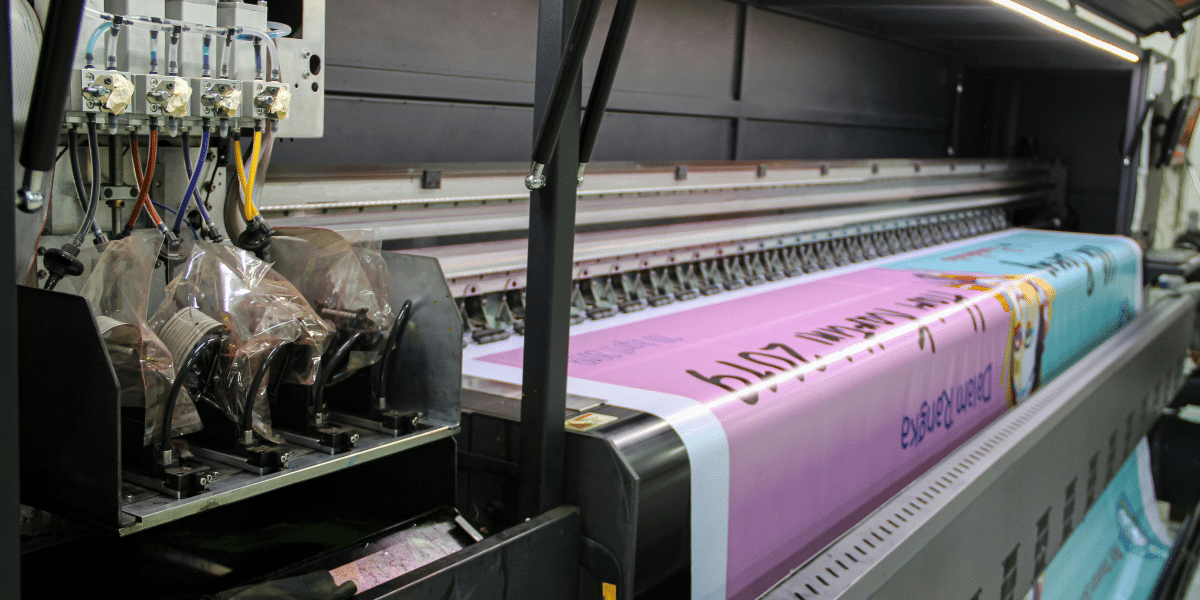
Poster printing has been a powerful medium for communication, promotion, and artistic expression for decades. From vibrant event announcements to compelling marketing campaigns, posters continue to captivate audiences and deliver messages with visual impact. This guide explores the evolution of poster printing, its significance, and best practices for creating effective posters.

The Evolution of Poster Printing

The history of Poster printing dates back to the early times when lithography was first developed. This technique allowed for the mass production of printed materials, revolutionizing how information was disseminated. Early posters were often hand-drawn and printed using metal plates, which made them expensive and time-consuming to produce.

With the advent of offset printing in the 20th century, the process became more accessible and affordable. This innovation enabled high-quality prints with consistent color and detail, making posters a popular choice for advertising and artistic endeavors. Today, digital printing has further transformed the industry, allowing for even greater flexibility, speed, and customization.

The Significance of Posters

Posters serve multiple purposes across various domains:

Advertising and Marketing: Posters are an effective way to promote products, services, and events. Their visual nature makes them ideal for grabbing attention and conveying key messages quickly. High-quality, well-designed posters can significantly impact brand recognition and customer engagement.

Artistic Expression: Many artists use posters as a medium for their work. The combination of visual design and print technology allows artists to reach a wider audience and make their work accessible to more people. Limited edition posters and art prints are often collectible items.

Educational and Informational Use: Posters are commonly used in educational settings to convey information in an engaging way. Educational posters can help illustrate complex concepts, provide reference material, and enhance the learning experience.

Event Promotion: Whether it’s a concert, festival, or community gathering, posters are a staple for promoting events. They provide essential details such as dates, locations, and ticket information while creating excitement and anticipation.

Designing Effective Posters

Creating an effective poster involves more than just putting together attractive visuals. Here are some key elements to consider when designing a poster:

Purpose and Audience: Clearly define the purpose of your poster and who your target audience is. This will guide your design choices, including color schemes, typography, and imagery. A poster for a music festival will look very different from one promoting a corporate seminar.

Visual Hierarchy: Organize information in a way that guides the viewer’s eye. Use size, color, and placement to emphasize the most important elements. The main message should be immediately noticeable, with supporting details arranged logically.

Typography: Choose fonts that are easy to read and appropriate for your message. Avoid using too many different fonts; instead, use variations in size and weight to create emphasis. Ensure that the text contrasts well with the background to enhance readability.

Color and Imagery: Colors evoke emotions and set the tone for your poster. Select a color palette that aligns with your message and brand identity. Use high-quality images and graphics that support your content and enhance the overall design.

Simplicity: Less is often more when it comes to poster design. Avoid clutter and ensure that your poster communicates its message clearly and concisely. A well-designed poster should be visually appealing and easy to understand at a glance.

Call to Action: If your poster aims to prompt a specific action, such as purchasing tickets or visiting a website, make sure the call to action is clear and compelling. Place it prominently to catch the viewer’s attention.

The Poster Printing Process

The process of printing posters has evolved significantly with advancements in technology. Here’s a brief overview of the modern poster printing process:

Design and Proofing: Start by creating a digital design using graphic design software. Once the design is complete, produce a proof to review the colors, layout, and overall appearance. Proofing is crucial to ensure that the final print meets your expectations.

Selecting Print Materials: Choose the right paper stock or other materials based on your poster’s intended use. Options range from glossy and matte finishes to more durable materials like vinyl for outdoor use.

Printing Technology: Depending on your needs, you can choose between digital, offset, or screen printing. Digital printing is ideal for short runs and quick turnarounds, while offset printing is suitable for larger quantities with consistent quality. Screen printing is often used for specialized applications, such as large-format posters or unique finishes.

Finishing Touches: After printing, consider additional finishing options such as laminating, mounting, or framing. These finishes can enhance the durability of your poster and give it a professional look.

Trends in Poster Printing

As technology advances, new trends in poster printing are emerging:

Sustainable Printing: With growing environmental awareness, many print shops are adopting eco-friendly practices. This includes using recycled paper, vegetable-based inks, and energy-efficient printing processes.

Interactive Elements: Posters are becoming more interactive with the integration of QR codes and augmented reality. These elements can provide additional information, links, or interactive experiences for viewers.

Custom Sizes and Shapes: Advances in printing technology allow for more creative formats. Custom-sized and shaped posters can make a stronger impact and stand out in a crowded visual landscape.

Enhanced Finishes: Innovative finishes, such as metallic inks, embossing, and spot UV coating, are being used to add texture and visual interest to posters.

Conclusion

Poster printing remains a dynamic and influential medium for communication, art, and advertising. Its evolution from early lithographic techniques to modern digital printing reflects its enduring relevance and adaptability. By understanding the significance of posters, mastering effective design principles, and staying abreast of current trends, you can create impactful posters that capture attention and convey messages with clarity and creativity. Whether you’re promoting an event, showcasing artwork, or sharing information, well-designed posters continue to make a significant impression in our visually driven world.

Published by: Holy Minoza

How to Select the Right Inpatient Program for Your Recovery

Understanding the Importance of Support

Support plays a pivotal role in the recovery process for individuals undergoing residential inpatient programs. According to the National Institutes of Health, emotional support can significantly improve recovery outcomes. Family and friends exert a positive influence by offering emotional stability and encouragement, which helps reduce the feelings of isolation commonly experienced during treatment. Programs such as the Residential Inpatient Program in California can help, but the role of family and friends cannot be overstated. The combination of professional treatment and unwavering support from loved ones creates a robust foundation for recovery.

Effective Communication Strategies

Clearly and openly communicating can considerably impact your loved one’s recovery journey. Techniques such as active listening, maintaining eye contact, and using a supportive tone can foster a more constructive dialogue. Effective communication strengthens your relationship and provides a solid foundation for the ongoing recovery process. Open conversations about your loved one’s feelings and experiences can help you understand their challenges and provide the appropriate support. Furthermore, avoiding judgmental language and being empathetic ensures your loved one feels safe and understood, which can significantly aid their recovery journey.

Building Trust and Providing Encouragement

Trust is essential in any supportive relationship. Reinforcing your loved one’s efforts and milestones, no matter how small they seem, is key to building that trust. Consistent encouragement helps build their confidence and validates their progress. A study by the American Psychological Association concludes that positive reinforcement can significantly enhance mental health recovery. Celebrating these milestones together boosts your loved one’s morale and strengthens your bond, facilitating a more supportive and understanding environment for them to flourish in.

Educating Yourself on the Process

Knowledge is power. Familiarizing yourself with the intricacies of residential inpatient programs and their workflows will better prepare you to provide the necessary support. This includes understanding the typical stages of recovery, potential challenges, and effective coping mechanisms. Doing so will allow you to be a more informed and empathetic support system. Attending workshops, reading relevant literature, and even joining support groups can offer insights into what your loved one is going through, equipping you with the tools needed to be a pillar of strength during their recovery journey.

Setting Realistic Expectations

There will be ups and downs in the recovery process; it is not a linear one. Reduce frustration and disappointment by beginning with reasonable expectations. It is critical to understand that setbacks and possible delayed progress are common parts of the journey. Knowing this can make it easier to keep a positive atmosphere that promotes resilience rather than leading to worry or discouragement. Understanding that it is a marathon rather than a sprint helps you to not become discouraged by brief setbacks and to better appreciate each tiny step forward.

The Art of Being Patient

Patience is a virtue, particularly when supporting someone in recovery. Understanding that recovery timelines can vary greatly from person to person is crucial. Practicing patience allows you to provide steady, non-judgmental support that can make a difference in your loved one’s experience. Practicing patience also involves giving them the space to grow at their own pace, understanding that pushing too hard can sometimes be counterproductive. Your consistent, patient support can be the bedrock upon which they build their new, healthier life.

Taking Care of Yourself

While providing support, it’s equally important to take care of yourself. Self-care ensures you are emotionally balanced and can offer the ideal support possible. Techniques like mindfulness, exercise, and connecting with your social network can replenish your emotional resources, ensuring you remain a strong pillar for your loved one. Ensuring you are not neglecting your mental and physical health allows you to be fully present and effective in your supportive role. Recall that an empty cup cannot be used to pour from.

Utilizing Community Resources

Leverage community resources to augment your support efforts. Many communities offer support groups, educational workshops, and counseling services tailored for families of those in recovery. These resources can provide additional tools and networks to facilitate a successful recovery. By engaging with these resources, you gain additional support and connect with others in similar situations, which can provide comfort and practical advice. Local nonprofit organizations, healthcare providers, and even online communities can be invaluable in offering the guidance and resources needed during this challenging time.

Published by: Holy Minoza

From Cleaner to Entrepreneur: Kadi Dulude’s Inspired Path with Wizard of Homes

By: Seraphina Quinn

Keeping a home spotless in a city where every second is precious can feel like an impossible task. But for Kadi Dulude, the founder of Wizard of Homes, this challenge became the foundation of a thriving business that has transformed countless New York homes and businesses.

Turning Negotiability into Opportunity

Kadi’s path to becoming one of New York’s reputable cleaning business entrepreneurs started unexpectedly. Originally from Estonia, Kadi was in New York negotiating the uncertainties of life following a layoff. When she had to decide what to do next, she chose to pick up a mop and start home cleaning, transforming everything.

“It was first just about survival,” Kadi says. “But as I started working, I realized how much pleasure I got from helping people feel more at home and from making a space shine.”

This practical experience sharpened Kadi’s abilities and highlighted her inherent business sense. Word got out rapidly as customers started raving about her exacting attention to detail and genuine care for their environments. Yelp comments came in, and Kadi’s one-woman business soon expanded into something more.

Constructing More Than Only a Business

As demand for her goods rose, Kadi found it challenging to expand without sacrificing the personal touch that made her company unique. She discovered the answer right in her roots. She invited acquaintances from Estonia—people she knew had principles and a work ethic. With a shared dedication to greatness, they assembled a team that resembled a family, more or less.

“Cleaning someone’s house is an intimate job,” Kadi says. “You are looking after where they live, where they raise their children, and where they unwind following a demanding day, not only cleaning floors. I want my staff to realize this, and they do.”

Kadi has always been hired and trained with a very personal attitude. She is aware of what it takes to perform a task successfully, as she completes it herself. She is also mindful of creating a friendly workplace among her employees. Good energy is contagious, she explains. “The service we offer reflects the quality with which my team feels about their work.”

But it’s about more than simply a tidy house; it’s about how the surroundings affect the residents. Kadi has personally experienced how a clean, orderly house may boost someone’s mood. She says, “A clean home can change how someone feels.” It can help people feel more clear-minded, lower anxiety, and ease despair. I’m glad to offer them a fresh start. It’s like giving them a fresh start, and that’s something I’m proud to offer.”

Changing to Be a Leader

As Wizard of Homes developed, Kadi assumed a new responsibility: manager and leader. Although it was difficult to distance oneself from daily cleaning, the company needed to grow, which was essential. Currently supervising a staff of over 100 cleaners, Kadi has welcomed upholding the exacting standards she established from the outset.

“My work now is to ensure our clients get the same degree of care and quality, no matter who’s cleaning their home,” she explains. “I have to learn to trust my team and focus on the big picture—things like expanding our services, improving our processes, and guaranteeing our clients are always happy.”

This shift hasn’t gone unnoticed. Wizard of Homes has earned a stellar reputation, including being named among the best cleaners in New York by Time Out New York Magazine. But for Kadi, the accolades are secondary to her satisfaction, knowing she’s helped build something meaningful.

A Viewpoint Anchored in Kindness

Kadi’s company operates on a basic tenet: treat every house as your own. This belief has guided her from her first job in cleaning to running a profitable company. It also motivates Kadi to keep aiming for perfection and helps customers return.

“When I started, I simply wanted to make ends meet,” Kadi says. However, along the way, I developed a passion for enabling individuals to feel more at ease and content in their homes. 

Wizard of Homes is about helping one tidy house at a time to improve lives.

Kadi Dulude’s story is more than a tale of entrepreneurial success. It’s a reminder that with hard work, a little creativity, and a lot of heart, it’s possible to turn life’s challenges into something beautiful. And in a city as vibrant and fast-paced as New York, that’s a kind of magic all on its own. 

Published by: Holy Minoza