Men’s Climbing Leggings: Essential Features Explained

When it comes to rock climbing, the right gear can make all the difference. Among the most crucial pieces of equipment for any climber are climbing leggings. These specialized leggings are not just about aesthetics; they are designed to enhance performance, provide comfort, and ensure safety during climbs. Climbing leggings support a range of movements and protect against the rugged terrain, making them indispensable for both amateur and professional climbers. Understanding the specific benefits and features of climbing leggings can significantly improve your climbing experience.

Flexibility and Support

Superior Flexibility for a Full Range of Motion

Men’s flexible climbing leggings are designed to ensure that nothing holds you back as you scale heights. The best climbing leggings incorporate elastane or spandex fibers that allow for an extensive range of motion. Whether you’re navigating through tricky boulders or stretching for a distant hold, these leggings move with you, ensuring that your clothing never limits your potential on the rock face.

Muscle Support and Fatigue Reduction

The compression elements found in the best rock climbing leggings support the muscles by enhancing blood circulation and reducing the buildup of lactic acid. This support helps climbers maintain their endurance over longer periods, making challenging routes feel a bit more manageable. Furthermore, this feature is especially beneficial in cold weather when keeping muscles warm and responsive is critical.

Ergonomic Design

Ergonomically designed men’s leggings cater specifically to a climber’s needs. These leggings are crafted with articulated joints and gusseted crotches which enhance fit and allow for uninhibited movement. The strategic placement of seams reduces chafing and discomfort, which is essential during long climbing sessions.

Durability and Abrasion Resistance

Materials That Withstand Rigorous Climbing

Choosing the right materials is essential when selecting men’s outdoor climbing leggings due to the rough and often unpredictable nature of outdoor environments. Materials such as reinforced nylon and polyester are favored for their strength and ability to withstand tears and punctures. These fabrics are treated with durable water-repellent (DWR) coatings to resist moisture and stains, further enhancing their longevity.

Abrasion-Resistant Features

Abrasion resistance is critical for any climber looking to invest in long-lasting gear. Here’s how advanced features in climbing meggings contribute to their durability:

1. Integrated Panels: Many climbing leggings are designed with integrated panels strategically placed in high-wear areas, such as the knees and the rear. These panels are often constructed from extremely durable materials like Kevlar, which is renowned for its high tensile strength and abrasion resistance. By reinforcing these critical areas, the leggings are better equipped to resist tears and scuffs, extending their lifespan and providing climbers with reliable protection where they need it most.

2. Reinforced Stitching: To further enhance durability, many climbing leggings feature double or triple stitching along the seams. This reinforced stitching significantly increases the structural integrity of the garment, ensuring that it can hold together even when subjected to considerable stress and strain.

3. Protective Coatings: Some climbing leggings are treated with protective coatings that provide an additional layer of durability. These coatings can be applied to the fabric to enhance its resistance to wear, tear, and even environmental factors like water and dirt. Such treatments not only extend the garment’s life but also maintain its appearance and functionality in harsh climbing conditions.


These features are particularly valuable in climbing environments where contact with rough surfaces is frequent. They ensure that the leggings not only offer comfort and flexibility but also stand up to the physical demands of climbing, providing climbers with reliable gear that supports their adventurous pursuits.

Comfort and Breathability

Moisture-Wicking Properties

One of the most appreciated features of climbing tights is the ability to manage moisture effectively. High-quality leggings are designed with moisture-wicking technologies that draw sweat away from the skin, facilitating rapid evaporation and keeping the climber dry and comfortable. The ability to avoid the pain of sweat-soaked clothing and lower the chance of chafing makes this feature essential for comfort during strenuous climbs or in unpredictable weather.

Breathable Fabric Options

Fabrics like mesh or specially perforated materials are often incorporated into the design of leggings to allow for optimal air circulation. These materials let the skin breathe by releasing heat and moisture buildup, which is vital during physically demanding activities. In addition to keeping the climber cool and concentrated on their ascent, the increased ventilation helps to regulate body temperature.

Additional Features for Climbing Leggings

Optimal Grip and Traction

To enhance safety and efficiency on the rock, some climbing leggings incorporate features that improve grip and traction. These may include silicone grippers along the thigh and calf areas, which help to stabilize contact between the leggings and the rock surface or climbing pads.

Pockets and Storage Solutions

Modern climbing leggings are more than just protective and supportive garments; they also come with practical solutions for carrying essentials. Here’s a breakdown of typical storage features:

  • Secure Zip Pockets: Climbing leggings often feature secure zip pockets which are perfect for safely storing small, important items such as keys or a trail map. These pockets are designed with zippers to ensure that contents remain securely inside, regardless of the climber’s movements or the angle of the climb.
  • Hidden Pockets: Hidden pockets, usually incorporated into the waistband, provide a covert storage option. These pockets are perfect for holding goods like identification or emergency cash that may come in handy at any time. The stealthy nature of these pockets ensures that these items remain hidden and secure, reducing the risk of theft or loss during climbs.
  • Mesh Pockets: For those who need quicker access to their essentials, mesh pockets on climbing leggings are a great feature. These pockets are typically more breathable and less secure than zip pockets but are perfect for items like energy gels or small climbing tools that might be needed immediately.


The inclusion of these diverse pocket options in climbing leggings significantly enhances their utility. Climbers can benefit greatly from the added convenience of having their important items readily accessible and securely stored.

Seamless Construction for Comfort

Another significant feature in the design of the best rock-climbing leggings is the seamless construction. This technique minimizes seams, which reduces the risk of irritation and chafing commonly associated with prolonged physical activity. Seamless leggings tend to offer a smoother and more comfortable fit, which is crucial during long sessions of climbing where comfort can significantly impact performance.

Where to Buy Men’s Leggings

Online Retailers and Specialty Stores

Purchasing men’s leggings online offers a convenient and extensive selection from various brands and styles. Online retailers and specialty climbing gear stores are excellent sources for finding a wide range of climbing leggings tailored to different preferences and needs. These platforms often provide detailed product descriptions, customer reviews, and sizing guides, which help make an informed choice.

Tips for Online Shopping

Climbers should verify the authenticity of the website and check the return and exchange policies, which can be crucial if the leggings do not fit as expected. Subscribing to newsletters and alerts from favorite gear sites can also lead to notifications about sales and new arrivals, ensuring that climbers get the best value for their investment.

Climbing leggings are a crucial part of any climber’s gear, offering more than just basic coverage. They enhance performance through features such as moisture management, optimal flexibility, and superior fabric durability. The features of climbing leggings like muscle support, abrasion resistance, and temperature regulation significantly contribute to a climber’s comfort and efficiency. Additionally, the practical aspects such as integrated storage solutions and ergonomic design further enhance their usability in diverse climbing scenarios.

Published by: Martin De Juan

Dolce & Gabbana Sartoria Fitting: Step-by-Step Guide

Dolce & Gabbana’s Sartoria Made-to-Measure service offers an unparalleled experience in bespoke tailoring. Whether you prefer a fitting at one of Dolce & Gabbana’s luxurious boutiques, in the comfort of your home, or at your office, the process is designed to be seamless and personalized. Here’s a step-by-step guide to booking an appointment for a Sartoria fitting.

Step 1: Visit the Sartoria Made-to-Measure Website

Start your journey by visiting the Dolce & Gabbana Sartoria Made-to-Measure page. Here, you can explore the Sartoria service and get a feel for the exquisite craftsmanship and personalization options available.

Step 2: Contact Dolce & Gabbana

To book your appointment, contact Dolce & Gabbana directly. You can do this through several methods:

Online Form: Fill out the contact form available on the Sartoria page. Provide your details, the preferred location for the fitting (boutique, home, or office), and any specific requests.

Phone: Call the Dolce & Gabbana customer service line. The number is available on the website. Speaking directly with a representative can be helpful for immediate scheduling and personalized assistance.

Email: Send an email to the address provided on the Sartoria page, detailing your preferences and availability.

Step 3: Choose Your Fitting Location

Dolce & Gabbana offers the flexibility to have your fitting at a boutique, your home, or your office. Here’s what to expect with each option:

Boutique: Enjoy the luxury and ambiance of a Dolce & Gabbana boutique. 

Home: For the ultimate in convenience and privacy, opt for a home fitting. 

Office: If you have a busy schedule, an office fitting can be arranged. 

Step 4: Schedule Your Appointment

Once you’ve chosen your location, coordinate with the Dolce & Gabbana team to schedule your fitting. They will work with your availability to find a suitable time. It’s best to allow at least an hour for your initial fitting to ensure all measurements and details are thoroughly discussed.

Step 5: The Initial Consultation and Fitting

During your appointment, a Dolce & Gabbana tailor will take precise measurements and discuss your preferences in detail. You’ll choose from a wide range of fabrics, styles, and personalized options. 

Step 6: Follow-Up Fittings

After the initial fitting, follow-up appointments may be necessary to refine the fit and make any adjustments. These can typically be done at the same location as your initial fitting. The number of follow-up fittings will depend on the complexity of your suit and the adjustments needed.

Step 7: Final Fitting and Delivery

Once your suit is ready, you’ll have a final fitting to ensure everything is perfect. Any last-minute adjustments can be made at this stage. After the final fitting, your bespoke suit will be ready for delivery. Dolce & Gabbana can deliver it to your preferred location, ensuring convenience and satisfaction.

Experience the Sartoria Difference

Booking an appointment for a Sartoria fitting with Dolce & Gabbana is a seamless process designed to offer you the highest level of service and personalization. From the initial consultation to the final fitting, every step is crafted to provide you with a suit that is uniquely yours.

Published by: Nelly Chavez

The Process of Proposal Management

The success of commercial ventures is largely dependent on proposal management, which also lays the foundation for gaining new clients and expanding initiatives. Fundamentally, it entails organizing a wide range of activities, from the first request for bids to the last filing of an expertly prepared document. This crucial business activity is defined by the interaction of strategy, writing, design, and teamwork. It takes skill to navigate through its complexity and a deep comprehension of what good proposal management means. In this piece, we explore the essential components that make up a strong proposal management plan.

Understanding the Fundamentals of Proposal Management

Process of Proposal Management

Photo: Unsplash.com

Colleagues at a meeting, discussing their plans and projects for the company and the process of proposal management.

Proposal management is an intricate art, delicately balancing the needs of diverse stakeholders while crafting a compelling argument for a business’s offerings. Beginning with a thorough grasp of the client’s requirements, it aims to demonstrate how one’s products or services uniquely satisfy those needs, articulating value and differentiation effectively. The managerial aspect involves assembling and coordinating a team to ensure each component of the proposal meets the highest standards, from writing to design. Navigating complex RFP instructions is crucial, adhering strictly to guidelines and formatting rules to avoid disqualification. For companies committed to refining their solicitation strategy, the process of proposal management represents a continuous cycle of planning, execution, revision, and learning, indispensable for securing contracts and fostering business growth.

Key Steps in the Proposal Development Lifecycle

The proposal development lifecycle begins with the pre-proposal phase, involving opportunity identification and assessment for alignment with company goals. Skipping this stage can risk misalignments. Upon identifying a suitable opportunity, a proposal team is assembled to draft an initial outline, constructing a persuasive narrative around the company’s capabilities and value proposition. The drafting process is iterative, emphasizing clarity and conciseness to maximize persuasiveness. Finally, in the submission and follow-up phase, agility and responsiveness are crucial for addressing queries and providing additional information to maintain a competitive edge post-submission.

Essential Tools and Software for Streamlining Proposal Creation

Efficient proposal management in the digital age necessitates leveraging technology, with an array of tools and software available to facilitate collaboration, document management, and the creation of visually appealing proposals. These technologies streamline workflows, enhance productivity, and offer features such as templates and content libraries for maintaining consistency and saving time. Collaboration tools enable synchronous work regardless of location, improving version control, transparency, and feedback cycles, resulting in profound impacts on proposal quality and turnaround time. However, selecting the right tools requires understanding the team’s specific needs, proposal types, and considerations like integration, scalability, and ease of use.

Ideal Practices for Effective Proposal Team Collaboration

Proposal Management

Photo: Unsplash.com

 A man standing in front of a wall with organized sticky notes, brainstorming an idea.

Highly effective proposal teams thrive on collaboration and effective communication, which begins with establishing clear roles and responsibilities upfront to minimize overlaps and conflicts. Regular check-ins are crucial for maintaining momentum, aligning efforts, and addressing challenges collectively. Cultivating a culture of feedback allows for constructive criticism and peer reviews, enhancing proposal quality and team morale. Leveraging shared workspaces and collaborative tools streamlines communication and document accessibility, optimizing the proposal production process for polished and competitive submissions.

Measuring Success and Continuously Improving Proposal Processes

Performance measurement serves as the guiding compass for the continuous improvement of proposal processes, allowing companies to refine their approach based on outcomes such as wins and losses. Analyzing these outcomes, understanding client feedback, and conducting internal reviews help identify areas for enhancement, whether in tools, workflows, or team collaboration. Additionally, ongoing training and development ensure the proposal team remains adaptive and innovative in their strategies, essential for navigating evolving market trends and technologies

Overall, mastering the art of proposal management requires a thorough understanding of its elements, the adoption of collaborative ideal practices, judicious use of technology, and a commitment to continual improvement. With these strategies in place, businesses can generate compelling proposals, win new projects, and achieve long-term success in their respective industries.

Published by: Nelly Chavez

From Network Marketing to Marketing Mastery: Jelena Ostrovska’s Journey to Entrepreneurial Success

Jelena Ostrovska, the CEO of The Unlimited Entrepreneur, has carved a niche for herself in the digital marketing and social media marketing industries. Her entrepreneurial journey, which began at the age of 18, is marked by her relentless pursuit of knowledge and excellence in various business domains, from network marketing to affiliate marketing, and eventually to becoming a certified business coach and launching her digital products and services.

Born in Latvia to a Russian family, Jelena Ostrovska was introduced to the world of entrepreneurship early on. Her parents, both business owners, and her grandfather, who continued making sales calls well into his 70s, were significant influences in her life. This environment fostered a natural inclination towards business, steering her away from the traditional 9-5 job mindset and towards an entrepreneurial path. Skipping college, she dove headfirst into network marketing during high school, leveraging social media to build her business when her immediate network was less supportive.

Launching The Unlimited Entrepreneur

In 2018, Jelena founded her company, The Unlimited Entrepreneur, out of a desire to promote her products rather than those of others. She had accumulated substantial knowledge and experience through her various business ventures, which she was eager to share. Her company values honesty and integrity, straightforwardness, continuous learning, and consistency, all of which reflect her personal and professional ethos.

Her marketing approach is no-nonsense and straight to the point, designed to avoid wasting time for both Jelena and her clients. With experience across diverse industries, from relationship coaching to forex and travel niches, she has developed strategies that are enriched and effective. This broad exposure has made her adept at tailoring marketing plans that captivate and convert. By applying these strategies, Jelena helps service-based businesses enhance their visibility and attract perfect-match clients online.

Network Marketing: The Foundation

Jelena Ostrovska's Journey to Entrepreneurial Success

Photo Courtesy: Jelena Ostrovska

Network marketing was Jelena’s entry point into the business world, and it significantly shaped her approach to both business and marketing. Starting in high school, she faced initial skepticism from her peers, which pushed her to explore social media as a tool for customer acquisition. This early experience underscored the importance of trust and relationships in business, a lesson that has stayed with her throughout her career. She also learned the critical role of sales, countering common misconceptions in the MLM industry that products sell themselves. Instead, Jelena emphasizes the necessity of actively selling every product or service.

Moreover, network marketing taught her the value of being known within her industry. By being proactive and building a strong network, she was able to significantly advance her business. This experience also instilled in her a commitment to lifelong learning, recognizing that even experts continue to grow and adapt. ‘It’s more important who knows you rather than who you know. That’s the reason I decided to be very proactive in a company I was involved with at the time, and that network helped me progress in my business. I believe networking is huge for success in business as you never know who you may be introduced to by one person you meet,’ shares Jelena.”

Transition to Affiliate Marketing and Business Coaching

Jelena’s journey from affiliate marketing to becoming a business coach involved significant learning and adaptation. Affiliate marketing, with its focus on driving traffic to offers and earning commissions on sales, was straightforward compared to the multifaceted demands of coaching. In coaching, Jelena had to master a range of new skills, from creating coaching programs and offers to managing client relationships and delivering services effectively.

“One of the key lessons she learned during this transition was the paramount importance of communication. ‘In coaching, I had to face my biggest fear and be on the phone with people,’ says Jelena. As a non-native English speaker and an introvert, it was not easy. However, she embraced the challenge, understanding that improvement comes with practice. Over time, she overcame her fears and now communicates confidently with clients.”

Another critical insight was the need to perform tasks manually before attempting to automate them. While automation is appealing, it is crucial to understand and document processes thoroughly before implementing automated solutions. This approach ensures that automation enhances efficiency without compromising quality. Jelena also dispelled the myth of “evergreen income.” While many gurus promote the idea of a perpetually self-sustaining business model, she realized that even the most automated systems require ongoing monitoring and adjustment. The rapidly evolving technological landscape necessitates continuous learning and adaptation to stay ahead.

Recognition and Personal Interests

Her achievements have been recognized through various awards, including top affiliate accolades, and she has spoken at numerous events, sharing her insights with hundreds of people. Outside of her professional life, Jelena enjoys indulging in beauty products at Sephora, exploring new cities through her travels, and reading books.

Jelena Ostrovska’s journey from a high school network marketer to a seasoned digital marketing strategist and business coach exemplifies entrepreneurial resilience and growth. Her commitment to straightforward, effective marketing strategies and her continuous pursuit of knowledge have made her a trusted advisor for service-based businesses looking to enhance their online presence and attract ideal clients. Through The Unlimited Entrepreneur, she continues to inspire and empower others on their entrepreneurial journeys.


Disclaimer: The content is for informational purposes only and should not be construed as business or marketing advice. Readers are encouraged to seek professional guidance tailored to their specific needs before implementing strategies or making decisions.

Published by: Nelly Chavez

Empowering Women: The Need for Better Health Education

By: John Glover (MBA)

Being a woman is difficult in more ways than one. When it comes to our bodies, it can sometimes be a foreign land where we don’t know what is happening. Our bodies go through so many changes on a daily, weekly, and monthly basis, so of course it’s hard to keep track. Women’s health education is out there, but not to the extent it needs to be for us to be fully in tune with our bodies. 

Imagine being able to experience a symptom in your body and know exactly what it means. This would save us a lot of time and money, because we do not have to search out answers. If doctors, physicians or even schools spent a little extra time and resources teaching young girls about their bodies, perhaps women’s health would not be such a mystery. 

For example, survey results show that 72% of women did not know the symptoms they were enduring were related to a hormone imbalance. In that same survey, nearly half of the women said that they were experiencing hormone imbalance related symptoms. A lot of time periods, perimenopause, and hormone imbalance symptoms are similar, so it can be hard to understand what is going on and how to manage it. 

“Learning about your body as a woman is so important and should be taken more seriously. We should not have to find things out about our bodies as they come, we need more preparation and resources to really be in tune with ourselves,” says Amy Beckley, Ph.D and CEO at Proov.

You would think that women in their 30s, 40s and even 50s know everything about their bodies and how it works. That is not the case for many women. According to a 2022 statistic, only 42% of women were knowledgeable about perimenopause, while 52% were knowledgeable about menstruation. 

This shows there is a gap between those who understand their bodies to an extent and those that do not. Why is there such a gap? Women’s health education should not be an afterthought, it should be taught to girls when they are young, so they can be prepared for the road ahead. Women’s reproductive health is complicated and there needs to be access to resources to help teach young girls about how their bodies work before they menstruate, not when they are hitting perimenopause. 

“A lot of times, women have symptoms and imbalances that they do not understand, and if not treated it could lead to infertility and other issues down the line. Why are we waiting to educate each other? There needs to be an open and safe conversation surrounding women’s hormones so they can live in harmony with their body,” Beckley says. 

Thankfully, recent advances have made it easier for people to understand their bodies in each stage of their life. There is new testing for hormone imbalances, fertility or even perimenopause, that gives people answers that are catered to them. Practicing more holistic changes like meditation, exercise and supplements can also help people feel like themselves and manage whatever they are going through. Talking with your doctor is also a great way to be open and honest about your concerns. If you have a question about something, don’t hesitate to ask because you could find a solution to your problems and figure out ways to prevent them in the future. There is information out there, but it can feel like a huge obstacle to find the exact answers you need. Instead of jumping through hoops to understand your body, education needs to be a priority so women can take control over their health. Being an advocate for health is necessary to breaking the stigma surrounding women’s health.

Published by: Nelly Chavez

How to Boost Gut Health: Easy and Practical Tips

The gut is one of the most important organs and acts as a digestion powerhouse. It is the primary source of your well-being and influences everything from your immune system to your mental health. If you want to achieve better overall health, focusing on your gut health should be on your list.

This article discusses improving your gut health with simple-to-use tips and tricks that can be applied today.

Eat a Diverse Range of Foods

A diverse microbiome is crucial for maintaining a healthy gut. You’ll want to eat various fruits, vegetables, whole grains, lean proteins, and legumes to achieve this. Each food group offers unique nutrients and essential ingredients that support good gut bacteria. Based on your health care needs, you can add, remove, or adjust your current diet to ensure you are getting the best range of foods for your gut health.

Consume Plenty of Fiber

Fiber-rich foods promote a balanced microbiome necessary for a healthy gut. This happens when fiber feeds the good bacteria in your gut, preventing it from turning to your gut lining for food. Fiber and gut bacteria work together to activate mucus production, fortifying the gut’s protective barrier and ultimately helping your digestion. Foods high in fiber include beans, lentils, berries, broccoli, and whole grains. Most people should consume the recommended 25-30 grams of fiber daily.

Include Fermented Foods

By incorporating fermented foods into your diet, you can give yourself a probiotic boost. Through an age-old process, fermented foods are preserved to increase food safety and shelf life. These foods contain live bacteria that can benefit gut health and are crucial to healthy digestion. Foods like yogurt, kefir, sauerkraut, kimchi, miso, and kombucha are great fermented options and can help increase the number of beneficial bacteria in your gut.

Stay Hydrated

Proper hydration is critical to many bodily functions, including maintaining the mucosal lining of the intestines. It also assists with balancing good bacteria, ensuring a healthy digestive system. Drinking plenty of water (6-8 glasses) throughout the day will ensure you stay hydrated and properly nourished. Add herbal teas and water-rich fruits and vegetables to improve your hydration habits.

Reduce Stress

Reducing stress and adopting stress management techniques can stimulate healthy gut function. Chronic stress has been shown to lead to many illnesses and diseases, including digestive conditions like IBS and inflammation. Many effective practices, including yoga, meditation, and deep-breathing exercises, can alleviate stress. Quality sleep and time outdoors are also crucial for reducing stress and enhancing overall health.

Limit Processed Foods and Sugar

Processed foods and high sugar intake can be highly disruptive to your gut health and even promote harmful bacteria growth. Maintain a diet of whole food choices and minimize your consumption of sugar-laden snacks, drinks, and other processed meals.

Avoid Overuse of Antibiotics

Antibiotics can be effective in treating various infections; however, they can also kill helpful gut bacteria. To avoid overusing antibiotics, use them sparingly and only as your provider prescribes. Discuss any gut-related concerns with your doctor to ensure the most appropriate treatment plan.

Exercise Regularly

Regular exercise is crucial to good gut health and can increase the diversity of gut bacteria and improve gut function. Incorporating a more active lifestyle will enhance your overall health and well-being while supporting a healthy gut. Aim for a weekly goal of at least 150 minutes on activities such as walking, swimming, stretching, and strength training.

Consider Prebiotic Foods

Prebiotic-rich foods like onions, bananas, and whole oats can feed the good bacteria in your gut, contributing to better gut health. Prebiotic supplements can be incorporated into your diet as an added source.

Get Enough Sleep

Sufficient sleep is crucial for good health, including gut function. By getting 7-9 hours of quality sleep each night, you can contribute to a healthy microbiome. Establish a regular sleep schedule and create a peaceful environment conducive to a restful night’s sleep.

Avoid Smoking and Limit Alcohol

Establish healthy habits by avoiding smoke and limiting alcohol consumption. Not only are these habits unhealthy in general, but they can also disrupt gut bacteria and lead to inflammation. To enlist support for quitting smoke or drinking alcohol, seek professional help and guidance.

Listen to Your Body

Your body communicates many signs when things are out of sync. Issues like bloating, gas, and irregular bowel movements can be signs of an unhealthy gut and other digestive issues. By keeping track of your diet and the symptoms you experience, you can identify your triggers and remove these things from your diet. If issues persist, consult with your provider.

There are many ways to support good gut health and a healthy digestive system. Applying these tips and tricks to your daily routine can stimulate a healthy gut microbiome that supports your overall well-being for years to come.

Disclaimer: The information provided in this article is for general informational purposes only and is not intended as medical advice. Readers should consult a qualified healthcare professional before making any health-related decisions. The contents of this article should not be used as a substitute for professional medical advice, diagnosis, or treatment.


Published By: Aize Perez

Joni B. Redick-Yundt: Empowering Lives with Positivity

By: Jason Gerber 

Joni B. Redick-Yundt, a woman with an unwavering spirit and a heart full of purpose, has overcome immense challenges to become a shining example of what can be achieved through a positive attitude. 

Despite her difficult upbringing in the rice fields of Laos, Joni dared to dream big and has since been featured on the iconic Billboard in Times Square, New York, and Planet Hollywood in Las Vegas. 

As an international bestselling author, Joni’s narrative stands as an ideal example for aspiring business leaders, humanitarians, and anyone seeking to make a positive change in their lives. 

Her favorite quote, “Positive Attitude + Positive Action = Positive Result,” encapsulates the essence of her message. Joni firmly believes that with unwavering faith and a positive mindset, miracles can indeed happen. 

Joni’s forthcoming book, “Who Stole My Attitude?” (A Fascinating Way of Understanding How Positive & Negative Attitude Work in Our Daily Life), promises to be a transformative guide that empowers readers to take control of their outlook and unlock their full potential. 

Through honest and engaging storytelling, Joni shares her personal journey of navigating challenging situations and transforming negative experiences into stepping stones for success. 

The book’s unique “Alphabet Rules from A-Z” offer a practical framework for developing a winning mindset, guiding readers from “Always Have a Positive Attitude” to “Zest for Life.” She shares stories of everyday heroes who defied the odds to help readers discover how a shift in perspective can unlock a world of possibilities.

Joni’s own experiences of turning negative situations, like job loss, into positive outcomes also serve as a powerful model of true positive attitude and transformation. 

She shares how she created a successful non-profit organization, the Filipino American Multi-Ethnic Society (FAMES Hawaii), despite facing discouragement from naysayers. FAMES Hawaii has thrived for nearly 20 years, providing mentoring, free business and leadership workshops, and over half a million dollars worth of scholarships to deserving local students. Joni’s passion for making a positive difference, especially for the younger generation, is a testament to her belief that adversity can become a positive life lesson. 

Joni’s mission is to create positive change, one person at a time. Through her books, workshops, and non-profit work, she continues to empower her community and inspire others to embrace a positive attitude. 

Her message resonates with aspiring leaders, business professionals, and anyone seeking to make a meaningful impact in their lives and communities. 

As Joni’s journey continues to inspire and transform lives, her words serve as a powerful reminder that with faith, determination, and a positive mindset, anything is possible

After the successful launch of “Million Dollar Attitude,” Joni’s forthcoming book Who Stole My Attitude? promises to equip readers with the tools and insights needed to embrace resilience, foster positivity, and unlock the power within them.

Through her book, readers will learn how positive thinking can cultivate feelings of abundance, courage, and resilience, while a negative outlook can lead to feelings of scarcity and fear. 

She also explains the neurochemical and psychological benefits of maintaining a positive attitude. What makes her book also interesting is that it allows readers to measure their attitude IQ and devise a plan accordingly. 

This self-assessment tool also allows readers to gain valuable insights into your current mindset and identify areas for improvement. By understanding your strengths and weaknesses, readers can come to attitude, create a personalized plan for cultivating a more positive outlook, and, most importantly, arm themselves with the knowledge to make conscious choices that promote well-being and success.

Don’t miss the chance to explore the transformative world created by Joni Redick Yundt. Pre-order your copy to recognize the boundless potential of your positive attitude!

Published by: Nelly Chavez

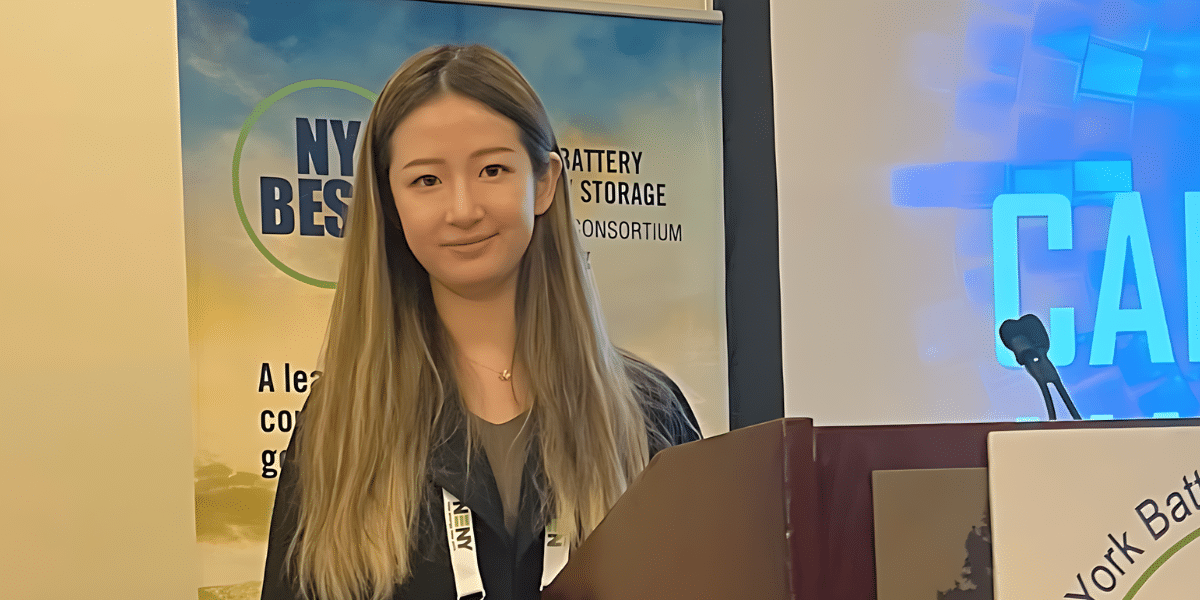
Zhengjie Yang on Powering the Future of Energy Storage

By: Elena Mart

In the rapidly evolving landscape of renewable energy, few individuals stand out like Zhengjie (Jane) Yang. As the Associate Manager of Systems Integration Applications at Hanwha Qcells USA Corp., Jane has been at the forefront of significant advancements in energy storage and grid resilience. Her innovative work not only drives her company forward but also brings substantial benefits to the United States’ energy infrastructure. This interview delves into Jane’s contributions and the far-reaching impact of her projects.

From ERCOT to NYISO: Leading the Charge in Energy Storage

Jane’s journey in the energy sector has been marked by a series of high-impact projects, each contributing to the broader goal of enhancing grid reliability and integrating renewable energy sources. One of her notable projects is the “Battery Energy Storage & ERCOT Merchant Market: Where’s the Money?” study. This project evaluated the economics of standalone batteries in the ERCOT merchant (wholesale electricity) market, focusing on historical price volatility at various system pricing nodes (pnodes).

“Long-term profitability from battery storage merchant projects relies heavily on system volatility,” Jane explains. “We looked at macro trends like load growth, renewable penetration, and gas prices, as well as nodal conditions such as congestion and generator connections.”

The study’s results were illuminating. Jane’s team used advanced machine learning-based techniques to construct long-term price forecasts, which proved essential in evaluating the financial viability of battery storage projects under various future scenarios​​.

Harnessing Machine Learning for Grid Resilience

Another project spearheaded by Jane focuses on grid resilience and long-duration energy storage within the New York Independent System Operator (NYISO). This project explores the integration of machine learning (ML) technologies to optimize energy storage operations and enhance grid services and ancillary markets.

“Renewable energy integration presents significant challenges to grid stability,” Jane notes. “Our research aimed to address these challenges by leveraging ML to forecast peak loads and optimize the performance of long-duration energy storage systems.”

The project investigated lithium and flow battery technologies, assessing their capabilities in providing long-duration storage for grid resilience. By simulating different grid scenarios and ancillary market requirements, Jane’s team identified suitable ML algorithms, including XGBoost, CNN, and LSTM, for optimizing energy storage systems.

“Our findings highlighted the economic viability and regulatory considerations for implementing ML-based energy storage solutions,” Jane says. “This research can inform decision-making processes for grid operators, policymakers, and energy developers, promoting the adoption of advanced technologies and enhancing grid resilience.”​​

Driving Hanwha Qcells USA Corp. to New Heights

Jane’s contributions have had a profound impact on Hanwha Qcells USA Corp., helping position the company as a leader in the energy storage sector. Her innovative approach and technical expertise have been instrumental in developing and optimizing energy storage projects across the US.

“At Qcells, we focus on delivering reliable and efficient energy solutions,” Jane states. “By integrating ML and advanced analytics into our projects, we’ve been able to create a robust revenue database and collaborate effectively on greenfield campaigns, mergers and acquisitions, and portfolio management.”

Her work not only enhances the company’s ability to compete in the market but also ensures that Qcells remains at the cutting edge of technological advancements in energy storage and grid services.

Making a National Impact

Zhengjie Yang on Powering the Future of Energy Storage

Photo Courtesy: Zhengjie Yang

Beyond her contributions to Hanwha Qcells, Jane’s work holds substantial implications for the national energy landscape. Her research addresses critical challenges facing the US energy infrastructure, supporting the broader goals of energy security and sustainability.

Enhancing Grid Reliability

“Integrating renewable energy sources is crucial for reducing greenhouse gas emissions and combating climate change,” Jane emphasizes. “However, it also introduces variability and uncertainty into the grid. Our work on long-duration energy storage technologies provides solutions to these challenges by enhancing grid reliability and stability.”

By optimizing energy storage systems, Jane helps ensure that renewable energy can be effectively integrated into the grid, supporting the transition to a cleaner energy future.

Economic and Regulatory Insights

Jane’s studies offer valuable economic and regulatory insights that can inform policy decisions and market strategies. Her research provides a roadmap for the successful implementation of advanced technologies in the energy sector, crucial for developing policies that encourage innovation and investment in energy storage and grid resilience.

Driving Technological Innovation

Jane’s use of ML and advanced analytics in energy storage projects showcases the potential of cutting-edge technologies to impact the energy sector. Her work highlights the importance of technological innovation in addressing complex challenges and optimizing energy systems.

Conclusion

Zhengjie Yang on Powering the Future of Energy Storage

Photo Courtesy: Zhengjie Yang

Zhengjie (Jane) Yang’s contributions to Hanwha Qcells USA Corp. and the broader US energy sector are both significant and far-reaching. Her innovative research and project management skills have propelled her company to the forefront of the energy storage industry while addressing critical national challenges related to grid stability and renewable energy integration.

As the US continues to navigate the complexities of transitioning to a renewable energy future, the contributions of individuals like Jane Yang will be instrumental in achieving the nation’s energy goals. Her dedication to research, innovation, and collaboration sets a benchmark for excellence in the energy sector, paving the way for a more resilient and sustainable energy system.

About Zhengjie Yang

Zhengjie Yang on Powering the Future of Energy Storage

Photo Courtesy: Zhengjie Yang

Jane Yang is the Associate Manager of Systems Integration Applications at Qcells USA Corp. She supports Qcells’ energy storage projects across US Utility/RTO/ISO markets both economically and technically. Jane has developed Qcells’ energy storage projects revenue database and collaborates closely with the Systems Integration, Development, and Project Finance teams on various initiatives, including greenfield campaigns and M&A opportunities. Her work continues to drive innovation and excellence in the energy storage industry.


Published By: Aize Perez

Project Time Management Strategies to Empower Your Workforce

Managing time well is crucial for any team’s success. How can you ensure your team stays on track and meets deadlines? What tools and strategies can help improve productivity and efficiency? Effective project time management involves setting clear goals, prioritizing tasks, and continuous improvement. Additionally, using the right tools and strategies can significantly enhance your team’s productivity and ensure successful project delivery. In this article, you’ll learn nine strategies to boost your team’s productivity and efficiency and who can implement them.

If you plan to use project time management software or other tools, let’s dive in and gain valuable insights so that you can make informed decisions. 

Setting Clear Goals and Objectives

Importance of Goals: Goals give your team direction and purpose, boosting motivation and productivity.

SMART Criteria: Make goals Specific, Measurable, Achievable, Relevant, and Time-bound.

Team Alignment: Clear objectives help your team understand their roles and responsibilities.

Prioritizing Tasks Effectively

Eisenhower Matrix: Divide tasks into urgent/important, important/not urgent, urgent/not important, and neither.

ABC Method: Prioritize tasks as A (most important), B (important but not urgent), and C (nice to have).

Focus: Ensures the team spends time on high-impact activities.

Utilizing Time Tracking Tools

Popular Tools: Toggl Track, Harvest, QuickBooks Time.

Benefits: Monitor time spent on tasks and gain productivity insights.

Integration: Use tools that integrate seamlessly into your workflow.

Encouraging Regular Breaks

Productivity: Breaks prevent burnout and maintain focus.

Pomodoro Technique: Work for 25 minutes, then take a 5-minute break.

Supportive Environment: Create a culture that values regular breaks.

Delegating Tasks Wisely

Effective Delegation: Distribute tasks based on strengths and availability.

Productivity Boost: Enhances productivity and helps in skill development.

Clear Roles: Define roles and responsibilities clearly.

Conducting Regular Progress Meetings

Alignment: Keep the team focused on goals.

Short and Focused: Meetings should be action-oriented and brief.

Accountability: Regular updates maintain momentum and ensure timely completion.

Leveraging Project Management Software

Tools: Asana, Trello, Jira.

Centralized Management: Task or project management, collaboration, and tracking in one place.

Selection: Choose tools that are user-friendly and scalable.

Implementing Agile Methodologies

Agile Practices: Scrum, Kanban for flexibility and responsiveness.

Iterative Progress: Emphasizes collaboration and continuous improvement.

Key Components: Regular stand-ups, sprints, retrospectives.

Continuous Improvement and Feedback

Regular Reviews: Encourage the team to review processes and improve.

Feedback: Gather feedback to make informed decisions.

Growth Culture: Learn from successes and failures for ongoing improvement.

Who Can Implement Project Time Tracking Strategies?

Project time tracking strategies can be implemented by various industries, professions, and even individuals. Industries such as IT and software development, construction, marketing, and consulting frequently use these strategies to monitor project progress and enhance productivity. For example, software development teams often use Agile methodologies and time tracking tools to manage sprints and deliverables effectively.

Time tracking significantly benefits professionals like project managers, freelancers, and contractors Project managers use these strategies to allocate resources efficiently, track project timelines, and ensure team members meet deadlines. Freelancers and contractors, on the other hand, use time tracking to provide accurate billing to clients and manage multiple projects simultaneously.

Even individuals can implement time tracking strategies to improve their productivity. Professionals in any field can use these tools to better manage their daily tasks, prioritize work, and maintain a healthy work-life balance.

Project time tracking strategies are versatile and beneficial across various industries and professions. Whether you manage a large team, work as a freelancer, or want to boost your personal productivity, these strategies can help you stay organized and efficient.

Conclusion

We’ve explored nine strategies to help you manage project time better: setting clear goals, prioritizing tasks, using time tracking tools, encouraging regular breaks, delegating tasks, holding progress meetings, leveraging project management software, implementing Agile methodologies, and focusing on continuous improvement and feedback. 

Adopting these strategies can enhance your team’s productivity and ensure successful project delivery. Next, consider exploring advanced project management techniques and tools to streamline your workflow further and maximize efficiency.

Published by: Nelly Chavez

Ditch the Pizza Party — Great Ways to Incentivize Employee Performance

You may have heard that “quiet quitting” is all the rage among Millennials and Gen Z. If you haven’t, the idea is to work as little as possible without actually quitting or otherwise losing your income. Fed up with poor working conditions, low pay, and unreasonable hours, many workers are expending the minimum effort necessary. This way, they can avoid burnout, minimize frustration, and still bring home their bi-weekly paycheck.

Your team might not quite be there yet, but you may have noticed they’re getting less done than usual. They see their peers setting themselves on “low battery” mode and decide they might as well do the same. However, you have a business to run, KPIs to hit, and shareholders to keep happy with your progress. Here’s what you can do to keep your team motivated, engaged, and interested enough to actually do their jobs.

More Spending Money

The absolute best way to motivate your employees to perform better is also the most obvious: pay them more for their work. Even if you think you’re paying them well, you might be surprised at what your staff actually thinks of their salaries. Maybe it’s been a while since you made a cost-of-living adjustment or took stock of your competitors’ offerings. Before moving on with the following tips, make sure you’re paying employees fairly, at minimum.

When your budget means giving employees a raise just isn’t an option, there are still other ways to get more cash in their wallets. Try to find other perks you can offer that save them money without digging too deep into your pockets. See if you can score free gift cards from their favorite stores, and reward them to the highest-performing member of each department. Or partner with a corporate discount program that gives them access to exclusive offers.

Remote Work, Flexible Hours, and Work-Life Balance

Most younger folks want to work remotely — even the ones that lie in the interview and say they’re psyched to come in. They want the flexibility to travel, make doctors’ appointments during the workweek, snuggle with their dogs, do laundry, or make home-cooked lunches. They want to be judged on the quality of the work and whether they can get it done on time. They don’t want to be scrutinized for sleeping in a bit or taking a midday workout break.

To incentivize your employees to do their best work, you need to provide them with the best possible lifestyle. Make work feel less like a stressor, and they’ll feel taken care of and want to fulfill their true potential. If you can’t offer a fully remote schedule, give them a generous amount of vacation time, unlimited sick days (within reason), and long lunches. Don’t penalize them for being a bit late or leaving a bit early, as long as the work gets done.

Office Ambiance

If you must have employees come into the physical office, make the experience as positive as possible. Try to create an environment that’s pleasant, engaging, and one that’s conducive to getting more done. You need to cater to the socially awkward introverts of the office just as much as to the social butterflies. That means offering places and times to network, brainstorm, and connect with others— as well as spaces and tools to self-isolate as needed.

If your budget allows, consider some changes you could make to improve your employees’ comfort. For example, it might be time to upgrade to ergonomic desk chairs or stock free tampons and toiletries in the restrooms. You don’t need to remodel your whole office to get employees to shine, as long as you focus on the most important details. Your team will work harder and longer when they’re not distracted by aches, pains, and other ailments.

Opportunities for Growth

A whopping 48% of workers say they’d up and switch jobs if a new employer offered opportunities to upskill. Professional development opportunities improve engagement, stave off career plateaus, and tend to keep employees satisfied at work. From one-off workshops to conferences to mentorship to free access to valuable online courses, the options abound. To choose the best options, survey your employees and find out what interests them the most.

All that said, professional development tools won’t be effective if your employees don’t believe they’ll work. Without a clear path to greater success within your company, you might just be training them for their next role with a competitor. In other words, don’t train your team members for new roles and then hand them to company outsiders. Promote from within and be transparent about the criteria for moving up.

Recognition and Communication

At the end of the day, it doesn’t take all that much to keep your team working hard for your company’s success. Money and perks are important, sure, but underneath it all, most people just want to be recognized. With a bottom-up leadership style, reciprocal, open channels of communication, and lots of transparency, you’ve already won half the battle. Let your employees know their voices matter, and they’ll be more inclined to want to make a real difference.

Published by: Martin De Juan