How to Help Someone Seek Rehab Treatment

By: Shawn Mars

It’s not easy to send your loved one to a Drug Rehab Center, but seeing them struggling is even harder. Whether it is about convincing them to go for treatment or confronting them about their addiction, the process could be emotionally challenging for you. But, if you follow the right direction, you may be able to help your friend or family member to quit.

This article explores some of the signs of addiction and ways that can help to get someone into rehab treatment. Keep reading to discover how to navigate this difficult yet crucial process.

Identifying If Someone Needs Help

If you really want to help someone overcome their addiction, the first and foremost need is to recognize the signs. Drug and Alcohol addiction is a widespread problem that may start subtle due to substance abuse or long-term use of any medication. 

Though, with time, a person builds tolerance to drugs or alcohol, but when they stop, the withdrawal symptoms appear, which are even life-threatening in some cases. Some most common substance abuse symptoms include:

  • Change in appearance- instant weight gain or weight loss.
  • Restlessness. 
  • Mood Swings. 
  • Anxiety, depression, and irritability. 
  • Prolonged health issues. 
  • Secrecy and isolation.


These are some common signs that you can see in a person having a drug or alcohol issue. Though a person may not accept that they have a problem, you can intervene and try to talk it out. However, intervening requires careful consideration, so involving family members and medical professionals’ assistance is recommended. 

Drug and Alcohol Rehab Treatment Process 

If you or a loved one is thinking of going to drug rehab, contact a trustworthy treatment center first. Recognize their offerings, methods of payment and ways in which they might meet your loved one’s demands. An intake assessment, a benefits verification process, and consultations with medical professionals to evaluate the patient’s condition are usually part of the admissions process.

Intervention and Treatment 

When used effectively, interventions can motivate people to seek therapy. This process involves getting close family members together in a secure setting to discuss the addict’s addiction. To ensure a seamless procedure, think about enlisting the help of an interventionist or addiction professional.

The person will be admitted to the rehab center once they consent to therapy. They will take part in different therapies and activities intended to aid in their recovery and assess their physical and mental health.

Family involvement is recommended during and after therapy to give ongoing support.

Post-Rehab Support 

After drug addiction rehab treatment, recovery continues. It’s a lifelong journey that needs constant attention and assistance. Families are essential to this process because they provide support, love, and understanding. It is crucial to set limits and let the person concentrate on their recovery while preventing negative habits.

Communication and Family Therapy

Since addiction frequently impacts the entire family, family therapy is a very helpful tool. In addition to addressing underlying concerns and fostering open conversation, these sessions offer support and constructive coping mechanisms.

Can Someone Be Forced to Enter Rehab?

It might be possible to force someone into urgent care treatment under specific circumstances, such as with children or people facing legal repercussions. However, this procedure differs based on the particulars of each case and legal issues. In such instances, seeking advice from legal and medical authorities is imperative.

Choose the Right Rehab Program 

Choosing the right rehab facility out of the many in the nation can be difficult. Take into account variables such as the extent of the addiction, the kind of therapy required, the location, and the cost. Choose the one that fits the needs of your loved one by researching the various levels of treatment that inpatient and outpatient programs offer.

Disclaimer: The information provided in this article is for general informational purposes only and is not intended as medical advice. Readers should consult a qualified healthcare professional before making any health-related decisions. The contents of this article should not be used as a substitute for professional medical advice, diagnosis, or treatment.


Published By: Aize Perez

Reasons Why Halal Is Important in The Food Industry

Halal-grade food complies with the rules of Islam while also giving non-Islamic people high-quality and hygienic food. 

As a business in the food industry, you want to ensure that you are appealing to as many customers as possible while also providing the best quality product on the market.

By ensuring that your product is Halal-certified, whether an individual product or an establishment, you are giving yourself access to a larger target audience and better food quality. 

In this article, I’ve outlined five compelling reasons why individuals within the food industry should consider embracing Halal practices.

What Constitutes Halal Food?

Halal-certified food comes from the Islamic religion. Roughly translated to English it can mean “lawful” or “permissible”. It is a guide that food manufacturers need to follow to ensure Muslim people are complying with their religious needs. 

Islamic law, or Shariah law, provides certain quality checks that must be maintained for food to be considered Halal. 

Following Halal guidelines involves slaughtering animals (except pigs, pork is not Halal) with a clean knife and letting the blood drain completely. Once completed, all food prepared must be done so with clean utensils. 

The opposite of Halal is Haram, non-permissible food. These include pork, alcohol, any blood from an animal, and harmful substances such as preservatives, toxins, or additives. 

Reasons Why Halal Food is Important in the Food Industry

  • Health and Safety Standards

There is a strict process for food products to be certified Halal. Following Islamic guidelines from food production to packaging, the stringent rules result in extremely hygienic food. 

These Halal rules, although seemingly religion-based, ensure the cleanest and safest is being prepared and packaged for society.

By following the strict safety standards that apply to Halal-certified foods, the food industry ensures that the quality of ingredients is incredibly high. These high-quality products benefit not only Muslims but all consumers of Halal products. 

  • Rise of Muslim Communities Across the World

Islam is an ever-growing religion. As more Muslims populate different parts of the world, so does Islamic culture penetrate established sectors.

With the rise of global Islamic populations, one of the major sectors that Islamic law or Shariah law affects is the food industry. 

In areas of the world such as New York City certifying food as Halal helps businesses in meeting their Islamic customer’s needs. This results in a wider target audience for the food business. 

This indicates that locating Halal food in NYC is more convenient and accessible for the Islamic diaspora.

  • Offers Diversity of Cuisines in Restaurants

The food industry welcomes many different flavors and cuisines from around the world. With the global increase in Muslim populations, more and more restaurants are ensuring that their food is Halal certified.

The beauty of Halal-grade food is that it can apply to any cuisine. Because it is a safety certification, the food diversity ranges from African to Middle Eastern to European. 

Nowadays, finding Halal-friendly food is simple. For example, a vast selection of food trucks in NYC are Halal-friendly. This means you can eat from your favorite Thai, Italian, Ethiopian, and Middle Eastern places!

  • Halal Practises Expands into Other Industries

Having Halal standards in the food industry affects other industries as well. 

The Muslim community in NYC makes up a large portion of the finance industry. This means that restaurants and food establishments that host meetings between brokers and investment bankers need to be Halal certified.

Similarly, businesses that are looking for investments must also practice Halal standards to gain a better chance of receiving a loan

  • Cultural Respect and Inclusivity

In today’s world, there are many types of people with different habits. At least 24.1% of the global population is Muslim, and with the religion spanning over 50 countries, the food industry needs to ensure they are catering to this sector. 

By using a Halal-grade label on your food items or having a Halal-friendly sticker in your restaurant, you are making sure that Muslim people may consume your products.

And don’t worry, these labels won’t scare away current customers. Rather, it stands to increase your profits due to the awareness of Halal certifications. By catering to the Halal market, you not only expand your customer base but also enhance your reputation as a business that values diversity and inclusivity. 

Embracing Halal practices can also foster loyalty among existing customers who appreciate your commitment to meeting their dietary needs. Tapping into the Halal market can open doors to new partnerships and collaborations within the diverse culinary landscape of New York City, enriching your business opportunities.


Published by: Khy Talara

The Role of Janitorial Staff in a Small Warehouse Operation

Most people think about managers, supervisors, and other high-level employees in warehouses. But, people often overlook one group. They are crucial to keeping warehouses running smoothly: janitorial staff.

This article will delve into the importance of janitorial staff in a small warehouse. It will explain why their role should not be underestimated.

Maintaining Cleanliness and Sanitation

Janitorial staff are responsible for maintaining cleanliness and sanitation in a small warehouse. While this may seem straightforward, it is essential for the overall functioning of a warehouse.

A clean warehouse is safe and healthy for workers. It also keeps products and equipment in good condition. This, in turn, can lead to increased efficiency and productivity as employees can quickly locate and access items they need for their work.

Proper waste disposal and clean sanitation practices help prevent contamination and health hazards. They also ensure products are not compromised.

Preventing Accidents

Keeping a warehouse clean is not just about aesthetics, it also plays a crucial role in preventing accidents. A cluttered or dirty warehouse floor can be a breeding ground for accidents such as slips, trips, and falls.

Janitorial staff are crucial. They ensure walkways are clear and spills are cleaned quickly. This prevents accidents.

Moreover, janitorial staff also help keep the warehouse safe. They do this by inspecting for hazards. These hazards include loose wires, damaged equipment, and blocked emergency exits.

This approach can prevent accidents and injuries. It keeps employees safe and reduces downtime.

Maintaining Equipment

Aside from keeping the warehouse clean, janitorial staff also play a crucial role in maintaining equipment. They clean and sanitize equipment. They also check that it works well.

This prolongs the equipment’s lifespan. It also ensures they work right. This cuts the risk of breakdowns and disruptions.

In the long run, this can save the warehouse time and money, making janitorial staff a valuable asset.

Boosting Morale

Janitorial staff may not talk to warehouse employees. But, their presence is crucial for boosting morale.

A clean workplace can boost employee morale. It leads to higher job satisfaction and motivation.

This can also reduce turnover. Employees are more likely to stay where they feel comfortable and respected.

It is essential to see and value the hard work of janitors. They help with the physical parts of warehouse operations and the well-being of employees.

Enhancing Security Measures

Janitors have two main roles: cleanliness and maintenance. They can also help with warehouse security by accident.

They are regularly throughout the facility. This is especially true during off-peak hours or in less frequented areas. This lets them spot unusual activities or security breaches.

Reporting such observations helps janitorial staff find potential security threats. This contributes to the safety of the warehouse’s assets and people.

Supporting Sustainability Efforts

Janitorial staff also play a pivotal role in supporting a warehouse’s sustainability goals. They practice responsible waste management.

This includes recycling and safely disposing of hazardous materials. These practices cut the warehouse’s environmental impact.

Professional cleaning services in Brooklyn are also utilizing eco-friendly products and techniques. This contributes to the sustainability efforts of a small warehouse.

They also help conserve energy and water. They do this by following best practices for cleaning and using efficient equipment.

Maintaining a Small Warehouse

Janitorial staff play a crucial role in a small warehouse operation. Their role should not be underestimated. Their hard work and contributions should be recognized and appreciated.

Invest in a reliable janitorial team. It ensures a clean, safe, and sustainable workplace for all employees.

Visit our website for more like this.


Published By: Aize Perez

HealthTech Integration: Patient EMR with RCM Software

The integration of patient Electronic Medical Records (EMR) with Revenue Cycle Management (RCM) software is a transformative step for healthcare organizations aiming to enhance operational efficiency and accuracy. 

This integration is pivotal in bridging the gap between clinical care and financial processes, ensuring that both domains work in harmony to optimize patient care and streamline billing operations. Here’s a comprehensive look at how combining patient EMR with RCM software can revolutionize healthcare management.

Understanding the Integration

Patient EMR systems are digital platforms that store and manage all medical and treatment histories of patients. These records are vital for continuous patient care, providing a comprehensive dataset that includes medical histories, treatment plans, medication records, and other health information.

RCM software, on the other hand, handles the financial aspects of healthcare delivery. It encompasses everything from patient billing, claim processing, and revenue collection to insurance reimbursements and payment verifications. The software ensures that the financial workflow is efficient, compliant with regulations, and aligned with the clinical data provided by EMRs.

The Necessity for Integration

Integrating patient EMR with RCM software provides a seamless connection between the clinical aspects of healthcare and its financial administration. This connection is crucial for several reasons:

  • Data Consistency: Shared data between EMRs and RCM systems reduces the likelihood of discrepancies that can lead to claim denials or delays in payment, which are often due to inconsistent patient information.
  • Efficient Processes: With integrated systems, information flows directly from the clinical side to the billing and finance teams without the need for redundant data entry. This increases the efficiency of billing processes and reduces the administrative burden.
  • Enhanced Accuracy: The synchronization of clinical and financial data ensures greater accuracy in billing and coding, minimizes errors, and facilitates compliance with coding standards and healthcare regulations.
HealthTech Integration Patient EMR with RCM Software (2)

Photo: Unsplash.com

Benefits of Integration

  1. Improved Financial Outcomes: By streamlining the transition of clinical data to billing systems, healthcare providers can reduce the cycle time for claims submission. Faster and more accurate billing directly improves cash flow and financial stability.
  2. Enhanced Clinical Decisions: Clinicians have access to up-to-date financial information that can influence clinical decisions. For example, knowing the insurance coverage and pre-authorizations can help in planning the treatment process without delays.
  3. Regulatory Compliance: Integration helps in maintaining compliance with healthcare regulations such as HIPAA in the US, as both EMR and RCM systems need to handle patient data securely and ensure privacy is maintained.
  4. Patient Satisfaction: With faster billing and fewer errors in insurance processing, patients experience fewer billing-related issues. This efficiency can significantly improve patient satisfaction and trust in the healthcare provider.

Implementation Strategy

To effectively integrate patient EMR with RCM software, healthcare organizations should consider the following steps:

  • Vendor Selection: Choose software vendors that offer robust integration capabilities and support. Compatibility between EMR and RCM systems is crucial for seamless data flow.
  • Training and Adaptation: Train healthcare and administrative staff to use the integrated system effectively. Adequate training reduces resistance and leverages the full potential of integrated functionalities.
  • Data Security and Privacy: Ensure that the integration adheres to all legal and regulatory requirements for data security and patient privacy. This involves encrypting data transfers and securing access with authentication protocols.
  • Continuous Monitoring and Evaluation: After implementation, continuously monitor the integrated system for any issues or inefficiencies. Regular audits and feedback from users can help in optimizing the system further.

Conclusion

The integration of patient EMR with RCM software is more than just a technological upgrade; it is a strategic enhancement that bridges the gap between care delivery and financial management. This synergy not only improves the financial health of healthcare organizations but also elevates the quality of patient care. As healthcare continues to evolve, the integration of these systems becomes essential for any organization looking to thrive in a complex healthcare landscape.


Published by: Khy Talara

Marquita Moore’s Journey to Empowerment

By: Michael L Miller

In a world inundated with images of success often defined by status and prestige, Marquita Moore offers a refreshing narrative—a tale of growth and self-discovery.

Moore’s latest book, Feeling God: Search + Connect + Be, is part memoir, part guidebook, chronicling Moore’s bold decision to step away from conventional success and forge a path aligned with her true self.

By the age of 30, Moore had made a name for herself as a host and moderator for networks like BET and Oxygen. She had navigated powerful corridors in the entertainment industry, leaving her mark on global hip-hop trends at Shawn Carter Enterprises and Roc Nation. Yet, behind the veneer of success, Moore grappled with a persistent inner voice—one that yearned for something more.

“It was as if I was living someone else’s dream,” Moore reflects. “Externally, everything seemed picture-perfect, but internally, I felt adrift, disconnected from my true essence. I just had this nagging feeling that something was missing.”

Marquita Moore's Journey to Empowerment_3

Photo Courtesy: Marquita Moore (@howigrewtoday)

Moore chose to confront the uncomfortable truth lurking beneath the surface, embarking on a journey of introspection that allowed her to shed societal expectations and embrace opportunities to learn about herself.

“I had no idea what happens when you decide to walk away; I just knew I couldn’t go on as I had been,” Moore reflects. “Taking that first step seemed impossible, but once I committed, it started a whole new beginning for me. And eventually, I reached a space in my life where I could boldly embrace everything about me; I was free to be me.”

Feeling God emerges as the culmination of Moore’s transformation—a roadmap for readers seeking to navigate their own path toward authenticity and fulfillment. Through poignant reflections and practical exercises, Moore encourages readers to unearth their true desires and  align their actions with their deepest values. 

“Through the book, I encourage people to ask themselves the tough questions,” Moore shares. “Who are you? What do you want out of life? How are you showing up in the world?”

“It’s in the unraveling that we find our true strength,” she asserts. “We must allow ourselves to come undone and to accept our imperfections, knowing that therein lie the seeds of our growth.”

Marquita Moore's Journey to Empowerment

Photo Courtesy: How I Grew Today

Moore’s evolution serves as a testament to the power of prioritizing vulnerability and authenticity. From her decision to step away from the trappings of corporate success to her commitment to prioritize self-reflection and self-care, Moore exemplifies the courage required to forge a life in alignment with one’s deepest truth.

In addition to her literary endeavors, Moore has cultivated a vibrant online community through her platform, How I Grew Today. Rooted in the principles of self-love, healing and spiritual growth, How I Grew Today serves as a sanctuary for individuals seeking something more. Through a diverse array of content— from heartfelt reflections to everyday advice on topics ranging from cooking to fashion—Moore empowers her audience to embark on their own journeys of personal transformation.

Moore explains. ” It’s really a place where I can check in daily and stop all the distractions happening in my life. It’s a place where individuals can come together to share their experiences, support one another and celebrate the beauty of self-discovery.”

Marquita Moore resides in the New York City area with her son River, where she finds inspiration amid the hustle and bustle of urban life.

Feeling God: Search + Connect + Be is available at major retailers, including Amazon, Audible, Google Books, Barnes and Noble and Target. For more inspiration and insights, connect with Marquita Moore on Instagram, YouTube and TikTok @howigrewtoday.

Published by: Martin De Juan

Dr. Lenore Matthew Leads a Paradigm Shift in Grief Support

By: Hannah Scott

Many have experienced a link with a departed loved one, a connection beyond the tangible. Often dismissed as mere coincidence, it may be worth considering this connection as a manifestation of one’s intuitive abilities. Dr. Lenore Matthew, a Doctor of Social Work and expert on grief and psychic experiences, challenges established beliefs on what happens when a loved one passes away. Her research findings and clinical practice reveal a deeper connection beyond conventional understanding.

In 2020, Dr. Matthew’s life took a pivotal turn with the unexpected loss of her husband. Subsequently, she began experiencing visceral signs indicating his presence. As a scholar with a background in research, she initially attempted to deny and rationalize these occurrences. However, faced with the undeniable, she recognized this as an opportunity to explore her inherent ability to connect with departed loved ones, a latent skill she had opened up to in the face of loss.

Holding a Ph.D. and Master’s in Social Work from the University of Illinois at Urbana-Champaign, Dr. Matthew specializes in program evaluation, research, and evidence-based practice. Utilizing this background, her advocacy involves normalizing intuitive experiences and aligning them with clinical practices, setting forth a new, spiritual approach to grief healing.

In her pursuit of unraveling the mysteries of intuitive awakenings, Dr. Matthew conducted a groundbreaking study on mediumship awakenings following the loss of a loved one. Presented at the 65th Annual Parapsychological Association Convention in Oslo, Norway, the study highlighted how common and impactful the emergence of intuitive abilities after the loss of a loved one is.

Using community-based participatory techniques, the research aimed to unpack this phenomenon and its impact on psychological well-being, with the ultimate goal of aligning mental healthcare practices and recommendations accordingly.

The crux of Dr. Matthew’s work lies in its transformative impact on individuals navigating grief. Through her grief recovery practice, she guides clients in tapping into their intuitive abilities to foster ongoing connections with departed loved ones.  

As Dr. Matthew explains, “Maintaining active, intuitive connections to our loved ones on the other side helps people through grief in both the short term and the long term. In the short term, it offers emotional protection and hope. In the long term, ongoing connections facilitate deep healing, resolution around the passing, and a way of moving forward together. In this sense, our loved ones become integrated into our lives in a new, very healthy, very human way. We continue to grow together.”

Lori, a previous client, attests to the transformative effects of Dr. Matthew’s programs. She shares, “By learning about my intuitive gifts, I learned about myself – and then how to carry this over to possibly helping others. Because intuitive development was something I had never explored, I was a little apprehensive about the program, not knowing what to expect. Lenore was very gentle with us and it all felt so safe,  comfortable, and fun.”

Dr. Matthew‘s evolution from a research-focused social worker to a trailblazer in bereavement support emphasizes the importance of interdisciplinary collaboration for therapeutic methods. Bringing forth a tangible imprint of mediumship on bereaved individuals’ healing journeys, she is advocating for aligning intuitive methods with traditional approaches to provide more effective, responsive, and heart-centered grief management.


Published By: Aize Perez

Dave Sanderson’s Tactics for Resilience and Growth

By: Michael Beas – Atlas Elite Publishing

In January 2009, US Airways Flight 1549 became linked to the Miracle on the Hudson. It became a sign of how strong people can be and how leaders can lead through tough times. As the last person to get off the plane, our visitor today saw firsthand how strong bravery can be when everyone works together and doesn’t give up. A lot of people may not know this, but the whole right side of the plane was being run by untrained passengers at those crucial times. This shows a strong lesson about leadership: you don’t need to know everything to be able to lead others; all you need is a good attitude. It has been our guest’s life’s work to inspire people all over the world by showing them how to learn from disaster since that terrible day. Join us as we look at the ideas of leadership, persistence, and the unwavering pursuit of purpose as we delve into the deep lessons that they learned from their scary experience.

Q: Can you share with us the story of your experience on US Airways Flight 1549, and how it has shaped your life and career since then?

A: One thing most people do not know is that the right side of the plane was totally managed by passengers with zero training.  all the crew went out to the left side of the plane.  The lesson is that you don’t need to know everything but if you can lead yourself first (your mindset) you can lead others. 

Q: As the last passenger off the plane during the Miracle on the Hudson, what were the most important lessons you learned from that experience?

A: If you do the right thing most of the time it will result in a positive outcome. Check your ego at the door and remember it’s not about you. 

Q: How did you find the strength and resilience to overcome such a harrowing ordeal, and how has it influenced your approach to adversity in general?

 A: I employed something I learned from my time being the head of security for Tony Robbins, manage your state and get it out of your mind and body consistently so it doesn’t stack up with all the other things that happen. many people don’t do that, and they stack it so deep, they go into a depressed state. 

 Q: What inspired you to become a leadership speaker and share your story with audiences around the world? 

A: When I spoke for the Red Cross Tiffany Circle in Washington DC and I had the opportunity to meet Justice Anthony Kennedy, he asked me for a 3-minute version of what happened that fateful day.  I realized after that short interaction that if a Supreme Court justice is interested in learning about what happened and how I handled it, how many others need to hear about how to lead yourself first, face your fears, and create opportunity out of whatever uncertainty you may face. 

Q:Could you discuss some of the key leadership lessons you impart to your audiences during your speaking engagements?

Your habits determine your flow of thoughts- whatever your habits are what you will focus on.

Casualness leads to Casualties- you cannot be casual with your relationships, money, body etc.  because if you do, it may lead to a casualty in that area.

People of Value value People-  if you are a person of value you value all your relationships. 

The Main Thing is to keep the Main Thing, the Main Thing-  focus on the mission and don’t go off on tangents.

Leaders are expected to mentor someone-  if you are a leader, don’t let what you have learned and practice die with you.

5+15 is better than 15+5- leaders will tell you the mission and give you time to develop a game plan and ask questions, managers will tell you the mission, how to do the mission, when to do the mission, and then give you a few minutes to ask questions.

Download The Limitless Life: Strategies For Creating Opportunity Out of Uncertainty From The Miracle On The Hudson today!


Published by: Khy Talara

White Glove Placement Celebrate Nurses Week with “Scoops of Gratitude”

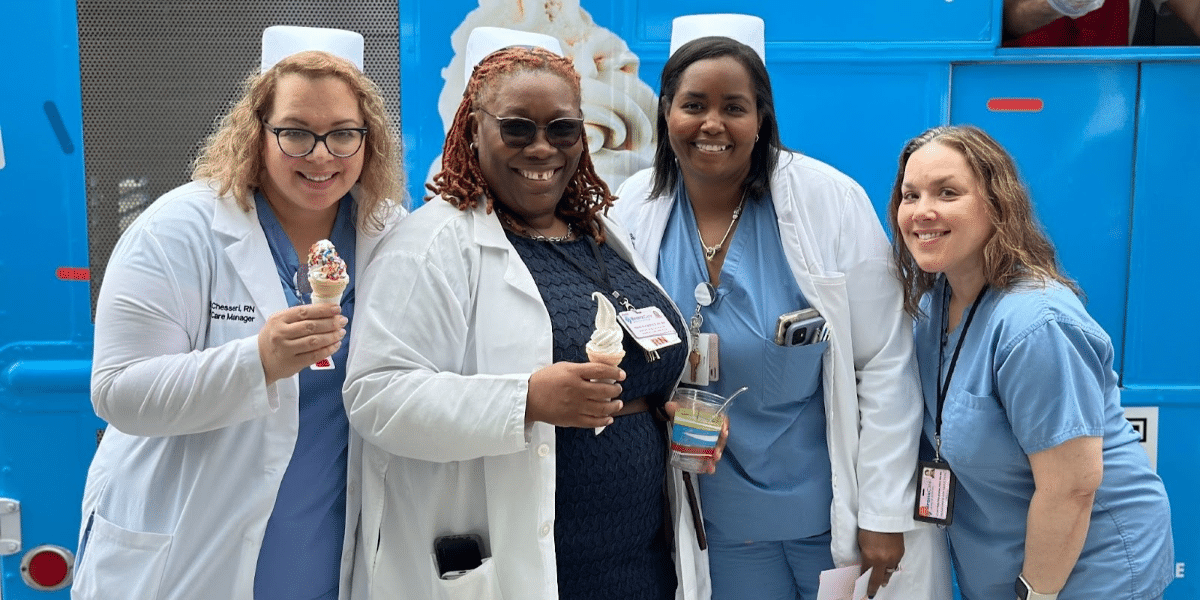
As Nurses Week 2024 unfolds, White Glove Placement stands out by offering heartfelt thanks to nurses and healthcare professionals through its innovative “Scoops of Gratitude” initiative. This gesture is more than just serving free ice cream; it’s a symbol of profound appreciation for the relentless service provided by these heroes, especially in times when their roles have never been more crucial. The ice cream truck will be conveniently located near hospitals in New York City and New Jersey from May 6 to May 9, providing a sweet respite to those who dedicate their lives to caring for others.

This thoughtful celebration by White Glove Placement underscores the company’s long-standing commitment to the healthcare community. Recognizing the physical and emotional rigors of nursing, White Glove Placement has consistently endeavored to provide robust support systems and opportunities for nurses. Their efforts extend beyond mere job placements; they aim to enhance the professional journeys of nurses, celebrating their unique contributions and facilitating their aspirations.

White Glove Placement, a leading provider of staffing solutions for healthcare facilities, is proud to announce its “Scoops of Gratitude” Free Ice Cream Truck to celebrate Nurses Week and show appreciation for the dedication and hard work of nurses everywhere. From May 6 to May 9, 2024, White Glove Placement will offer free ice cream to nurses, nursing students, and all healthcare heroes as a token of gratitude for their tireless efforts in caring for others. Find the truck, get the ice cream! 

Follow them on Instagram @WhiteGloveNursing to see the exact locations posted daily:

  • Monday, May 6th: 10-6 pm,  Exact locations TBD.
  • Tuesday, May 7th: 10-6 pm, Exact locations TBD.
  • Wednesday, May 8th: 10-6 pm, Exact locations TBD.
  • Thursday, May 9th: 10-6 pm, Exact locations TBD.

As the week progresses, nurses are encouraged to keep an eye on White Glove Placement’s Instagram for daily updates on the truck’s exact locations. It’s a perfect opportunity for nurses to take a well-deserved break and enjoy a scoop of ice cream on the house. In conclusion, White Glove Placement’s “Scoops of Gratitude” not only celebrates the indispensable role of nurses but also highlights the company’s ongoing dedication to nurturing and recognizing the healthcare community. For years, White Glove Placement has been on the front lines of honoring healthcare heroes during Nurses Week and this year is no different. The truck is just a small way to show how much these individuals are appreciated by the community.

About White Glove Placement:

Since 1995, White Glove Placement has matched top-tier facilities with passionate nurses eager to make a difference. As one of the largest recruitment agencies in New York, they’ve proudly placed thousands of qualified nurses in diverse healthcare settings. They know each individual brings a unique set of skills, aspirations, and goals to the table, and they’re here to support and celebrate your professional growth.

White Glove Placement understands that nursing is one of the most physically and emotionally demanding professions on the planet. That’s why they’re committed to supporting our nurses every step of the way.

For more information about White Glove Placement and their services, or to find exciting nursing jobs, please visit: www.whiteglovenursing.us

For media inquiries or interview requests, please contact their press representative.

Marketing and PR Lead for the “Scoops of Gratitude” Campaign for White Glove Placement
The Digital Artistry

Press Contact: Roslyn Hart
Email: Roslyn@thedigitalartistry.com
Phone: 212-301-6648

Published by: Martin De Juan