Xi Chen Wins 2022 International Design Award Gold Award

By: Henry Thompson

In 2022, Xi Chen emerged as a shining star in the design industry, achieving remarkable accomplishments internationally. Her work “Procrastinating, Please Wait” won the Gold Award at the International Design Awards (IDA), attracting widespread attention for its aesthetics and creativity. This achievement marks a breakthrough in her career and represents international recognition of her innovative design concepts and profound insights. Xi Chen’s unique perspective and innovative approach showcased her deep understanding and extraordinary talent in design on the global stage. Her success not only highlights the excellence of Chinese designers but also inspires young designers to pursue innovation and excellence.

Xi Chen’s innovative project “Procrastinating, Please Wait” targets the young student demographic aged 20 to 35, focusing on exploring and understanding their psychological and behavioral patterns when facing procrastination. The project aims to delve into the root causes and impacts of procrastination, which is a common challenge for this age group. It seeks to uncover the reasons and ways students procrastinate, gaining a deep understanding of their mindset during this period. By examining these aspects, “Procrastinating, Please Wait” is dedicated to developing strategies and tools that can help students overcome procrastination, thereby improving their productivity and overall well-being. The project stands out for its in-depth analysis and potential to provide practical solutions to a prevalent issue in young people’s academic and personal lives. Xi Chen’s innovative approach has not only garnered widespread attention in the design field but has also brought new perspectives and inspiration to the fields of mental health and education, showcasing the crucial role of design in solving social issues.

Xi Chen Wins 2022 International Design Award Gold Award_3

Photo Courtesy: Xi Chen

Poster Infographic 

The International Design Awards (IDA), founded by the Farmani Group, is an iconic event in the global design community and has become one of the prestigious and influential awards in the design field since 2007. IDA is not only a sister project to the annual Lucie Awards for photography, but its awards in various design disciplines such as architecture, interior, fashion, graphic, and product design have become an important benchmark for assessing global design standards. This award is not only renowned in Europe, America, and Asia, but its influence extends throughout the global design community, regarded as an excellent platform for emerging and professional designers to showcase their talent and expand their international reputation. The 2022 IDA attracted thousands of designers from nearly 80 countries to compete, reflecting its broad appeal and authoritative status in the global design community. The jury, composed of renowned international designers and industry experts, conducted a rigorous and comprehensive evaluation of the entries, ensuring a professional and impartial judging process for the IDA. Winning any award at the IDA signifies international recognition of a work’s aesthetics, innovation, and practicality. Xi Chen’s winning of the Gold Award in this competition is a highly esteemed acknowledgment of her relentless pursuit and continuous innovation in the design field.

Xi Chen Wins 2022 International Design Award Gold Award_2

Photo Courtesy: Xi Chen

In her award-winning work “Procrastinating, Please Wait,” Xi Chen fully demonstrates the immense impact of graphic design in addressing social issues. Through a precise grasp of the characteristics of procrastination, she engages in dialogue and interaction with the audience using vivid and interesting visual symbols, effectively promoting empathy. Xi Chen skillfully utilizes infographic design to present data that is usually considered serious and dull in a captivating, fresh, and empathetic manner, greatly enhancing the effect of visual communication and achieving effective resonance with the audience. Her design is not merely a visual enjoyment but a profound cultural and spiritual influence and advancement. This innovative approach not only elevates the artistic value of the design work but also highlights the important role of graphic design as a discipline in solving social problems. Due to her profound insights into procrastination and innovative expression, this work has received the highly acclaimed honor of international acclaim. This also demonstrates that Xi Chen is a designer with an innovative spirit and a sense of social responsibility.                                                                  

Xi Chen’s outstanding performance in the design industry is exemplary. She not only exhibits exceptional talent in technique and aesthetics but also sets new standards in social responsibility and innovative thinking. Xi Chen’s deep understanding and sensitivity to social issues are reflected in each of her design works, where she skillfully transforms social problems into visual language, triggering widespread resonance and discussion. Her works are not only aesthetically pleasing but also play a crucial role in conveying important social messages. Moreover, Xi Chen’s efforts in design innovation and social contribution have earned her widespread praise from peers and the public. Through her designs, she challenges traditional thinking and encourages people to view problems from new perspectives. Her works are not merely works of art but mediums that inspire reflection and action. Xi Chen’s success story demonstrates that design can not only beautify the world but also promote social progress and cultural understanding. Her design philosophy and works reflect profound insights into contemporary social challenges while showcasing the powerful potential of design as a tool for communication and problem-solving.

Xi Chen’s achievements bring honor to Chinese designers on the global stage and inspire young designers to pursue innovative, responsible design that drives positive societal change. Her works and career demonstrate her foresight, innovation, and social responsibility. With boundless prospects, Xi Chen plans to apply insights from her successful “Procrastinating, Please Wait” project to broader social innovation. Notably, she is developing a time management app for individuals with procrastination, combining design and technology. This initiative showcases her talent as both a designer and social innovator dedicated to improving lives through innovative solutions. Furthermore, her exploration of integrating AI and VR into design indicates her continued leadership in design innovation, influencing not only the design industry but also providing new directions for societal development and technological advancement.

Published by: Martin De Juan

How to Choose the Right Houston Catastrophic Injury Lawyer

Choosing the right lawyer after experiencing a catastrophic injury is a crucial step toward securing justice and compensation. In a vibrant city like Houston, the sheer number of legal professionals can make this decision especially overwhelming. However, focusing on a lawyer’s experience, track record, and expertise in catastrophic injury law can significantly narrow down the options.

When navigating through the options, it’s important to evaluate a lawyer’s commitment to their clients. Those who offer a free consultation may provide a good starting point to understand the merits of the case without financial pressure. Additionally, a Houston lawyer specializing in catastrophic injuries will have the specific knowledge required to handle the intricacies of these life-altering cases.

Checking for a history of securing significant settlements or verdicts, can also be telling of a law firm’s capability to effectively manage your case. You can check out Fibich, Leebron, Copeland & Briggs for more information on this and how important a consistent record may be indicative of the law firm’s ability to navigate the complex landscape of catastrophic injury law and achieve the possible outcome. The key takeaway is to find a lawyer with a strong background in cases similar to yours, ensuring they can advocate fiercely on your behalf.

Understanding Catastrophic Injury Claims

Choosing the right Houston catastrophic injury lawyer hinges on a basic grasp of what makes catastrophic injury claims distinct. This section breaks down the critical elements.

Types of Catastrophic Injuries

Catastrophic injuries are severe and have a profound, long-term effect on the injured person’s life. Examples include:

  • Spinal cord injuries that may result in partial or complete paralysis.
  • Traumatic brain injuries (TBI) which can lead to enduring cognitive challenges.
  • Severe burns that require extensive reconstruction and cause chronic pain.
  • Amputations which lead to the loss of use and function of a limb.

Legal Definitions and Standards

In the legal context, a catastrophic injury is one that permanently prevents an individual from performing any gainful work. A Houston catastrophic injury lawyer will emphasize the injury’s impact on one’s life and livelihood, demanding the legal system to recognize its severity. They must establish that the injury meets the threshold of ‘catastrophic’ to pursue heightened damages.

Significance of Long-Term Impacts

Long-term impacts of catastrophic injuries are twofold:

  • Medical: Continuous medical care, rehabilitation, and potential future surgeries.
  • Financial and Emotional: Loss of income, reduced earning potential, and considerable emotional distress.

Key Takeaway: Understanding the intricate nature of catastrophic injury claims is vital when seeking proper legal representation. Knowledge of what constitutes such injuries, the legal definitions, and the substantial long-term effects aids in choosing a lawyer who can navigate these complexities.

Choosing the Right Lawyer

When faced with the monumental task of finding a Houston catastrophic injury lawyer, key elements such as credentials and experience, past case success, local reputation, and communication skills are essential guides. Making the right choice can significantly impact the outcome of a case.

Credentials and Experience

A lawyer’s credentials are the bedrock of their capability to handle complex catastrophic injury cases. Look for a lawyer who has:

  • Education: A degree from a respected law school.
  • Licensing: Active membership in the State Bar of Texas.

It’s also crucial to confirm they have ample experience in catastrophic injury law, which you can often verify through their professional profile.

Key Takeaway: The right attorney will have a solid educational background and a wealth of experience in catastrophic injury law.

Past Case Success

The proof is in the pudding, as they say. An attorney’s track record with past cases is telling of their ability to handle your own. They should have a history of:

  • Winning substantial settlements or verdicts.
  • Successfully navigating cases similar to yours.

Key Takeaway: Success in previous cases suggests a lawyer’s proficiency in achieving favorable results for injury claims.

Reputation in the Houston Legal Community

A lawyer’s standing among peers and clients reflects on their integrity and performance. Researching their:

  • Awards and recognitions.
  • Reviews from former clients.
  • Endorsements by fellow lawyers.

This insight can be gathered through their firm’s website or third-party legal directories.

Key Takeaway: High esteem in the legal community indicates a lawyer’s credibility and competence.

Lawyer’s Approach to Client Communication

Communication is the lifeline of the attorney-client relationship. The right lawyer should:

  • Be responsive to calls and emails.
  • Offer clear explanations on legal matters.

A personal injury lawyer’s commitment to keeping you informed can be detected early on during initial consultations.

In summary, selecting the right Houston catastrophic injury lawyer is a critical decision that can greatly impact the outcome of your case. By prioritizing factors such as experience, track record, and specialization in catastrophic injury law, individuals can narrow down their options and find a lawyer who is equipped to advocate fiercely on their behalf. Understanding the nuances of catastrophic injury claims, including the types of injuries involved, legal definitions, and long-term impacts, is essential in making an informed decision. Additionally, assessing a lawyer’s credentials, past case success, reputation in the legal community, and communication skills can further guide individuals in choosing the suitable representation. Ultimately, finding a lawyer who combines expertise with a dedication to client communication can provide the chance for securing justice and compensation in the aftermath of a catastrophic injury.


Disclaimer: “The content in this article is provided for general knowledge. It does not constitute legal advice, and readers should seek advice from qualified legal professionals regarding particular cases or situations.”

Published by: Martin De Juan

NYC Pedestrian Safety: Challenges & Solutions

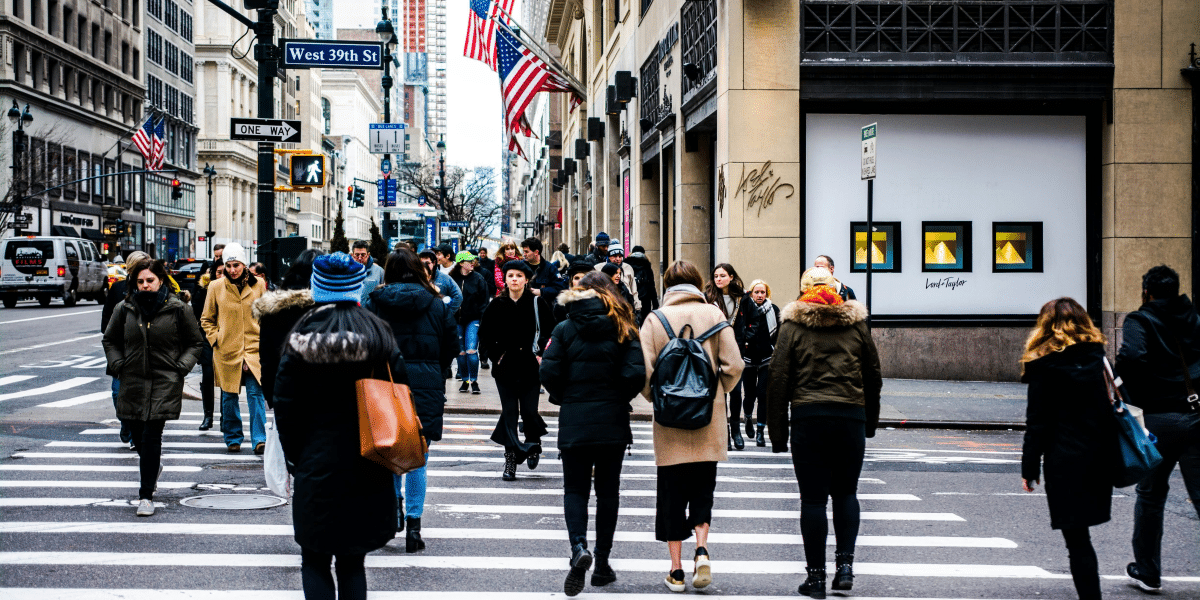
Pedestrian accidents in New York City constitute a significant concern for urban safety and public health. Despite ongoing efforts to improve street safety, including initiatives like Vision Zero, the city continues to face challenges in reducing traffic-related injuries and fatalities involving pedestrians. Traffic accidents in the city paint a complex picture, influenced by a range of factors from road design and vehicle speed to pedestrian behavior and enforcement policies.

In recent years, the number of pedestrian casualties has fluctuated, reflecting the need for sustained and adaptive strategies to protect those on foot. The intricate interplay of dense urban traffic, alongside a high volume of pedestrians, makes New York City an especially critical area of focus for understanding and mitigating the risks of pedestrian accidents. Addressing these incidents requires not only reactive measures, such as enhancing emergency response systems, but also proactive efforts like improving infrastructure and driver awareness.

A review of traffic data reveals that several areas in the city are particularly prone to dangerous incidents. Investigating these hotspots provides valuable insights for city planners, policymakers, and public safety organizations aiming to enhance pedestrian welfare. Multi-agency cooperation is key in crafting an environment where both pedestrians and vehicles can coexist safely, minimizing the risk of harm and ensuring a high quality of life for all New Yorkers.

Overview of Pedestrian Accidents in New York City

In New York City, pedestrian accidents are a significant concern. It has a bustling urban environment where millions navigate the streets daily. These accidents often result in serious injuries or fatalities.

The Department of Transportation’s efforts include in-depth studies to understand the causes of accidents. For instance, the Pedestrian Safety Report and Action Plan reviews over 7,000 crash records to inform safety improvements.

In the bustling streets of New York City, pedestrian safety is a paramount concern. With the constant flow of vehicles and pedestrians, accidents unfortunately occur, leading individuals to seek the expertise of a New York City pedestrian accident lawyer. These legal professionals specialize in navigating the complexities of personal injury cases arising from pedestrian accidents, offering guidance and representation to those affected. 

Interactive tools like the Vision Zero Crash & Interventions Map offer insight into traffic injuries and deaths, showcasing efforts made to enhance street safety. It displays data on crash types, dates, and locations alongside the ongoing Vision Zero initiatives. These include safety improvements such as new road designs and traffic signal adjustments specifically aimed at preventing accidents and injuries.

Despite these initiatives, traffic accidents remain a problem. In 2021, there was an increase in pedestrian deaths making it one of the deadliest years in nearly a decade. However, the city continues to fight against this trend with various measures.

  • Year Before Vision Zero (2013): 299 traffic deaths
  • Performance After Vision Zero Implementation: The traffic deaths dropped by 14.7% compared to 2013.

This data provides a sobering look at pedestrian safety in NYC, but also emphasizes how New York City is proactive in addressing these concerns through data analysis and implementation of safety measures.

Statistical Analysis of Pedestrian Accidents

The statistical review of pedestrian accidents in New York City reveals distinct patterns and risk factors related to frequency, location, victim demographics, and timing of these incidents.

Yearly Trends

New York City has witnessed fluctuations in pedestrian-vehicle crash severities over the years. According to research on the determinants of crash severity, a notable decrease of 54% in pedestrian-vehicle collisions was observed between 1990 and 2006.

High-Risk Locations

Certain areas of the city present higher risks for pedestrians. Studies have enabled the identification of these high-risk locations, leading to an analytical approach to determining where pedestrian accidents are more likely to occur.

Demographics of Victims

The demographic analysis of pedestrian fatalities has identified patterns among victim profiles. For instance, a New York City government brief provides insights into how age, gender, and ethnicity correlate with pedestrian fatalities.

Time of Day and Seasonality

The timing of accidents is critical in analyzing their causes and consequences. One study specifically highlights that different times of day and seasons have varying levels of pedestrian-vehicle crash severities, with some periods posing higher risks than others.

Contributing Factors to Pedestrian Accidents

Understanding the contributing factors to pedestrian accidents in New York City is essential for developing targeted interventions and improving safety. This section examines the role of driver and pedestrian behavior, as well as environmental aspects such as road and weather conditions, along with urban planning and infrastructure.

Driver Behavior

Driver behavior significantly impacts pedestrian safety. Examples of risky behavior include speeding, which reduces a driver’s ability to stop in time for pedestrians, and distracted driving, stemming from mobile device usage or other in-car distractions. In fact, research suggests that the implementation of treatments like pedestrian countdown signals at risky intersections has been effective in reducing pedestrian crash rates.

Pedestrian Behavior

Pedestrian behavior also plays a crucial role in accident risk. Jaywalking and crossing against traffic signals increase the likelihood of an incident. Additionally, pedestrians who are distracted by electronic devices may not be fully aware of their surroundings, further contributing to potential accidents.

Road and Weather Conditions

The condition of the roads and the weather at the time can create hazardous situations for pedestrians. Poor visibility during fog or heavy rain makes it difficult for drivers to spot pedestrians. Likewise, icy or slick road surfaces can lead to loss of vehicle control, increasing the risk of collisions with pedestrians.

Urban Planning and Infrastructure

Urban planning and infrastructure are pivotal in protecting pedestrians. Areas with inadequate street lighting, lack of crosswalks, or insufficient pedestrian signals are associated with higher accident rates. Studies focusing on factors affecting crash severity point towards the need for better infrastructure to decrease crash severity and potentially reduce the number of incidents.

Legal Framework Governing Pedestrian Safety

New York City’s legal framework for pedestrian safety is a comprehensive system designed to protect pedestrians through a combination of traffic laws, rights and responsibilities, and enforcement measures.

Traffic Laws and Regulations

New York City’s Department of Transportation (DOT) focuses on pedestrian safety by examining crash records to inform traffic laws and infrastructure changes. Traffic regulations include speed limits, crosswalk rules, and signals that drivers must obey to ensure pedestrian safety. These laws are updated in response to patterns identified in accident data and to accommodate changes in urban development and technology.

Pedestrian Rights and Responsibilities

Pedestrians in New York City are afforded rights that include the use of sidewalks and marked crosswalks. However, with these rights come responsibilities such as obeying walk signals, staying within crosswalks, and remaining alert while crossing streets. Pedestrian rights are delineated within state laws and local ordinances to foster a safe walking environment.

Enforcement and Penalties

Enforcement of pedestrian safety laws is critical to reducing accidents. Penalties for drivers who fail to yield to pedestrians or violate traffic signals range from fines to more severe consequences such as license suspension. Similarly, pedestrians may face penalties for jaywalking or impeding traffic flow. Law enforcement agencies and the judicial system work together to ensure pedestrian laws are adhered to, and these entities adjust their strategies based on trends in pedestrian safety metrics.

Impact of Pedestrian Accidents

Pedestrian accidents in New York City carry significant economic costs, strain healthcare resources, and deeply affect communities and social dynamics.

Economic Costs

The financial implications of pedestrian accidents are substantial. Settlements for injuries can reach into the millions, such as a $2.25M School Bus Injury Claim for a student in the Bronx, illustrating the high compensation costs associated with severe incidents.

Healthcare Burden

Healthcare systems are heavily burdened by pedestrian accidents, with an estimated 130,000 pedestrians requiring emergency medical services annually in the U.S. due to traffic-related injuries. New York’s hospitals and emergency services are consistently taxed by the critical care needs of these accident victims.

Social and Community Impact

Pedestrian accidents resonate beyond the immediate victims, affecting families and communities. Disruptions to the social fabric can occur with community members often rallying for pedestrian safety improvements following tragic incidents, reflecting a collective call to action for enhanced protective measures.

Prevention and Safety Measures

In addressing pedestrian accidents, New York City has implemented a multifaceted approach to enhance safety. Focused on reducing traffic-related injuries and fatalities, these measures include public campaigns, infrastructure upgrades, and technological advances.

Public Awareness Campaigns

Pedestrian safety in New York City is boosted through targeted public awareness campaigns. These initiatives aim to educate both pedestrians and drivers on safer street usage practices, emboldening them with knowledge to avoid accidents. The NYC Department of Transportation’s report emphasizes the role of data in shaping such educational programs.

Safety Improvements in Infrastructure

Strategic safety improvements in infrastructure have shown to be pivotal in preventing accidents. This encompasses the redesigning of intersections, the extension of pedestrian crossing times, and the construction of pedestrian islands. Each alteration serves to directly address the historically problematic areas identified in the DOT’s action plan.

Technology and Innovation in Traffic Management

Finally, New York City is capitalizing on technology and innovation in traffic management to further protect its pedestrians. Advancements include introducing pedestrian countdown signals and developing smart traffic signals that respond to real-time street conditions, both of which are instrumental in mitigating traffic conflicts and enhancing pedestrian visibility.


Disclaimer: “The content in this article is provided for general knowledge. It does not constitute legal advice, and readers should seek advice from qualified legal professionals regarding particular cases or situations.”

Published by: Martin De Juan