The Marble Doctor: A New Era for Leesburg’s Architectural Heritage

By: John Glover, MBA

Leesburg, Virginia, a town celebrated for its historical landmarks and architectural elegance, is on the brink of an aesthetic revolution. The expansion of The Marble Doctor into this region heralds a new chapter for property enhancement, focusing on restoring and maintaining marble, granite, terrazzo, and other natural stones. This can bring a renewed sense of grandeur and timeless beauty to Leesburg’s properties, enhancing their appeal to residents, visitors, and potential investors.

Leesburg Welcomes Premier Stone Restoration

The Marble Doctor: A New Era for Leesburg's Architectural Heritage

Photo Courtesy: The Marble Doctor

Elevating Aesthetics and Functionality

The Marble Doctor’s strategic move to establish a presence in Leesburg is driven by a vision to elevate the town’s architectural beauty. “By introducing our specialized services to Leesburg, we aim to enhance the aesthetic appeal and functionality of its properties,” said Matt Shipley, the visionary behind The Marble Doctor. The expansion welcomes revitalization for Leesburg’s historic and modern properties, offering them a pathway to regain their original luster while ensuring long-term preservation.

A Legacy of Excellence

With over three decades of experience, The Marble Doctor has built a reputation for excellence in stone restoration. “Our history of working with diverse properties across different regions has equipped us with the unique skills and knowledge necessary for addressing the specific needs of Leesburg’s architectural landscape,” Shipley noted.

Impact on Real Estate and Local Businesses

Boosting Property Values

The presence of The Marble Doctor in Leesburg is expected to positively influence the local real estate market. Shipley explained, “Natural stone features are a significant investment in any property. Our expertise in restoring these features enhances their beauty and significantly increases property values.” This aspect is particularly appealing to homeowners and real estate investors looking to maximize their returns on investment.

Revitalizing Commercial Spaces

The arrival of The Marble Doctor offers business owners a chance to revitalize their commercial spaces. “A well-maintained natural stone feature in a business setting can leave a lasting impression on customers and clients,” Shipley said. He further explained, “This can be especially beneficial for businesses in the hospitality sector, where a luxurious ambiance is crucial for guest satisfaction, and the retail sector, where visual appeal plays a significant role in attracting and retaining customers.”

Tailored Services for Unique Needs

Understanding Client Visions

The Marble Doctor’s approach to each project is deeply personalized. “We recognize that every client has a distinct vision for their property. Our mission is to transform that vision into a tangible reality,” Shipley emphasized. This client-centric approach ensures that the services provided are solutions and collaborative efforts that reflect each property’s unique character and requirements.

A Wide Spectrum of Services

The Marble Doctor offers a broad range of services, including restoring historic edifices, polishing and sealing natural stone surfaces, and enhancing the elegance of commercial lobbies and private residences. “No project is too big or too small for us. We bring the same level of commitment and excellence to every job,” Shipley stated, highlighting the company’s versatility and dedication to meeting the diverse needs of the Leesburg community.

A Commitment to Sustainability

Eco-Friendly Practices

Sustainability is at the core of The Marble Doctor’s operations. “We are unwavering in our commitment to employing eco-friendly materials and practices that minimize our environmental footprint while ensuring the durability and longevity of the stone surfaces,” Shipley explained. This commitment benefits the environment and aligns with the growing consumer demand for sustainable service providers.

Advanced Techniques for Better Results

The Marble Doctor can offer efficient and effective restoration services using cutting-edge technology such as diamond abrasives and innovative methodologies like the wet polishing process. “Our advanced techniques not only deliver superior results but also ensure that we are preserving the natural beauty of stone surfaces for future generations,” Shipley added.

Looking Ahead: The Future of Stone Restoration in Leesburg

The Marble Doctor: A New Era for Leesburg's Architectural Heritage

Photo Courtesy: The Marble Doctor

As The Marble Doctor embarks on this exciting venture in Leesburg, the area’s stone restoration and maintenance prospects have never been brighter. With a blend of expert craftsmanship, personalized services, and a steadfast commitment to sustainability, The Marble Doctor is not only poised to significantly impact the preservation and enhancement of Leesburg’s cherished properties but also contribute to the local economy by creating job opportunities and attracting more real estate investments.

Leesburg’s residents and property owners are encouraged to visit The Marble Doctor’s website for more information or to schedule a consultation.


Published By: Aize Perez

In-Demand Skills for 2024: Insights from Diverse Experts

By: Chiara Accardi

Stepping into 2024, the job market becomes more dynamic, with some skills earning the upper hand over others. To give you an in-depth knowledge of what skills will be required this year, various specialists from different professions have shared tips. Based on the actual data and the prognoses, these relevant skills will be looked into by using the experience of diversified experts as an example.

Digital transformation continues to impact business in myriad ways through data-driven decision-making, process simplification, and product innovation. It covers almost every facet of the labor market and brings up a new challenge for businesses in their need to fulfill more specialized and always-changing skills demands. Immediate changes in technology could lead to disadvantages for freelancers and workers. Being aware that a taught skill has a five-year half-life, they have a tendency to learn and develop new skills as well as to update their CVs and add the right skills they can to stay relevant.

This article is going to discuss some important skills that are in demand for 2024.

Generative AI

Mark Fong, the founder of Gonenglighting, points out the increasing role of machine learning (ML) skills in 2024 this year. With the aim of automation and efficiency maximization, ML engineers are also essential in the training of programs that learn from data. Some of the learned tasks are proficiency in data science, knowledge of programming languages like Python/C++ and applied math and algorithms.

“It’s been said that the emergence of generative AIs like ChatGPT represents an “iPhone moment” for AI. It can be used by almost anyone to build, automate, and save time in both their daily and work lives almost instantly. But in order to recognize opportunities, create effective solutions, handle change, and deal with ethical issues, certain traits and skills are required. Throughout 2024, these will be some of the valuable and sought-after skills.”

Automation

Johnathan Smith Head of Marketing at AI Automation brings the automation talents in the picture to emphasize on how automation skills can help the business to run processes smoothly and reduce cost. Automation experts build stencils that manage the minimum input by man, thus producing high productivity. Smith asserts that this expertise and the ability to code languages, for example, Python, becomes an indispensable skill to have.

“Admiring automation system experts in the context of successful businesses as helpers who easily achieve outcomes with the least dependence on human involvement,” Smith points out. “Professionals who are good at automation are earning on average between $40 and $150 per hour”.

Data Analytics

PRO TIP: “Data analysts are instrumental in distilling the given data to firm business success. The rates of the job position, according to Data Nut, are in the range of $40 to $100 per hour, which suits industry demands from the professionals with strong data analytics skills,” shares Dr. Emily Chen, data analyst at Datapine.

Dr. Emily Chen emphasizes the value of analytics in making the patterns reducible for informed decisions. By exercising statistical analysis, data analysts provide solutions to problems and help business strategies thrive. Dr. Chen emphasizes the importance of talent in SQL, data visualization, and statistical programming.

Mobile Application Development

In 2024, Alex Johnson acknowledges the enduring appeal of “apps” and remembers how many job options there were for experienced developers in the past. A solid foundation in computer science and common sense are prerequisites for mobile application developers, who design and maintain all programs for smartphones, tablets, and processors.

“According to Johnson, ‘business specialists experienced in building mobile apps to fulfill the need for B2B and B2C applications,'” he states. “After considering the experience and credentials for a role, fees for developing mobile apps often fall between $40 and $100 per hour. Developers are in high demand right now.”

Virtual Reality

Some specialists stress how VR developers play a part in enhanced custom made environments across different industries. VR specialists are skilled in coding, possess knowledge in XR and also 3D modeling which is used in games, education and training.

Virtual reality developers are key players in the journey of creating immersive creative environments. Professionals skilled in VR development with an average charge per hour from $40 to $100 are hard to find.

PRO TIP: “In 2024, the workforce will prize skills that put humanity at the forefront. Professionals will excel in “Empathetic Tech Integration,” ensuring technology serves with compassion. “Craftsmanship Renaissance” will celebrate artisans who infuse the digital world with handmade beauty, from bespoke furniture to sustainable fashion. “Cultural Bridge Building” becomes vital, fostering connections and understanding across borders. These skills redefine success, emphasizing empathy, craftsmanship, and connection in a digitized world,” says Alyssa Huff, real estate and financial expert at sellhouse-asis.

Video Production

David Wong highlights the slow but turning priority of videos in the visual culture. Producers of videos take charge and supervise the media production process by using their capabilities in the area of creative direction, scriptwriting and team communication.

Wong, in his note, states that there is a high demand for video professionals with the production skills that they must have. “In the video, the cost varies by the hour, usually from $40 to $85, evidence of their share in the content making.”

Search Engine Optimization (SEO)

The efficiency of SEO as a marketing approach, as well as the urgency of specialists in the optimization of a site’s web visit. SEO specialists can leg up with their analytical skills and knowledge of Google tools used to better the search engine ranking of pages.

“SEO experts cannot be underestimated for boosting websites’ visibility and bringing in the desired organic traffic. According to reports, one hour work rates of an SEO specialist ranges from $20 to $75. This is really a reason why the digital industry needs exceptional SEO professionals.”

PRO TIP: “In the dynamic world of real estate, being adaptable and tech-savvy are the golden tickets to success in 2024. Being able to roll with the punches in a market that’s constantly shifting due to economic factors, regulations, and consumer trends is crucial. Whether it’s tweaking marketing approaches, embracing new tech innovations, or staying on top of legal requirements, the ability to adapt is what sets exceptional professionals apart. And speaking of tech, it’s no longer just a nice-to-have—it’s a must. The real estate landscape has gone digital, with everything from virtual tours to sophisticated data analysis tools reshaping how we do business,” says Liz Hutz, owner of Cash Home Buyers Georgia.

Conclusion

Now, in 2024, while there is a shifting demand for particular skills, the landscape of work is under constant change. Also, from machine learning and automation to data analytics and video production, professionals with various skills constitute the yardstick for innovation and success in different industries. Through learning those in-demand skills, people can make their job market prospects brighter and grab the opportunities no matter how the current one is.

Published by: Martin De Juan

Revitalizing Malls, Maximizing Returns: The Win-Win of Adding Residential Density

By: John Glover (MBA)

Developers are increasingly turning to a new strategy to revitalize struggling commercial malls: incorporating residential units into these commercial spaces. This innovative approach not only breathes new life into aging properties but can also offer a host of benefits for both businesses and residents alike.

The Advantages of Combing Residential and Commercial Properties

One key advantage of adding residential units to commercial malls is the potential for increased foot traffic and customer base. As residents move in, they become a built-in audience for the shops and services within the mall. This steady stream of potential customers can provide a much-needed boost to businesses operating within the mall, helping to drive sales and sustain growth.

Walkable communities benefit residents and businesses; alleviating the need for a car is a net positive. Imagine a world where almost everything you need is just a short walk from your front door—this is the reality across much of the world. Changing how people approach building communities in New Jersey starts by centering people in the planning process. 

According to developer and General Partner Steven Mann at Propertize Ventures, this idea—known in the architecture space as adaptive reuse—is a favorite among urban planners. “Putting people next to employment centers, commercial amenities, parks and most notably transportation hubs is a hallmark for sound planning principles, especially for the people-centered communities of tomorrow,” Mann says. 

Moreover, integrating residential units introduces a diversification of revenue streams for property owners. With rental income from residential units supplementing traditional retail earnings, malls become less reliant on fluctuating consumer trends and economic conditions. This financial stability can be crucial for long-term viability and success.

Residents also benefit from the enhanced shopping experience offered by living within a commercial mall complex. With retail outlets, dining options, and entertainment venues just steps away, residents enjoy unparalleled convenience and access to amenities. This seamless integration of living and leisure creates vibrant environments that unite people and serve as social anchors for new urban communities.

After years of construction, the American Dream Mall opened its doors in East Rutherford, bringing a mega shopping center to NJ residents. Despite the ample space and opportunity for residential units, the American Dream forwent the option to build a living community on its premises. Over four years later, the mall has yet to turn a profit. In 2022 alone, American Dream Mall posted a net loss of $245 million, according to publicly available EMMA disclosures. This is just one example of the many failing malls that have turned a blind eye to the residential angle—posting negative results. 

According to Mann, residential units could help places like American Dream Mall. Large-scale commercial and office development projects come with a large price tag, and with the changes in the markets, these investments are proving to be less and less viable for developers and banks. The economic uncertainties and current forecasts make financing—or, in many cases, refinancing—these buildouts nearly impossible. Incorporating a residential component gives these existing landscapes and investors a way to reinvent their investments and restructure their financial obligations. 

Maximizing Existing Infrastructure

Adding residential units efficiently uses existing infrastructure and amenities within the mall. Rather than constructing new developments from scratch, developers can leverage existing infrastructure, reducing costs and environmental impact. This repurposing of space fosters the creation of mixed-use developments that cater to diverse needs and preferences.

From an investment perspective, including residential units can significantly increase the property value and attractiveness to investors. The synergy between residential and commercial components creates a multifaceted asset with greater revenue-generating potential. This, in turn, makes the property more appealing to potential buyers and stakeholders, driving up its market value.

Additionally, residential development generates significant property tax revenue, which in turn funds critical infrastructure. According to Mann, as property tax collections from the office sector rapidly decline, municipalities can offset this by adding density to sustain or expand the tax base.

This strategy benefits the state and its residents in more ways than one. According to Alex Dougherty, principal at Dougherty Planning & Development, “Revitalizing retail centers such as malls and even corporate office campuses with elements of residential housing takes full advantage of existing infrastructure as these sites typically have large scale surface or empty parking structures. Sewage, water and vital utilities are already in place, which reduces environmental concerns for communities across the state. The greenest buildings are the ones that don’t head to the landfill.”

Building Better Communities

Beyond financial considerations, integrating residential units fosters community building and social interaction within the mall complex. Residents form bonds with their neighbors and engage in shared activities, creating a sense of belonging and camaraderie. This social cohesion contributes to a vibrant and inclusive community extending beyond the confines of individual living spaces.

For Dougherty, adaptive reuse is a no-brainer: “Planning at the pedestrian level allows us to alleviate the need and historic demand the vehicle has played in our day-to-day lives. Walkability and convenience in today’s world doesn’t necessarily mean it has to come by way of a premium new development project but rather by identifying opportunities in existing architecture and understanding the complex correlations that various land use and zoning schematics play in the successful design and makeup in our communities,” Dougherty says. “We can look at the marketplace and capitalize on its financial shifts, lessening the cost of such developments in the process.” 

However, navigating the complexities of zoning and regulatory requirements is essential when implementing mixed-use developments. Developers must ensure compliance with local ordinances and regulations governing land use and residential construction. Working closely with municipal authorities and stakeholders can mitigate potential obstacles and streamline the development process.

The addition of residential units to commercial malls offers a myriad of benefits for the stakeholders involved. From increased foot traffic and revenue diversification to enhanced shopping experiences and community building, the integration of residential living transforms malls into vibrant hubs of activity and vitality. As developers continue to embrace this innovative approach, the future of mixed-use developments appears promising, heralding a new era of urban living and commerce.

Published by: Martin De Juan

Advantages and Disadvantages of AI

Artificial Intelligence, a marvel of modern technology, intertwines algorithms and machine learning to mimic human cognition. It has transformed industries, from healthcare to transportation, by introducing efficiencies and innovations previously unimaginable. As AI continues to evolve, it brings with it a mix of significant advantages and notable challenges.

Advantages of Artificial Intelligence

Efficiency and Automation: AI excels in automating repetitive tasks, boosting productivity and accuracy across various sectors. This shift not only speeds up operations but also frees human workers to engage in more creative and strategic tasks, thereby enhancing overall performance.

Data Analysis and Decision-Making: With its ability to sift through vast datasets, AI provides businesses with critical insights for informed decision-making. This analytical power helps in identifying trends and making predictive analyses that human effort alone might miss.

Predictive Capabilities: AI’s predictive prowess allows businesses to anticipate market changes and consumer behavior, enabling proactive adjustments. This forward-looking approach aids in optimizing resources and mitigating risks.

Innovation and Creativity: AI merges with human creativity to push the boundaries of art, music, literature, and more, fostering a new era of innovation where machines and creativity merge.

Improved User Experience: AI-driven personalization and intuitive interfaces enhance user interactions, offering tailored services and recommendations that elevate customer satisfaction.

Disadvantages of Artificial Intelligence

Job Displacement and Unemployment: The automation brought about by AI poses a threat to jobs focused on repetitive tasks, leading to concerns over unemployment and the need for workforce retraining.

Data Privacy and Security Concerns: AI’s reliance on vast data collections raises alarms over privacy and security. Ensuring the ethical use of data and protecting against breaches are paramount in the age of AI.

Bias and Lack of Transparency: AI systems can inherit biases from their training data, leading to unfair decision-making. The opaque nature of some AI algorithms further complicates ethical considerations and demands more transparent practices.

Dependence and Overreliance on AI: Excessive reliance on AI may undermine human judgment. Balancing AI’s contributions with human oversight is crucial to maintaining the integrity of decision-making processes.

High Implementation Costs: The initial setup and maintenance of AI systems require substantial investment, posing challenges, especially for smaller entities.

Real-World Implications

In healthcare, AI’s diagnostic tools, like IBM Watson, demonstrate its potential to impact medical assessments. Meanwhile, companies like Amazon and Netflix utilize AI for personalized customer experiences. However, the negative impacts are equally notable, with instances like Amazon’s biased recruitment algorithm highlighting the ethical dilemmas AI can introduce.

Looking Ahead: The Future of AI

The advancement of AI promises even greater innovations, particularly in healthcare and autonomous technologies. However, the key to harnessing AI’s full potential while mitigating its risks lies in achieving a balanced approach. Addressing ethical concerns, ensuring transparency, and maintaining human oversight will be pivotal in navigating the future landscape of AI.

AI’s impact on society and business is profound, driving innovation while also prompting critical discussions on its ethical and societal implications. Moving forward, it’s essential to foster a balanced perspective that leverages AI’s benefits while addressing its challenges, ensuring a future where AI augments human capabilities responsibly.

Delve into the Advantages and Disadvantages of AI, where a concise article provides a balanced perspective on AI’s impact across different sectors. Ideal for a quick, thorough insight.

Published by: Nelly Chavez

The Importance of Regulatory Compliance for Autonomous Mobile Robots (AMRs)

Increasingly, facilities are seeing autonomous mobile robots (AMRs) support tasks like sample transportation, supply delivery, and hazardous waste disposal. AMR robots’ ability to navigate independently relieves skilled professionals from mundane tasks and improves workflow efficiency, but only if they can meet exacting standards. The sensitive nature of Life Sciences and Healthcare facilities requires stringent regulatory compliance to ensure safety, reliability, and data integrity at all times.

A mobile robot often shares spaces with researchers, patients, and staff in labs, hospitals, and other healthcare settings. Compliance mandates that these autonomous robots interact safely with humans, using reliable sensors and software algorithms to avoid collisions and potential harm. Standards like ISO 36006:2020 and ANSI/RIA R15.08 provide specific guidelines for manufacturers to engineer safety features, making AMRs safe partners in dynamic environments.

Beyond safety, reliability is a cornerstone of compliance in regulated industries. Mobile robotics must perform consistently and predictably, especially when handling sensitive or critical materials. This means consistent performance in AMR navigation, task execution, and data logging. This level of reliability reduces human error, minimizes downtime, and ensures operational efficiency within demanding research and healthcare environments.

Why Compliance is Essential in Navigation Robotics

Safety: Mitigating Risks within Robot Navigation Methods

Standards like the ISO 36006:2020 and the ANSI/RIA R15.08 help mitigate the risks of unexpected AMR and human/obstacle encounters. 

  • Risk Assessment: Compliance standards mandate a thorough risk assessment process, identifying potential hazards in the autonomous robot’s operating environment.
  • Collision Avoidance: Autonomous mobile robots must have reliable sensor systems (LiDAR and ToF sensors and additional cameras and sensors) to detect and avoid obstacles and prevent accidents.
  • Speed Control: Speed limitations, especially in shared human-robot workspaces, are essential to minimize the impact of potential collisions. AMR robots must be equipped to regulate their speed dynamically based on traffic and potential hazards.
  • Emergency Stop (E-stop) Functionality: Easily accessible e-stops are mandated for quick intervention in case of unexpected events. Navigation-based mobile robots must be prepared to mitigate disruption risk along their calculated paths.
  • Human-Robot Interaction (HRI): Standards address safe collaboration zones between humans and mobile robots, including visual indicators, audible alerts, and clear communication of the robot’s intended path.

Reliability: Consistency of the Robot Navigation System

Another critical aspect of regulatory compliance is the ability of an AMR to perform tasks consistently and accurately without the natural variability of a human worker. Any deviation in any robot type’s behavior can lead to costly consequences, such as contaminated samples, the delivery of incorrect materials, or even delays in time-critical patient treatments.

  • Process Validation: AMRs performing tasks within regulated industries must demonstrate reliable and repeatable behavior to be considered compliant and ensure consistent quality and safety.
  • Predictability: Consistent performance allows for accurate planning and scheduling in production environments. Operators can rely on the AMR to complete tasks within defined timeframes.
  • Error and Downtime Minimization: Repeatable behavior reduces the risk of errors occurring during operation, ensuring the integrity of products and processes. It also minimizes downtime associated with malfunctions or errors.

Data Integrity: Accuracy and Traceability in All Robot Types

Data generated by autonomous robots has direct implications for research outcomes, patient care, or regulatory audits. A compliant mobile robot will have robust data logging mechanisms with timestamping, user tracking, and protection against unauthorized modification. 

  • Accurate Data Logging: Compliance with regulations like CFR 21 Part 11 ensures that AMRs have robust data logging mechanisms with timestamping for accurate record-keeping, traceability, and audit preparedness. 
  • User Tracking: Traceability is maintained through user tracking functionalities within the AMR system.
  • Data Protection: Protection against unauthorized data modification safeguards the integrity of information collected by the AMR.

Navigating the Navigation Robots Regulatory Landscape

With each new robotic advancement, standards and regulations are being updated and refined to keep ahead of potential risks. This is especially critical given the rapid pace of recent evolution in AMR robot types. AMR manufacturers and users must ensure their robots comply with evolving regulations and relevant standards. This fosters a safe and reliable operating environment and opens doors for AMRs to be integrated into previously restricted sectors.

  • ISO 36006:2020: Safety requirements for collaborative industrial robot systems. While focused on collaborative robots, sections of this standard offer insight into safety measures for AMRs working in proximity to humans.
  • ISO 3691-4:2020: While this standard focuses on larger industrial trucks and their systems, some general safety principles may still apply to smaller, mobile lab-oriented AMRs. It’s essential to consult with regulatory experts to determine the level of applicability of this standard to specific AMR implementations.
  • ANSI/RIA R15.08 – Part 1–2020: A more recent standard explicitly addressing the safety of mobile robots like AMRs.

Sector-Specific Regulations for Mobile Robotics

  • FDA Regulations: The Food and Drug Administration (FDA) regulates medical devices. Navigation robots used in healthcare may need to comply with FDA design, validation, and documentation guidelines.
  • GxP Guidelines: Good laboratory practice (GLP), good clinical practice (GCP), and good manufacturing practice (GMP) guidelines ensure quality and integrity in their respective domains. AMRs operating in these environments must facilitate compliance with GxP requirements, particularly data handling, audit trails, and workflow validation.

Case Study – Quasi Robotics’ Approach to Compliance

Quasi Robotics brings reliable and regulation-compliant AMR robot automation to everyday laboratory processes. Both Model R2 and Model C2 robots incorporate features that align with the latest requirements, while CFR 21 Part 11-compliant software ensures comprehensive audit readiness.

Model C2 and Model R2: Enabling Compliant Research Workflows

Models C2 and R2 are tailored solutions for clinical and regulated research environments. Here’s how incorporated features meet the challenges of compliance while streamlining operations:

  • Precise Navigation and Repeatable Workflows: An advanced sensor array coupled with a robot navigation optical flow system enables reliable movement that minimizes potential disruptions to experiments or care processes
  • Integrated Safety Systems: LiDAR and ToF-based obstacle detection and emergency stop functionality adhere to standards and reduce operational risk in shared lab and facility workspaces.
  • Traceable and Detailed Data Logging: Timestamped logging of operational data and user actions facilitates GxP compliance for auditability and research integrity.
  • Customizable Grippers for Delicate Handling: For Model R2, customizable end grippers with specialized sensors offer precise and delicate manipulation of sensitive materials like biological samples and fragile medical equipment. 

CFR 21 Part 11 Compliant Software  

Quasi’s commitment to regulatory cooperation extends to the software controlling the AMR. Full CFR 21 Part 11 compliance means the system provides comprehensive audit trails, meticulously documenting every interaction and modification. This robust data logging is essential for research reproducibility, regulatory audits, and demonstrating a thorough quality system in healthcare settings. It provides the necessary traceability supporting GxP guidelines.

Key Takeaway

By carefully considering navigation control strategies, safety protocols, and robust data handling, AMRs transition from innovative tools to trusted partners in laboratories, hospitals, and research facilities

Compliance navigation robots can significantly reduce errors, streamline workflows, and improve overall research or patient care outcomes by carefully attending to safety, reliability, and data integrity. Quasi Robotics is committed to enabling this transformation by designing AMR solutions with compliance at their core. Through features like sophisticated mobile robot navigation, customizable sensor-based end effectors, and meticulous data logging, Quasi robots address the stringent demands of regulated environments.

As AMR technology evolves, so will compliance standards and regulations. The future of AMRs in these sensitive industries lies in a future-proof approach grounded in upholding compliance. This will unlock the potential for AMRs to automate tasks and generate reliable data that can drive new scientific discoveries and advances in healthcare. This allows the widespread adoption of AMR robots that seamlessly integrate into heavily regulated environments.


Published By: Aize Perez

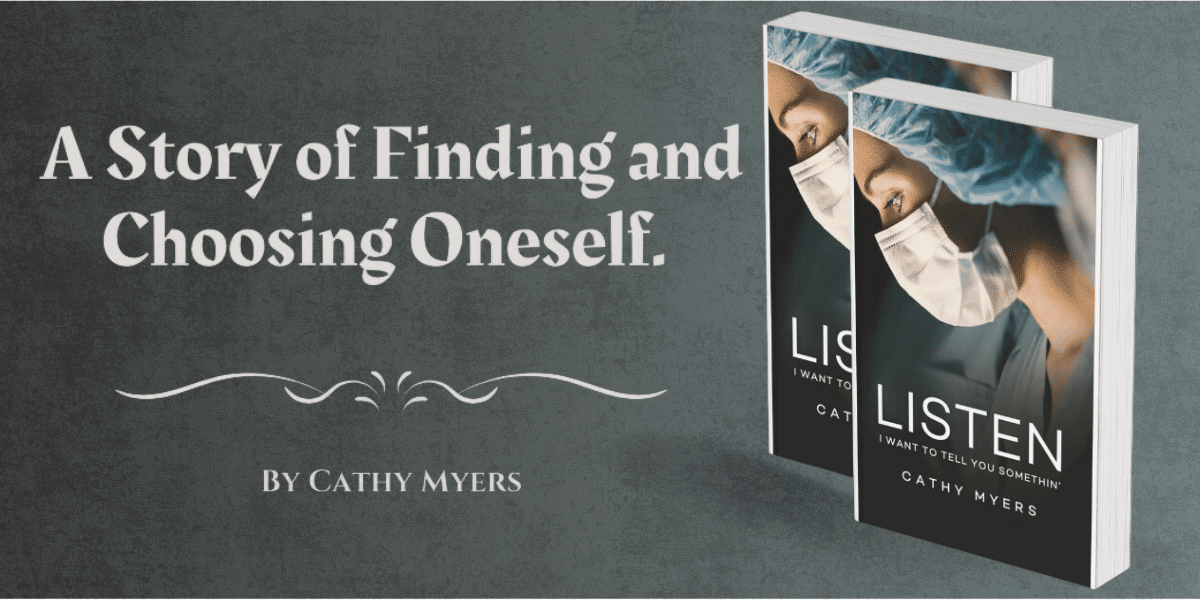
Cathy Myers Announces Her Latest Book, “Listen. I Want to Tell You Somethin’,” to Embrace Change and Thrive

Cathy Myers desires to share some hard-earned life lesson knowledge with you all to help you adjust and follow the transition of your new life in her latest guidebook, “Listen. I Want to Tell You Somethin’.” If you’re starting a new chapter of your life, mainly related to your career, such as maybe you are a new nurse, a new graduate from any field, or even a high school graduate, it is the bottom line of this thought-provoking book that you will have to change and adjust to every aspect of your life. Cathy shares her regards with everyone who is growing in a new direction in their life.

With her recent release, “Listen. I Want to Tell You Somethin’, she invites readers to embark on a transformative journey – the journey of change and adjustments. Sometimes, it becomes difficult to change based on the circumstances, but this is the only way people can thrive towards their aspirations. The sole purpose of this read by the author is to empower individuals who are explicitly navigating through their life’s transition phase. By offering valuable insights and practical wisdom, Cathy hopes that you can enjoy emotional fulfillment towards accomplishing the difficult goals of your life. 

Listen. I Want to Tell You Somethin'” is a positive outlook that inspires readers to be thankful for the opportunities available to grow and prosper. For anyone embarking on personal and professional development, the book enlightens this route with a heartfelt narrative that no one wants to miss, mainly in the transitioning phase. Maybe you will find this book helpful when you’re switching careers or during your progression toward achieving your long-term goals. 

This short book by Cathy Myers gives you words of wisdom; nevertheless, it is also notable that your journey is a series of different encounters for which it is essential to pick up what majorly influences you. Through relatable anecdotes, Cathy’s narration in this read helps readers keep themselves aligned and headed in the right and positive direction despite several obstacles and challenges. The author advises you to make notes at every stage in life about your distinctive encounters. 

Myer’s book, “Listen. I Want to Tell You Somethin’,” shares invaluable insights on setting goals. Many times, your parents are the ones who share pearls of wisdom with you on several matters in life, but unfortunately, you are not ready to hear them at that time or to absorb their actual essence. This book is a wonderful narrative that shares the importance of those pearls of wisdom that you hear from your parents or whoever raises you; otherwise, we face multiple challenges during our transition from one chapter to another in life. 

Inviting the nurses and other individuals in different career directions, Cathy Myers understands the pressure you face when you head to any role in your life, either professional or personal. You’ll get multiple inspirations from this motivating book related to your adjustments to time responsibilities, friendships, financial responsibilities, transportation needs, and exposure to life experiences. “Listen. I Want to Tell You Somethin'” is not just a book but a guide for the ones who are seeking encouragement in their new stages of life. With uplifting messages and affirmations, this captivating read offers great insights while making you aware of the challenges and encourages you to chase your dreams while maintaining a positive mindset. 

In “Listen. I Want to Tell You Somethin’,” Myers recognizes the fact that every interaction in your life means a lot, as it has many lessons that need to be unfolded by spreading kindness and encouragement to others. 

About the Author

Cathy Myers has been in the profession of Nursing for more than 37 years. At the age of 62, Myers has also been serving actively in the hospital setting with her full commitment and responsible behavior. Despite her vast experience as a registered nurse, she possesses command over a number of roles within the hospital setting. This shows her level of devotion to her field, to which she says that nursing is seen as a noble profession that is rewarding emotionally, financially, and mentally. In her short book, “Listen. I Want to Tell You Somethin’,” she encourages several individuals who are seeking to pursue nursing as their professional career; nonetheless, Cathy has also trained many nurses and countless fresh graduates in the field. However, Myers is not a professional writer, and she doesn’t want to burden anyone with a long book based on theoretical insights. For this, her book, “Listen. I Want to Tell You Somethin’,” portrays practical lessons with equally considerable lessons on how to adjust to your surroundings.  

Get inspired by the meaningful perceptions of Cathy Myers in her book, “Listen. I Want to Tell You Somethin’, with her wealth of experience and knowledge as an accomplished nurse. 

Published by: Nelly Chavez

Reimagining Public Relations Strategies for Maximum Digital Impact: A Look at As Seen In PR’s Unique Approach

In today’s fast-paced digital age, where information is incessantly bombarded from every conceivable angle, standing out amidst the cacophony has become increasingly challenging for businesses. The relentless pursuit of visibility and credibility has led companies to recognize the indispensable value of high-quality public relations (PR) services. Among the vanguards leading this charge, As Seen In PR distinguishes itself through a unique blend of narrative craftsmanship and strategic innovation designed to catapult business owners and industry professionals into the limelight.

Central to As Seen In PR’s philosophy is the art of narrative craftsmanship—a meticulous process of constructing compelling brand stories that not only resonate with target audiences but also stand out in a saturated market. This approach is not just about stringing together attractive words; it’s about weaving a cohesive narrative that encapsulates the essence of a brand, its mission, values, and aspirations. Such narratives serve as the cornerstone for establishing an emotional connection with consumers, fostering loyalty, and enhancing brand perception.

The landscape of media consumption has evolved dramatically over recent years, necessitating a multifaceted approach to public relations. Recognizing this shift, As Seen In PR employs a comprehensive suite of services that marries traditional media outreach with cutting-edge digital marketing strategies and influencer partnerships. This holistic approach ensures that every campaign achieves maximum visibility across all relevant platforms—be it print, broadcast, or online media.

What sets As Seen In PR apart in this competitive landscape is its unwavering commitment to personalized attention for each client. The company acknowledges that each industry presents its unique set of challenges and opportunities; thus, their strategy is never one-size-fits-all. Whether it’s launching a new product line, navigating through a crisis situation, or building long-term brand awareness, As Seen In PR approaches each project with creativity and an eye for detail. Their proactive stance ensures that clients are always one step ahead in their communication strategy.

The efficacy of As Seen In PR’s methods is evidenced by their diverse portfolio of successful collaborations spanning various sectors such as technology, fashion lifestyle, and entertainment. Their ability to adapt and excel regardless of industry constraints underscores their versatile expertise and deep understanding of different market dynamics.

Reimagining Public Relations Strategies for Maximum Digital Impact A Look at As Seen In PR's Unique Approach (2)

Photo Courtesy: As Seen In PR

In an era where digital platforms play a crucial role in shaping consumer behavior and preferences, As Seen In PR leverages the latest technologies to keep its clients at the forefront. A strong emphasis on social media campaigns enables direct engagement with consumers—creating conversations around brands that drive organic interest and interaction. Additionally, analytics-driven strategies allow for the continuous optimization of messaging based on real-time feedback and measurable results.

Beyond securing media placements and enhancing brand reputation online also drives tangible business outcomes—a testament to their slogan, “Let’s Go National!” This rallying cry encapsulates their ambition not just to achieve widespread recognition for their clients but also to forge meaningful connections between brands and audiences nationwide.

As Seen In PR’s dedication to excellence doesn’t go unnoticed by its clientele, who depend on affordable yet impactful public relations services for increased exposure and business growth credibility within their respective industries, keeping up with evolving media trends while maintaining integrity core values that position them as leaders in the field, ready to transform how brands communicate and connect in the ever-changing digital world. Follow their journey and impact by visiting their Facebook page @asseeninpr and Instagram page @asseeninpr, and explore the range of services offered on their website.  

In conclusion, the significance of investing in high-quality public relations cannot be overstated in today’s competitive environment. Having a partner like As Seen In PR provides businesses with the essential edge needed to thrive in the marketplace. By crafting authentic and engaging narratives and employing innovative strategies tailored to specific needs, As Seen In PR ensures that the message reaches the right people at the right time. With a proven track record of success and unmatched dedication to client satisfaction, there is no doubt that As Seen In PR is poised to continue transforming the landscape of effective communication for the foreseeable future.


Published by: Khy Talara

How Workiz Field Service Management Software Skyrockets Your Profit

In the fast-paced world of field service businesses, efficiency is extremely important. From managing technicians’ schedules to streamlining invoices and keeping clients happy, there’s a constant juggle to maximize profits.

This is where Workiz field service management software comes in, offering a comprehensive solution designed to skyrocket your bottom line. Let’s look at the challenges this tool helps you deal with and how it leads to multiplied revenue.

Boosting Efficiency And Reducing Costs

Workiz tackles the time-consuming tasks that eat away at profits. Here’s how it streamlines your operations:

Effortless Scheduling And Dispatching: Manually assigning jobs and technicians is a recipe for chaos. Workiz automates scheduling, considering technician skills, location, and availability. This ensures the right person is assigned to the right job, optimizing routes and minimizing travel time.

Mobile App For Real-time Communication: Field technicians can access their schedules, update job progress, and communicate with clients directly through the Workiz mobile app. This eliminates the need for phone calls and unnecessary back-and-forth communication, keeping everyone on the same page.

Automated Dispatch Notifications: Clients receive automatic notifications about appointment confirmations, technician arrivals, and job completion. This reduces the need for manual communication and keeps them informed throughout the process.

Supercharging Your Revenue Streams

Workiz goes beyond streamlining operations; it actively helps you generate more revenue by helping you achieve seamless online bookings and lead capture mechanisms. It allows customers to schedule appointments directly through your website or a custom booking link. This 24/7 availability captures leads and converts them into paying customers without requiring manual intervention. It also lets you generate professional quotes and invoices quickly and easily. Workiz field service management software integrates with popular payment gateways, allowing for secure online payments and faster collections.

The platform allows you to create tiered service packages within quotes, prompting customers to consider additional services. Technicians can also recommend add-on services during the job, increasing the average revenue per job. Additionally, by ensuring timely service, clear communication, and a seamless experience, Workiz field service management software fosters customer satisfaction. Satisfied customers are more likely to return for future needs and recommend your services to others.

Building Customer Loyalty

Customer loyalty results in repeat business, which leads to higher profits. Hence, it becomes critical to maintain a loyal customer base if you want to boost your profitability. Here, Workiz helps you in the following ways:

Enhanced Communication: Two-way messaging directly within the Workiz platform informs customers about appointments, delays, or changes. This fosters trust and transparency, leading to better customer relationships.

Online Booking: Empower your customers to schedule appointments directly on your website or social media pages, creating a convenient and user-friendly experience.

Customer Portal: Provide your customers with a one-stop shop through the Workiz customer portal. They can view appointment details and service history and even submit requests – all in one centralized location.

Data-Driven Decisions

Workiz field service management software empowers data-driven decision-making, allowing you to optimize your operations for maximum profitability.

Detailed Reports: Generate comprehensive reports on key metrics like job completion times, revenue generated, customer satisfaction, and material costs.

Identify Trends And Patterns: Gain valuable insights into customer demand, service requests, and team performance by analyzing reports.

Improve Resource Allocation: Allocate resources like employees, vehicles, and equipment based on real-time data and job requirements, ensuring efficient resource utilization.

Reduce Overhead Costs: Identify areas where you can optimize spending and reduce overhead costs based on data-driven insights.

Enhanced Customer Experience

FSM software by Workiz doesn’t stop at just streamlining operations. It empowers you to deliver a superior customer experience that fosters loyalty and drives revenue. You can generate accurate job estimates based on real-time data on labor costs and material prices, leading to higher customer satisfaction and reduced disputes. This helps enhance customer service by addressing concerns promptly and providing transparent communication throughout the service process. It also encourages customers to leave positive online reviews through the Workiz platform, which helps build trust and attract new customers.

Inventory Management

Running out of critical parts halfway through a job can be disastrous. Workiz field service management software offers robust inventory management features like real-time tracking and mobile app integration to keep your team well-equipped. You can gain complete visibility into your inventory levels, identify low-stock items, and streamline the restocking process to avoid delays and disruptions. The mobile app empowers your technicians to manage inventory directly from the field. They can easily view stock levels, request parts, and update inventory status, ensuring they have everything they need to complete jobs efficiently.

Enhanced Field Technician Productivity

Workiz empowers your technicians with the tools they need to succeed, such as:

Mobile App Access: Technicians can access job details, customer information, and navigation tools directly from the Workiz mobile app.

Digital Work Orders: Eliminate paper clutter with digital work orders accessible on the go, allowing for faster job completion and improved accuracy.

Offline Functionality: The mobile app works even without an internet connection, ensuring uninterrupted service delivery in remote areas.

Time Tracking: Track technician hours spent on each job for accurate payroll, improved job costing, and understanding the efforts of your field technicians.

Taking The Next Step

Are you ready to see how Workiz can skyrocket your profits? Take advantage of the free plan to experience the platform firsthand. Explore the features, witness its ease of use, and discover how it can transform your field service operations into a well-oiled profit machine.


Published By: Aize Perez

Durable Sunglasses

Strong and good sunglasses often stand out due to their robust design and premium materials. The following factors contribute to sunglasses’ durability:

  • The strength and flexibility of the frame.
  • How resilient the lenses are to shocks.
  • Extras like coatings that prevent scratches.

Because they are so durable, materials including polycarbonate, acetate, and metal alloys are often used to make frames. Sports or active-wear sunglasses are often great options if you’re looking for really durable sunglasses since they’re both durable and functional.

Polarized Lenses

The major reason polarized lenses are so popular is because they reduce glare from surfaces like as water, snow, and glass. This is especially beneficial for outdoor enthusiasts, drivers, and fisherman.

Now, polarizing lenses don’t always result in physically stronger lenses. However, they are often found in excellent, robust frames and sometimes even have additional protective coatings. This indicates that a lot of polarized sunglasses not only improve your eyesight in intense light but also last a long time due to their high level of durability.

Polycarbonate Lenses

The standard for durable eyewear is polycarbonate lenses. They are ideal for athletes and others who are always on the move since they can withstand impacts much better than glass or standard plastic lenses.

Furthermore, polycarbonate lenses are very light, making them comfortable to wear all day. They protect your eyes from UV radiation by nature, and they may be coated to prevent glare and scratches, which makes them even more durable and practical.

Glass Lenses

Glass lenses are well known for being very clear and scratch-resistant compared to many other materials. However, compared to polycarbonate lenses, they are heavier and more prone to shatter if anything impacts them.

Despite their exceptional scratch resistance, they are not a great option for activities where objects might often collide with your glasses. When a person’s primary concerns are excellent vision and little risk of object impact, they often choose glass lenses.

Polarized Sunglasses

Polarized sunglasses combine various lens and frame materials with the benefits of polarization. The construction of the frames and the kind of lenses they utilize determine how durable they are.

Many high-end polarized sunglasses like Prada sunglasses are designed to be very durable and beneficial to your eyesight. They have sturdy frames and excellent lenses with unique coatings. Thus, they are an excellent option if you’re looking for sunglasses that shield your eyes from glare and bumps.

Durable Sunglasses with Superior Vision

Consider investing in sunglasses that will improve your eyesight in addition to shielding your eyes from damaging UV radiation. It sounds really wonderful, doesn’t it? Well, with polarized sunglasses, that is very feasible. Not only are they strong, but they also provide very good vision.

Find out all the benefits and interesting facts about high-quality polarized sunglasses.

Polarized Lens Perks

A unique filter in polarized glasses lessens glare, improving visibility. They keep your eyes pleasant and healthy by shielding them from damaging UV rays in addition to improving your vision.

It’s important to note that some people think non-polarized lenses may be more durable than polarized lenses in terms of longevity. However, keep in mind that this does not imply that polarized lenses are not robust.

  • Budget-Friendly with Good Quality

Some significant considerations to make while shopping for affordable sunglasses are as follows:

  • Protection against UV radiation
  • Polarized glasses
  • The lenses’ quality
  • Kinds of material, such as titanium or acetate
  • Be careful to consider these factors while selecting your sunglasses.

If you take proper care of them, even inexpensive sunglasses may last just as long as more expensive ones. Many well-known companies ensure the durability of their sunglasses by selecting sturdy materials for the frames and using lenses that effectively protect your eyes from damaging UV radiation.

  • Where to Find Them

Don’t let the notion that it’s difficult to locate high-quality, reasonably priced sunglasses deter you. For casual wear, reliable merchants provide a wide selection on the internet.

Don’t worry if you prefer to browse in person rather than purchase online. There are several locations where you may get premium sunglasses at affordable prices. You could be surprised to discover some great deals at upscale boutiques or thrift stores. 

Furthermore, no issues if you’re always on the move and want specific eyewear for sports or outdoor activities. There are many affordable shops that provide specialized services to meet your demands.

Care Tips for Long-Lasting Sunglasses

Even while sunglasses are quite durable, it’s still very vital to take proper care of them. You can extend the life of your sunglasses by following a few simple measures. What then does appropriate care consist of?

To avoid scratches, start by keeping your sunglasses clean. This is what you must do:

  • To remove any dirt, such as sand or grit, give them a quick rinse in warm water.
  • Apply a little amount of gentle dish soap to eliminate oil and sunscreen residue.
  • Using a microfiber cleaning cloth or a gentle cotton cloth, pat dry the lenses.
  • Apply a little amount of dish soap without lotion or eyewear cleaning on a microfiber cloth.
  • Using the cloth, gently remove any dirt or smudges from the lenses.
  • Thoroughly rinse them with clean water. Use anything lint-free, such as clean clothes, before drying them.

Published by: Nelly Chavez

The Role of Leadership in Community Services: Insights from Leonard Hernandez

Community services encompass a wide array of vital programs and initiatives that directly impact the well-being of individuals and neighborhoods. From social welfare to healthcare, education to environmental conservation, these services are the bedrock of a thriving society. 

The effectiveness and sustainability of such endeavors often hinge on one critical factor—leadership. Leonard Hernandez is a dynamic leader with a vast resume in county government and lends his unique perspective to exploring the indispensable role of leadership in community services. 

Through his professional lens, he delves into how capable and visionary leaders can steer organizations toward their missions, inspire teams, and foster meaningful connections within communities. Effective leadership ensures the smooth operation of services and drives innovation and adaptation to ever-evolving needs. 

Understanding Leadership in Community Services

In community services, leadership is the art of guiding organizations to their objectives while nurturing the well-being of those they serve. Leaders in this domain are not merely administrators but visionaries who inspire and mobilize teams toward common goals.

“Effective leadership in community services is characterized by a diverse set of traits,” says Leonard Hernandez. “It requires a deep sense of empathy and understanding of the community’s needs.” 

Leaders must be adept at active listening and empathy, allowing them to grasp the nuanced challenges faced by individuals and neighborhoods. Moreover, a strong leader in this context embodies adaptability and resilience, crucial traits when navigating the often complex and ever-changing landscape of community services.

Vision and communication skills stand out as linchpins of successful leadership in community services. A leader’s vision provides a roadmap, guiding the organization toward impactful initiatives that resonate with the community. Clear, transparent communication is equally essential, fostering trust among stakeholders and ensuring that goals and progress are effectively conveyed.

Impact of Leadership on Community Engagement

Leadership plays a pivotal role in shaping the level of community engagement within service organizations. When leaders prioritize community involvement, they create pathways for active participation and collaboration. Communities are more likely to engage when they feel their voices are heard, and their contributions are valued.

“A vital way leadership influences community engagement is through the cultivation of a participatory culture within organizations,” notes Leonard Hernandez

Leaders who encourage input from community members, stakeholders, and frontline staff foster a sense of ownership and shared responsibility. This inclusivity empowers individuals to become active agents of change within their own communities.

Strategies for enhancing community engagement revolve around building trust and fostering meaningful relationships. Leaders must prioritize transparency and open communication, ensuring that information flows freely between the organization and the community. 

Leaders can facilitate partnerships and collaborations with local groups and organizations, leveraging collective resources for greater impact. These alliances not only broaden the reach of community services but also strengthen the fabric of the community itself.

Effective leadership in community services can significantly boost community engagement. By implementing strategies that prioritize inclusivity, transparency, and collaboration, leaders create environments where communities thrive and actively participate in the betterment of their own well-being.

Leadership and Resource Management

Resource management is key to effective leadership in community services, where leaders are tasked with the responsibility of optimizing limited resources to achieve maximum impact. This encompasses financial resources and also human capital, time, and community support.

“Community service leaders must navigate the delicate balance between financial constraints and maintaining service quality,” says Hernandez. 

This requires strategic decision-making to ensure that resources are allocated where they are most needed. Leaders often face tough choices, such as prioritizing between competing programs or finding innovative ways to do more with less.

A key aspect of resource management in community services is the role of leadership in securing funding and partnerships. Leaders must be adept at identifying funding opportunities, whether through government grants, private donations, or corporate sponsorships. Building and nurturing partnerships with other organizations and stakeholders can also unlock additional resources and expertise.

Effective leaders in this context understand the importance of sustainability. They develop long-term plans that ensure the continuity of services beyond short-term funding cycles. By fostering a culture of efficiency and accountability, leaders can stretch resources further while maintaining the quality and impact of community services.

Leadership in resource management for community services requires a keen understanding of the organization’s needs, strategic planning, and the ability to leverage partnerships and funding opportunities for sustainable outcomes.

The Role of Leadership in Community Services Insights from Leonard Hernandez

Photo: Unsplash.com

Navigating Challenges and Inspiring Change

Community service leaders often find themselves navigating a landscape fraught with challenges, from limited resources to complex social issues and bureaucratic hurdles. Effective leadership in this context requires the ability to address these obstacles head-on while inspiring positive change within the organization and the community it serves.

One of the primary challenges faced by community service leaders is the task of addressing conflicts and managing diverse perspectives. Communities are dynamic entities with varying needs and interests, and leaders must skillfully navigate these differences to foster unity and progress. This may involve facilitating constructive dialogue, mediating conflicts, and finding common ground among stakeholders.

Strategies for overcoming challenges and inspiring change include fostering a culture of continuous learning and adaptation. Leaders must be open to feedback and willing to adjust strategies based on evolving community needs. This adaptability allows organizations to remain responsive and relevant in the face of shifting circumstances.

Effective leaders inspire change by setting a compelling vision and rallying their teams and communities around it. They lead by example, demonstrating unwavering commitment to the organization’s mission and values. This inspires others to join in the collective effort towards positive transformation.

Successful leadership in community services requires a combination of adaptability, resilience, and a proactive approach to addressing challenges. By fostering a culture of collaboration, openness to change, and a clear vision for the future, leaders can navigate obstacles and inspire meaningful progress within their organizations and the communities they serve.

The potential impact of effective leadership on communities is profound. It goes beyond the efficient delivery of services; it fosters a sense of belonging, empowerment, and collective ownership. When communities are led by individuals who prioritize inclusivity, transparency, and sustainability, the possibilities for positive transformation are limitless.

Published by: Holy Minoza