Tracing the Journey: The Evolution of Contemporary Christian Music

Contemporary Christian music (CCM) has a rich and diverse history that spans decades, reflecting the evolving relationship between faith and music. From its humble beginnings to its current prominence in the music industry, CCM has become a powerful medium for expressing Christian beliefs and values while resonating with audiences around the world. At the heart of this genre lies a “new” artist from Philadelphia, singer-songwriter Eddy Mann, whose contributions have left an indelible mark on the landscape of CCM.

The roots of Contemporary Christian music can be traced back to the late 1960s and early 1970s, a time of social and cultural upheaval in the United States. Inspired by the burgeoning counterculture movement and the growing popularity of folk and rock music, Christian artists began to explore new ways of incorporating faith-based themes into their music. Artists like Larry Norman, Andraé Crouch, and Keith Green emerged as pioneers of the genre, blending elements of rock, folk, and gospel to create a sound that was both spiritually uplifting and musically innovative.

As the genre continued to evolve, artists like Amy Grant, Michael W. Smith, and Steven Curtis Chapman helped to usher in a new era of Contemporary Christian music in the 1980s and 1990s. With their mainstream success and crossover appeal, these artists brought CCM to a wider audience, earning critical acclaim and paving the way for future generations of Christian musicians.

Amidst this backdrop of innovation and creativity, Eddy Mann emerged as a prominent figure in the world of Contemporary Christian music. Hailing from Philadelphia, Mann’s music is characterized by its soulful melodies, heartfelt lyrics, and unwavering devotion to faith. With a career spanning over three decades, Mann has released numerous albums and singles that have touched the hearts of listeners around the world.

One of Mann’s defining traits as a singer-songwriter is his ability to craft songs that speak to the human experience while remaining rooted in his Christian faith. Whether he’s exploring themes of love, redemption, or spiritual growth, Mann’s music is infused with a sense of sincerity and authenticity that resonates with audiences of all backgrounds. His soul-stirring ballads and uplifting anthems serve as a source of comfort and inspiration for listeners seeking solace and hope in their faith.

In addition to his musical contributions, Mann is also known for his philanthropic efforts and community outreach initiatives. Through his work with organizations like Compassion International and World Vision, he seeks to make a positive impact in the lives of others, embodying the spirit of compassion and service that lies at the heart of the Christian faith.

As Contemporary Christian music continues to evolve and adapt to changing cultural trends, artists like Eddy Mann remain at the forefront of a genre that continues to inspire and uplift listeners around the world. With his soulful voice and heartfelt lyrics, Mann invites listeners to embark on a journey of faith and self-discovery, reminding us of the enduring power of music to touch the soul and transform lives.

In conclusion, the history of Contemporary Christian music is a testament to the enduring power of faith and music to transcend boundaries and unite hearts. Through the continuing efforts of artists like Eddy Mann, CCM has become a vibrant and diverse genre that continues to thrive in the modern music landscape. As we look to the future, one thing remains certain: the message of hope, love, and grace will continue to echo through the melodies of Contemporary Christian music for generations to come.\


Published By: Aize Perez

The Evolution of Colorectal Surgery: Insights from Dr. Tiffany Willard

Colorectal surgery, a specialized field within the broader realm of gastrointestinal surgery, has undergone significant evolution over the years. From its cumbersome beginnings rooted in basic surgical techniques to the modern era of minimally invasive procedures and advanced technology, the journey of colorectal surgery reflects medical innovation and the relentless pursuit of improved patient outcomes.

Understanding the evolution of colorectal surgery is vital for several reasons. It offers insights into the historical context of surgical practices, highlighting the challenges faced by early practitioners and the milestones achieved through scientific advancements. Additionally, it sheds light on the field’s current state, showcasing the cutting-edge techniques and technologies that have revolutionized patient care. 

Colorectal surgery techniques provide a roadmap for the future, guiding researchers and clinicians in their quest for further improvements in surgical techniques, patient recovery, and overall quality of care. Exceptional surgeon Dr. Tiffany Willard explores the fascinating evolution of colorectal surgery, from its origins to its present-day innovations, and examines the implications for the future of patient care.

Early Developments in Colorectal Surgery

Colorectal surgery traces its origins back to ancient practices and rudimentary techniques employed by early civilizations. In early times, surgical interventions for colorectal conditions were limited by the lack of understanding of anatomy and the absence of advanced medical tools. Despite these limitations, early healers and physicians made attempts to treat colorectal ailments using basic procedures such as wound debridement and simple incisions.

Contributions from early civilizations, including the Egyptians, Greeks, and Romans, laid the foundation for the development of surgical techniques. These civilizations documented their medical knowledge, including observations on colorectal diseases and treatments, in ancient texts and manuscripts. Although their methods may seem crude by modern standards, they represent significant strides in understanding and managing colorectal conditions within their time constraints.

The beginnings of modern surgical approaches to colorectal conditions emerged during the Renaissance period with advancements in anatomical knowledge and surgical techniques. Pioneering surgeons such as Ambroise Paré and Andreas Vesalius made significant contributions to understanding human anatomy, laying the groundwork for more precise surgical procedures. 

“These early developments paved the way for the evolution of colorectal surgery into a distinct and specialized field within the broader scope of gastrointestinal surgery,” notes Dr. Tiffany Willard

The Evolution of Colorectal Surgery: Insights from Dr. Tiffany Willard

Photo: Unsplash.com

Advancements in Surgical Techniques

The introduction of anesthesia and antiseptic principles in the 19th century revolutionized colorectal surgery by enabling safer and more complex procedures. Anesthesia provided pain relief, allowing surgeons to perform longer and more intricate operations, while antiseptic techniques reduced the risk of postoperative infections, significantly improving patient outcomes.

“Innovations in instrumentation and technology have played a pivotal role in advancing colorectal surgery,” says Willard. “The development of specialized surgical instruments, including staplers, energy devices, and endoscopic tools, has facilitated more precise and efficient surgical interventions.” 

Furthermore, imaging modalities such as computed tomography (CT) and magnetic resonance imaging (MRI) have enhanced preoperative planning and intraoperative navigation, leading to better surgical outcomes. The emergence of minimally invasive and robotic-assisted surgery represents a significant milestone in the field of colorectal surgery. These techniques offer patients the benefits of smaller incisions, reduced postoperative pain, shorter hospital stays, and faster recovery times compared to traditional open surgery. 

Robotic-assisted systems, in particular, provide surgeons with enhanced dexterity and visualization, enabling greater precision during complex colorectal procedures. As a result, minimally invasive and robotic-assisted approaches have become increasingly popular options for colorectal surgery, further improving patient care and outcomes.

Progress in Patient Care and Outcomes

Advances in medical research and technology have led to an enhanced understanding of colorectal diseases, enabling more accurate diagnoses and tailored treatment plans. With improved knowledge of disease pathology, surgeons can offer patients personalized interventions that target the underlying causes of their colorectal conditions, leading to better outcomes and reduced recurrence rates.

“The adoption of a multidisciplinary approach to treatment has further improved patient care in colorectal surgery,” says Dr. Tiffany Willard

Collaboration between surgeons, gastroenterologists, oncologists, radiologists, and other healthcare professionals allows for comprehensive evaluation and management of colorectal diseases. This integrated approach ensures that patients receive holistic care, with treatment strategies tailored to their specific needs and preferences.

Significant improvements in post-operative care and rehabilitation have contributed to enhanced patient outcomes following colorectal surgery. Enhanced pain management techniques, early mobilization protocols, and specialized nutrition plans help patients recover more quickly and comfortably after surgery. Advances in surgical techniques and perioperative care have reduced the risk of complications, allowing patients to return to their daily activities sooner and with improved quality of life. 

Future Directions and Challenges

The future of colorectal surgery holds promise in the exploration of precision medicine and personalized treatments. With advancements in genomic profiling and biomarker identification, clinicians can tailor therapies to individual patients based on their genetic makeup and disease characteristics. This approach, known as precision medicine, has the potential to optimize treatment outcomes and minimize adverse effects by targeting specific molecular pathways involved in colorectal diseases.

The integration of artificial intelligence (AI) in surgical practice represents another frontier in the field of colorectal surgery. AI-driven algorithms can analyze vast amounts of patient data, assist in preoperative planning, and enhance intraoperative decision-making. Moreover, AI-powered robotic systems offer surgeons greater precision and efficiency during complex colorectal procedures, potentially improving surgical outcomes and patient safety.

Despite these advancements, challenges remain in addressing disparities in access to care and outcomes among diverse patient populations. Socioeconomic factors, geographic location, and cultural beliefs can significantly impact an individual’s ability to receive timely and appropriate colorectal care. Efforts to reduce disparities require a multifaceted approach, including targeted public health interventions, community outreach programs, and policy initiatives aimed at improving access to screening, diagnosis, and treatment services for all individuals affected by colorectal diseases. By addressing these challenges, the future of colorectal surgery can strive towards equitable and inclusive care for all patients.

Published by: Martin De Juan

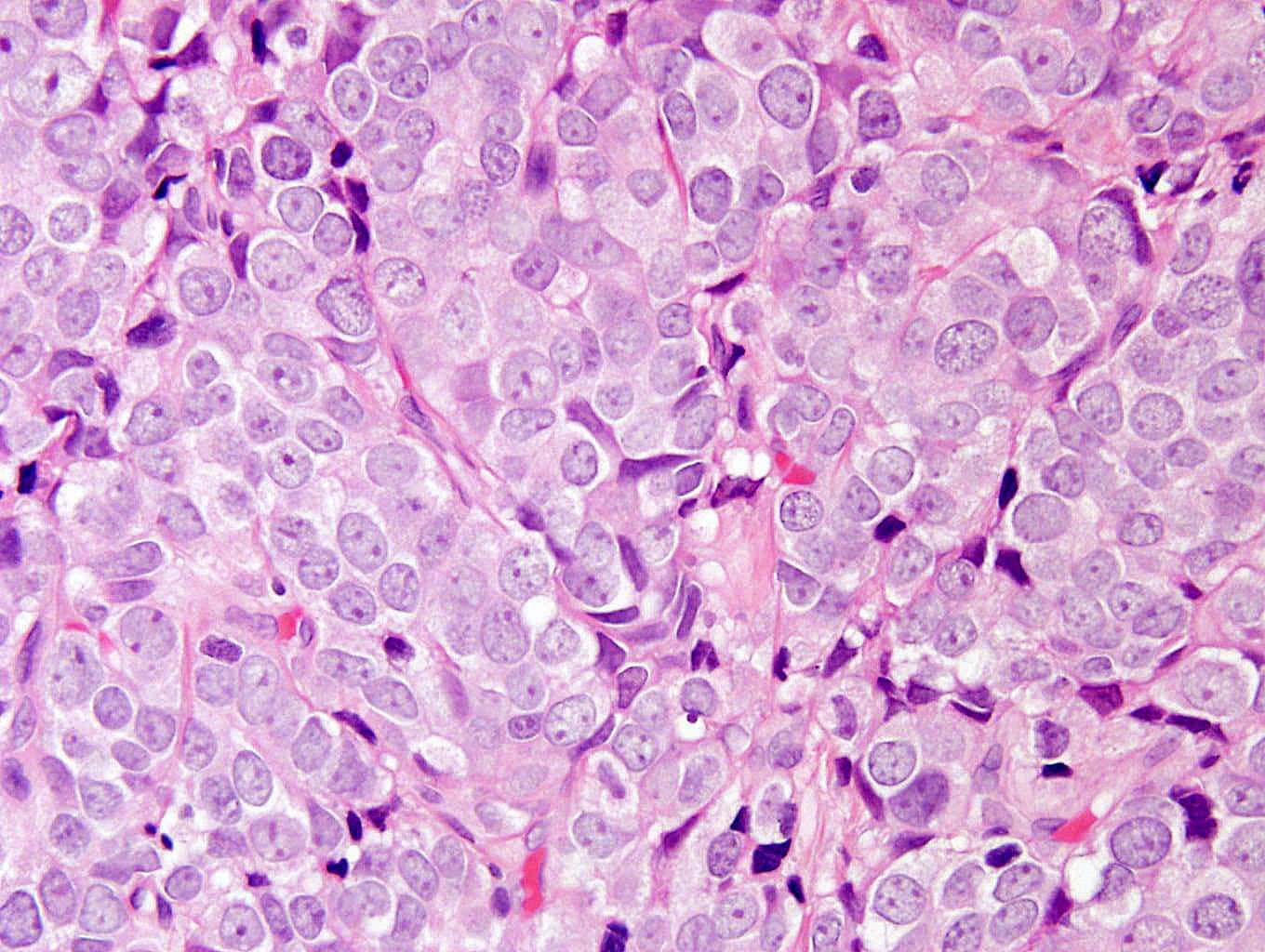
Prostate Health Matters: A Chat with Dr. Jonathan I. Epstein on Cancer Awareness

Prostate cancer stands as one of the most common cancers affecting men worldwide, emphasizing the critical importance of prostate health awareness. This silent threat often goes unnoticed until it advances, making early detection and knowledge crucial weapons in the battle against this disease. The prostate gland, though small in size, plays a pivotal role in male reproductive health. Located just below the bladder, it is responsible for producing seminal fluid, a key component of semen that supports sperm mobility and vitality. Therefore, this gland’s health is integral not only to reproductive success but also to the overall well-being of men. 

Renowned pathologist, Dr. Jonathan I. Epstein lends his vast, specialized experience with prostate cancer to the conversation of cancer awareness and the importance of prostate health. Dr. Epstein provides valuable insight into the significance of prostate health and how to navigate the complexities of this aspect of male health.

Understanding Prostate Cancer

Understanding Prostate Cancer is crucial for early detection, effective treatment, and improving survival rates. Prostate cancer occurs when abnormal cells in the prostate gland grow uncontrollably, forming a tumor. 

The prostate gland, essential for male reproductive health, is located beneath the bladder and surrounds the urethra,” says Dr. Jonathan I. Epstein. “Cancer develops in the prostate similar to other parts of the body, through mutations in the DNA of cells, causing them to grow and divide more rapidly than normal cells. Eventually, these abnormal cells can form a tumor and, if untreated, may spread to other parts of the body.”

Risk factors for developing prostate cancer include age, with a significant increase in risk for men over 50; family history, where having a father or brother with prostate cancer doubles the risk; and race, with African American men having a higher incidence and mortality rate.

Symptoms of prostate cancer may not be evident in its early stages, which underscores the importance of regular screening for early detection. When symptoms do appear, they can include difficulty urinating, decreased force in the stream of urine, blood in the urine or semen, erectile dysfunction, pain in the hips, back, chest, or other areas if cancer has spread, and weakness or numbness in the legs or feet. 

Early detection of prostate cancer significantly increases the chances of successful treatment and survival. Screening methods such as the Prostate-Specific Antigen (PSA) test, which measures the level of PSA in the blood, can help detect prostate cancer early, even before symptoms develop. Digital rectal exams (DRE) may also be used to check for any abnormalities in the prostate, although the test is not that sensitive or specific for findings of prostate cancer. 

Prostate Health Matters: A Chat with Dr. Jonathan I. Epstein on Cancer Awareness

Photo Courtesy: Dr. Jonathan I. Epstein

Medical Approaches and Treatments

“Understanding the common approaches for prostate cancer management and treatments is crucial for making informed decisions regarding one’s health,” says Dr. Jonathan I. Epstein.

Traditional treatments for prostate cancer include surgery, radiation therapy, hormone therapy, and chemotherapy. Surgery, particularly radical prostatectomy, involves the removal of the prostate gland and is typically considered for localized cancer. Radiation therapy, which can be external beam radiation or brachytherapy (internal radiation), targets cancer cells in the prostate gland. Dr. Epstein notes that there are many variations of radiation therapy that can be used for treating prostate cancer, which can be confusing for patients who are deciding on which treatment to choose. It is not clear if some of these radiation techniques have an advantage over the others. It often depends on which institution a patient goes to, as certain institutions often specialize in selective radiation techniques for prostate cancer. 

Hormone therapy, another conventional approach, aims to reduce the level of male hormones (androgens) that can stimulate the growth of cancer cells. Hormone therapy can be used to keep in check advanced distant spread of prostate cancer. Hormone therapy can also be used prior to radiation therapy in more advanced cancers localized to the prostate to enhance the effect of the radiation therapy. Dr. Epstein emphasizes the importance of the role of the pathologist, saying: “The grade assigned by the pathologist to the cancer on needle biopsy is the main factor in determining if hormone therapy is given prior to radiation therapy (neoadjuvant hormone therapy).” As grading of prostate cancer is difficult, it is often recommended to get a second opinion from an expert prostate cancer pathologist prior to therapy. Chemotherapy may be used when cancer has spread outside the prostate and is not responding to hormone therapy. These options are considered based on the cancer’s stage, patient’s health status, and potential impact on quality of life.

Emerging Trends in Prostate Cancer Treatment

The landscape of prostate cancer treatment is continuously advancing, with research focusing on more targeted and less invasive methods. Immunotherapy, which leverages the body’s immune system to fight cancer, has shown promise in treating advanced prostate cancer. Prostate cancer vaccines, a form of immunotherapy, help the immune system recognize and attack prostate cancer cells.

Ongoing research and clinical trials are crucial for developing these innovative treatments. They explore the potential of new drugs, combination therapies, and the use of genetic information to tailor treatments to individual patients. Increased awareness and early detection are empowering men to take proactive steps toward their health, promising a more effective and potentially preventable approach to prostate cancer.

Published by: Martin De Juan

New York Newcomers: Tips for Settling Into the Big Apple

Welcome to New York City, the vibrant heart where dreams gear up to take flight! Whether you’re drawn by its iconic skyline, the promise of unparalleled career opportunities, or the sheer excitement of living in one of the world’s dynamic cities, beginning your journey here is both exhilarating and daunting. New York doesn’t just open its doors; it flings them wide, inviting you into a world teeming with diversity, culture, and endless possibilities. This guide is your first step towards navigating this magnificent concrete jungle, ensuring your transition is as smooth and rewarding as the city’s famed cheesecake.

Finding Your New York Niche

The first step in making the Big Apple feel like home is finding your place within its vast mosaic of neighborhoods. Each borough and district has its unique personality, from the artistic enclaves of Brooklyn to the serene pathways of Upper Manhattan. Start by exploring various areas, considering your lifestyle, budget, and commute. Remember, your first home in New York might not be your forever home, but it’s a starting point in this grand adventure. Engage with local community boards or online forums to get insider tips and make connections that can help you settle in.

Navigating the Urban Jungle

Mastering the NYC public transportation system is a rite of passage for every newcomer. The subway, while daunting at first, is your gateway to the city, offering an affordable and efficient way to explore every corner. Invest time in understanding the map, familiarizing yourself with the main lines, and downloading a transit app to navigate delays or service changes. Don’t underestimate the value of a good pair of walking shoes either—sometimes, the best of New York is discovered on foot.

Plugging Into the Professional Pulse

For many, the move to New York is a career-driven decision. The city’s bustling business scene offers myriad opportunities, but it also means the competition is fierce. Familiarizing yourself with the local business landscape is crucial. For instance, a personal injury attorney should be making a list of local law firms to consider as future employers. Networking plays a significant role in the professional world here; attend industry meetups, seminars, and workshops. Use platforms like LinkedIn to connect with local professionals and join New York-based professional groups to stay informed about job openings and industry news. Remember, your next big break could come from a connection made at a casual coffee shop run-in.

Embracing the Cultural Melting Pot

New York is a tapestry woven from the threads of countless cultures, and immersing yourself in this diversity is key to truly understanding and enjoying the city. Venture beyond the tourist landmarks to explore neighborhoods renowned for their cultural authenticity, like Jackson Heights for its Indian cuisine, Flushing for Chinese delicacies, or Little Italy for a slice of Naples. Participate in cultural festivals and parades, which are not only fun but also a beautiful way to appreciate the city’s global heritage. This exploration will enrich your New York experience, making the city feel more like a home than a mere residence.

Mastering the Art of Living Vertically

Adjusting to life in New York often means getting accustomed to smaller living spaces, especially if you’re moving from a place where square footage was plentiful. Embrace minimalism and get creative with storage solutions to make your apartment feel spacious and organized. Stores like IKEA and The Container Store, as well as local flea markets, offer great options for maximizing your space. Remember, the city itself is an extension of your living room. Parks, coffee shops, and public spaces can provide the breathing room your apartment lacks.

Navigating New York’s Gastronomic Scene

The culinary landscape of New York is as diverse as its population, offering everything from five-star dining experiences to street food from around the world. While indulging in the city’s dining scene, don’t overlook the gems hidden in plain sight. Farmer’s markets like Union Square Greenmarket provide fresh ingredients to experiment with at home. Moreover, joining a cooking class can be a great way to meet people, learn to create dishes from different cultures, and even save money by dining in.

Staying Healthy and Active

In the city that never sleeps, maintaining your health and wellness can seem like a challenge, but New York offers numerous parks, gyms, and fitness classes that cater to every interest and budget. Central Park and the Hudson River Park are fantastic for jogging, cycling, or simply taking a leisurely walk to clear your mind. Explore local yoga studios or kickboxing classes to stay active and destress. Prioritizing your physical and mental health is crucial for enjoying all that New York has to offer.

Building Your Community

One of the daunting aspects of moving to a new city is building a new social circle. New York, with its myriad interest groups, meetups, and social events, provides fertile ground for making connections. Whether through a hobby, sports, or volunteer work, engaging in community activities can lead to meaningful relationships. Don’t be afraid to reach out and introduce yourself; remember, many are in the same boat as you, looking to make new friends in the big city.

A New Chapter Awaits

Embarking on your New York journey can be overwhelming, but it’s also an opportunity for growth, discovery, and adventure. By finding your niche, navigating the city’s complexities, and embracing its diversity, you’ll soon find yourself not just surviving but thriving in the Big Apple. Remember, every New Yorker was once new here, and the city’s true magic lies in its ability to transform newcomers into steadfast, resilient individuals who dare to dream big. Welcome to New York—it’s time to start writing your own unique story in the city of endless possibilities.

Published by: Martin De Juan