‘Live Art’ Flash Mob at Art Basel Miami Honors Fallen Victims of Music Festival Massacre in Israel

The year’s Art Basel at the Miami Beach Convention Center was home to not just traditional presentations of artistry; it was the stage for an epic flash mob that continues to stir conversations around the globe. The mastermind behind this creative spectacle was none other than the globally acclaimed conceptual artist and painter, Tomer Peretz. Despite encountering unexpected hurdles, he and a dedicated team of volunteers transformed the convention center into a blank canvas—one capturing a powerful narrative of hope, love, and unity.

The tragic events of the October 7th massacre in Israel motivated Peretz and his team to conceptualize this flash mob. As a volunteer with Zaka, Israel’s rescue and recovery organization, he witnessed the reality of the disaster first-hand, and was therefore compelled to make a resounding, peaceful statement to honor the lives lost. Despite facing opposition from Art Basel personnel and having purchased tickets for volunteers that were subsequently cancelled, Peretz and 50 volunteers managed to carry out the ‘Live Art’ Flash Mob regardless.

Footage from this unexpected Art Basel event shows volunteers singing and swaying together, expressing a sense of unity, and then abruptly halting and collapsing. This symbolic gesture sent ripples across the world and drew attention to the tragic incident. As Peretz said, they aptly made Art Basel their canvas for their powerful message, carrying the hashtag #WhenTheMusicStopped.

Indeed, preparing for this meaningful and affecting ‘Live Art’ Flash Mob involved strategic planning and teamwork, involving a long list of dedicated individuals. Peretz extends his gratitude to these teammates for translating his vision into reality, who include: Producer Michael Mike Cannon; Videographer and Editor/Producers: Karin Lang, Oren Lang, Idan Vaknin, Adee Drory, Bar Arviv, Michael Mike Cannon, Lexi, Rachel Weiss, and Sivan Rouben; Photographers: Michael Mike Cannon; Videographer and Editor of Peretz Headshot: Sarah Orbanic; Footage from Art Basel: Amit Regev, Melanie Lencovski, and Violeta Palombo Levy.

In the world of conceptual art, Peretz is known for his bold and multifaceted approach. His works, created using mediums such as oil, acrylic, and photography, are filled with narratives and meanings. His unique style is loved by underground art enthusiasts. Peretz emphasizes how his work often portrays hope through shades of darkness and primarily cares about the subject-matter and the story that his work tells.

Beyond his individual achievements, Peretz has successfully collaborated with several renowned individuals in the entertainment industry. His artwork, which splendidly combines realism and surrealism, has earned him impressive accolades, such as: the Arthur Szyk Prize for ‘Disruptive Thought,’ at the Bruce Lurie Gallery (Culver City, CA), ‘It’s Halloween at Very Venice Art and Design Gallery’ (Oct. 2011), ‘For the Love of Art’ at Tokyo Ice (Dec. 2009), ‘Amit Apel Design Studio Gallery Opening’ in Los Angeles (May 2009), Beit Haitonaim Benefit Partnership for Children with Cancer (proceeds donated to the charity), and more. Beyond art exhibits, Peretz is also heralded for his artwork commissioned by industry icons, including: Val Kilmer, Jonathan Davis (Korn), Gene Simmons (KISS), Ziv Koren (photographer), Karim Rashid (designer), Tsahi Halevi (Israeli actor), Ninet Tayeb (musician), Alon Abutbul (Israeli actor in Hollywood), Itzik Cohen (Israeli actor), Alejandro Edda (narcos), Dots To Lines (tattoo artist), Noa Kirel (Israeli musician), Rami Fortis (Israeli singer), and more.at the Bruce Lurie Gallery (Culver City, CA), ‘It’s Halloween at Very Venice Art and Design Gallery’ (Oct. 2011), ‘For the Love of Art’ at Tokyo Ice (Dec. 2009), ‘Amit Apel Design Studio Gallery Opening’ in Los Angeles (May 2009), Beit Haitonaim Benefit Partnership for Children with Cancer (proceeds donated to the charity), and more.

The transformative power of art, capable of capturing emotions and raising awareness, inspires Peretz. He has also turned this inspiration into philanthropic efforts, launching The Peretz Foundation, which provides art therapy for trauma and post-trauma victims.

All in all, Tomer Peretz is not just a traditional artist. As the ‘Live Art’ Flash Mob at Art Basel reflects, for him art is more than a visual creation—it is an expressive language, a platform for sharing narratives and stirring conversations. Despite meeting obstacles, he chose to voice his message through the Live Art Flash mob, transcending the boundaries enforced by mainstream art.

You can explore more about Peretz’s artistry, fashion, and his upcoming endeavors on his official website: tomerperetz.com and also watch the ‘Live Art’ Flash Mob Video from Art Basel.

Clarence KD McNair Honored In New York By Jamaica’s Prime Minister Andrew Holness

The St. Catherine High School Alumni Association NE., Inc. proudly celebrated a significant milestone on October 21, 2023, as they hosted their 25th-anniversary annual banquet. This remarkable event brought together alumni, friends, and distinguished guests in a joyous celebration of the association’s rich history and the achievements of its members.

A highlight of the evening was the presence of the esteemed keynote speaker, the Prime Minister of Jamaica, Andrew Holness. Prime Minister Holness, an alumnus of the class of 1988, shared insights into his journey from St. Catherine High School to the highest office in the land. His inspirational address resonated with the audience, emphasizing the importance of education, community, and leadership.

Prime Minister Holness spoke passionately about the role that St. Catherine High School played in shaping his character and fostering his commitment to public service. His words echoed the spirit of resilience and determination instilled in the students of St. Catherine, motivating the current generation to strive for excellence.

Community Service Award: Recognizing Clarence McNair’s Exemplary Leadership

One of the evening’s most heartfelt moments was the presentation of the Community Service Award to Clarence McNair. This prestigious accolade was bestowed upon Clarence in recognition of his outstanding community service and leadership.

Clarence, an advocate for programs that empower youth to “get ready for obstacles in the world,” has dedicated his efforts to initiatives focused on mental health and the positive impact on minority communities. His experiences have transformed him into a problem solver and strategist, and he is deeply grateful for the opportunities that have allowed him to contribute meaningfully to community outreach.

In his acceptance speech, Clarence emphasized the importance of advocating for programs that prepare the youth for the challenges they may face in the world. His commitment to mental health initiatives stems from a profound belief in the transformative power of support and understanding, especially for minority communities.

Clarence McNair has become a beacon of hope and resilience, embodying the spirit of the St. Catherine High School Alumni Association NE., Inc. His dedication to uplifting others and his advocacy for programs addressing mental health disparities among minorities align perfectly with the values upheld by the association.

Looking Towards the Future: A Legacy of Service

Clarence KD McNair Honored In New York By Jamaica's Prime Minister Andrew Holness

Sourced photo

As the St. Catherine High School Alumni Association NE., Inc. commemorates 25 years of existence, the annual banquet served as a testament to the enduring legacy of this esteemed organization. Alumni like Prime Minister Andrew Holness and community leaders like Clarence McNair showcase the impact that a commitment to education, community service, and leadership can have on individuals and society at large.

The event concluded with a renewed sense of purpose and pride among the alumni, underscoring their shared dedication to continued excellence, community engagement, and the uplifting of future generations.

In the words of Clarence McNair, “Our journey doesn’t end here; it’s a continuous commitment to making a positive difference in the lives of others.”

Clarence Bio:

McNair is a Baltimore native who began his career as a recording artist and producer in his early teenage years. He landed a multi-million-dollar music contract with his mother’s help at Motown Records. This opportunity led his music group to work with Grammy-awarded music producers. They landed a feature in Jamie Foxx’s soundtrack for the action-comedy film Bait and made T.V. appearances on Soul Train, MTV2, and BET’s 106th & Park with hosts A.J. and Free.

The group gained recognition in Vibe, Billboard, Sister 2 Sister magazine, and the media mogul radio show Wendy Williams. The group also performed in Tokyo, Japan, for the U.S. troops.

After McNair’s music career, his ability to stay current with entertainment industry trends led him to the reality television space. He coordinated and co-produced the first fashion runway presentation for Coco’s “Licious Apparel” during season three of “Ice Loves Coco” on E! at N.Y. Fashion Week in 2012. Shortly after, he worked closely with some of VH1’s top reality stars to create content and enhance their careers. His expertise helped him broker successful brand deals and secure bookings for the BET Awards. McNair’s passion for music navigated his path to work with music executives like Brooklyn Johnny, known for kickstarting the career of Grammy award-winning artist Cardi B. McNair worked as the brand strategist to Pinky Cole, CEO of Slutty Vegan, a company valued at 100 million dollars. Today, he works as Pinky Cole’s Manager on her personal management team. He recently closed one of the most significant partnership deals of this decade, solidifying Slutty Vegan founder and CEO Pinky Cole as a development partner in Rye Street Market, a five billion-dollar development project on the Baltimore Peninsula led by MAG Partners and MacFarlane Partners. The deal also includes investments from Under Armour founder Kevin Plank plus his Sagamore Ventures Investment Firm and Goldman Sachs Asset Management Urban Investment Group.

In November 2019, McNair released his first book, “Give It One More Try,” to shed light on the importance of mental fitness. He shares the depths of his early traumatic experiences and how he found ways to push for the life he has now. During his “Give It One More Try” campaign, he received honorary awards, and his book was rated number one on Amazon for men’s health. He appeared on T.V. One’s Sister’s Circle Show, FOX, and radio outlets. His second book “Blessings in Uncertain Times” featured a foreword by Cora Jakes, daughter of world-renowned Bishop T.D. Jakes and Serita Jakes. The book offered a new perspective in times of uncertainty. McNair recently sat with White House Correspondent Gerren Keith Gaynor to share how his book, “Give It One More Try,” has inspired thousands across the globe to persevere in the face of adversity and never stop striving for their goals.

McNair is grateful for his knowledge and experience as a strategist and problem solver. His life skills and career coaching have inspired many lives. He’s received multiple recognitions and awards for his community outreach.

Why Spiral Galaxies Are Cosmic Rarities

In the vast cosmic expanse, where celestial wonders adorn the canvas of the universe, the enigma of spiral galaxies, reminiscent of our own captivating Milky Way, captivates the curiosity of astronomers. In a recent exploration into the cosmic mysteries, groundbreaking supercomputer simulations have cast a revealing light on the peculiar scarcity of these mesmerizing formations within the sprawling realms of the Supergalactic Plane—a billion light-year-wide supercluster housing an array of galaxy clusters.

The Enigma of Spiral Galaxies in the Supergalactic Plane:

Rare Gems in a Galactic Neighborhood:

As astronomers cast their gaze across the Supergalactic Plane, a cosmic revelation unfolds—a conspicuous scarcity of spiral galaxies juxtaposed against the prevalent backdrop of bright elliptical galaxies. The fundamental question echoes through the cosmic void: What cosmic forces conspire to make galaxies akin to the Milky Way so remarkably rare in this celestial neighborhood?

Decoding Galactic Histories:

The cosmic archives, holding the secrets of galactic evolution, became the focus of astronomers. Turning to the computational prowess of the Simulations Beyond the Local Universe (SIBELIUS) supercomputer simulation, their quest was to rewind the cosmic clock, tracing the intricate journey of these galaxies from the explosive birth of the universe to their present-day cosmic abode.

Insights from Simulations:

Dance of the Galaxies:

The simulated cosmic tableau unveils a turbulent history, where spiral galaxies in the dense clusters of the Supergalactic Plane engage in a celestial dance of frequent and cataclysmic collisions. This intricate choreography results in the metamorphosis of spirals into elliptical galaxies, their delicate arms shattered and smoothed out in the cosmic ballet.

Galactic Bar Brawl:

The Supergalactic Plane, resembling a colossal cosmic battleground, bears witness to the collision-induced metamorphosis of spiral galaxies. The aftermath not only alters their structures but also fuels the voracious appetite of supermassive black holes, amplifying their cosmic influence across the galactic stage.

Survivors Amidst Cosmic Chaos:

Spatial Advantage for Spirals:

Remarkably, in the vast cosmic tapestry, spiral galaxies situated in regions away from the plane emerge as resilient survivors of the cosmic bar brawl. Shielded from the frequent galactic collisions that shape the fate of their counterparts within the tumultuous Supergalactic Plane, they retain their distinctive structures—a testament to their cosmic endurance.

The Unusual Resilience of Our Milky Way:

Amidst the cosmic tumult, our very own Milky Way, nestled within a galaxy cluster on the Supergalactic Plane, defies the odds. The delicate arms of our cosmic neighbor, though subject to the chaotic dance of galactic collisions, manage to evade the worst of the damage, standing as a unique testimony to the evolutionary path of spiral galaxies.

Takeaway:

The revelation of the cosmic ballet that shapes the destiny of galaxies within the Supergalactic Plane provides not only a deeper understanding of the rarity of spiral galaxies but also an invitation to ponder the intricate interplay of cosmic forces on a galactic scale. As humanity continues its cosmic journey, these findings serve as a beacon, illuminating the pathways to unraveling the mysteries woven into the fabric of the universe.

Enhancing Predictive Models for Grassy Ecosystem Health

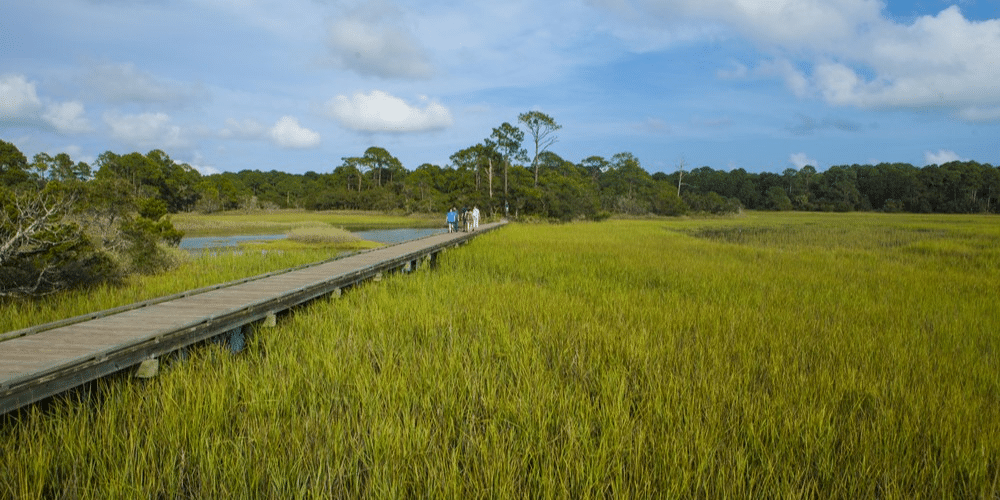
In a pioneering breakthrough titled “Enhancing Predictive Models for Grassy Ecosystem Health,” recent research from Dr. Kevin Wilcox and his team at UNC Greensboro is shedding new light on the predictive modeling of non-forested ecosystems. This research delves into how global changes, including droughts, fires, and heat waves, will affect the health and sustainability of Earth’s grassy ecosystems. These findings, published in the journal Global Change Biology, mark a significant step forward in improving mathematical models used to forecast changes in savannas, prairies, grasslands, and arctic tundras.

A Glimpse into the Research

“Forest ecosystems tend to get the lion’s share of public attention,” says Wilcox. “But ecosystems dominated by non-tree vegetation, known as ‘grassy’ ecosystems, cover a substantial 40 percent of Earth’s land surface. Our research is vital in catching up scientifically in these landscapes.”

This newfound research offers a fresh perspective, challenging the prevailing focus on forests and highlighting the often-overlooked ‘grassy’ ecosystems. With their vast presence, these ecosystems contribute significantly to our planet’s overall health and well-being.

Focusing on Non-Forested Ecosystems

Globally, grassy ecosystems play a pivotal role by providing essential resources and services to humans. These include food production, support for pollinators, and carbon sequestration. Furthermore, they serve as critical habitat for wildlife, such as elk and bison in North America. By shining a spotlight on these non-forested ecosystems, Wilcox’s research underscores their vital role in maintaining ecological balance and supporting biodiversity.

The Significance of Grassy Ecosystems

However, when it comes to predicting the resilience of these ecosystems in the face of imminent global changes, research in this realm has lagged behind that for forests. Wilcox’s work with Earth system models is narrowing this gap. Scientists employ these models to simulate the impact of physical phenomena, such as droughts and heat waves, on landscapes. These models involve complex mathematical equations that form thousands of lines of computer code, ultimately creating an abstract representation of reality. These models encompass a range of ecological processes, from rainfall infiltration in the soil to insect activity in savannas and the consequences of heat stress on plant and animal life.

Bridging the Predictive Gap

Wilcox emphasizes the dynamic nature of these grassy systems, stressing the need to move beyond assumptions that all components will remain unchanged as droughts and heat waves become more prevalent. The evolving character of these ecosystems presents a fascinating challenge, as they respond and adapt to ever-changing environmental conditions.

Simulating Ecological Impact

A significant challenge lies in how grasses are depicted in these models. Currently, they are often represented as miniature trees or a superficial ‘green slime’ on the planet’s surface. This portrayal might explain the models’ struggles to align with real-world observations in grassy ecosystems. Addressing this challenge requires a nuanced understanding of the complexity and diversity of non-tree vegetation ecosystems.

The Challenge of Representing Grasses

Wilcox calls for enhanced collaboration between empiricists and modelers to improve the representation of herbaceous dynamics within ecosystem models. This collaborative approach seeks to bridge the gap between theory and empirical observations, ensuring that predictive models better reflect the complex reality of grassy ecosystems.

A Call for Collaboration

Implementing these necessary changes is crucial in guiding future public policies and management strategies for these ecosystems. This is especially vital as droughts and deluges become more frequent and extreme, disturbances like fires intensify, and human pressures continue to mount. Wilcox’s research provides an essential foundation for informed decision-making and sustainable management of these ecosystems in a rapidly changing world.

Guiding Future Policy and Management

With this holistic insight into the research, we can appreciate the profound significance of Dr. Wilcox’s work in enhancing predictive models for the health of Earth’s grassy ecosystems. This groundbreaking research sets a robust foundation for a more sustainable future, where the ecological health of these critical landscapes can be preserved and effectively managed.

Exploring the Potential of Skull Marrow in Detecting and Treating Neurological Disorders

Skull marrow – The skull, once considered merely a protective barrier for the brain, has emerged as a fascinating area of research in the field of neurology. Recent discoveries suggest that bone marrow cells within the skull could play a pivotal role in monitoring and potentially treating brain disorders characterized by inflammation. This article delves into the intriguing findings that highlight the significance of the skull’s role in neurological health.

The Hidden Realm of Skull Marrow:

A closer examination of the skull has unveiled a remarkable phenomenon – bone marrow cells residing there undergo transformations and are recruited to the brain following injuries. This migration is believed to occur through minute channels connecting the skull to the brain’s outer protective layer. Furthermore, the inflammation within the skull appears to be specific to certain diseases, adding depth to our understanding. Researchers, in a study published on August 9 in Cell, propose that the skull’s marrow could serve as a potential target for tracking and treating neurological disorders marked by brain inflammation.

Inflammation and its Impact:

In various diseases and instances of neuronal injury, immune cells infiltrating the central nervous system can trigger detrimental effects by releasing harmful molecules into the brain. This influx of immune cells leads to inflammation in the brain and spinal cord, contributing to conditions like multiple sclerosis. For years, researchers have strived to detect and mitigate this inflammatory response, recognizing its significance in neurological health.

A Paradigm Shift:

The recent research elevates the status of the skull from a passive protector to an active participant in brain health. Gerd Meyer zu Hörste, a neurologist at the University of Münster in Germany, emphasizes that the skull now emerges as a dynamic site of interaction with the brain, responding to and evolving alongside brain diseases. This shift in perspective challenges conventional notions about the skull’s role in brain health.

Exploring Skull Marrow’s Distinct Characteristics:

Ali Ertürk of the Helmholtz Center in Munich and his colleagues embarked on a journey to unravel the unique attributes of skull marrow cells. By comparing genetic activity and protein production in skull marrow cells to those in other bones and the meninges (the protective membranes between the skull and brain), they made intriguing discoveries. Notably, skull cells, particularly neutrophils, exhibited distinctive characteristics compared to cells in other bones. Brain injuries exacerbated these differences, suggesting that skull cells respond dynamically to brain conditions.

A Two-Way Communication:

An essential revelation came when the team compared proteins in human skull cells with those in the pelvis and vertebrae. Skull marrow cells presented brain proteins, while other bones did not. This two-way communication between the skull and the brain underlines the dynamic interplay between these two seemingly distinct entities.

The Existence of “Tunnels”:

Previous studies had hinted at the presence of connecting “tunnels” between the skull and meninges in both mice and humans. This discovery suggests a physical conduit for communication between these two structures. Recent advancements in imaging techniques have allowed researchers to gain unprecedented insights into these tunnels, confirming their existence in humans.

The Path Forward:

While the findings are undeniably significant, questions remain about the functional relevance of these connections. It is crucial to explore whether skull inflammation can be accurately measured and targeted to combat brain diseases. The technology is not yet fully advanced for practical applications, indicating that further research is essential.

Skull Inflammation as a Diagnostic Tool:

The research team also utilized PET imaging to track the location and levels of neuroinflammation in the skulls of individuals with Alzheimer’s disease, stroke, or multiple sclerosis. Intriguingly, the pattern of skull inflammation differed among these diseases, offering a potential proxy for neuroinflammation. This could revolutionize the diagnosis and treatment of stroke, Alzheimer’s, and other neurological disorders through less invasive methods than traditional alternatives.

Takeaway:

The study’s groundbreaking insights into the role of skull marrow in monitoring and potentially treating neurological disorders underscore the evolving landscape of neurology. While the path ahead is filled with challenges and unanswered questions, the discovery of the skull’s active involvement in brain health holds immense promise for the future of neuroinflammatory disease research.