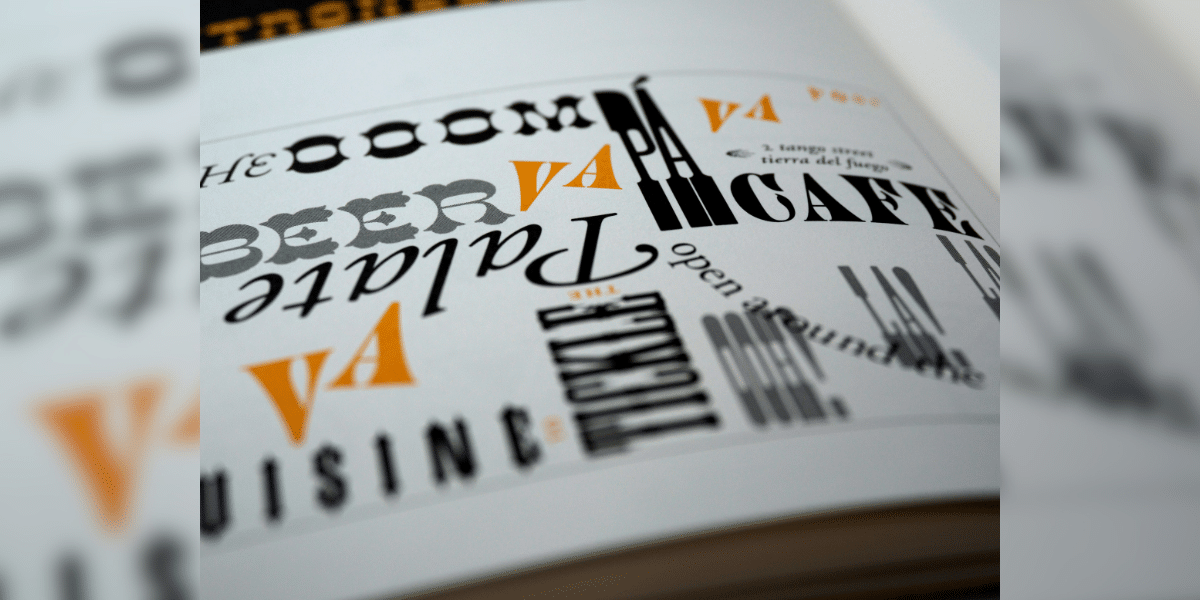
Beyond Boring Bold: The Art of Intentional Font Styling

Image commercially licensed from Unsplash

Font styling – it might sound like a fancy term for clicking the bold button, but it’s so much more! It’s the secret sauce that transforms everyday text into a visual feast, guiding readers through your content and amplifying your message. Forget the default settings; delve into the captivating world of intentional font styles and discover how to wield it like a wordsmith’s wand.

The Dance of Hierarchy

Imagine your text as a bustling symphony orchestra. Every element has its role, and font styling is the conductor, ensuring each voice is heard at the right volume and at the right time. Use size and weight strategically. Headline with booming bass tones of a larger, bolder font, while supporting points sing a clear soprano in regular weight. Subheadings can bridge the gap with a mezzo-soprano voice, slightly larger but not stealing the spotlight. Remember, hierarchy isn’t just about size; experiment with italics, underlining, and even color to differentiate roles within your text.

Mood and Setting

Think of your font choices as setting the stage for your content. A light, airy script font transports readers to a breezy café, while a stark, geometric typeface evokes the sharp lines of a modern skyscraper. For a whimsical children’s story, playful bubble letters might be perfect, while a historical essay demands the serifed elegance of Times New Roman. Align your font style with the mood and setting you want to create, and watch your content come alive.

The Power of Personality

Fonts have personalities, too! A playful handwritten font speaks of a friendly, approachable brand, while a sleek sans-serif screams modern efficiency. Think of your brand’s voice and choose a font that embodies it. Is it quirky and fun? Opt for a bouncy display font. Serious and authoritative? Lean towards a classic serif. Remember, your font choice is an extension of your brand identity, so choose wisely!

Contrast – The Spice of Life

Just like a bland dish needs a dash of salt, text needs contrast to sparkle. Don’t be afraid to play with different styles within your content. Pair a bold heading with a light, airy body text for easy reading. Use italics for emphasis, or introduce a contrasting font for quotes or pull-out sections. But remember, contrast is like spice – a little goes a long way. Too much clash can overwhelm your readers.

Readability Rules

Let’s not get lost in the stylistic frenzy and forget that ultimately, text needs to be read. Avoid overly ornate fonts that are difficult to decipher, and stick to readable sizes and spacing. If you’re using multiple fonts, ensure they complement each other, not compete. And remember, sometimes the simplest choices, like a clean sans-serif font with ample line spacing, can be the most effective.

Font styling is a powerful tool, but wield it with intention. By considering hierarchy, mood, personality, contrast, and readability, you can transform your text from everyday words into a captivating visual experience. So, go forth, explore the vast world of fonts, and let your inner typographic artist shine!

Bonus Tip: Remember, tools are there to guide you, not limit you. Online font pairing generators and style guides can offer inspiration and suggestions, but the final decision rests with your creative vision.

Published by: Martin De Juan

Words Woven in Life’s Loom: Thomas A. Cook’s Journey from Dreams to Bestseller Realities

“What does a green leather chair hold in its embrace, and how does one man’s journey carve lessons for us all?” In an exclusive interview with the seasoned author, Thomas A. Cook, we unravel the riveting chapters of his life – a journey marked by resilience, introspection, and the artistry of storytelling that transcends generations.

Thomas A. Cook, a name synonymous with evocative storytelling, emerges not just as an author but as a custodian of life’s poignant moments. His literary odyssey began in the corridors of his own experiences, where each twist and turn shaped the narrative prowess that defines his work today. Delving into his early years, cook shares insights into his formative experiences, rooted in a Catholic upbringing and an initial aspiration to become an architect. However, the meandering paths of life led him to the realm of commercial construction, where he discovered a canvas for both creativity and pragmatism.

The trajectory of Cook’s life took a turn with a medical discharge from the Army Reserves during the Vietnam War era. This pivotal moment became the juncture where fate whispered a new direction, steering him toward a career in construction. Little did he know that this shift would sow the seeds of a narrative legacy. Actually, he did not want to be in the Army and humorously reflected on it, even suggesting an Academy Award for his performance in securing a discharge for a back issue he didn’t have. This insight is detailed in his book “My Army Story,” where he mentions anticipating a future in construction, having just completed the design and construction of his diplex at 20 years old before basic training. Post-Army, he followed his training and began his construction career by building homes on his dad’s residential lots.

At the heart of our conversation lies Cook’s latest literary masterpiece, “Sermons in the Green Leather Chair.” Initially conceived as the “Benson Lake Chronicles,” the book transcends mere storytelling. It is a profound exploration of the human spirit, encapsulating lessons from his relationship with his father and the transformative power of nature, mentors and people.

The interview unfolds as a tapestry of wisdom, with Cook generously sharing “quips” that mirror his journey. From navigating the complexities of familial bonds to the art of listening, each lesson resonates with the authenticity that only a life well-lived can offer.

Cook’s honesty extends to the challenges encountered in writing his book. He recounts the delicate balance required for certain chapters, such as the one that delves into his relationship with his brother. It’s a testament to his commitment to authenticity, even when faced with the shadows of his own past. A recurring theme in our conversation is the sage advice from Cook’s father on navigating life’s risk areas.

The importance of taking responsibility for one’s choices emerges as a cornerstone of his journey, a lesson that reverberates through the pages of his work. While at the same time pushing things to the limit, Cook’s narrative unfolds as a testament to the delicate balance between responsibility and daring exploration. Over the years, his perspective on life and its priorities gradually shifted, influenced by his outdoor adventures and immersion in nature through backpacking. This exposure sparked a burgeoning interest in woodsmen skills and knowledge. This journey led him to contemplate the distinction between needs and wants, profoundly shaping his life’s trajectory and emphasizing the true essence of importance.

As we conclude our interview, Cook tantalizingly hints at his next literary endeavor, promising readers further glimpses into the recesses of his rich tapestry. His parting words, “Believe in your God. Be good to yourself. Be good to your neighbor and smile,” echo the essence of a life dedicated to embracing the profound simplicity of existence. In the pages of Thomas A. Cook’s life and work, we find a narrative that transcends the conventional boundaries of storytelling. It is a reflection of a man who, through his words, invites readers to embark on their own journey of self-discovery, resilience, and the unwavering belief in the enduring power of a well-told tale.

Published by: Martin De Juan