Adam Taylor: Navigating a Unique Path in Finance and Business

 By: Jon Stojan

Sometimes, the path to career success is linear and predictable. Other times, it is more circuitous. Wealth Management Advisor Adam Taylor is a good example of how a collection of diverse and seemingly unrelated experiences can lead to success in the business and finance world. His journey, which spans multiple cities and industries, can inspire anyone willing to apply dedication, adaptability, and skill to take the path less traveled.

Adam built his academic base in Tallahassee at Florida State University’s College of Business, graduating with a Bachelor of Science in Hospitality. Upon graduating, Adam didn’t stay in the familiar surroundings of Tallahassee. Instead, he embarked on a new adventure in San Francisco, a city known for its dynamic and challenging business environment.

 In San Francisco, Adam joined Houston’s restaurants, a career move that allowed him to dive into the world of wine. His talent and hard work soon paid off, leading him to a new opportunity in New Orleans. However, his time there was cut short by Hurricane Katrina, which forced his relocation to Atlanta. This series of moves wasn’t just a geographical journey but a period of intense professional growth and learning.

Adam’s success in the hospitality industry didn’t go unnoticed, as he was soon offered a golden opportunity with The Capital Grille in Orlando. He became instrumental in opening new locations in Jacksonville and Naples. At the young age of 27, Adam achieved a significant milestone, becoming the youngest managing partner in his company. This achievement was complemented by his accreditation as a sommelier with the Court of Master Sommeliers, further establishing his talent in the hospitality industry.

However, Adam’s ambitions extended beyond the confines of hospitality. Craving new challenges, he transitioned to the world of financial planning, a move that would redefine his career. Adam joined Tampa’s Northwestern Mutual, which equipped him with an excellent training and advocacy model for his clients. After seven years of a quality learning experience. , Adam and his team opened the doors of Taylor Financial in June 2018.

His professional qualifications include Series 7, 6, 63, and 26 licenses, alongside several prestigious designations from the American College (ChFC®, CLU®, RICP®,

CASL®, CLTC). He jokes that he has more letters “BEHIND” his name than “IN” his name. Taylor Financial was recently awarded the Seminole 100 award for the sixth consecutive year. The award recognizes the 100 fastest-growing businesses in the nation owned by Florida State Alumni.

Despite his professional achievements, Adam’s greatest passion remains his family. Married to his wife, Andi, since 2009, they have three children and a beloved black lab named Atticus. His hobbies include watching Florida State football and cycling.

Adam’s circuitous path to building his financial planning firm is a combination of a relentless pursuit of excellence, the ability to adapt to changing circumstances, and the importance of community involvement. If you’re seeking a financial advisor who combines expertise with a personal touch, Adam’s comprehensive approach to financial planning, including insurance and investments, allows him to offer his clients a broad range of comprehensive financial services. 

Roadside Assistance in 2024: Navigating the Evolving Landscape of On-the-Road Support

Image Commercially Licensed From: Unsplash

By: Henry Jackson

Introduction

In the bustling world of 2024, roadside assistance has become an indispensable ally for drivers. Once a simple service offering towing and minor repairs, it has evolved into a sophisticated network that caters to the complex needs of modern vehicles, including electric and autonomous cars. This article delves into the current state of roadside assistance, exploring its advancements, challenges, and future prospects.

Evolution of Roadside Assistance Services

The concept of roadside assistance has been around for over a century, originally rooted in basic mechanical repairs and towing. However, the last decade has seen remarkable transformations. The introduction of advanced telematics and the rise of electric vehicles (EVs) have reshaped service offerings. Companies now integrate smart technology for quicker, more efficient service dispatch and support for a broader range of vehicle types.

Current Services and Technologies

In 2024, roadside assistance encompasses a wide array of services:

  • Emergency Support: Traditional services like tire changes, jump-starts, and towing remain fundamental. Enhanced GPS tracking enables quicker response times.
  • EV Support: Specialized services for EVs, including mobile charging units, are increasingly common, addressing the unique challenges faced by electric car owners.
  • Digital Platforms: Many providers offer mobile apps for instant access to services, real-time tracking of assistance vehicles, and AI-powered diagnostics.
  • Autonomous Vehicle Support: With the gradual introduction of self-driving cars, providers are preparing for new challenges, such as remotely resolving software glitches or safely towing autonomous vehicles.

Challenges in the Industry

Despite advancements, the industry faces several challenges:

  • High Demand and Resource Management: The surge in vehicle ownership and diversity in vehicle types strains existing resources.
  • Training and Expertise: Keeping up with evolving automotive technology requires continuous training for service personnel.
  • Cybersecurity: With increased reliance on digital platforms, protecting customer data and preventing cyber-attacks is crucial.

Consumer Expectations and Experiences

Consumer expectations in 2024 have shifted. Quick response times, transparent pricing, and digital convenience are not just preferred but expected. Customer experiences are enhanced through apps that offer features like service customization, real-time tracking, and direct communication with technicians.

Impact of Autonomous and Electric Vehicles

The rise of EVs and autonomous vehicles brings new dimensions to roadside assistance:

  • EV Challenges: Addressing EV-specific issues like battery depletion in areas without charging stations.
  • Autonomous Vehicles: Developing protocols for safely managing autonomous vehicles that may malfunction or require remote diagnosis.

Regulatory Landscape and Safety Standards

Regulations have evolved to ensure safety and efficiency in roadside assistance. This includes standards for towing safety, data protection laws for digital platforms, and guidelines for handling advanced vehicle technologies.

Sustainability in Roadside Assistance

Sustainability is a growing focus. Eco-friendly service vehicles, recycling parts, and promoting EV support services reflect this trend. Providers are also investing in clean energy solutions for their fleets.

Global Perspectives and Variations

The approach to roadside assistance varies globally. In Europe, there’s a strong focus on multi-modal transport support, while in North America, the vast distances influence the nature of services offered. Asia-Pacific regions are rapidly adopting new technologies, reflecting their fast-paced automotive market growth.

Industry Collaboration and Partnerships

Collaborations between automotive manufacturers, tech companies, and service providers have become common. These partnerships aim to integrate roadside assistance seamlessly into the vehicle’s ecosystem, offering enhanced safety and convenience.

Al Lijee, CEO, MyWindshield said: 

“A few key developments I’m observing are usage-based and on-demand options for folks who only drive occasionally, don’t need bundled tow miles they won’t use, or want stopgap coverage when traveling. Budget-focused choices beyond just auto club memberships.

I’m also seeing coverage get more specialized for RVs, exotic vehicles, and classic cars that may need unique servicing expertise or equipment. And more add-ons catering to the mobile lifestyle like meal reimbursements, pet transportation, and extended delays.

Integration with telematics, GPS tracking, and mobile apps is definitely increasing too – promoting faster response, proactive or remote troubleshooting to avoid a full tow, and claims automation.”

Al Lijee is also the CEO of TowGator and mentioned that: “Today, it’s not just about towing a car or fixing a flat tire. 

It’s about integrating advanced digital solutions, addressing the unique challenges of electric and autonomous vehicles, and ensuring a sustainable and secure service model. Roadside assistance has evolved from a reactive service to a proactive and technologically sophisticated partner for modern drivers”

Future Outlook and Innovations

Looking ahead, the industry is poised for further innovations:

  • Integration with Smart Cities: Leveraging IoT for more coordinated roadside assistance in smart city environments.
  • Advanced Diagnostics and AI: Utilizing AI for predictive maintenance and advanced diagnostics to prevent breakdowns.
  • Drones and Robotics: Exploring the use of drones for rapid response and assessment, and robotics for certain types of repairs.

Conclusion

The state of roadside assistance in 2024 reflects a dynamic blend of tradition and innovation. While it continues to provide the essential services that drivers rely on, its evolution is closely tied to advancements in vehicle technology and changing consumer needs. As we move forward, the industry is not just responding to the challenges of today but is actively shaping the future of on-the-road support.

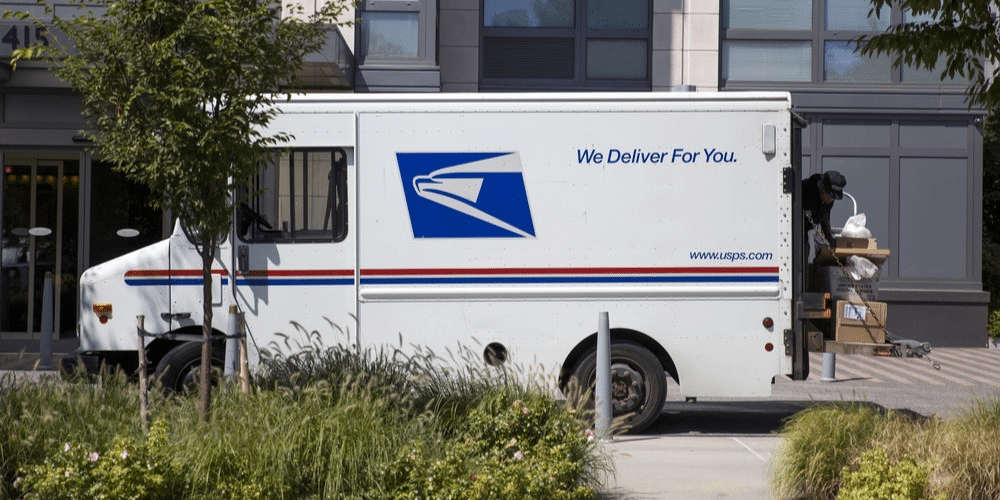
The US Postal Service’s Financial Odyssey and Visionary Transformation

As the curtains closed on the most recent fiscal year, the US Postal Service (USPS) found itself in the midst of a financial tempest, reporting a staggering loss of $6.5 billion. The stark reality contradicted earlier projections of breaking even, casting shadows on the service’s aspirations for annual profits.

Financial Disappointment and Operational Challenges:

This formidable institution, a linchpin in the nation’s communication network, grappled with unforeseen challenges, attributing the fiscal downturn to operational costs spiraling due to inflation. Postmaster General Louis DeJoy candidly acknowledged the profound impact of escalating costs on their day-to-day operations. Additionally, he underscored the repercussions of surging printing prices, resulting in a substantial contraction of marketing mail volumes.

Revenue Shift and Operational Response:

In the initial phases of the fiscal year, the US Postal Service witnessed a promising revenue surge as package volumes redirected away from UPS amid looming strike threats. However, the windfall did not translate into the anticipated financial upturn. Despite this setback, DeJoy remained resolute in highlighting the considerable progress made in the service’s ongoing organizational transformation, with a primary focus on enhancing consistency, reliability, and timeliness in deliveries.

Progress Amidst Challenges:

DeJoy offered a beacon of optimism, assuring stakeholders that the US Postal Service is navigating the early stages of one of the nation’s most comprehensive organizational overhauls. He emphasized the significant strides made in achieving more reliable deliveries while actively addressing immediate financial headwinds tied to inflation. The service is steadfast in its commitment to implementing robust strategies for long-term cost control and revenue generation.

Business Recovery and Future Projections:

While the US Postal Service refrained from divulging specific details regarding its business pickup during July and August, a bullish outlook prevails. The collaborative efforts with the Teamsters averted a potential strike, paving the way for the US Postal Service to recapture most of the diverted business by year-end. UPS reported a tangible reduction in package volume, while FedEx noted a discernible uptick in business, leaving the US Postal Service to discreetly quantify the extent of this in its comprehensive report.

US Postal Service Revenue Landscape:

A comprehensive analysis of the US Postal Service revenue landscape reveals a nuanced picture. Revenue from shipping and packages, standing as the largest revenue segment, experienced a modest 1% increase, reaching $31.6 billion, despite a 2% contraction in volume. First-Class mail proved resilient, generating a 2% revenue uptick, amounting to $24.5 billion, in the face of a 6% volume decrease. However, the most notable blow was dealt to marketing mail, witnessing a substantial $920 million, or 8%, decrease in revenue.

Financial Context and Future Outlook:

Delving into the financial context, the US Postal Service’s reported net income of $56 billion in the previous fiscal year was predominantly influenced by a non-cash gain of nearly $57 billion resulting from legislative changes. Excluding this one-time gain and categorizing other factors as “non-controllable” costs and gains, the spotlight shifts to the “controllable loss.” It soared to $2.3 billion in the just-completed fiscal year, signifying a formidable increase from the previous fiscal year’s controllable loss of $473 million.

Takeaway:

In the face of these formidable financial challenges, the US Postal Service remains unwavering in its commitment to transformational goals. The journey ahead envisions enhanced operational efficiency, fortified financial stability, and sustained relevance in the dynamic landscape of postal services.