How Digital-First Shopping Habits Are Reshaping Everyday Retail

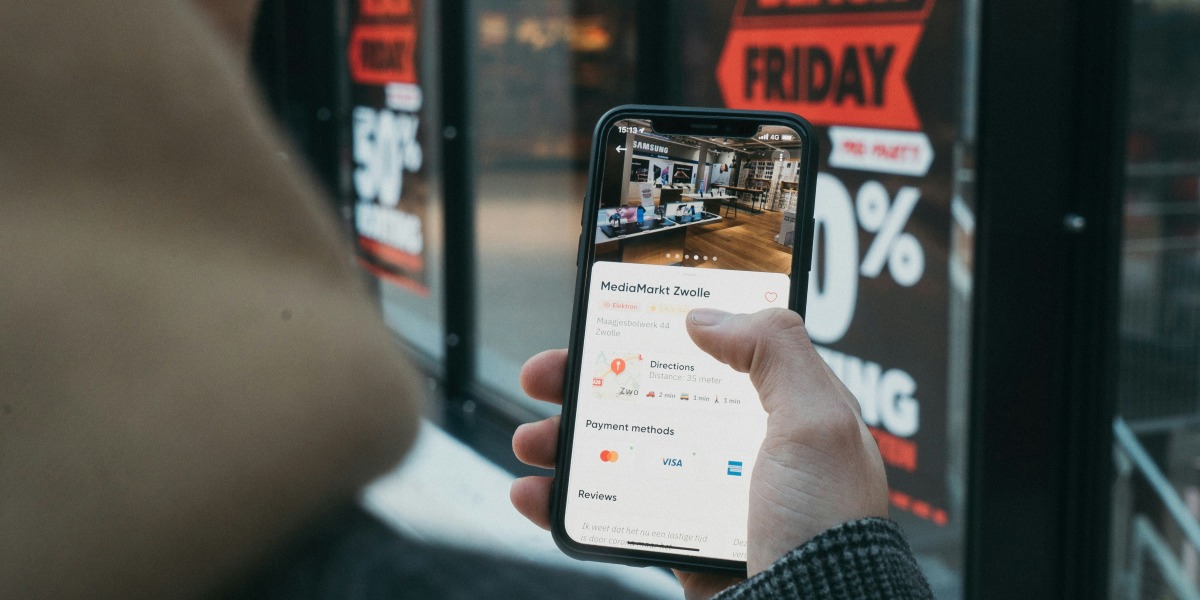
The way people shop has changed dramatically in recent years. Increasingly, consumers are turning to their phones, tablets, and laptops instead of visiting physical stores. This shift toward digital-first shopping habits reflects a broader transformation in how goods are discovered, purchased, and delivered.

Mobile commerce, app-based retail, and online checkout systems have become everyday tools for millions. While this change can feel overwhelming at times, it’s often driven by convenience, speed, and evolving consumer expectations. Understanding the forces behind this shift can help clarify why digital shopping continues to grow—and what it means for the future of retail.

When Shopping Moves to the Screen

One noticeable changes in consumer behavior is the rise of mobile commerce. This refers to purchases made directly through smartphones or tablets, often via dedicated apps or mobile-optimized websites. The appeal is clear: shoppers can browse, compare, and buy products from anywhere, whether standing in line or relaxing at home.

Retailers have responded by streamlining digital checkout processes, offering features like saved payment methods, one-click purchases, and real-time inventory updates. These improvements reduce friction and make online shopping feel effortless, encouraging repeat use.

The Role of App-Based Retail

Many brands now offer their own shopping apps, designed to create a more personalized experience. These apps often include exclusive deals, loyalty rewards, and tailored product recommendations based on browsing history. For consumers, this means faster access to preferred items and fewer steps between discovery and purchase.

App-based retail also allows companies to communicate directly with users through push notifications, alerting them to sales or restocks. This direct line of engagement helps build brand loyalty and keeps shoppers informed without requiring them to visit a website or store.

Why Convenience Drives Adoption

Digital-first shopping habits are largely shaped by convenience. Online platforms allow consumers to avoid traffic, long lines, and limited store hours. In many cases, purchases can be completed in under a minute, with delivery options ranging from same-day to scheduled drop-offs.

This ease of use is especially important for busy households, remote workers, and those with limited mobility. As digital infrastructure improves, even traditionally offline categories—like groceries or prescription medications—are becoming part of the online shopping ecosystem.

Security and Trust in Digital Checkout

Concerns about online security have gradually eased as platforms adopt stronger protections. Features like two-factor authentication, encrypted payment gateways, and buyer protection policies help reassure users that their information is safe.

Retailers also display trust signals, such as verified reviews and secure checkout badges, to reinforce confidence. As these safeguards become standard, more consumers feel comfortable making purchases online, even for high-value items.

Long-Term Impacts on Retail Behavior

Over time, digital-first habits tend to reshape expectations. Shoppers begin to favor brands that offer seamless digital experiences, fast delivery, and responsive customer service. Businesses that adapt to these preferences often see stronger engagement and higher conversion rates.

Additionally, the rise of e-commerce has encouraged innovation in logistics, packaging, and inventory management. Retailers are investing in technologies that support faster fulfillment and more accurate demand forecasting, helping to meet consumer needs more efficiently.

Digital-first shopping is no longer a niche behavior—it’s a defining feature of modern retail. As mobile commerce and app-based platforms continue to evolve, they offer consumers more control, flexibility, and convenience. For many, the shift to digital is not just about buying products—it’s about rethinking how shopping fits into everyday life.


Understanding Sales Psychology: Key Principles That Drive Buyer Behavior

Sales psychology offers valuable insights into the mental and emotional factors that influence how consumers make purchasing decisions. It goes beyond the simple exchange of products or services and focuses on understanding the deeper motivations behind buyer behavior. In today’s competitive marketplace, recognizing these psychological principles is essential for sales professionals who want to connect meaningfully with their customers. By tapping into how the human mind works during the decision-making process, sales strategies can become more effective, personalized, and ultimately successful.

The foundation of sales psychology rests on the understanding that buyers are not purely rational beings. Emotions, unconscious biases, and social influences all contribute to how someone evaluates an offer. When salespeople understand these dynamics, they can tailor their approach in ways that resonate with buyers on a personal level, helping to overcome resistance and build lasting relationships. The key lies in balancing logical information about a product with the emotional and psychological needs of the customer.

The Role of Emotional Triggers in Sales Psychology

Emotions play a powerful and often underestimated role in buying decisions. While people might believe they purchase based on facts or necessity, research consistently shows that feelings often lead the way. Emotional triggers are specific feelings or psychological states that can influence how a buyer perceives value, urgency, or desirability.

For example, fear is one of the most compelling emotional drivers. Fear of missing out, commonly referred to as FOMO, encourages customers to act quickly to avoid losing an opportunity. This sense of urgency can be subtly integrated into sales messages without applying pressure, making the buyer feel motivated rather than coerced. Similarly, the desire for acceptance or belonging can encourage customers to align themselves with a brand or product that reflects their identity or social group.

Another important emotional trigger is the anticipation of gain. People are naturally drawn to potential rewards, whether it’s saving money, gaining status, or improving their lifestyle. By highlighting the benefits in an emotionally appealing way, sales professionals can tap into these desires. The key is to craft messages that connect emotionally with the buyer’s personal goals and values, making the product feel relevant and meaningful.

How Cognitive Biases Influence Purchasing Decisions

Cognitive biases are mental shortcuts that help people make quick decisions, but they can also lead to predictable errors in judgment. In sales, understanding these biases offers a strategic advantage because it reveals how buyers might unconsciously respond to information.

One of the most common biases is confirmation bias, which means buyers tend to seek out or interpret information in a way that confirms their preexisting beliefs. This can influence how they receive sales pitches and which features or benefits they pay attention to. A salesperson who anticipates this bias can frame information to align with the buyer’s values and prior knowledge, making the message more persuasive.

Loss aversion is another powerful bias. It refers to the tendency for people to prefer avoiding losses rather than acquiring equivalent gains. This can be used in sales by emphasizing what the buyer stands to lose by not acting, rather than just what they might gain. For example, highlighting the risk of missing out on a limited-time offer can be more motivating than focusing solely on the benefits.

The anchoring effect also plays a significant role in how buyers perceive price and value. The initial piece of information they receive acts as a reference point, influencing subsequent judgments. When a high price is presented first, a lower price may seem more attractive, even if it is still higher than the actual value the buyer might expect. Sales professionals who understand anchoring can design pricing strategies that feel reasonable and attractive by carefully controlling the order and context in which information is presented.

The Psychology of Trust and Rapport in Sales

Trust is essential for building strong customer relationships and closing sales effectively. Buyers need to feel confident that the salesperson and the brand have their best interests in mind. Without this sense of trust, even the best product or offer can fail to convert.

Building rapport is the foundation of trust, and it requires genuine engagement with the buyer. This means actively listening to their needs, asking thoughtful questions, and showing empathy. When salespeople demonstrate they understand and care about the customer’s challenges and goals, it creates a psychological environment where buyers feel safe to explore options and make decisions.

Consistency is also a critical element in establishing trust. Buyers notice when a salesperson’s words and actions align over time. Delivering on promises, being transparent about product limitations, and following up reliably contribute to a sense of credibility. Psychological research shows that people prefer to do business with those they perceive as honest and dependable, even if the price is slightly higher or the product is not the absolute cheapest option.

The rapport-building process also involves subtle nonverbal cues such as body language and tone of voice. Mirroring the customer’s communication style and pace can foster subconscious connections, further enhancing trust. Overall, trust transforms the sales interaction from a transactional exchange into a meaningful relationship, encouraging repeat business and referrals.

Behavioral Economics Insights for Sales Professionals

Behavioral economics combines elements of psychology and economics to explain why people sometimes make decisions that appear irrational. This field provides sales professionals with a deeper understanding of buyer behavior beyond traditional economic assumptions.

One key insight from behavioral economics is that context and framing matter greatly. The way choices are presented can change the buyer’s perception and decision. For instance, presenting a product alongside a more expensive alternative can make the original offer seem like a better deal, a strategy known as the decoy effect. By carefully designing options and comparisons, salespeople can guide buyers toward preferred outcomes without overt persuasion.

The concept of mental accounting is also relevant. Buyers categorize expenses differently based on the perceived purpose or source of money, which influences their willingness to spend. For example, someone may be more willing to pay for a premium product if it’s framed as an investment in quality or time savings rather than just an expense.

Behavioral economics also highlights the importance of default options. Many buyers tend to stick with a pre-selected choice, so making the most desirable option the default can significantly increase sales. This is particularly effective in subscription services or add-on features where inertia works in favor of the seller.

By applying these insights, sales professionals can design their offers, pricing, and communications to work in harmony with human psychology. This approach leads to more natural and effective selling, increasing both customer satisfaction and business success.

Streamlining Your Week: The Smart Approach to Chicken Breast Meal Prep

Life can get pretty hectic, can’t it? Between work, personal commitments, and everything in between, finding time to cook healthy meals often feels like a daily challenge. That’s where meal prepping with chicken breast really shines. It’s a remarkably effective strategy for anyone looking to eat well, save precious time during busy weekdays, and even keep their food budget in check. This lean, versatile protein is a go-to for many, and for good reason—it makes the whole process straightforward and satisfying.

Why Chicken Breast is a Meal Prep Superstar

Think about what you look for in a go-to ingredient: efficiency, adaptability, and nourishment. Chicken breast ticks all these boxes, making it an ideal choice for batch cooking:

  • A Lean Protein Powerhouse: It’s an excellent source of lean protein, which is super important for feeling full and satisfied after meals, supporting muscles, and simply contributing to overall well-being.
  • Incredibly Versatile: Chicken breast has a mild flavor on its own, which means it’s a blank canvas for almost any seasoning, marinade, or sauce you can dream up. This allows it to adapt seamlessly to a huge range of cuisines and meal styles.
  • Quick to Cook: Whether whole, sliced, or diced, chicken breast cooks relatively fast. This efficiency is a huge plus when you’re preparing multiple portions at once.
  • Budget-Friendly: You can often find chicken breast available in larger packs, which can lead to significant savings compared to buying smaller quantities as you need them.

The Art of Prepping: Simple Principles for Success

Streamlining Your Week The Smart Approach to Chicken Breast Meal Prep

Photo Credit: Unsplash.com

The core idea behind meal prepping is to cook a larger amount of food at one time, enough to last for several meals. For chicken breast, this means getting a head start on your week.

  • Batch Cooking Methods: There are many easy ways to cook chicken breast in bulk. You could try baking or roasting it on a sheet pan for a hands-off approach. Grilling adds a lovely smoky flavor, perfect for salads or sandwiches. If you’ve got thinner cuts or diced pieces, pan-searing on the stovetop is super quick. For very tender, shreddable chicken that’s great for soups or wraps, poaching or boiling works wonderfully. And for really large batches, a slow cooker or instant pot can make the chicken incredibly tender.

  • Keeping Flavors Exciting: To make sure you don’t get tired of the same taste, think about flavor strategies. Sometimes, simply cooking chicken breast with just salt, pepper, and a little garlic powder is best. This neutral seasoning allows you to use the chicken in vastly different meals later – maybe an Italian-themed dish one day and a Mexican-inspired bowl the next. Other times, you might season a whole batch with a specific rub, like a lemon-herb blend or a mild barbecue spice, if you know all your meals will follow a similar theme. Remember, adding sauces or dressings just before you eat will keep your meals tasting fresh and vibrant.

  • Smart Storage for Freshness: Once your chicken is cooked, proper storage is key. Always let the chicken cool completely to room temperature – ideally within two hours – before you put it in the fridge or freezer. This is important for food safety. Use airtight containers or resealable bags to keep your cooked chicken fresh and prevent any odors from mixing with other foods. Cooked chicken breast can be safely stored in the refrigerator for 3 to 4 days. If you need it to last longer, it freezes really well for up to 3-4 months. It’s smart to portion it out before freezing, so you only thaw what you need. Don’t forget to label your containers with the date so you always know when it was prepared!

Putting It to Use: Endless Meal Possibilities

The true magic of meal prepping chicken breast is how many different ways you can use it throughout your week.

  • Quick Salads: Just slice or shred it and add it to your favorite greens and toppings.
  • Easy Wraps & Sandwiches: A perfect, protein-packed lunch on the go.
  • Custom Grain Bowls: Combine it with cooked grains like rice or quinoa, some roasted veggies, and your preferred dressing.
  • Speedy Stir-fries: Add pre-cooked, sliced chicken breast to a pan with fresh vegetables and a sauce for a lightning-fast dinner.
  • Taco or Burrito Bowls: Shredded chicken with a little seasoning is fantastic for building your own Mexican-inspired meals.
  • Simple Pasta Dishes: Toss it with pasta, some steamed vegetables, and a light sauce for a comforting meal.
  • Hearty Soups or Chilis: Throw in some shredded chicken to boost the protein content and make your favorite comforting bowls even more filling.

Beyond the Plate: The Benefits You’ll Truly Notice

Making time for chicken breast meal prep offers so much more than just a ready-made meal.

  • Serious Time-Saving: It dramatically cuts down on daily cooking time during busy weeknights, freeing you up for other things.
  • Healthier Habits: Having nutritious meals ready to go helps you avoid the temptation of less healthy takeout or impulse buys.
  • Budget-Friendly: Cooking in bulk at home is almost always more economical than buying individual meals or dining out.
  • Effortless Portion Control: Pre-portioned meals make it easy to manage what you eat, helping with any dietary goals you might have.
  • Less Stress: Say goodbye to that nightly “what’s for dinner?” dilemma, knowing you’ve got tasty, healthy options ready to go.

By understanding these basic principles and making a small effort upfront, you can easily cultivate a more organized and nourishing routine for your entire week. It’s a simple, effective way to take control of your meals and enjoy the many benefits of always having good food at your fingertips.

Physical or Digital: What Holiday Greeting Do People Appreciate More?

Holiday greetings are a beloved practice that helps people connect and share happiness during special times of the year. Over time, the way these greetings are sent has changed, with digital cards becoming a popular choice alongside traditional paper ones. This change often leads to a question about which type of card truly gets more appreciation from those who receive it.

Why Do Digital Cards Attract So Many People Today?

Physical or Digital What Holiday Greeting Do People Appreciate More (2)

Photo Credit: Unsplash.com

Digital cards have become more and more popular as technology advances and communication habits shift. These modern greetings offer a straightforward approach to sending well wishes. One of the biggest upsides is how easy and quick they are to send. Digital cards can be designed, personalized, and delivered in just a few moments, making them ideal for individuals with busy schedules or for those last-minute holiday messages. Recipients can also get them instantly, no matter where they are in the world.

Another important aspect of digital cards is their minimal impact on the environment. Unlike paper cards, which need trees and printing materials, digital versions cut out the need for physical resources entirely. This helps reduce waste and save natural resources, appealing to those who prioritize eco-friendly choices. Digital card platforms also provide many ways to make greetings unique. Senders can customize designs, add personal messages, include animations, and even incorporate music to create a distinct and memorable experience. This flexibility makes digital cards quite adaptable and engaging. Additionally, sending digital cards is generally kinder to the wallet than sending physical ones. Many online platforms offer free or low-cost templates, and there are no expenses for printing or postage, which is especially appealing for larger groups or businesses sending out many greetings.

What Keeps Physical Cards a Cherished Part of the Holidays?

Physical or Digital What Holiday Greeting Do People Appreciate More (3)

Photo Credit: Unsplash.com

Despite the growth of digital options, physical cards remain a deeply loved choice for many people. They offer a tangible quality that digital cards simply cannot match. Holding a card in one’s hands, feeling the texture of the paper, and seeing the sender’s actual handwriting adds a personal touch that truly resonates with recipients. This physical presence often brings about feelings of warmth and connection.

Receiving a physical card can also spark a sense of nostalgia and personal connection. These cards are more likely to be displayed in homes or kept as special mementos, preserving memories in a way that digital cards, often living on a screen, cannot. For many, sending and getting physical cards is a treasured practice, reflecting effort and thoughtfulness. This gesture often feels more meaningful, particularly in communities where handwritten notes are highly valued. Unlike the instant nature of digital greetings, physical cards take time to arrive, building a sense of anticipation. This process adds to the excitement of the holiday season, turning the act of receiving a card into a special event.

How Do Digital and Physical Cards Compare in Key Areas?

When looking at digital versus physical cards, several factors highlight their differences in appreciation. Environmentally, digital cards are eco-friendly because they don’t use paper, ink, or require shipping. Physical cards, however, are often seen as having a larger environmental footprint due to paper use and transportation. Yet, cards made from recycled materials can lessen this impact.

From a cost perspective, digital cards are typically cheaper, with no printing or mailing expenses, and many free choices are available. Physical cards are more expensive due to costs for printing, postage, and options for premium materials like embossed or glittered designs. In terms of sentimental value, while digital cards offer personalization, they lack the physical presence that makes paper cards memorable keepsakes. Physical cards, being tangible and lasting, often hold greater sentimental value and are frequently saved for years. For convenience, digital cards are easy to create and send instantly, making them suitable for busy individuals. Physical cards, however, require more effort in writing, addressing, and mailing, but this perceived effort can actually increase the gesture’s value in the recipient’s eyes.

How Do Culture, Generations, and Customization Influence Card Choice?

Cultural values play a significant role in determining how much digital or physical cards are appreciated. In many Western cultures, physical holiday cards have a long history and are linked to customs like family newsletters or personal notes. Yet, the ease of digital cards is gaining acceptance, particularly among younger generations. In some Eastern cultures, handwritten messages and physical tokens of appreciation are deeply valued. Digital cards might not carry the same weight in these settings, where personal effort is a strong sign of sincerity.

Differences across generations also impact preferences. Younger generations, who are very used to digital communication, often favor digital cards for their convenience and interactive features. Older generations, conversely, might lean toward physical cards, valuing their tangibility and traditional appeal. Both types of cards offer ways to personalize greetings, but the methods and extent vary. Digital cards can include dynamic features like animation, sound, and interactivity, making them very engaging, and offer a wide range of templates to match the recipient or occasion. Physical cards allow for heartfelt handwritten messages and a choice of materials, finishes, and embellishments for a unique look. Handcrafted cards also offer full creative freedom, showcasing the sender’s effort and thoughtfulness.

Which Type of Holiday Greeting Gathers More Appreciation?

Ultimately, the choice between digital and physical cards often comes down to the sender’s intent, the recipient’s preferences, and the event’s context. Digital cards are modern, convenient, and environmentally friendly, making them a great option for those who prioritize efficiency. Physical cards, meanwhile, offer sentimental value, tradition, and a tangible connection that many recipients deeply value.

The most meaningful holiday greeting is one that genuinely shows thoughtfulness and care. By considering the circumstances, the connection with the recipient, and the specific message intended, one can choose the type of card that best expresses the holiday spirit.

Understanding The New York Consumer Confidence

Consumer confidence is a key indicator of the economic health and stability of a region. In New York, understanding consumer confidence is crucial as it influences spending patterns, business investments, and overall economic growth. This article delves into the factors that impact consumer confidence in New York, its current trends, and its implications for the economy.

What is Consumer Confidence?

Understanding The New York Consumer Confidence

Photo Credit: Unsplash.com

Consumer confidence refers to the degree of optimism that consumers feel about the overall state of the economy and their personal financial situation. It is measured by surveying a sample of households to gauge their perceptions and expectations regarding the economy, employment, income, and spending. High consumer confidence indicates that individuals feel secure in their financial prospects, leading to higher spending, while low confidence reflects economic uncertainty and restrained spending habits.

Consumer confidence is essential because it directly affects consumer spending, which accounts for a significant portion of economic activity. High consumer confidence typically leads to increased spending on goods and services, which drives economic growth. Conversely, low consumer confidence can result in reduced spending and slower economic growth. Economists and policymakers closely monitor consumer confidence as it provides insight into future economic conditions and helps in forecasting economic trends.

Factors Affecting Consumer Confidence in New York

Several factors influence consumer confidence in New York:

The overall economic conditions, including GDP growth, unemployment rates, and inflation, play a significant role in shaping consumer confidence. When the economy is strong, with low unemployment and stable prices, consumer confidence tends to be higher. Economic stability gives consumers the assurance that they can maintain their standard of living, encouraging them to spend more.

Employment rates are a crucial factor in consumer confidence. High employment rates mean more people have steady incomes, which boosts their confidence in spending and making financial commitments. Conversely, high unemployment can erode consumer confidence as job insecurity and income instability make people cautious about their spending.

Inflation affects the purchasing power of consumers. When inflation is high, the cost of living increases, which can lower consumer confidence as people feel their money is not going as far as it used to. Moderate inflation, however, can indicate a growing economy, which might not adversely affect consumer confidence if wages also rise accordingly.

Government policies, including fiscal and monetary measures, also impact consumer confidence. Policies that promote economic stability, job creation, and income growth generally boost consumer confidence. On the other hand, policies that create uncertainty or lead to economic instability can undermine consumer confidence.

Current Trends in New York Consumer Confidence

The COVID-19 pandemic had a profound impact on consumer confidence globally, including in New York. However, as the economy recovers, there has been a gradual improvement in consumer confidence. The rollout of vaccines, easing of restrictions, and reopening of businesses have contributed to this recovery. Consumers are beginning to feel more optimistic about their financial future as the threat of the pandemic diminishes and economic activities resume.

The real estate market is another critical factor. In New York, the real estate market has shown signs of resilience, with increased demand for housing and rising property values. This positively affects consumer confidence as it indicates economic stability and growth potential. A strong real estate market often leads to increased consumer spending on home-related goods and services.

New York has seen a rebound in employment rates as businesses reopen and expand. The hospitality, retail, and tech sectors, in particular, have shown significant job growth, contributing to higher consumer confidence. When people are employed and earning steady incomes, they are more likely to spend money, which further stimulates the economy.

Implications for the Economy

High consumer confidence in New York leads to increased consumer spending, which is vital for economic growth. When consumers are confident, they are more likely to make significant purchases such as homes, cars, and luxury goods, stimulating various sectors of the economy. Increased consumer spending generates higher demand for products and services, leading to more business revenue and potentially more job creation.

Businesses closely monitor consumer confidence to make investment decisions. High consumer confidence signals a healthy economy, encouraging businesses to invest in expansion, new products, and hiring, further boosting economic growth. When companies see that consumers are willing to spend, they are more likely to undertake new projects and invest in their operations.

Government and policymakers use consumer confidence data to shape economic policies. Understanding the levels of consumer confidence helps in designing policies that support economic stability and growth. For instance, during times of low consumer confidence, governments might introduce stimulus packages to boost spending and revive the economy.

Consumer confidence in New York is a critical indicator of the state’s economic health. Various factors, including economic conditions, employment rates, inflation, and government policies, influence it. Current trends show a positive trajectory as the state recovers from the pandemic, with improving employment rates and a robust real estate market. High consumer confidence leads to increased consumer spending, business investments, and informs policy formulation, all of which are essential for sustained economic growth.

By closely monitoring consumer confidence, stakeholders can make informed decisions that support the continued prosperity of New York’s economy. The interplay between consumer confidence and economic indicators is crucial for understanding and guiding the economic future of the region. As New York continues to navigate the post-pandemic landscape, maintaining and enhancing consumer confidence will be key to its ongoing economic success.