Involved Parents Make their Kids Better Dancers by Dawn Kuster-Owner of Coastal Performing Arts Academy

Hello, fellow guardians of adorable little children! If you’ve ever tried to break into a dance at a family gathering only to discover that your moves are comparable to those of a buzzed penguin, don’t worry! Being a supportive dance parent may make all the difference in helping your young one become a star on the dance floor, even if your clumsy “mom-dancing” isn’t up to par with your child’s beautiful pirouettes.

For your child’s path to greatness, encourage your child to practice and support works like dancing shoes. Be their greatest supporter during dance practice, too, just as you do during soccer games or karate competitions! And keep in mind that your kid will appreciate the love and support, even if your “mom-dance” approach results in more laughter than acclaim.

Let’s now discuss setting good examples for others. Aside from the dance skills, you may impart to your kid the value of endurance and determination. They will appreciate the worth of hard work and discipline if they witness you following your diet (even if it includes the odd ice cream raid) or taking on that DIY project around the house.

Naturally, striking a balance is essential. It takes great skill to find balance in your job, family, and that extra piece of cake you’re trying to resist. Therefore, while your youngster may focus on honing their grand jeté, you’ll develop the skill of juggling all of life’s responsibilities; you can do this!

Oh, and let’s not overlook the dancing teacher, who is essential to every successful performance, and it’s important to get to know your child’s dance instructor! To help your kid develop their skill, get to know them, be supportive, and dance with them. You’ll also get a front-row seat to all the backstage drama and glitter (tons and lots of glitter) when your child’s dancing instructor joins the family.

It’s important to show up to as many performances as you can, attend concerts, dance recitals, and even spontaneous dance-offs in living rooms! Being present for your child is like finding the ideal outfit for their big dance performance. And if you notice yourself moving along while somewhat missing the beat, simply say it’s your own original take on contemporary dance.

Never compare your kid to another dancer. This is a fundamental guideline. Every kid is different, and although your little Susie may not have the elegance of a swan, little Johnny may. After all, just as no two snowflakes or kids dance the same, so do we!

Celebrate their progress, and lastly. Celebrate each little accomplishment, whether it’s mastering a challenging ballet sequence or the terrible “floss” dance. You must also do the victory dance, even if it involves a joyful chicken.

So there you have it, dear parents: supporting your child’s dancing career involves more than simply driving them to practices in your own Uber. It’s about standing by them through the highs and lows, encouraging them, and yes, even dancing with them. Watch your child’s dance ambitions fly higher than a Rockette’s kick by embracing your own dance spirit, flaws and all!

Let’s dance like nobody’s watching because, let’s face it, we hope no one is watching since life is one huge dance floor. Let’s wobble, shimmy, and “floss” our way to becoming the finest dancing parents ever while the music plays.

Just put the blame for those dancing movements on the boogie if everything else fails! Happy dancing to everybody!

Empowering Students: Enhancing Education Through Technology – Strategies by Michael Conner, Renowned EdTech Specialist

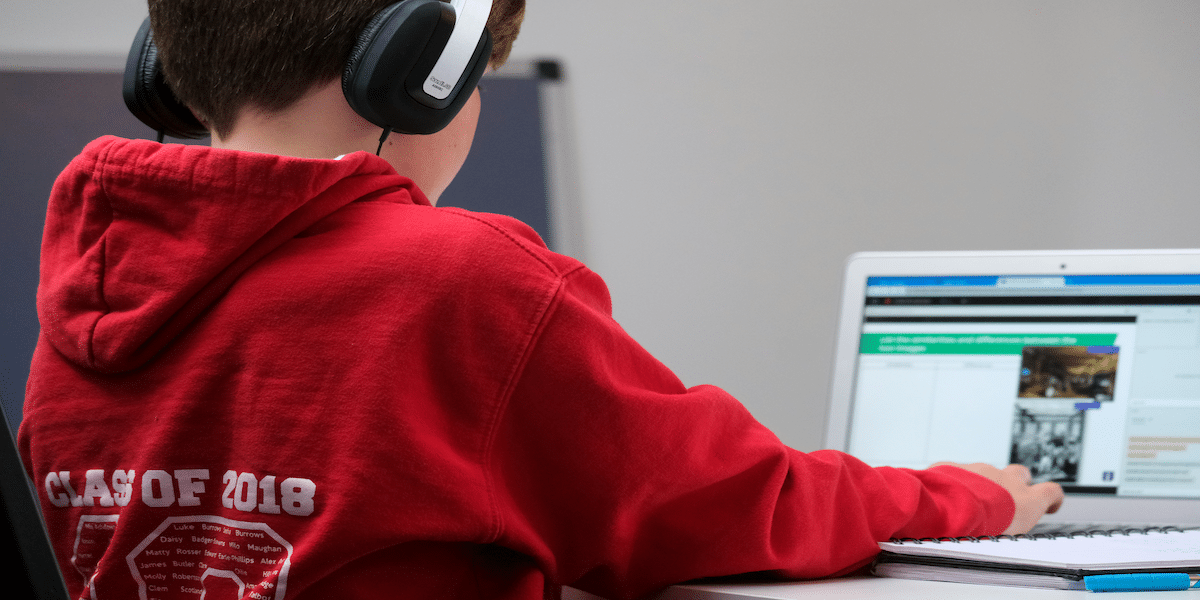
Image commercially licensed from Unsplash

In today’s digital age, technology has revolutionized the way we live, work, and communicate. It has also had a profound impact on education, transforming the learning experience for students worldwide. By harnessing the power of technology, educators have the opportunity to empower students and enhance their education in unprecedented ways. Michael Conner, Ed.D. explores the various ways in which technology is revolutionizing education and shares his unique insights as an esteemed educator and Founder & CEO of Agile Evolutionary Group.

Fostering Engagement and Active Learning

Technology has revolutionized education by empowering students and transforming them from passive recipients of information into active participants in their own learning journey. Through interactive tools like virtual simulations, educational games, and online discussion platforms, technology fosters student engagement and promotes active learning. Esteemed educator Michael Conner recognizes the dynamic learning environment that technology provides, where students have the freedom to explore, experiment, and collaborate. This active participation encourages students to take ownership of their education and develop essential critical thinking skills.

“Gone are the days of rote memorization and passive listening,” says Dr. Conner. “With technology, students can dive into virtual simulations that offer hands-on experiences, enhancing their understanding of complex concepts.”

By embracing technology, educators can create a learning environment that encourages curiosity, critical thinking, and creativity. Students become active agents in their education, empowered to explore and discover knowledge independently. 

Personalized Learning for All

The integration of technology in education brings forth a remarkable advantage: the ability to personalize learning experiences for every student. Through adaptive learning platforms and intelligent tutoring systems, educators can customize instruction to address individual needs, preferences, and learning styles. 

Personalized learning goes beyond the traditional one-size-fits-all approach, recognizing that students have unique strengths, interests, and areas for growth. Adaptive learning platforms leverage data and algorithms to assess students’ abilities and knowledge levels, adapting the content and pace to their individual requirements. 

Intelligent tutoring systems complement adaptive learning by providing individualized feedback and guidance. These systems analyze students’ responses, identify areas for improvement, and offer targeted support. By receiving personalized feedback, students can address their specific learning needs, reinforcing their understanding and promoting continuous growth.

Global Connectivity and Collaboration

Technology has played a pivotal role in bringing the world closer together and revolutionizing education by breaking down geographical barriers. Through online platforms and video conferencing tools, students now have the opportunity to connect and collaborate on a global scale. Virtual classrooms have become a reality, where students from diverse backgrounds can engage in meaningful exchanges of ideas, share experiences, and work collaboratively on projects.

Notes Dr. Conner, “By connecting with peers from different cultures and countries, students gain valuable insights, foster cultural understanding, and develop empathy. The ability to collaborate across borders prepares students for the realities of the 21st century, where cross-cultural communication and collaboration are increasingly essential skills.”

Technology creates a space where students can engage in meaningful dialogue, challenge stereotypes, and develop a broader perspective on global issues. It fosters an environment where students can explore and appreciate the richness of diversity, leading to a more inclusive and interconnected world.

Access to Resources and Opportunities

The digital revolution has ushered in a new era of accessibility and equity in education. Particularly for students in underserved communities, technology has played a pivotal role in improving access to educational resources and opportunities. Online libraries, open educational resources (OER), and Massive Open Online Courses (MOOCs) have become invaluable tools, offering a wealth of knowledge that can be accessed by anyone with an internet connection.

“Regardless of geographical location or socioeconomic background, technology provides equal opportunities for students to engage in learning. It breaks down barriers that once hindered access to quality education, unlocking the potential for lifelong learning,” says Dr. Conner.

Technology enables students to learn at their own pace, eliminating some of the constraints imposed by traditional classroom settings. The flexibility and adaptability of online learning platforms accommodate different learning styles and individual needs, ensuring that education is tailored to the unique requirements of each student.

Enhancing Teacher-Student Interaction

Contrary to common concerns that technology might replace teachers, innovation and new tech within education can enhance teacher-student interaction in the classroom. Through the use of learning management systems and educational technology tools, educators are equipped with valuable resources to facilitate meaningful engagement with their students. 

Learning management systems enable educators to provide timely feedback, track student progress, and deliver personalized support. These systems streamline administrative tasks, freeing up valuable time for teachers to focus on what truly matters—their interactions with students. With the burden of paperwork and grading reduced, teachers can dedicate more time to providing individualized guidance, addressing student needs, and fostering deeper connections.

Ultimately, technology empowers teachers to personalize instruction, tailor support, and meet the unique needs of each student. By leveraging educational technology effectively, teachers can enhance the teacher-student relationship, creating a more dynamic and enriching learning environment for all.

About Michael Conner, Ed.D.

Dr. Michael Conner promotes leveraging technology effectively, empowering educators to create an inclusive, engaging, and student-centered learning environment. Technology equips students with the necessary skills to thrive in a rapidly evolving world. Embracing technology in education is not about replacing traditional teaching methods, but rather integrating innovative tools that enhance learning outcomes, foster critical thinking, and prepare students for the challenges and opportunities of the future.

Dr. Michael Conner, Ed.D started as a fourth-grade teacher at New Haven Public Schools. He continued his career in education, and over the past two decades has built a prolific and impressive resume. He moved from the classroom to a curriculum specialist position before assuming roles within educational leadership. Dr. Conner completed the Harvard Business School HBAP program in 2020. He is the Founder & CEO of Agile Evolutionary Group and author of Intentional, Bold, and Unapologetic: A Guide to Transforming Schools in the AC-Stage of Education.

Rethinking Startup Success: The Pitfalls of Hustle Culture

In today’s fast-paced and hyper-competitive business landscape, the concept of hustle culture has become increasingly prevalent. This culture, glorified by celebrities, company leaders, and business owners, places a heavy emphasis on productivity, ambition, and relentless work. However, as more people in the tech industry and beyond resist the allure of this culture, it is crucial to examine whether hustle culture is truly the answer to startup success. In this article, we delve into the dangers of hustle culture, explore its impact on employees and startups, and propose a more balanced approach to work and achievement.

Stav Vaisman, a prominent figure in the startup ecosystem, is a thought leader who brings valuable insights into the startup landscape and culture. As the CEO of InspiredConsumer, he operates two unique businesses: YouthReach, the nation’s largest network of school locations reaching 50 million kids and parents, and SupermarketSampling, a network of Tier 2 supermarkets that serve underserved communities, helping companies distribute their products and drive sales.

Vaisman also emphasizes the need for startup founders to recognize the dangers of hustle culture and foster an atmosphere that promotes a balanced work-life approach. By championing transparency and prioritizing the welfare of their teams, founders can drive their startups in the right direction.

Vaisman’s extensive experience as a startup advisor to numerous companies and his role as a key partner in SuperAngel.Fund, which has invested over $10 million into startups, has given him deep insights into the challenges and dynamics of the startup world. Through his expertise, Vaisman offers valuable guidance and strategic direction to startups, helping them navigate the competitive landscape and achieve sustainable growth.

As a writer for prestigious publications such as Entrepreneur and Fortune, Vaisman shares his knowledge and expertise with a wide audience. His articles delve into various aspects of entrepreneurship, providing valuable insights, tips, and strategies to aspiring and established entrepreneurs alike. Through his writing, Vaisman promotes a holistic approach to startup success, emphasizing the importance of creating a supportive and inclusive work environment while driving innovation and growth.

Vaisman’s own startup, OurPlan, initially devised as a platform to facilitate social connections and activity planning, has evolved into a tool for schools and locations serving children to organize events and activities. This firsthand experience in building and scaling a startup gives Vaisman a unique perspective on the challenges faced by founders and the importance of fostering a healthy work culture from the outset.

In the context of the hustle culture discussion, Stav Vaisman’s insights would likely align with the notion that startups should prioritize a balanced approach to work and emphasize the well-being of their team members. By drawing on his diverse experiences and expertise, Vaisman encourages founders and executives to challenge the prevailing narrative of constant hustle and instead foster a culture that promotes sustainable growth, work-life balance, and personal fulfillment.

The Dark Side of Hustle Culture

Hustle culture, also known as burnout culture, revolves around the notion that working long hours and sacrificing self-care is necessary for success. It measures an individual’s worth solely on their productivity, disregarding the importance of rest and work-life balance. Employees in companies influenced by hustle culture are often praised for working excessively, encouraged to forgo vacations, and even engage in unhealthy habits like skipping meals and sleep. However, this culture is far from sustainable, leading to burnout, decreased productivity, and high employee turnover rates.

Recognizing Hustle Culture in the Workplace

Several indicators can help identify the presence of hustle culture within a workplace. These include employees being rewarded for working long hours, frequent after-hours communication via email or messaging platforms, discouragement of taking time off, and the normalization of sleep deprivation and neglecting personal well-being. Recognizing these signs is crucial for business owners and leaders to understand the negative consequences of hustle culture on their employees and the overall success of their startups.

The Employee Perspective

Richard Osborne, the founder and CEO of UK Business Forums, highlights the growing resistance to hustle culture among employees. Workers today prioritize career earnings, job perks, and well-being, recognizing that hustle culture is not conducive to a healthy work environment. Business owners and executives need to reflect on their leadership styles and consider the detrimental effects of demanding long hours and sacrificing self-care. True leadership involves inspiring and motivating teams while ensuring a balance between productivity and employee well-being.

A New Perspective on Productivity

Influencer and entrepreneur Grace Beverley challenges the conventional notions of hustle culture in her book, “Working Hard, Hardly Working.” She advocates for a more balanced approach to work, emphasizing the importance of rest, self-care, and setting boundaries. According to Beverley, success should not be solely measured by productivity and output but also by personal fulfillment and happiness. By prioritizing what truly matters and reevaluating our approach to work, individuals can achieve a healthier and more sustainable work-life balance.

Transparency and Startup Success

Startups and their founders play a crucial role in reshaping the narrative around hustle culture. Transparency is key in creating a healthy work environment that values both productivity and employee well-being. 

Hustle culture, with its relentless pursuit of productivity at the expense of employee well-being, is not the ultimate answer to startup success. As more individuals resist this harmful culture, it is crucial for businesses to reevaluate their approach to work. By fostering a healthy work environment that prioritizes productivity alongside self-care and personal fulfillment, startups can thrive and employees can achieve long-term success and satisfaction.

Carone Gordon Empowers Others to Embrace Self-Forgiveness and Embrace Their Now

Carone Gordon, a wife, mother, grandmother, founder of the Helping Hands Ministry, and author of “Warrior Moms,” is on a mission to inspire individuals to embark on the powerful journey of self-forgiveness. With a passion for helping people break free from the chains of regret and self-blame, Carone offers workshops and one-on-one sessions that encourage self-reflection, self-compassion, and ultimately, reconciliation with oneself. Through her work, she aims to motivate her audience to live in the present, celebrate their now, and open up their hearts to a brighter, more forgiving future.

The journey of self-forgiveness is often overlooked, but Carone believes that it is a crucial step in achieving true transformation and emotional healing. She herself has experienced the weight of painful regrets and the toll it can take on one’s mental and physical health. “I’ve had to practice what I preach. I’ve had to learn the process of letting go of painful regrets,” Carone shares. “I found a healthy way to reconcile with myself, therefore escaping those torturous thoughts. I became mean to myself. Had I not stopped, I would have gotten mean to the people closest to me that I loved dearly.”

Carone’s passion for helping others stems from her own experiences, including starting a children’s home in her early 20s to care for young girls who had been molested. However, as she approached 40, she found herself struggling with regrets and feeling lost in the real world. “I was stuck in emotional pain and turmoil, which led to depression until I could reconcile with my thoughts and forgave myself,” Carone recounts.

Through her workshops, Carone aims to reach individuals who harbor regrets for missed opportunities, personal decisions, and circumstances beyond their control. She is particularly focused on the parent who sacrificed their dreams for the sake of their children, the individual struggling with the consequences of addiction, and anyone carrying the burden of guilt and shame. Carone passionately asserts, “I’d like to target that person who has a lung disease because of smoking or a liver disease from being an alcoholic, and they carry deep painful regrets that eat them away every single day.”

Her workshops focus on guiding participants through the process of self-reflection, encouraging them to take responsibility where needed, and showing self-compassion and acceptance for their fallibility as human beings. “You are human, and all humans make mistakes,” Carone emphasizes. “Living in your now, celebrate your now and use your valuable time and energy to plan the way forward.”

Carone Gordon’s workshops offer a safe and supportive environment for individuals to share their own experiences and journey towards self-forgiveness. By providing both one-on-one sessions and group workshops, she tailors her approach to suit individual needs and preferences. For those interested in participating in her workshops or seeking her guidance, Carone can be contacted via email at ladycworkshops@gmail.com.

In conclusion, Carone Gordon’s mission to inspire self-forgiveness and embracing one’s present is a powerful message that resonates deeply with her audience. By sharing her own personal journey and experiences, Carone brings hope and motivation to those struggling with regrets and self-blame. Her workshops empower individuals to let go of the past, free up mental and emotional space, and pave the way for a brighter future filled with self-compassion, self-love, and forgiveness.

As Carone Gordon eloquently puts it, “Reconcile with your past, become a friend of yourself today so you can fall in love with your future. Living in the past in your head is robbing you of mentally and emotionally preparing for your future so you can achieve your goals.”

For more information about Carone Gordon and her workshops, please visit her Facebook group.