The Green Vision’s Amy Green & Grammy Award-Winner Nkosinathi Innocent Maphumulo of The Black Coffee Foundation Host, “An Evening of Music & Impact,” at The St. Regis Aspen


Amy Green, eco-philanthropist, entrepreneur, and Founder of The Green Vision Foundation, joined Grammy Award-winning South African DJ and Founder of The Black Coffee Foundation, Nkosinathi Innocent Maphumulo, to host “An Evening of Music & Impact” at The St. Regis Aspen on March 26th.
The theme of the evening was Gilded Wild and kicked off with a performance by Black Coffee, who was celebrating his 50th birthday, followed by an exclusive VIP dinner at the new Marea at The Snow Lodge, and a fashion show by Bronx Banco, where models showcased their latest collection. Bronx Banco is synonymous with cutting-edge style, vibrant hues, and slick tailoring. Available in over 15 countries with 250+ stockists worldwide, including Neiman Marcus, Bergdorf Goodman, Saks Fifth Avenue, Bloomingdale’s, Harvey Nichols, and Revolve. Launched in 2009 by founder Natalie De’Banco, the Australian label has been worn by cultural icons such as Beyoncé, JLo, Miley Cyrus, Doja Cat, Ciara, Kelly Rowland, and Paris Hilton.

Photo Courtesy: The Green Vision Foundation
Green also unveiled her loungewear capsule line from GIADA, Vegetable Cashmere®, a next-generation, plant-based material redefining luxury knitwear. The comfy collection is designed with a soy protein, which creates an exceptionally soft, breathable yarn. Vegetable Cashmere® delivers a unique combination of performance, comfort, and sustainability. Designed to nourish and be gentle on the skin, it is hypoallergenic and free from common irritants, making it ideal for everyday wear.
The event, sponsored by CounterSpike, brought together trailblazers in music, philanthropy, and global advocacy to support programs focused on youth education, opportunities for children with disabilities, women’s empowerment, and biodiversity conservation. Guests, including Elen Capri, model Sofia Resing, Bo McCourt, Polly and Noah Bremen, Chelsea Washington, and the owners of The St. Regis Aspen, Stephane and Sabrina De Baets, donned their stunning animal prints and ended the night with a joyous rendition of Happy Birthday, presenting Black Coffee with his cake.
Founded by eco-philanthropist and entrepreneur Amy Green, The Green Vision Foundation is a leading force in global conservation, supporting initiatives focused on anti-poaching, ocean restoration, rainforest preservation, and climate change mitigation. Her annual Footprint of Life Gala, which returned to Aspen in March 2026, has raised millions of dollars and convened world leaders, innovators, and changemakers to drive tangible environmental action. Green also partners with Tusk, which Prince William is the Royal Patron of, and Sylvia Earle’s Mission Blue.
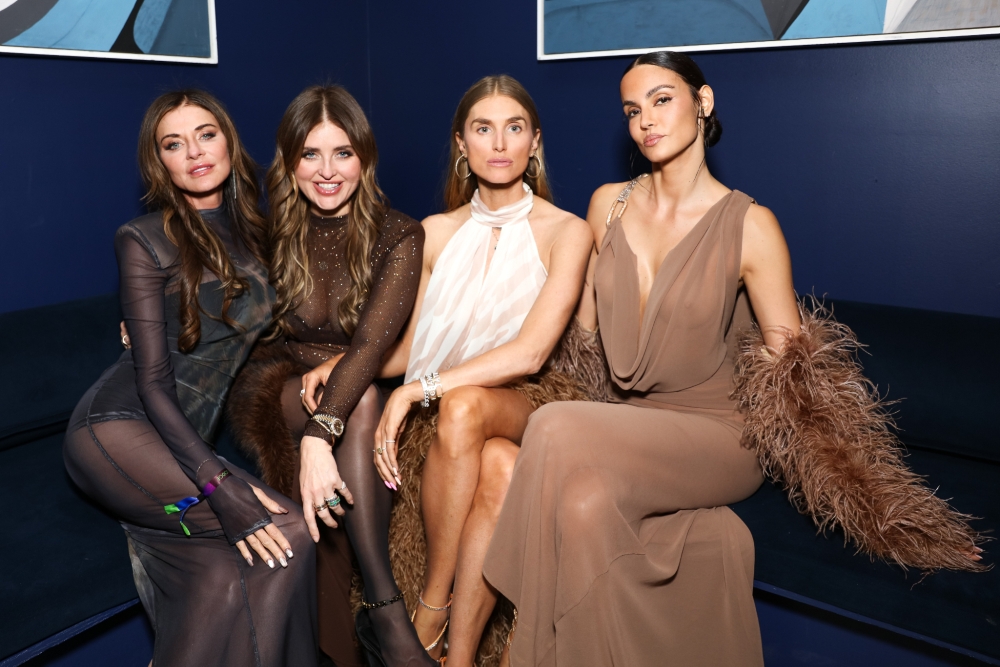
Photo Courtesy: Nina Fernandez / BFA
As a passionate environmentalist and philanthropist, Green has raised millions of dollars to support critical conservation efforts around the globe. Her brand, GIADA, is created by women, for women, seeking more functionality and ethics in their wardrobe and for those dressing with high-end intention. GIADA’s design philosophy is grounded in three core principles: Vegan Luxury, Limited, Low-Impact Production, and New York Craftsmanship.
The Black Coffee Foundation contributes to nation-building and the rehabilitation of South Africa by continually raising funds through CD sales, private-sector donations, government institution donations, and foreign investor contributions. Founded by Nkosinathi Innocent Maphumulo, an internationally acclaimed DJ and producer whose honors include a Grammy Award, eight South African Music Awards, four DJ Awards, and two Metro FM Awards, the foundation is committed to helping and uplifting the destitute and disabled people of South Africa by analyzing their needs and providing for those needs in a sustainable manner that promotes education.